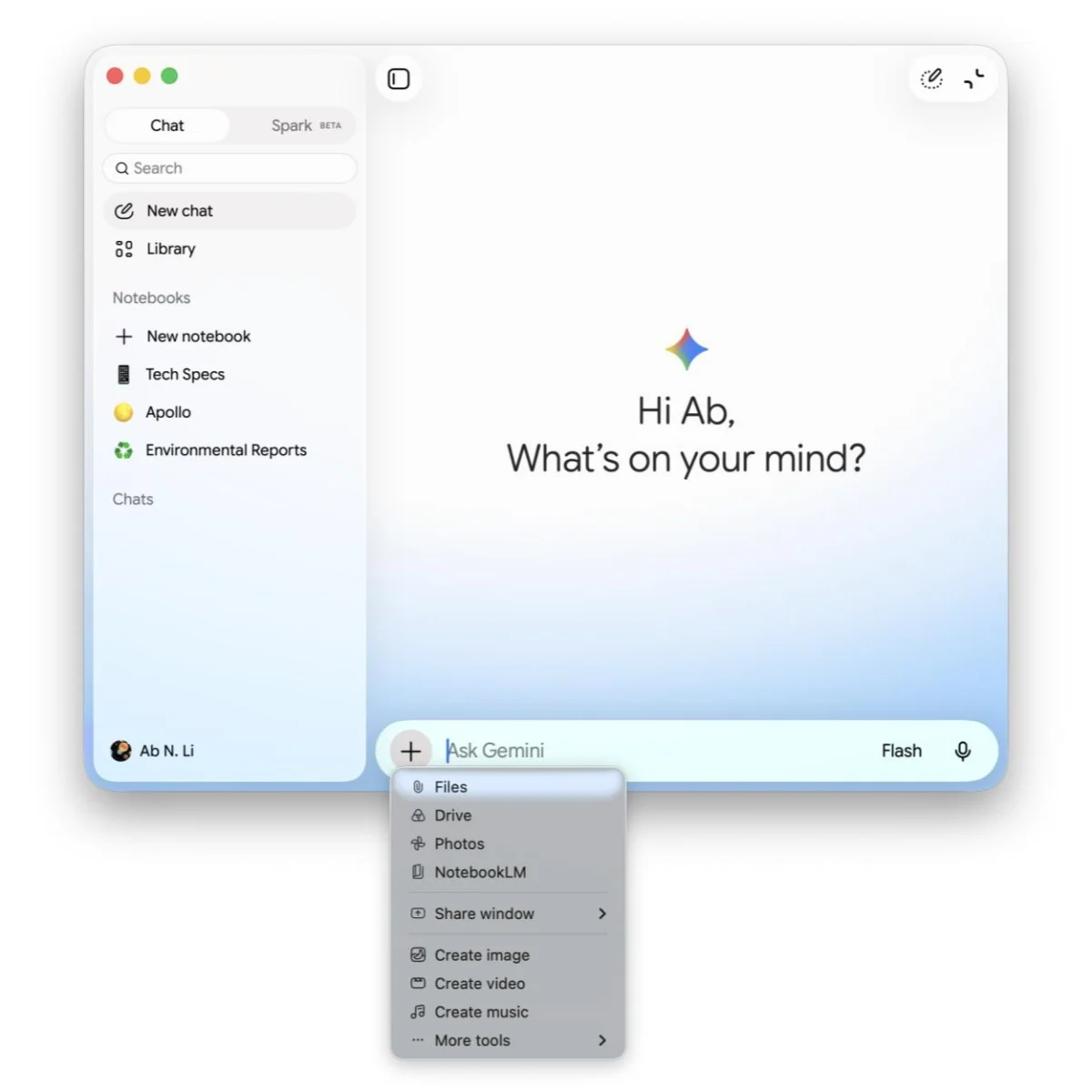
Google has rolled out a significant visual update for its Gemini application on macOS, integrating the "Neural Expressive" design language that has been progressively adopted across other platforms. This move, occurring concurrently with the announcement of Gemini 3.6 Flash, signals Google’s continued commitment to a cohesive and modern user experience for its artificial intelligence offerings. The redesign brings a fresh aesthetic to the Mac application, mirroring changes previously seen on Gemini for Android, iOS, and the web.
A Unified Visual Identity for Gemini
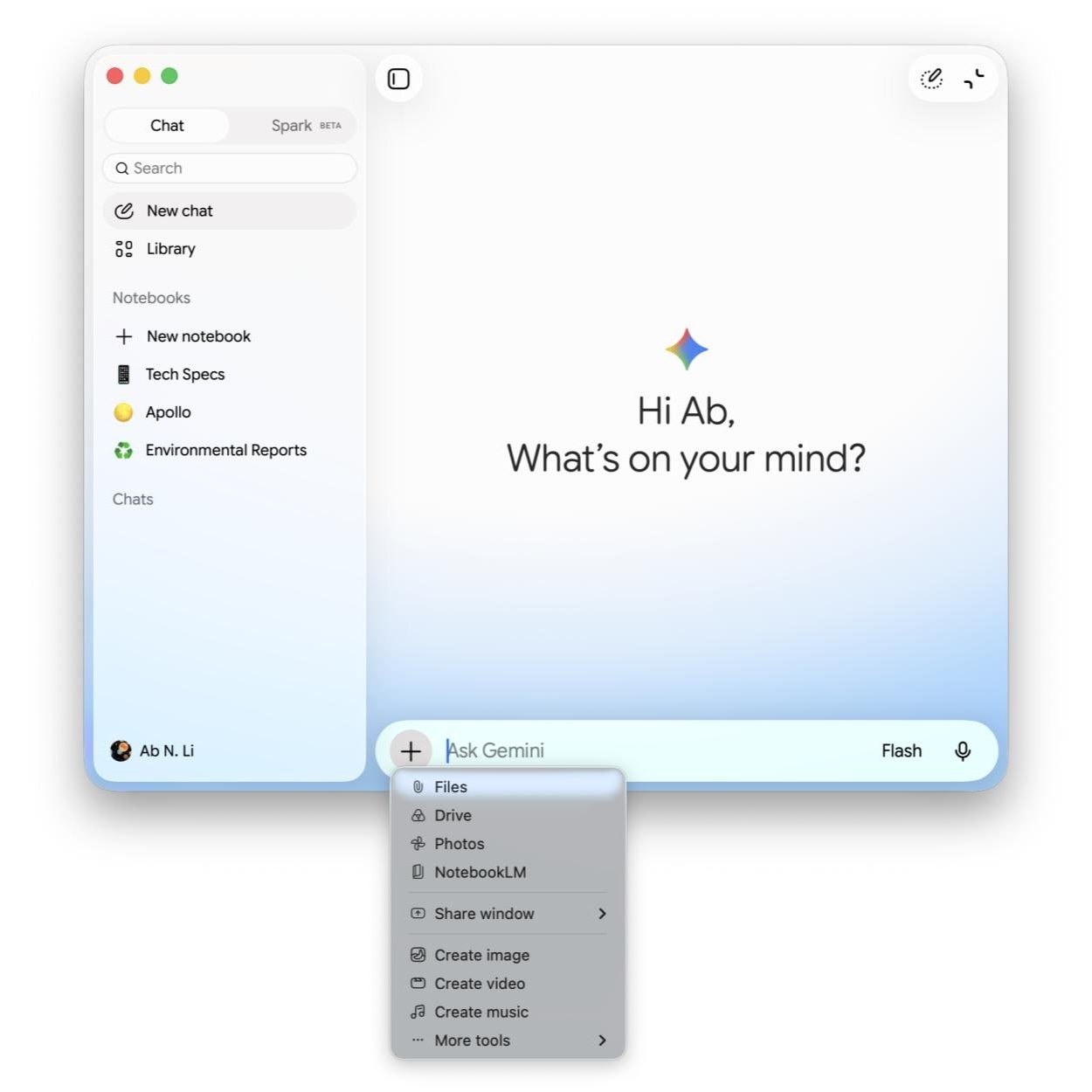
The Neural Expressive redesign, first showcased at Google I/O 2026 in May, aims to create a more engaging and intuitive interface for interacting with AI. On macOS, this translates to several noticeable changes. Upon launching the application, users are greeted with a vibrant, colorful gradient that temporarily encircles the prompt bar, a visual cue that has become characteristic of the new design. This is complemented by a complete overhaul of icons throughout the app, now featuring a refined, thin outline style.
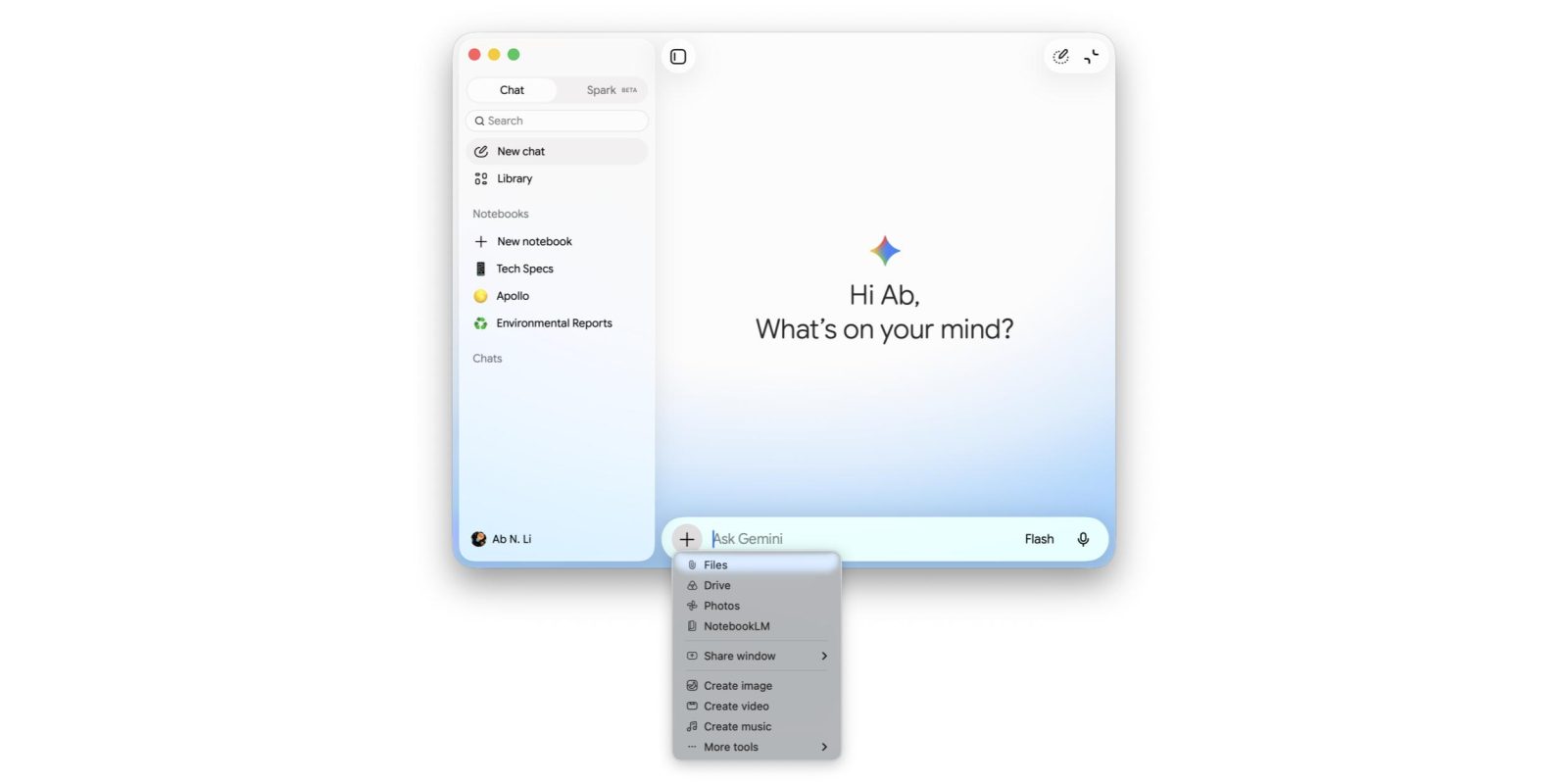
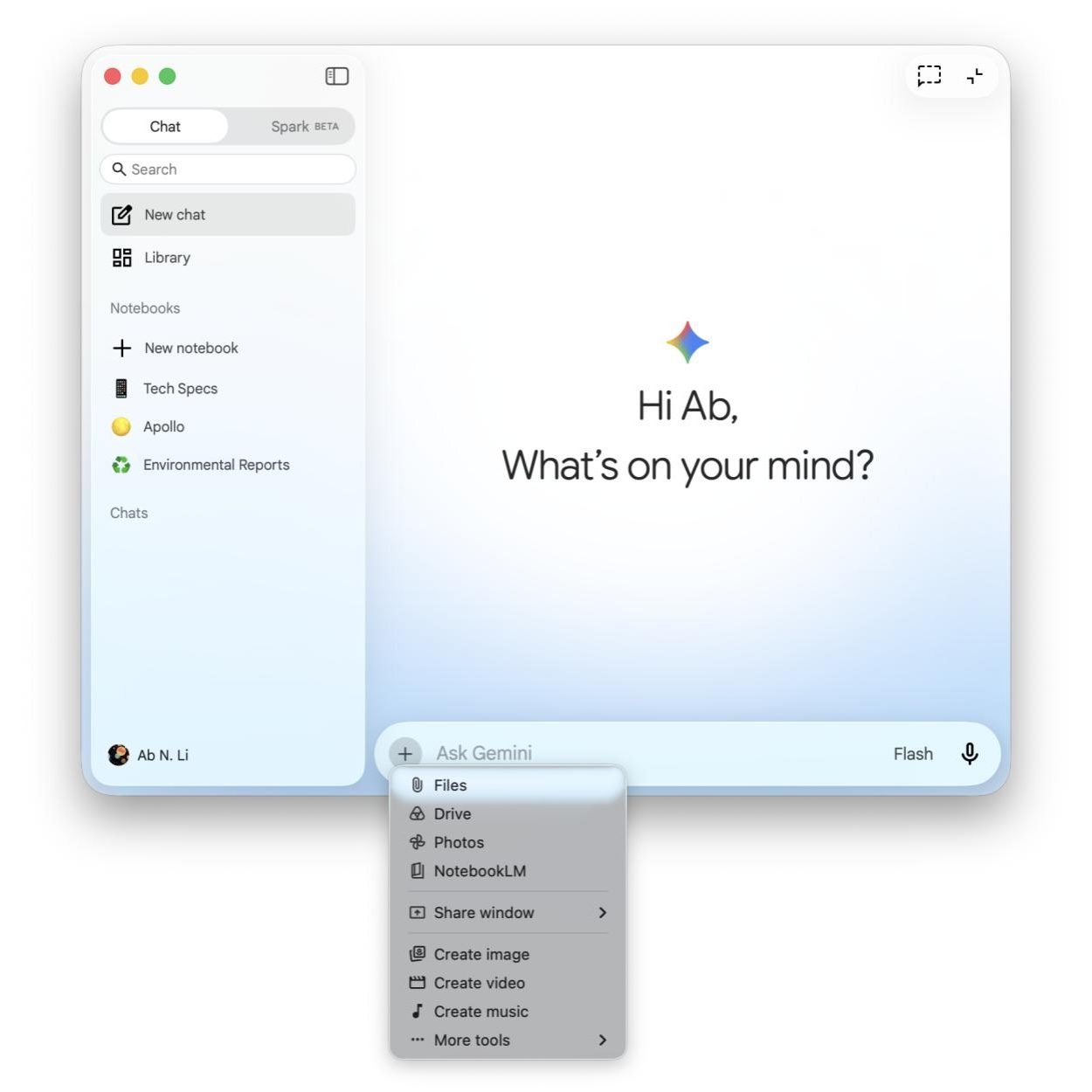
The homepage has been particularly refreshed, with updated buttons for key functionalities. These include the side panel, voice input, temporary chat sessions, and the full app/mini view toggles. These buttons now sport a rounded aesthetic, contributing to a softer and more approachable user interface. Furthermore, new icons have been integrated into the "plus" menu, ensuring consistency with the design language employed across all Gemini platforms. This attention to detail in icon design and button styling aims to streamline user interaction and reduce cognitive load, allowing users to more easily identify and access features.

Navigational Refinements and Cross-Platform Parity
Beyond the immediate visual elements, the Gemini for macOS app also sees enhancements in its navigation. The navigation drawer now utilizes pill-shaped indicators to clearly highlight the currently active section, providing users with immediate visual feedback on their location within the application. The Settings menu has also undergone a modernization, aligning with the overall Neural Expressive aesthetic.
This update is available with version 1.86 of Gemini for macOS. It is important to note, however, that the Gemini for Chrome side panel has not yet received this redesign and continues to operate with the previous design language. This suggests a phased rollout strategy, prioritizing core applications before extending to browser integrations.
Broader AI Mode Updates on Android
In parallel with the macOS update, Google has also implemented the latest design for AI Mode on Android devices this week. A key change in the Android AI Mode is the repositioning of the prompt box. It now appears as a floating container, detached from the bottom of the screen, offering a more dynamic and less obstructive user interface compared to its previous docked "sheet" format. Additionally, the "plus" menu and the submit button in the Android AI Mode have also been updated to a pill-shaped design, reinforcing the consistent visual theme.
Prior to these recent redesigns, both the Gemini applications and the AI Mode on Android shared a similar bottom sheet design for their prompt boxes. This was an intentional approach by Google to unify the user experience across its diverse AI-powered services. The introduction of the Neural Expressive design language signifies a further evolution in this strategy, aiming for a more visually appealing and functionally refined interaction with AI technologies.
The Significance of Neural Expressive
The Neural Expressive design language represents more than just a cosmetic facelift; it embodies Google’s evolving philosophy in human-computer interaction, particularly concerning artificial intelligence. Launched initially at Google I/O 2026, this design system is rooted in principles of clarity, expressiveness, and user-centricity. It aims to make AI interactions feel more natural, approachable, and less intimidating.
The use of gradients, rounded elements, and subtle animations within the Neural Expressive framework is intended to evoke a sense of fluidity and responsiveness. This is particularly crucial for AI applications, where the perceived intelligence and capability of the system are often influenced by the user’s interface. By presenting a clean, modern, and visually engaging interface, Google seeks to build user trust and encourage deeper engagement with its AI products.
A Phased Approach to Design Evolution
Google’s rollout of the Neural Expressive design language has been a strategic, phased process. The initial unveiling at Google I/O 2026 targeted the most widely used platforms: Android, iOS, and the web. This ensured that a significant user base experienced the new design early on. The subsequent expansion to desktop applications like Gemini for macOS demonstrates a commitment to providing a consistent experience across all touchpoints.
The delay in updating the Gemini for Chrome side panel suggests that Google is prioritizing desktop applications and mobile experiences before fully integrating the new design into browser extensions. This phased approach allows for thorough testing, user feedback collection, and iterative refinement, ensuring that the final implementation is robust and well-received.
Data and User Engagement in AI Design
The development and implementation of design languages like Neural Expressive are often informed by extensive user data and research. Google likely analyzes usage patterns, user feedback, and A/B testing results to fine-tune visual elements and interaction flows. For instance, the shift from a docked prompt box to a floating container on Android AI Mode might be a response to user preferences for more screen real estate or a desire for a less intrusive input method.
The underlying goal of these design updates is to foster greater user adoption and satisfaction with AI tools. As AI becomes more integrated into daily life, the interface through which users interact with it plays a critical role in its success. A well-designed interface can demystify AI, making it accessible to a broader audience and unlocking its full potential for productivity and creativity.
Context of Gemini’s Development
The evolution of Gemini’s interface is intrinsically linked to the broader development of Google’s AI capabilities. The introduction of Gemini 3.6 Flash, a faster and more efficient version of the model, underscores Google’s ongoing efforts to enhance performance and accessibility. The visual updates complement these performance improvements by making the user experience more seamless and enjoyable.
Google’s AI strategy is multifaceted, encompassing advancements in model architecture, data processing, and user interface design. The Neural Expressive redesign is a testament to the company’s belief that a superior user experience is as vital as the underlying technology itself. By investing in both, Google aims to solidify its position as a leader in the rapidly evolving AI landscape.
Future Implications and Broader Impact
The continued refinement of Gemini’s user interface has several implications. Firstly, it signals a strong commitment from Google to its AI ecosystem and suggests that further integration and enhancements can be expected across its product suite. Users can anticipate a more unified and intuitive experience when interacting with Google’s AI technologies, regardless of the device or platform they are using.
Secondly, this design evolution sets a benchmark for other AI developers. As AI becomes more prevalent, the importance of user-friendly and aesthetically pleasing interfaces will only grow. Google’s approach, with its emphasis on consistency and user-centricity, may influence how other companies design their AI products in the future.
Finally, the adoption of the Neural Expressive design language can contribute to demystifying AI for the general public. By making AI tools more approachable and visually appealing, Google can encourage wider adoption and foster a greater understanding of AI’s capabilities and benefits. This, in turn, can lead to more innovative uses of AI across various sectors and empower individuals with powerful new tools for learning, creativity, and problem-solving. The consistent visual language across platforms will also aid in building user familiarity and trust, essential components for the widespread acceptance of advanced AI technologies.