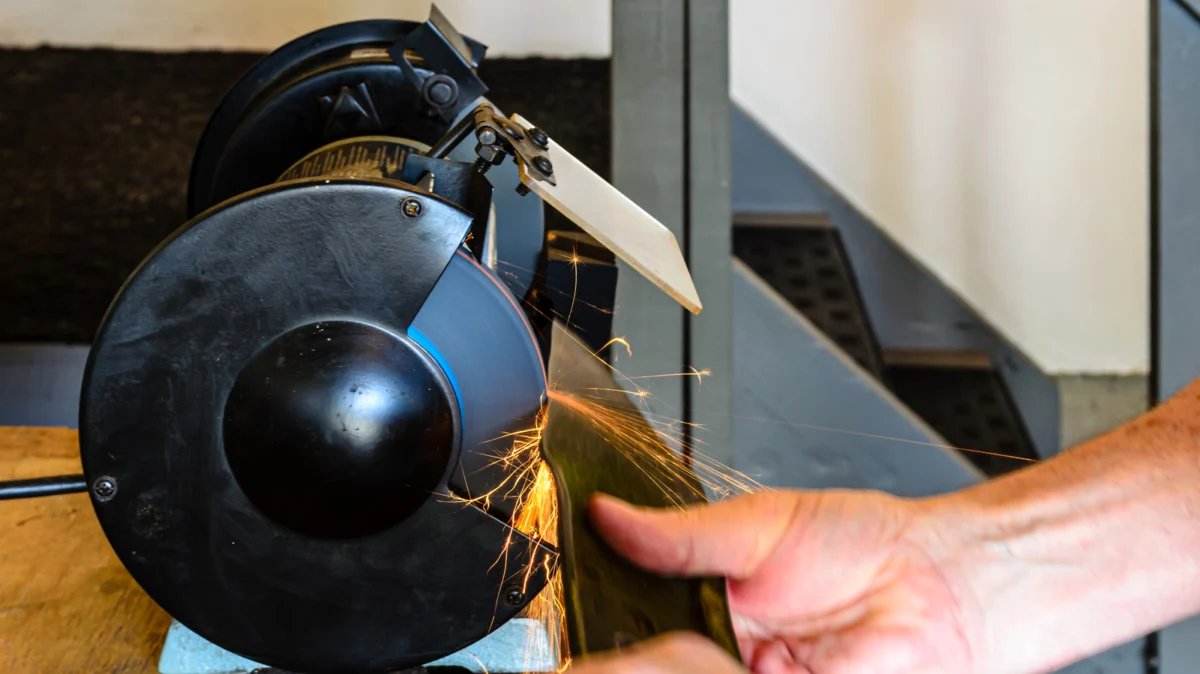
Maintaining a lush, healthy lawn requires more than just regular watering and fertilization; it necessitates precise mechanical maintenance of your primary cutting tool. A common point of confusion among homeowners is the optimal timing for sharpening lawn mower blades. While many practitioners debate whether the task should be performed during the autumnal wind-down or the vernal awakening, the reality is that blade health is a functional necessity rather than a seasonal obligation.
The Science of the Cut: Why Sharp Blades Matter
The primary function of a lawn mower blade is to slice through grass blades with surgical precision. When a blade is sharp, it creates a clean, perpendicular incision that allows the plant to heal quickly. Conversely, a dull blade acts more like a blunt instrument, tearing and shredding the grass rather than cutting it.
This mechanical trauma has significant biological implications for your turf. When grass is shredded, the ragged edges become prone to dehydration and infection. These open wounds serve as entry points for fungal pathogens, such as leaf spot or dollar spot, which can devastate a lawn’s aesthetic and structural integrity. Furthermore, the energy required for the plant to recover from these shredded tips redirects nutrients away from root development. Over time, this leads to a thinning lawn, increased susceptibility to drought, and a weakened root system that cannot compete with opportunistic weeds.
Industry Standards and Usage Cycles
Most residential lawn mower manufacturers provide a baseline recommendation: sharpening or replacement should occur at least once every 12 months for the average homeowner. However, this advice assumes standard usage patterns, which rarely reflect the realities of diverse suburban landscapes.
For those operating gas-powered equipment, a more practical metric involves the fuel cycle. A common industry benchmark is to inspect the blade’s condition after every 20 to 25 hours of operation, or roughly after every five to ten tanks of gas. If your lawn is subject to challenging conditions—such as hilly terrain, sandy soil that acts as an abrasive, or the presence of debris like sticks and stones—this inspection interval should be significantly accelerated.
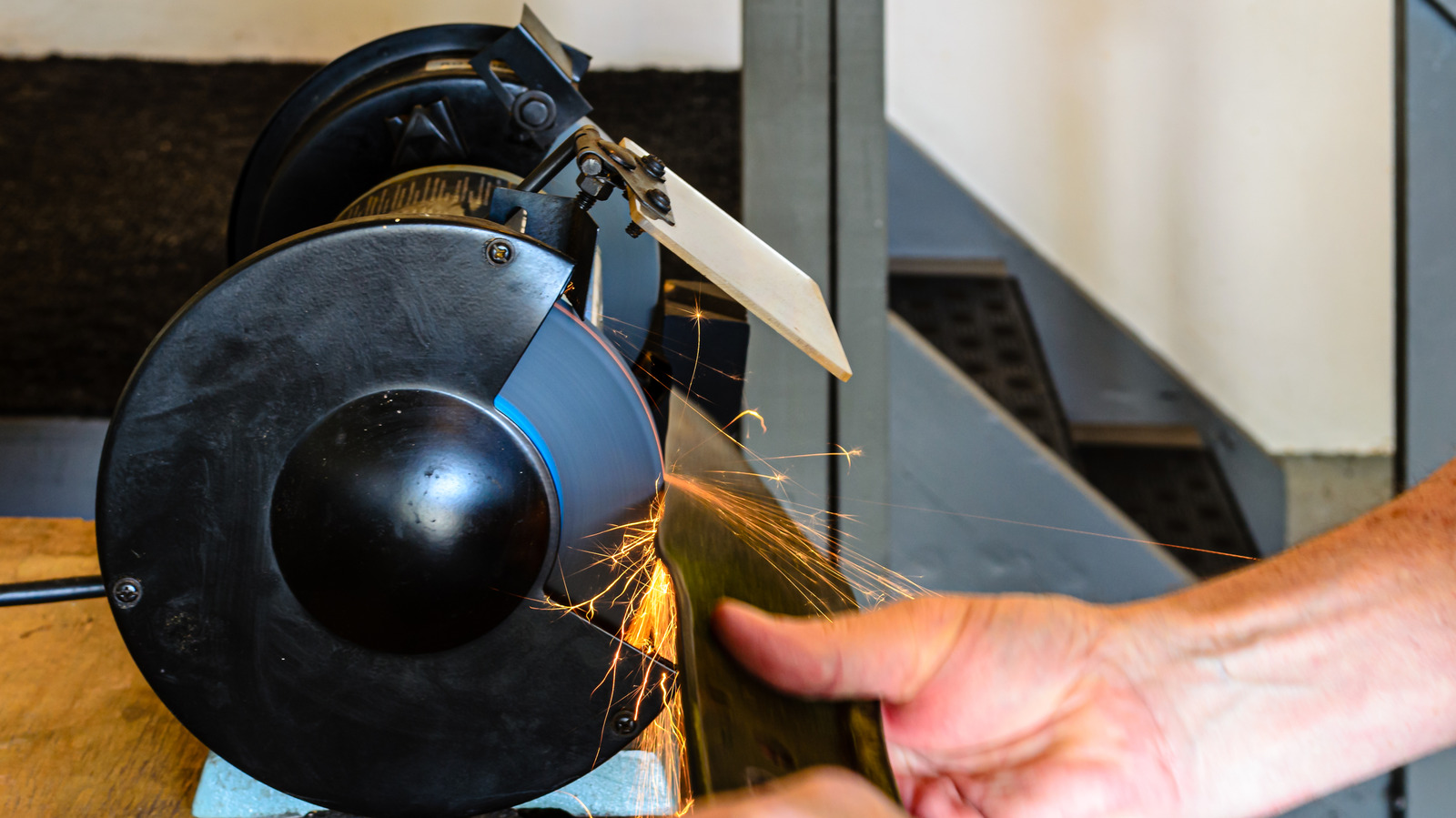
Analyzing the Seasonal Debate
The debate over whether to sharpen in the spring or the fall is often rooted in logistical convenience rather than horticultural necessity.
The Argument for Fall Maintenance:
Advocates for fall sharpening argue that it serves as a "ready-to-go" strategy. By sharpening blades at the end of the growing season, homeowners ensure that their equipment is serviced and prepared for the first mow of the following spring. Furthermore, because the mower is typically cleaned and stored for the winter, the maintenance task integrates seamlessly into a broader end-of-season routine.
The Argument for Spring Maintenance:
Proponents of spring sharpening point out that blades can oxidize or accumulate micro-corrosion during the dormant winter months. By performing the task just as the growing season begins, the homeowner ensures the sharpest possible edge for the first, often most vigorous, growth flush of the year.
Ultimately, both approaches are secondary to the visual and functional state of the grass. A lawn that appears brown at the tips or shows a "fringed" texture immediately after mowing is an indicator of dull blades, regardless of the calendar month.
Chronology of Maintenance and Inspection
To maintain a professional-grade lawn, homeowners should adopt a consistent maintenance schedule:
- Pre-Season Assessment (March/April): Inspect the blade for deep nicks or structural bends caused by rocks or roots from the previous year. If the metal has been compromised, professional replacement is required.
- Mid-Season Check (June/July): Given the rapid growth rate during peak summer, inspect blades monthly. If the mower is used on larger properties, bi-weekly checks are advised.
- End-of-Season Storage (October/November): Clean the undercarriage of the mower, remove grass buildup, and sharpen the blades. Storing the machine with clean, sharp blades prevents the corrosion that occurs when acidic grass clippings are left on the steel throughout the winter.
Supporting Data and Equipment Analysis
Data regarding lawn care efficiency suggests that well-maintained equipment can improve fuel efficiency by as much as 10% to 15%. A dull blade creates more drag on the mower’s engine, forcing it to work harder and consume more fuel to achieve the same ground speed.
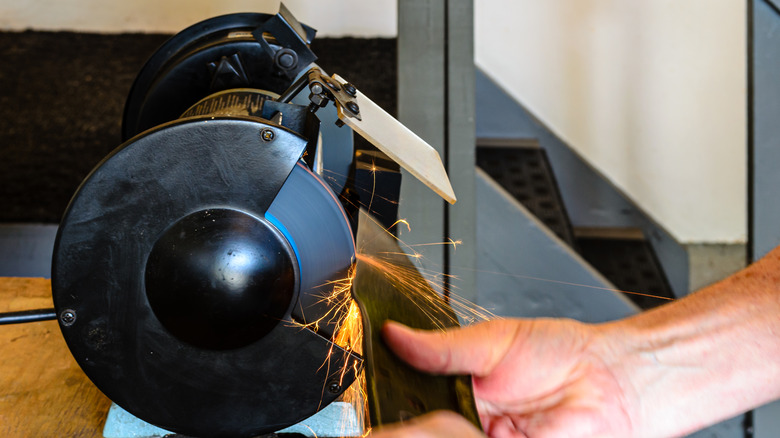
Furthermore, the choice of equipment plays a role in long-term maintenance costs. Modern advancements in zero-turn mowers have changed the dynamics of blade maintenance. These machines, often equipped with triple-blade decks, require more time for sharpening but offer a superior cut quality compared to standard riding mowers. Understanding the nuances of your specific machine—whether it is a walk-behind, a riding tractor, or a zero-turn unit—is essential for predicting how often maintenance will be required.
Identifying the Signs of Dull Blades
Homeowners do not need to be mechanical experts to determine when a blade has lost its edge. The following signs are clear indicators that immediate action is required:
- The "Whitened" Tip Test: Examine the grass tips immediately after mowing. If they appear white or tan rather than green, the grass has been torn, not cut.
- The Patchy Appearance: If certain sections of the lawn appear uneven or "missed" despite a consistent mowing path, the blade is likely failing to lift the grass blades effectively.
- Increased Noise and Vibration: A dull, unbalanced blade can cause excessive vibration in the mower deck, which can eventually damage the spindle bearings and the engine crankshaft.
- Debris Build-up: If the underside of the deck is clean but the grass is still not being discharged efficiently, the aerodynamic "lift" created by a sharp blade has been lost.
Broader Implications for Property Value
Beyond the aesthetic appeal, a well-maintained lawn contributes directly to property value. Real estate professionals frequently cite curb appeal as one of the most influential factors in initial home valuations. A lawn that is consistently healthy, dense, and uniform signals to prospective buyers that the property has been well-cared for. Conversely, a lawn characterized by weed encroachment and uneven growth can detract from the perceived value of the entire estate.
By treating mower blade maintenance as a necessary operational task rather than a seasonal chore, homeowners can significantly improve the vitality of their landscape. Whether you choose to sharpen your blades in the quiet of a November afternoon or the anticipation of a spring morning, the goal remains the same: ensuring that the machinery works in harmony with the biological needs of the turf. Consistent monitoring, rather than rigid adherence to a calendar, remains the gold standard for long-term lawn health.