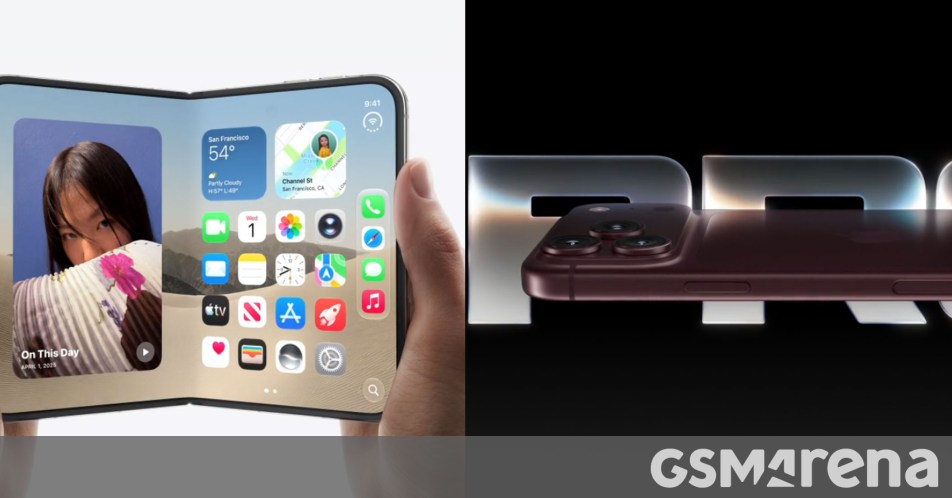
The consumer electronics landscape shifted significantly this week as Apple unveiled its latest mobile hardware lineup, headlined by the introduction of the company’s first-ever foldable device, the iPhone Duo, and the iterative update to its flagship smartphone series, the iPhone 18 Pro. While the market has long anticipated Apple’s entry into the foldable segment, the launch marks a strategic turning point for the Cupertino-based tech giant, emphasizing long-term refinement over rapid market entry. As Apple prepares for the global rollout, analysts are scrutinizing not only the technical specifications of these devices but also the broader implications of a pricing strategy that heavily burdens non-US markets.
The Long Road to the iPhone Duo
The trajectory of the iPhone Duo traces back to 2019, a year when industry rumors suggested that Apple had begun internal prototyping for a folding form factor. Reports from supply chain analysts indicated that Apple executives, including CEO Tim Cook, were evaluating the viability of flexible OLED panels following visits to major manufacturing hubs in China. Throughout the subsequent seven years, the industry witnessed a cycle of speculation regarding a potential release date, with rumors initially pointing toward 2023, then shifting to 2024, and eventually 2025.
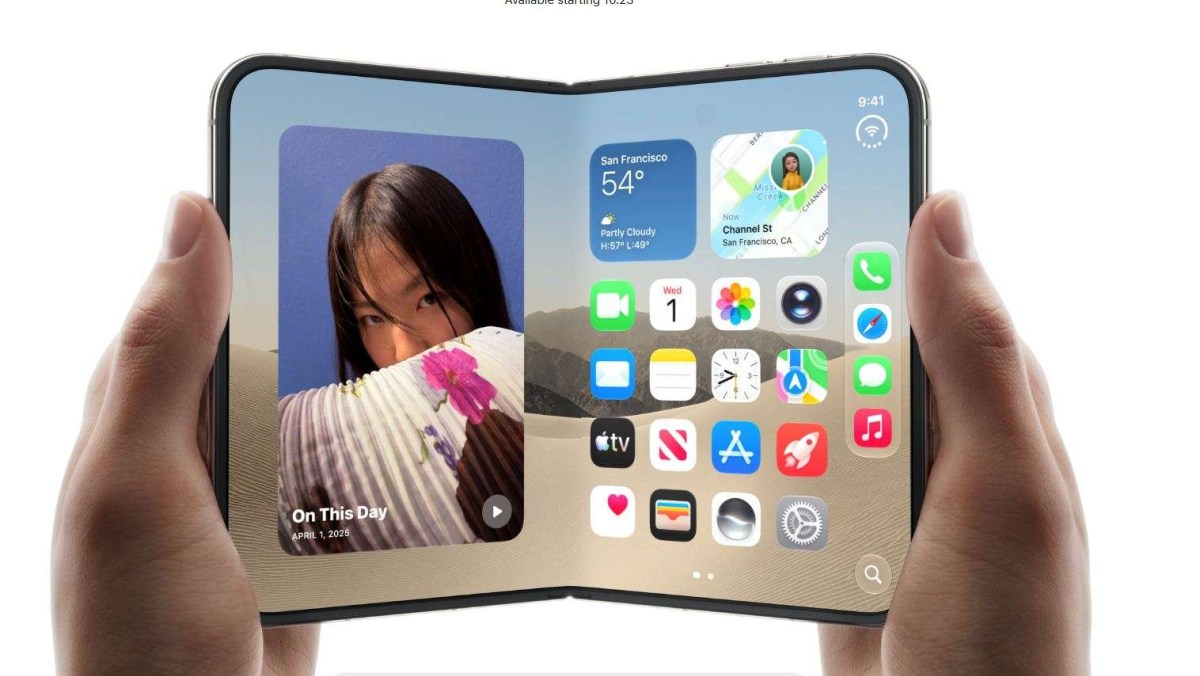
The final arrival of the device in September 2026 confirms that Apple adopted a “late-mover” strategy. By delaying entry until the technology matured, Apple has bypassed the early-generation pitfalls—such as visible screen creases and mechanical hinge failures—that plagued competitors. The iPhone Duo features a near-seamless inner display, achieved through a proprietary hinge mechanism that maintains structural integrity while supporting dust-proof ingress protection, a feature currently absent in many rival foldable handsets. Furthermore, the inclusion of an anti-reflective coating on the internal screen—a hardware refinement typically reserved for mature product lines—suggests that Apple prioritized user experience longevity over a rushed launch.
Technical Specifications and Design Architecture
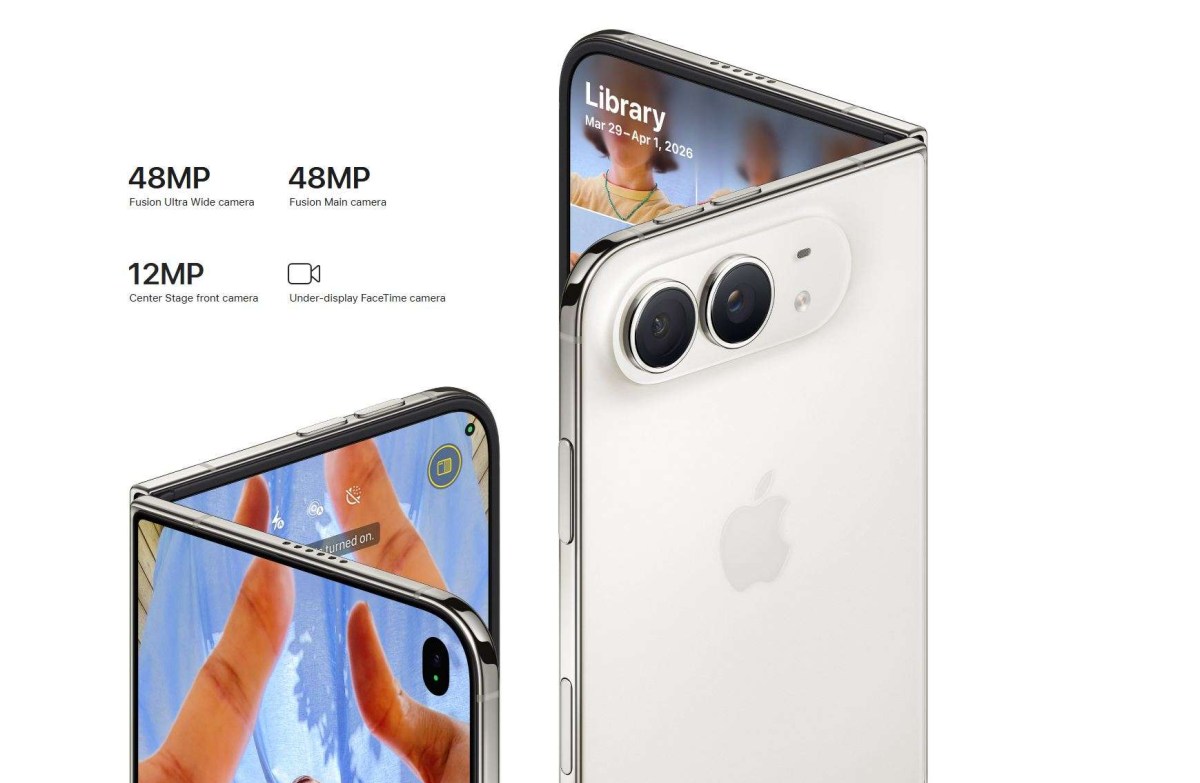
The hardware design of the iPhone Duo reveals a deliberate focus on software-hardware integration. One of the most notable features is the adaptive UI, which manages transition animations between the folded and unfolded states. However, the device is not without its design quirks. Current user reports indicate that the OS-level dock is fixed to a right-handed orientation, a limitation that may necessitate future software updates to accommodate left-handed users. The placement of the volume rocker on the top edge of the chassis is another departure from traditional ergonomics, a choice that has sparked debate among early adopters regarding one-handed accessibility.
Critically, the camera system on the $2,000 iPhone Duo appears to diverge from the high-end sensors found in the iPhone 18 Pro. By utilizing an imager specification similar to the entry-level iPhone 17e—specifically a 1/2.55-inch sensor paired with a 26mm lens—Apple has seemingly positioned the Duo as a productivity-focused device rather than a photography-centric flagship. The use of an under-display camera (UDC) on the interior screen, while aesthetically clean, continues to face challenges regarding light throughput and image clarity compared to traditional punch-hole camera arrays.

The A20 Pro SoC: A Generational Leap
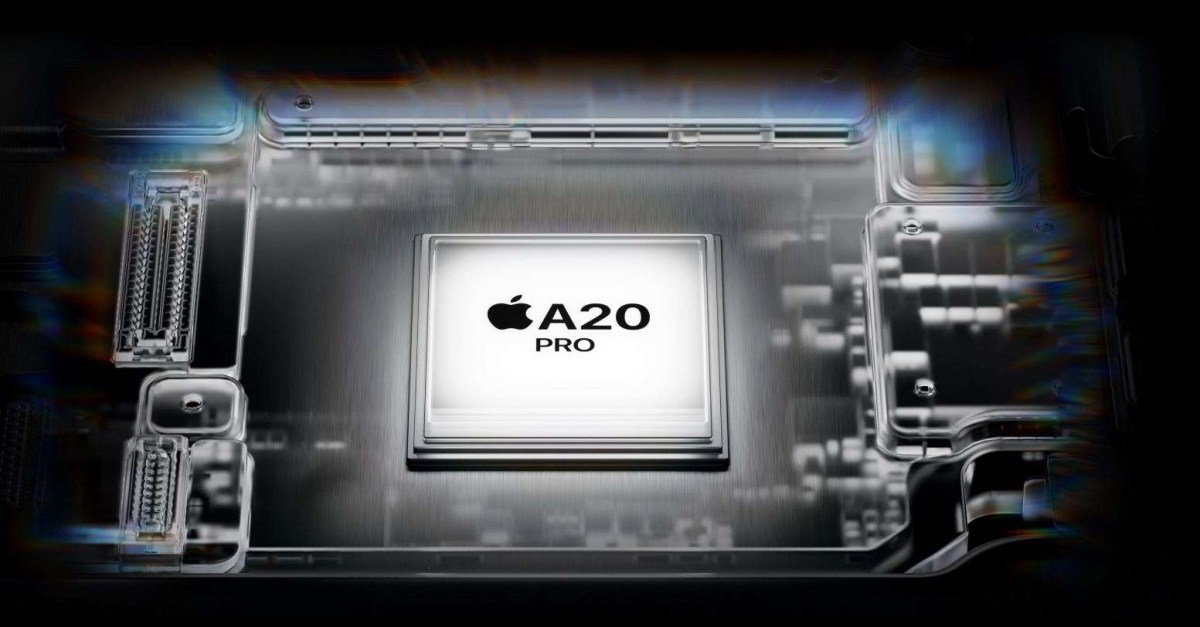
While the iPhone Duo captures the headlines, the iPhone 18 Pro series represents a significant milestone in silicon engineering. The new A20 Pro SoC is the world’s first mass-produced 2nm chipset, a technological achievement that underscores Apple’s dominance in semiconductor fabrication.
The performance metrics provided by Apple indicate a 20% increase in CPU speed and a 40% boost in GPU performance, the latter of which now includes an additional graphics core. The most substantial change, however, is the overhaul of the Neural Engine. With 32 cores—double the count of the A19 Pro—the A20 is explicitly designed to handle intensive on-device AI tasks, such as real-time language translation, advanced computational photography, and localized generative AI processing. By increasing memory bandwidth by 50%, Apple has ensured that the device can sustain these high-compute operations without significant thermal throttling.
Battery Life and Charging Limitations
Battery performance remains a primary concern for smartphone power users. The iPhone 18 Pro Max offers an additional six hours of video playback compared to its predecessor, while the standard 18 Pro gains three hours. Despite these improvements in power efficiency, the devices retain charging speeds that are increasingly viewed as conservative by 2026 industry standards. As competitors move toward ultra-fast charging architectures, Apple’s decision to maintain its current charging protocol suggests a focus on long-term battery health and thermal management over peak power input.
The Variable Aperture Lens: Innovation or Marketing?
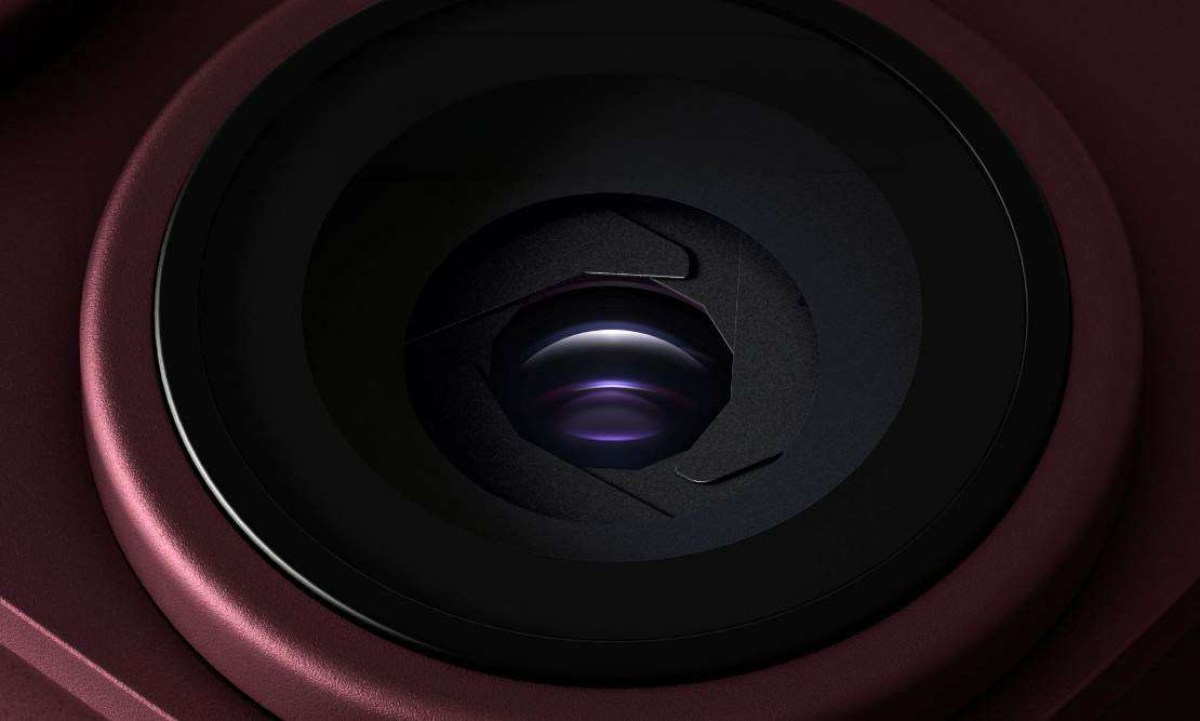
The camera system on the 18 Pro features a four-step variable aperture lens, a feature that has historically been marketed as a breakthrough in mobile photography. However, technical analysis suggests that the practical benefits of this hardware are limited by the physical constraints of mobile sensors.
At a standard focal length of 24mm, the depth-of-field difference between an aperture of f/1.4 and f/4 is negligible for most landscape or street photography scenarios, where subjects are generally located at a distance greater than one meter. While the variable aperture allows for finer control of light intake, it serves more as a niche tool for specific macro-photography applications rather than a fundamental game-changer for the average consumer. Industry observers suggest that the inclusion of this feature is intended to differentiate the 18 Pro in a saturated market where raw megapixel counts have hit a plateau.
Global Pricing and Market Implications
The launch of the iPhone 18 series has been accompanied by a complex pricing strategy that has drawn criticism from international markets. While US customers face a $100 price hike, consumers in Europe, India, Japan, and China are witnessing significantly steeper increases. In Europe, for example, the price difference for the base iPhone 18 Pro exceeds the base cost of the same device in the US by a substantial margin, effectively functioning as a localized premium to offset currency fluctuations and logistics costs.
The price disparity is most visible in emerging markets. In India, the price has risen by INR 30,000, while in Japan, the adjustment is JPY 40,000. These increases, combined with the $2,000 entry price for the iPhone Duo, suggest that Apple is moving further into the ultra-luxury tier of the smartphone market. This positioning may solidify Apple’s profit margins in the short term, but it risks alienating the mid-range consumer segment, which is increasingly looking toward more competitively priced alternatives.
Future Outlook and Analyst Consensus
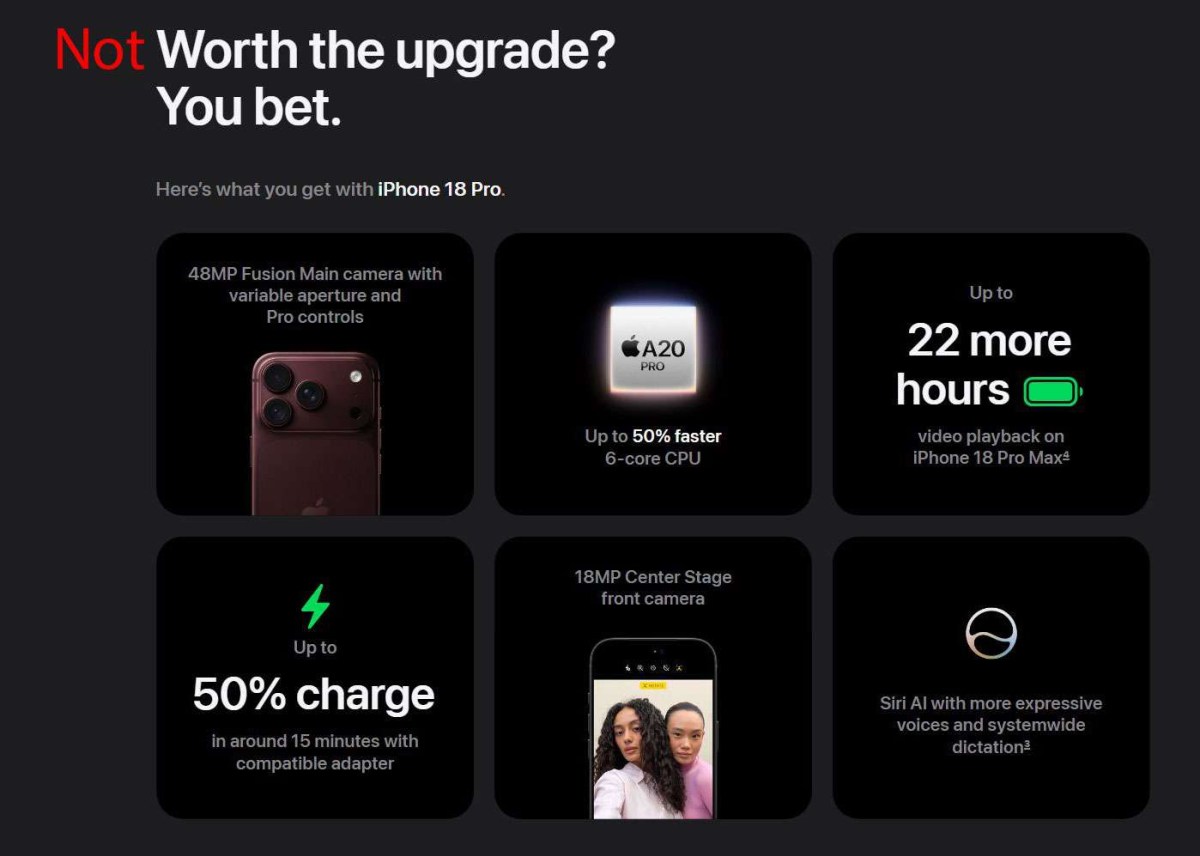
The prevailing consensus among industry analysts is that the iPhone 18 Pro is an iterative update rather than a revolutionary one. For owners of the iPhone 17 Pro, the lack of substantial, day-to-day functional improvements suggests that an upgrade cycle is likely unnecessary. The appeal of the 18 Pro is largely confined to users who require the advanced capabilities of the A20 Pro chip for AI-heavy workflows or those who value the incremental gains in battery longevity.
Conversely, the iPhone Duo represents a high-stakes experiment. Its success will not be measured by unit volume—given its prohibitive price point—but by its ability to cement Apple’s reputation as a leader in the foldable space. By entering the market with a refined, albeit expensive, product, Apple has signaled that it is content to cede the “early adopter” phase to competitors, choosing instead to define the standards for reliability and polish in the foldable category.
As the retail availability of these devices nears, the tech sector will be watching closely to see if the market’s demand for the iPhone Duo matches the high expectations set by Apple’s marketing department. With the integration of Apple Pencil support on the horizon for the Duo, the device may eventually bridge the gap between a smartphone and a tablet, provided that the software ecosystem continues to evolve to support the unique constraints of the folding display. For now, the iPhone 18 series remains a demonstration of industrial strength, tempered by a cautious approach to innovation and an aggressive approach to global pricing.