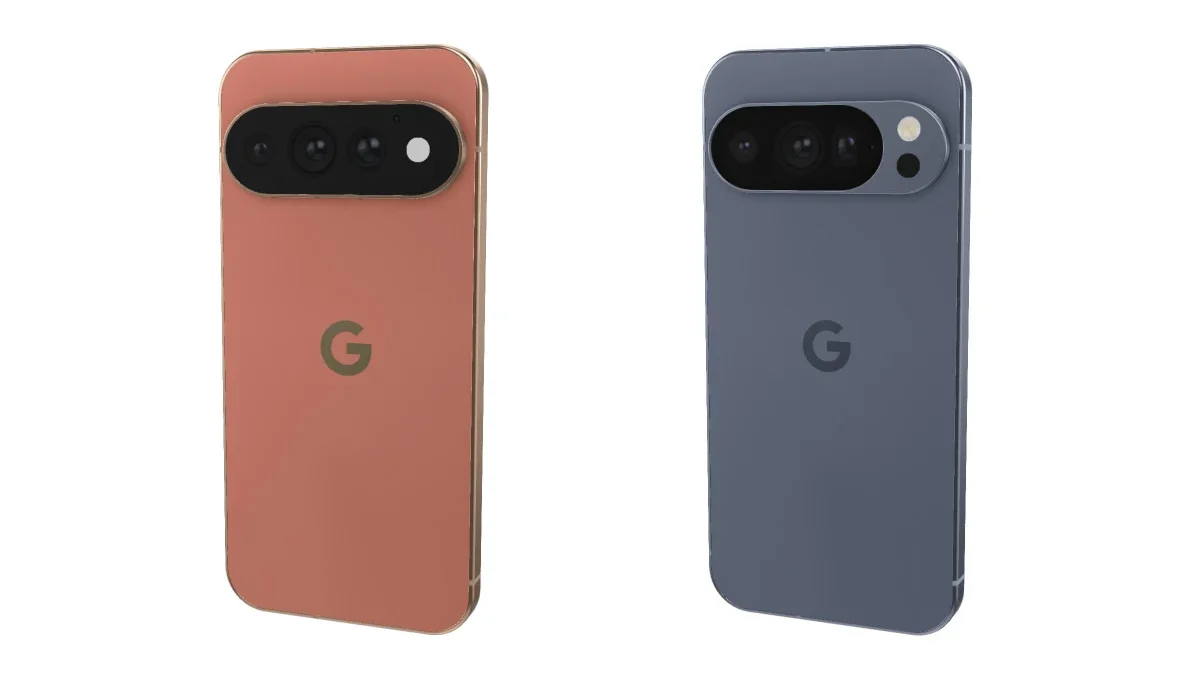
The release of the Google Pixel 11 Pro has reignited the perennial debate among smartphone enthusiasts regarding the value of generational upgrades. As the latest flagship to join the Android ecosystem, the Pixel 11 Pro enters a competitive market where its predecessor, the Pixel 10 Pro, remains a formidable contender. With the base model of the Pixel 11 Pro retailing at approximately €1,100, while the preceding Pixel 10 Pro has seen its market price stabilize at a more accessible €770, consumers are rightfully questioning whether the incremental hardware and software refinements justify the significant price premium. This assessment provides a detailed breakdown of the technical differences, performance metrics, and real-world implications of choosing between these two devices.
A Study in Design Continuity
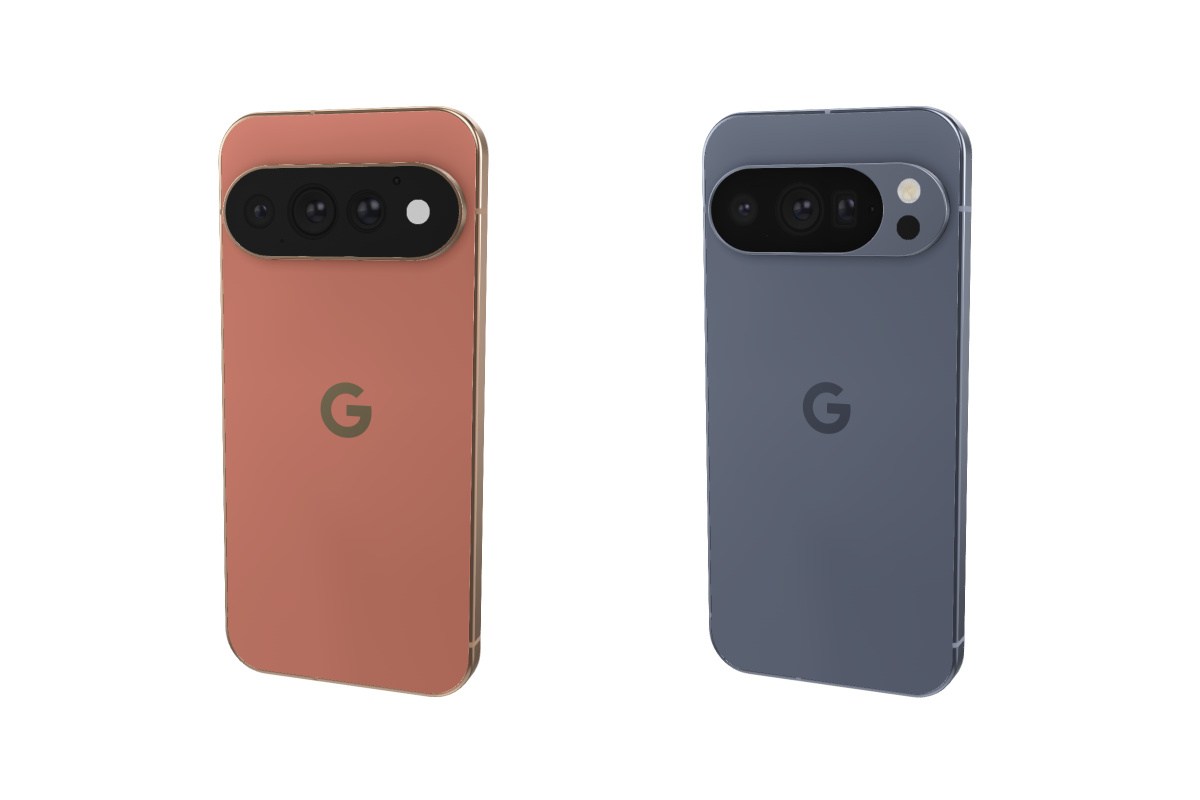
From an aesthetic and ergonomic perspective, the Pixel 11 Pro and the Pixel 10 Pro are nearly indistinguishable. Google has maintained a consistent design language, utilizing Gorilla Glass Victus 2 for both front and back panels, supported by a durable aluminum chassis. The physical dimensions and weight of both handsets are functionally identical, suggesting that Google has opted for design refinement over radical form-factor innovation this cycle. Both devices retain an IP68 rating, ensuring industry-standard protection against dust and water ingress. The primary distinctions are limited to color palettes and minor adjustments to the camera housing, which continues to feature edge-to-edge glass integration. This continuity indicates that the company is leaning into a stable brand identity, prioritizing internal technological maturation over external redesigns.

Display Performance and Visual Fidelity
Both the Pixel 11 Pro and the Pixel 10 Pro feature 6.3-inch LTPO OLED panels that support a dynamic 120Hz refresh rate and HDR10+ content. On paper, the Pixel 11 Pro touts higher peak brightness figures, with official specifications citing 2,400 nits in automatic mode and up to 3,600 nits of peak brightness, compared to the 2,200 and 3,300 nits respectively for the Pixel 10 Pro.

Independent testing confirms that while the Pixel 11 Pro is indeed marginally brighter—reaching 2,426 nits compared to the 2,351 nits of its predecessor—the difference is virtually imperceptible to the human eye under standard operating conditions. Both displays utilize sophisticated LTPO technology to scale refresh rates between 1Hz and 120Hz, ensuring a balance between fluid motion and battery efficiency. For the average user, the visual experience remains largely consistent across both generations.

The Tensor G6: Architectural Shifts and Efficiency
The most significant internal change lies in the integration of the Tensor G6 chipset. Manufactured on the same 3nm process as the Tensor G5 found in the Pixel 10 Pro, the G6 represents a pivot in CPU architecture. Google has reduced the total CPU core count to seven while increasing clock speeds, with the primary ARM C1-Ultra core reaching 4.1 GHz.

Benchmarks indicate that the Tensor G6 offers a substantial performance boost in multi-core and single-core tasks, with improvements exceeding 20% compared to the G5. However, the graphics processing unit (GPU) tells a different story. By utilizing the Imagination Series C architecture, the Tensor G6 maintains similar gaming performance to its predecessor. While Google has successfully addressed many of the software compatibility issues that plagued the Tensor G5 at launch, the reliance on older GPU architecture remains a point of contention for users prioritizing high-end mobile gaming.

Battery Longevity and Charging Dynamics
The battery capacity remains largely static, with the Pixel 11 Pro housing a 4,850 mAh cell compared to the 4,870 mAh unit in the Pixel 10 Pro. Despite this negligible difference in capacity, the Pixel 11 Pro demonstrates superior endurance in active usage scenarios. Our testing recorded an Active Use Score of 15 hours and 38 minutes for the 11 Pro, an improvement of over three hours compared to the 10 Pro. This efficiency gain is likely attributable to the optimized power management of the new Tensor G6 chipset.

Charging technology has seen a more nuanced update. While both devices support 30W wired charging, the Pixel 11 Pro introduces an "Extreme Charging" mode for specific scenarios where the battery level is below 50%. The most notable upgrade, however, is the support for 25W wireless charging on the Pixel 11 Pro, provided users utilize Qi2.2-compliant magnetic chargers. This is a significant step up from the 15W ceiling of the Pixel 10 Pro, offering faster and more convenient top-ups for those invested in the wireless ecosystem.

Photographic Capabilities and Imaging Software
Camera hardware on the Pixel series has reached a point of saturation. Both the 11 Pro and 10 Pro utilize a triple rear camera array, anchored by a 50MP primary wide sensor. The Pixel 11 Pro features a larger 1/1.95" sensor for its telephoto module, which theoretically allows for better light gathering, though this comes with an increased minimum focusing distance of 39cm.

In daylight conditions, the Pixel 11 Pro produces images with slightly improved detail definition and more refined sharpening algorithms. However, these improvements are incremental. In low-light environments, the performance is remarkably similar, with both devices leaning into the signature "Pixel look"—high contrast and punchy colors. The 11 Pro’s software-side additions, such as "Magic Capture" for automated high-res stills from video and new color grading tools, are useful but do not fundamentally change the photography experience for the end user.

Market Context and Strategic Implications
The release of the Pixel 11 Pro occurs at a time when the broader smartphone market is experiencing a cooling of consumer demand for "must-have" annual upgrades. By keeping the design and camera hardware relatively static, Google appears to be prioritizing iterative stability.

For the consumer, the Pixel 10 Pro offers a compelling value proposition. It provides the same display, a similar camera experience, and a more capable GPU for certain tasks, all at a significantly lower price point. The Pixel 11 Pro is undeniably the more powerful machine, particularly in sustained CPU performance and wireless charging capabilities, but these features are arguably "nice-to-haves" rather than essential upgrades.

The Verdict on Value
When assessing whether the Pixel 11 Pro is worth the premium, one must look at the specific needs of the user. If the priority is the absolute latest in silicon efficiency, faster wireless charging, and the longest possible support lifecycle, the Pixel 11 Pro is the logical choice. However, for the majority of users, the Pixel 10 Pro remains a high-tier flagship that continues to outperform or match the new model in critical daily areas.

The current market reality is that the gap between the two devices is the smallest we have seen in recent years. Unless a user specifically requires the 4K60 HDR video recording or the specific AI-driven processing capabilities of the G6 chip, the fiscal prudence of opting for the discounted 10 Pro model cannot be overstated. Google’s latest flagship is a refined, capable device, but it serves as a reminder that the era of massive annual leaps in smartphone hardware has largely been replaced by a period of steady, evolutionary refinement.

As of late 2026, the decision for consumers is clear: the Pixel 11 Pro represents the peak of Google’s current engineering, but the Pixel 10 Pro represents the peak of current consumer value. Choosing between them requires an honest assessment of one’s reliance on incremental speed and charging improvements versus the tangible savings offered by the previous year’s iteration.