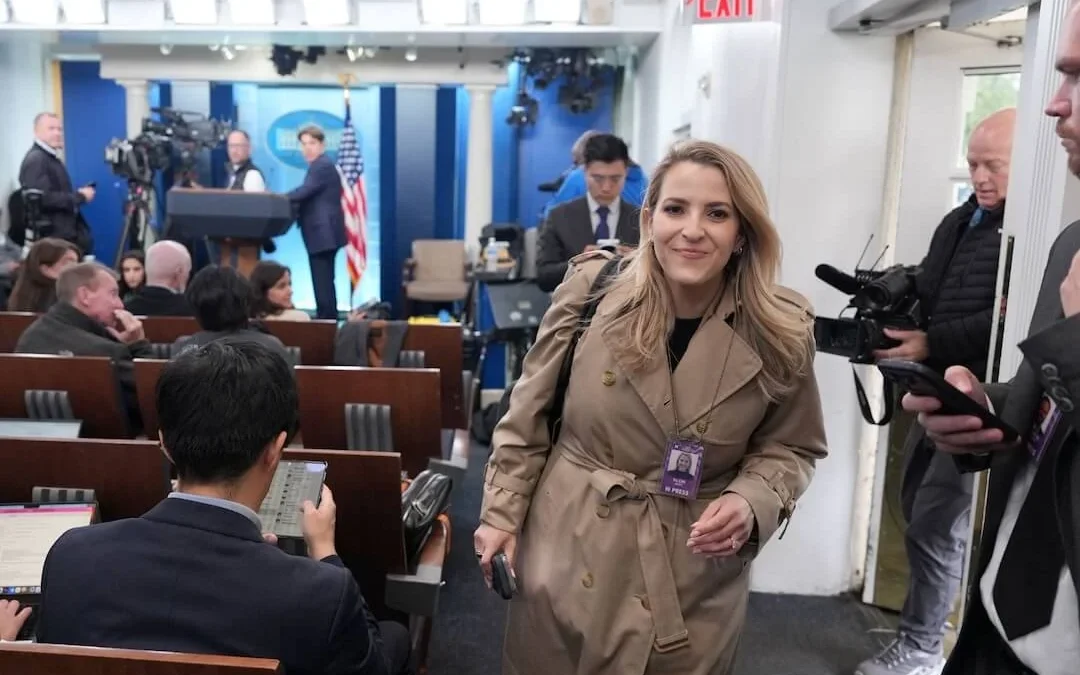
The relationship between the executive branch and the Fourth Estate reached a volatile inflection point this week, marked by a series of unprecedented legal maneuvers, administrative defiance, and a dramatic standoff at the gates of the White House. The conflict, which pitted the administration of President Donald Trump against major media outlets including CNN, MS NOW, and Politico, centered on the revocation of hard-pass press credentials and raised fundamental questions regarding the First and Fifth Amendments of the U.S. Constitution. While the matter was ostensibly resolved through a federal court order, the sequence of events has left observers, constitutional scholars, and media practitioners questioning the long-term norms governing presidential access and the transparency of the American government.
The Genesis of the Dispute
The friction began when the White House moved to strip specific reporters of their "hard passes"—the credentials that provide journalists daily access to the White House grounds. Administration officials initially framed the decision as a response to perceived hostility and a lack of decorum during press briefings. However, the move was widely interpreted by media organizations as a retaliatory action against outlets that had published critical investigative reporting.
By mid-week, the conflict shifted from political rhetoric to the courtroom. A federal lawsuit was filed, seeking an emergency injunction to restore the credentials of the journalists. The central legal argument was that the revocation of these passes, without notice or a formal appeals process, constituted a violation of the Due Process Clause of the Fifth Amendment and threatened the freedom of the press guaranteed under the First Amendment.
Chronology of a Disrupted Week
The timeline of the legal struggle underscored the intensity of the standoff:
- Monday: Reports emerged that the White House had begun revoking hard passes for select journalists from CNN, MS NOW, and Politico.
- Wednesday: U.S. District Judge Timothy Kelly presided over a hearing where the administration attempted to defend the revocations, citing broad discretionary authority over the White House grounds. The media’s legal team, led by Theodore J. Boutrous, countered that the government cannot use access as a tool for ideological punishment.
- Thursday, 12:00 a.m. – 3:00 a.m.: Judge Kelly issued a 14-day temporary restraining order, explicitly instructing the White House to "immediately return, reinstate, and restore" the credentials.
- Thursday, 7:00 a.m. – 12:00 p.m.: Despite the court order, journalists reported being turned away by security personnel at the White House gates. This period of non-compliance led to a secondary legal emergency request from the plaintiffs.
- Thursday, 12:00 p.m.: Following an intense period of confusion and conflicting reports from White House staff regarding the status of the badges, the affected journalists were finally permitted to enter the grounds.
- Thursday Evening: The tension persisted as reporters from the affected outlets were barred from covering a formal state dinner honoring Chinese leader Xi Jinping, signaling that the friction over access was far from resolved.
The Legal Framework: Due Process and the First Amendment
The legal victory for the media outlets rested on a narrow but significant interpretation of administrative law. Judge Kelly’s ruling focused heavily on the Fifth Amendment, emphasizing that the government failed to provide the plaintiffs with "notice and an opportunity to be heard." By bypassing standard procedures for credential revocation, the administration left itself vulnerable to a judicial challenge.
Legal experts note that while the White House possesses legitimate authority to set security protocols and manage the conduct of those on the grounds, that authority is not absolute. In the eyes of the court, the absence of a clear, objective criteria for the revocation of credentials made the administration’s actions appear arbitrary and capricious. The judge’s skepticism regarding the government’s attempt to pivot to "national security" as a justification for the ban—a claim that contradicted the President’s own public statements regarding the "truthfulness" of the reporting—served as a turning point in the proceedings.
Broader Implications for Press Freedom
The irony of the situation was not lost on the press corps or the public. The ban occurred simultaneously with the visit of Chinese President Xi Jinping. Critics pointed out that the exclusion of American journalists while international state-controlled media remained present created a damaging optical conflict for a country that prides itself on advocating for global democratic norms.
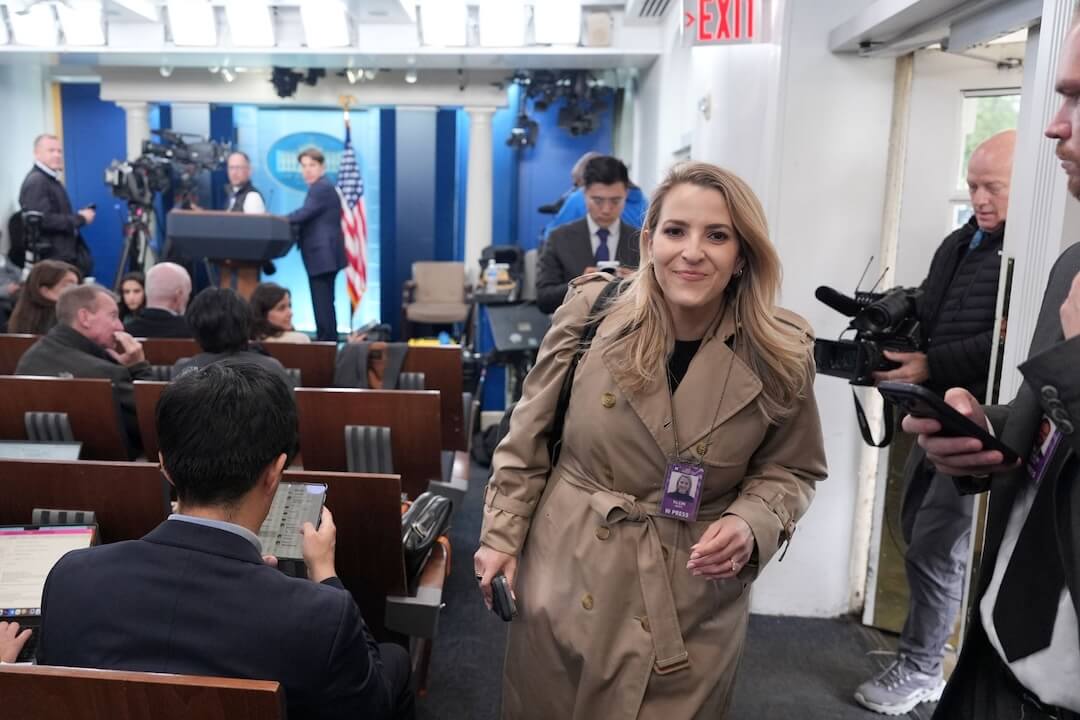
Theodore J. Boutrous, in a subsequent interview, characterized the government’s legal defense as alarming. He noted that the administration’s briefs appeared to argue for a diminished role for the press in holding power to account. "It is really shocking that that’s the position of the United States government," Boutrous stated, highlighting the danger of normalizing the exclusion of media outlets based on editorial content.
The incident has broader implications for how the public consumes information. The White House press pool serves as a vital conduit between the government and the citizenry. When the pool is restricted, the public’s ability to witness the president in action—whether at press conferences, public arrivals, or diplomatic events—is directly diminished. The suspension of the TV pool during the height of the Thursday morning chaos highlighted how fragile the logistics of accountability truly are; when one outlet is targeted, the entire collaborative structure of the press corps is disrupted.
Analysis of the Administrative Stance
The administration’s rationale, as articulated by press operations staff, attempted to frame the situation as a mere logistical transition. However, the delay in complying with the court order suggested a deeper institutional resistance. Even after the legal mandate was issued, the discrepancy between the administration’s claim that credentials were "back on" and the reality of reporters being blocked at the gate raised concerns about the internal coordination between the White House and the Secret Service.
Historically, the relationship between the White House and the press has been defined by a "tension of necessity." While presidents have often expressed frustration with the media, previous administrations generally respected the administrative process of credentialing as a neutral, security-based function. This week’s events represent a departure from that norm, moving the relationship into a more confrontational and overtly political sphere.
The Path Forward: Preliminary Injunctions
With the 14-day temporary restraining order in place, the legal battle is expected to move toward a hearing for a preliminary injunction. The administration will likely attempt to provide a more formalized rationale for the bans to satisfy the requirements of the Fifth Amendment. However, as Boutrous indicated, the President’s own frequent public comments regarding the "fake news" and "negativity" of these outlets provide a robust record that the ban was motivated by viewpoint discrimination, which is notoriously difficult to defend under First Amendment jurisprudence.
As the country looks toward the next stage of litigation, the episode serves as a case study in the resilience of democratic institutions. The judiciary, acting as a check on executive overreach, successfully intervened to maintain the status quo. Yet, the fact that such a intervention was necessary at all has sparked a national conversation about the fragility of the traditions that govern the interaction between the executive branch and the press. Whether this week marks a singular disruption or a new precedent for executive-press relations remains a subject of intense debate among political analysts and civil liberties advocates.
For now, the journalists have returned to their posts, but the atmosphere within the White House briefing room remains fraught. The events of this week have underscored that in the digital age, the freedom of the press is not merely a legal abstraction, but a daily, practical struggle that requires vigilance from both the courts and the institutions that report on the seat of American power.