The release of the iPhone 18 Pro and iPhone 18 Pro Max marks a critical juncture for Apple’s flagship smartphone strategy, yet initial market performance appears to be testing the company’s pricing and upgrade cycle assumptions. According to tracking data compiled by analyst Jeff Pu, early pre-order wait times for the latest Pro-series devices have been characterized as "lukewarm," suggesting a departure from the frenzied demand that historically defined the first week of iPhone availability. While Apple’s premium handsets typically see rapid stock depletion, the current data points to a more measured consumer response, influenced by a complex mix of macroeconomic factors, device specifications, and the anticipated arrival of a new, foldable competitor within the Apple ecosystem.
Analysis of Current Pre-order Data and Inventory Trends
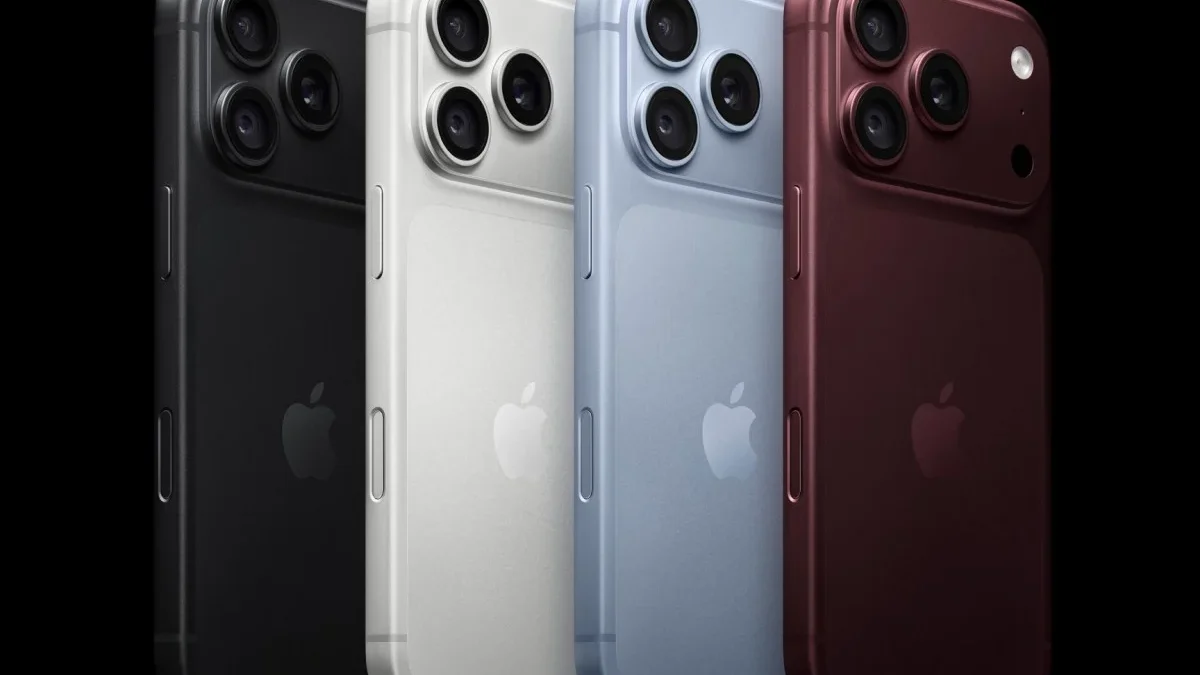
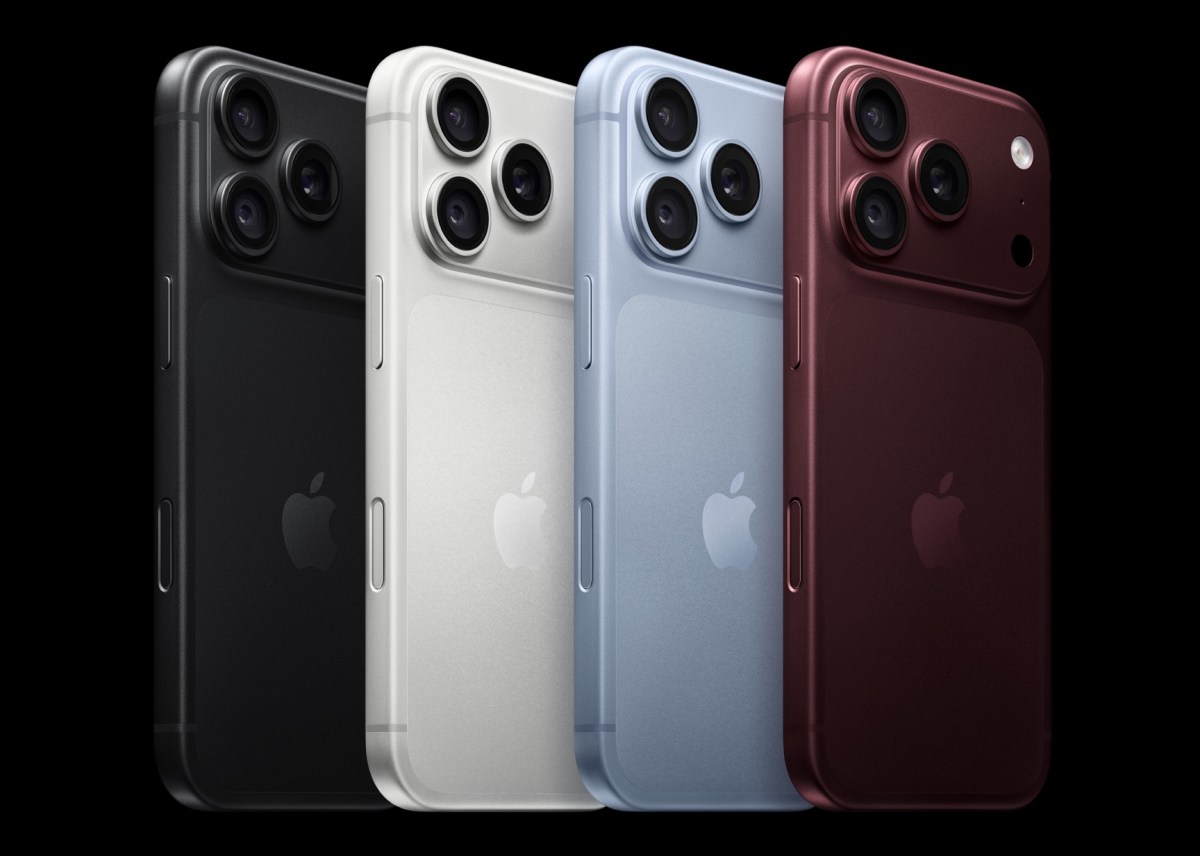
The granular breakdown of shipping estimates reveals a nuanced landscape of consumer preference. For the standard 256GB and 512GB configurations, most color variants are currently showing delivery windows of three to four weeks, indicating stable, albeit not overwhelming, demand. However, the market dynamics for higher-tier storage capacities—specifically the 1TB and 2TB models—tell a different story. These premium units are currently available for immediate dispatch in the Silver finish. Conversely, those opting for the Black or Glacier colorways face a one-to-two-week wait, while the new Burgundy option stands out as the clear market leader, commanding a three-to-four-week shipping delay.
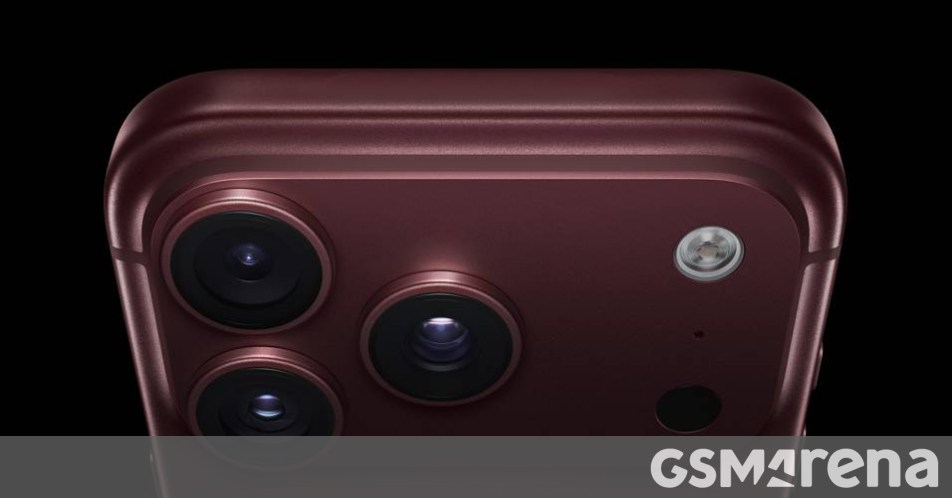
This distribution of wait times underscores a notable shift in aesthetic preference among Apple’s power users. The Burgundy color has emerged as the most sought-after choice, signaling that consumers are prioritizing unique visual identifiers for their latest upgrades. In contrast, the Silver finish appears to be losing its traditional cachet, as it currently lacks the supply-chain bottlenecks seen elsewhere in the lineup.
Chronological Context and Comparative Performance
To understand the gravity of these figures, one must look at the historical performance of the preceding generation. During the launch cycle of the iPhone 17 Pro Max, Apple witnessed significantly tighter inventory constraints. By September 13 of the previous year—merely 24 hours after pre-orders opened—shipping estimates for the 17 Pro Max had already stretched to three-to-four weeks. This rapid escalation occurred six days prior to the official retail availability date.
In contrast, the iPhone 18 Pro and 18 Pro Max pre-orders opened on September 12, with a scheduled in-store availability date of September 18. Despite being in the same general window of the calendar, the current generation has failed to mirror the aggressive demand curve of its predecessor. The comparison suggests that while the iPhone 18 series is not failing, it is failing to capture the same level of immediate "early adopter" urgency that has fueled previous Apple product launches.
Factors Influencing Consumer Sentiment
Several technical and strategic factors are likely contributing to the tempered demand. Industry analysts, including Jeff Pu, have pointed toward a perception of diminishing returns regarding incremental hardware upgrades. As the smartphone market reaches a plateau in terms of traditional form-factor innovation, consumers are becoming increasingly selective about when they choose to refresh their devices.
Furthermore, the physical profile of the iPhone 18 Pro series has been a point of discussion. The increased weight and size of these devices, combined with a premium pricing structure that reflects the current inflationary environment, have created a higher barrier to entry for the average consumer. When the perceived utility of the new internal specifications—such as marginal improvements in processor efficiency or camera sensor tweaks—is weighed against the financial cost, many potential buyers appear to be choosing to extend the lifecycle of their current handsets.
Perhaps the most significant external pressure on the iPhone 18 Pro’s performance is the impending launch of the "iPhone Duo." The industry is currently awaiting the debut of Apple’s first foray into the foldable smartphone market. For many enthusiasts and professional users who might otherwise have gravitated toward a Pro Max model, the prospect of an entirely new form factor offers a more compelling reason to hold back capital. The "Duo" represents a technological departure that many view as more innovative than the iterative updates found in the 18 Pro series, leading to a "wait-and-see" approach that is currently impacting standard Pro-series sales.
Strategic Implications for Apple’s Product Roadmap
The decision to delay the launch of the vanilla iPhone 18 and the anticipated "Air" model until next year has inadvertently shifted the entire burden of Q3 and Q4 revenue generation onto the Pro-tier devices. By staggering the release, Apple has created a unique window where the Pro models are the only new hardware available, yet they are competing against both their own legacy and the promise of future innovation.
Analysts continue to monitor these trends with heightened focus. The tracking of the iPhone 18 Pro (Max) will remain a primary metric for determining the health of Apple’s high-end hardware segment, but the narrative is expected to shift significantly next month. As the market pivots toward the introduction of the iPhone Duo, researchers will likely adjust their forecasts to account for how this new form factor cannibalizes or complements the existing flagship lineup.
The vanilla and Air models, originally slated for an earlier debut, are now critical components of Apple’s 2026 fiscal strategy. Because these models target a broader consumer base, their performance will be the true litmus test for Apple’s overall demand trajectory. For now, however, the "lukewarm" response to the 18 Pro series suggests that the premium segment of the market is currently experiencing a period of digestion—a pause in the rapid-fire upgrade cycle that has historically defined the iPhone business model.

Summary of Market Data and Retail Outlook
While the shipping times suggest a softer start, it is important to contextualize this within the broader retail strategy. Apple’s supply chain management has become increasingly efficient, and shipping windows are often as much a reflection of logistics optimization as they are of consumer demand. The availability of 1TB and 2TB models in Silver suggests that Apple may have over-allocated manufacturing resources to these high-capacity tiers in anticipation of a high-end demand surge that has not fully materialized.
As the September 18 availability date approaches, the industry will watch the retail brick-and-mortar performance closely. Online pre-order data only tells one side of the story; in-store traffic and the subsequent "walk-in" sales will provide a more comprehensive picture of the device’s market penetration. If the current trend persists, Apple may face pressure to adjust its marketing focus or incentive structures as it heads into the crucial holiday shopping season. For now, the message from the data is clear: the market is not rejecting the iPhone 18 Pro, but it is certainly acting with a level of caution that has not been present in recent years, signaling a more mature and discerning smartphone landscape.