The journey of establishing a digital agency often begins with an exhilarating rush, fueled by securing initial projects and the satisfaction of building something from the ground up. This early phase is typically a steep learning curve, marked by invaluable lessons in client management and financial stewardship. However, as the agency gains traction and client demand escalates, the initial excitement can quickly give way to overwhelming chaos. To-do lists balloon at an unmanageable pace, and unexpected crises, such as website malfunctions, can trigger immediate panic, leaving agency leaders questioning their capacity to keep up.
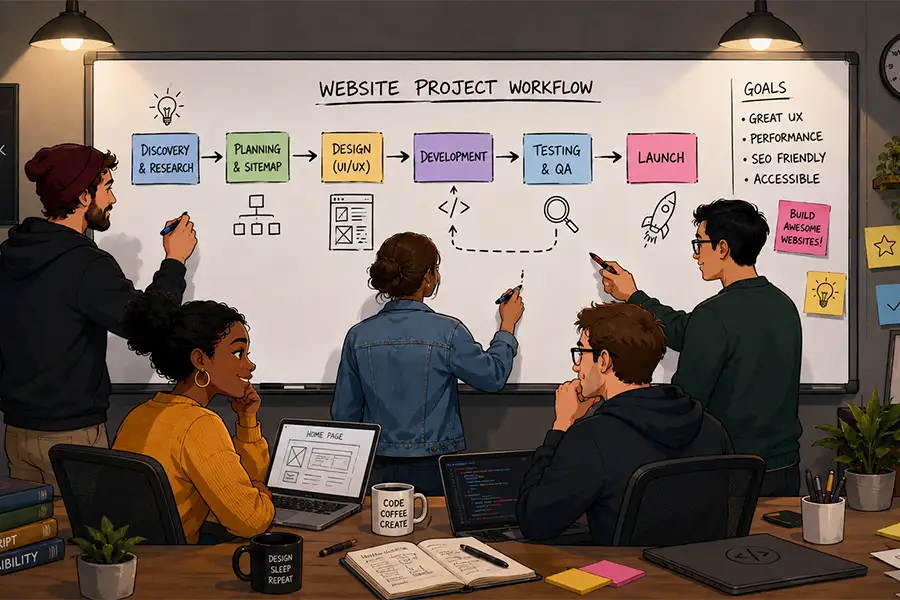
While hiring additional developers or project managers might seem like a logical solution, budget constraints often render this option impractical. This is precisely where the implementation of consistent, well-defined processes becomes a critical differentiator, transforming operational fluidity and mitigating daily turmoil. By establishing standardized workflows for recurring tasks, agencies can create a reliable framework for execution. Crucially, these processes are not static; they offer a platform for continuous improvement, leading to enhanced efficiency and a more predictable operational environment. The beauty of process creation lies in its broad applicability, extending to virtually any aspect of agency operations, from design and troubleshooting to client communications, and can be tailored to meet specific business needs. This article will delve into practical examples of how implementing such processes can bring much-needed consistency to various facets of an agency’s business.
Establishing a Foundation: The Strategic Choice of Themes and Plugins
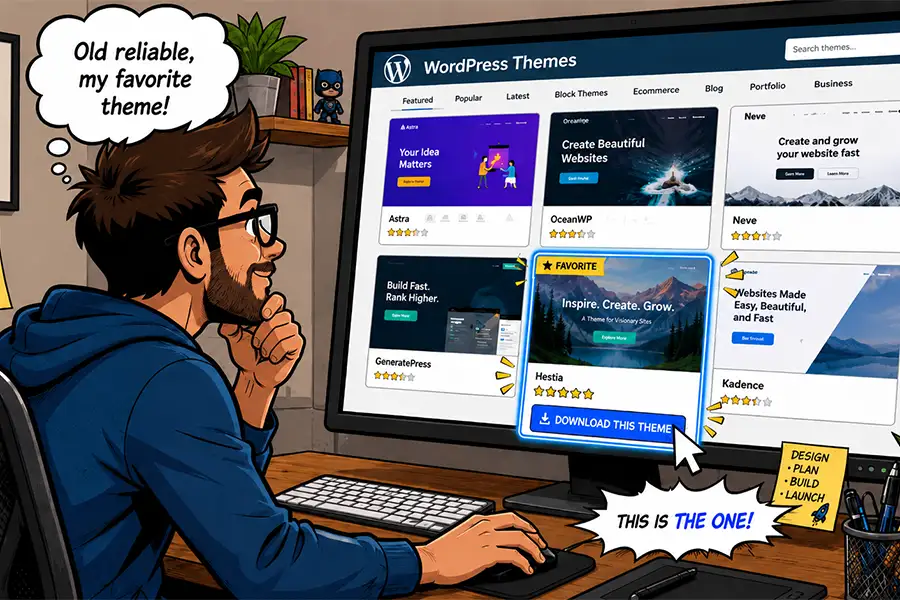
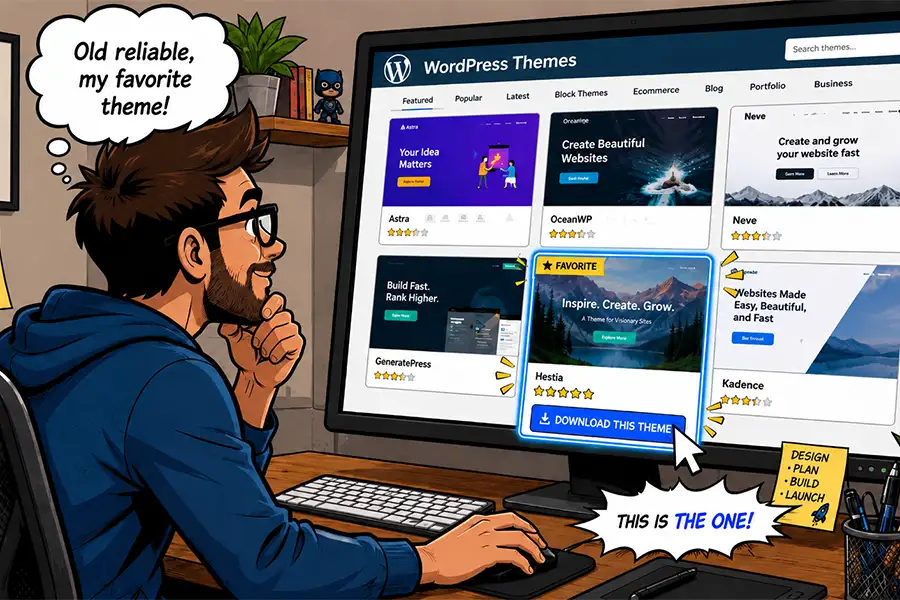
The initial phase of any design and development project hinges on the selection of a robust and adaptable theme. Many themes on the market either cater to highly specific niches or attempt to be all-encompassing, a duality that presents challenges for agencies serving diverse client industries. Niche themes limit flexibility, while overly broad themes can become bloated and complex, hindering scalability. For an agency aiming for consistent quality and efficient project delivery across a varied client base, a more strategic approach is required.
The ideal solution lies in identifying a foundational theme that can serve as a consistent starting point for all new projects. Starter themes, for instance, offer a balanced blend of essential features without imposing a rigid design aesthetic. This inherent flexibility empowers agencies to mold the design and functionality to precisely match client requirements, whether the project utilizes classic or block theme architecture. This foundational choice significantly reduces the time spent on initial setup and customization.
Complementing a well-chosen theme, standardizing the use of a single page builder plugin across all projects is equally vital. While the market offers a plethora of page builders, each with its unique strengths, the constant switching between tools incurs a significant learning curve. This diversion of resources into mastering new interfaces detracts from core development tasks and project completion. Furthermore, managing multiple commercial licenses for different page builders adds unnecessary complexity and financial overhead. A unified approach to page building streamlines workflow, enhances team proficiency, and simplifies future maintenance.
This principle of standardization extends to essential plugins that manage common functionalities such as forms, SEO optimization, and e-commerce capabilities. By curating a preferred set of tools for these recurring needs, agencies can foster predictable outcomes and cultivate deep expertise through repeated application. This strategic consolidation of tools and technologies minimizes friction throughout the project lifecycle, ensuring a solid and familiar starting point for every endeavor. This consistent technical foundation not only boosts efficiency but also enhances the quality and reliability of the final product delivered to clients.
Organizing the Agency Ecosystem: Streamlining Business and Client Management
As an agency’s client roster expands, so does the imperative for robust organizational structures. Inconsistencies in billing policies, contract formats, and communication protocols can quickly lead to administrative disarray. The adoption of appropriate tools and well-defined processes is paramount to bringing order to this growing complexity.
Simplification should be the guiding principle. This can be achieved by standardizing maintenance fees into clearly defined, tiered packages, utilizing a single, integrated application for all billing and invoicing needs, and centralizing client information within a dedicated Customer Relationship Management (CRM) system. The greater the degree of consolidation for these administrative tasks, the more efficient and less error-prone the agency’s operations will become.
Client communication represents another critical area ripe for simplification and standardization. While email may suffice for agencies with a very small client base, a dedicated ticketing system offers a more scalable and organized solution for managing client inquiries and support requests. Agencies can opt for external ticketing services or implement a system directly within their WordPress website, leveraging specialized plugins for customer support. Further enhancing this process, designating specific times of the day for responding to client messages can create predictable communication cadences and manage expectations effectively.
The agency’s internal to-do list and project management also demand rigorous organization. Without a structured approach, project management can devolve into a chaotic endeavor. A plethora of project management applications are available to help teams stay on track, or agencies can even develop custom solutions if resources permit. The core objective is to maintain clear visibility into the status of each project and to establish an easily accessible archive of notes and project documentation for future reference.
For agencies specializing in WordPress development, leveraging the platform itself to build an internal administration portal can be a highly effective and cost-efficient strategy. The availability of numerous free and low-cost options makes this approach budget-friendly. Such a portal can integrate various business functions, eliminating the need to navigate multiple external websites or manage a disparate collection of applications for day-to-day operations. This consolidated internal system streamlines workflows and provides a unified command center for managing the entire business.
The Enduring Impact: Cultivating an Efficient and Scalable Agency
The implementation of consistent processes acts as the catalyst for transforming a nascent agency into a finely tuned, high-performing operation. By adhering to standardized methodologies and utilizing a curated set of tools, agency professionals can dedicate more cognitive resources to strategic thinking and client-centric initiatives, rather than becoming bogged down by repetitive, low-value tasks. This focus on core competencies is the bedrock of sustainable growth.
Furthermore, these established processes serve as an invaluable training resource for new employees and contractors. A clearly documented workflow ensures that all team members operate with a unified understanding, minimizing confusion and accelerating the onboarding process. This consistency not only streamlines the integration of new talent but also directly contributes to faster and more efficient work execution.
To initiate this transformative journey, agencies should undertake a thorough examination of their current operational workflows. Identifying pain points, pinpointing particularly cumbersome or dreaded tasks, and analyzing where the majority of time is currently being invested are crucial first steps. This diagnostic approach will illuminate the most impactful areas for process improvement.
The initial investment in defining and documenting these processes may seem substantial, but the long-term benefits in terms of efficiency, reduced errors, improved client satisfaction, and enhanced scalability are undeniable. As the digital landscape continues to evolve at a rapid pace, agencies that embrace operational consistency will be better positioned to adapt, innovate, and thrive in an increasingly competitive market. This strategic commitment to process not only optimizes current operations but also builds a resilient foundation for future expansion and success. The ability to reliably deliver high-quality work, manage client expectations, and scale operations without sacrificing quality is a testament to the power of a well-implemented process-driven approach.