The digital marketing landscape is currently undergoing a profound transformation, with recent data highlighting an unprecedented reliance on artificial intelligence (AI) to inform critical strategic decisions. An astounding 88% of marketers now integrate AI into their daily workflows, a testament to its indispensable role in navigating the complexities of modern advertising. This shift is not merely a trend but a necessity, particularly as marketing automation demonstrates its capacity to generate 80% more leads and drive 77% higher conversion rates. With global ad spend projected to surpass $1 trillion for the first time in 2026, the sheer volume of data involved has rendered traditional manual management impractical, even for the most seasoned marketing teams. The era of "set it and forget it" marketing has decisively ended, replaced by a mandate for continuous, data-driven campaign optimization.
The Evolution of Marketing: From Guesswork to Algorithms
Historically, marketing relied heavily on creative intuition, broad demographic targeting, and often, educated guesswork. Campaigns were launched, run for a predetermined period, and then analyzed post-hoc. The advent of the internet and subsequently, digital advertising platforms, marked the initial shift, providing unprecedented access to user data and real-time performance metrics. However, even with these advancements, the sheer scale of information available quickly overwhelmed human capacity. Marketers found themselves grappling with disparate data sources, struggling to identify patterns, and slow to react to shifting consumer behaviors or campaign performance dips.
The current epoch, often termed the algorithmic era, is defined by the integration of AI and machine learning into every facet of the marketing lifecycle. This technological leap has moved the industry beyond mere data collection to sophisticated data interpretation and predictive analytics. AI algorithms can process vast datasets in seconds, identifying optimal targeting segments, predicting consumer responses, and dynamically adjusting campaign parameters. This evolution mandates a departure from reactive adjustments to proactive, system-driven optimization, allowing marketers to focus on overarching strategy while intelligent tools manage the intricate details of testing, targeting, and scaling.
Defining Campaign Optimization in the Algorithmic Era

Campaign optimization is a systematic, data-driven process designed to enhance the effectiveness and return on investment (ROI) of marketing efforts, particularly in digital advertising. It moves beyond a static campaign launch to embrace continuous analysis, refinement, and adaptation. The core objective is to ensure that every marketing dollar is utilized as efficiently as possible, maximizing key performance indicators (KPIs) such as click-through rates (CTRs), conversion rates, and cost per acquisition (CPA). This iterative process involves ongoing monitoring, A/B testing, audience segmentation, budget reallocation, and creative adjustments, all informed by real-time performance data. In essence, it transforms marketing from a series of discrete events into a dynamic, responsive ecosystem.
Foundational Pillars of Effective Campaign Optimization
Successful campaign optimization rests upon a structured approach, integrating strategic planning, agile execution, and rigorous measurement. These efforts can be broadly categorized into three interdependent pillars: Strategy and Data Alignment, Allocation and Testing, and Iteration and Measurement.
Pillar 1: Strategy and Data Alignment
This initial phase establishes the strategic bedrock for all subsequent optimization activities.
- Step 1: Set Clear Objectives. Defining specific, measurable, achievable, relevant, and time-bound (SMART) goals is paramount. Whether it’s increasing leads by 20% or improving CTRs by 15%, these objectives serve as the campaign’s guiding stars, providing a benchmark against which all performance is evaluated.
- Step 2: Analyze Audience Data. Deep understanding of the target audience is critical for precise messaging. This involves segmenting audiences by demographics, psychographics, behaviors, and preferences, allowing for hyper-targeted communication that resonates deeply. Advanced analytics tools can uncover subtle audience nuances, enabling more effective personalization.
- Step 3: Review Performance Metrics. Learning from the past is crucial for informing future strategies. A thorough examination of key indicators from previous campaigns—such as conversion rates, CPA, and revenue impact—provides invaluable insights into what worked, what didn’t, and why. This historical data acts as a foundational layer for predictive modeling and strategic adjustments.
Pillar 2: Allocation and Testing
Once the strategic framework is in place, the focus shifts to resource deployment and hypothesis validation.
- Step 4: Allocate Resources Wisely. Budget distribution across various channels must be strategic, informed by historical performance, projected returns, and the campaign’s specific objectives. Dynamic budget allocation, often powered by AI, ensures that funds are directed to the highest-performing channels and ad sets in real-time, optimizing spend for maximum impact.
- Step 5: Run A/B or Multivariate Tests. Experimentation is at the heart of optimization. Testing variations of headlines, visuals, ad copy, calls-to-action (CTAs), and landing page layouts reveals which elements genuinely resonate with the target audience. These tests provide empirical evidence for decision-making, moving beyond assumptions to data-backed improvements.
- Step 6: Monitor in Real-Time. Continuous monitoring through analytics dashboards is essential for tracking progress, identifying anomalies, and detecting performance fluctuations as they occur. Real-time oversight enables immediate intervention, allowing marketers to capitalize on opportunities or mitigate risks swiftly during the campaign’s flight.
Pillar 3: Iteration and Measurement
The final pillar emphasizes continuous refinement and comprehensive impact assessment.
- Step 7: Iterate Based on Insights. Campaign optimization is an ongoing cycle. Data-driven adjustments to creative assets, targeting parameters, and timing must be applied throughout the campaign’s lifecycle. This agile approach ensures the strategy remains responsive to evolving market conditions and audience feedback.
- Step 8: Measure Overall Impact. Upon campaign completion, a comprehensive comparison of final results against the original objectives is vital. This final measurement phase captures critical learnings, providing actionable intelligence that can be applied to all future marketing initiatives, fostering a culture of continuous improvement.
Tailored Optimization: Strategies Across Digital Channels
While the foundational steps of optimization are universal, their application varies significantly across different marketing channels. Effective marketers adapt their tactics to the specific environment and audience behavior inherent to each platform.
- Optimizing Paid Ads: This involves continuous bid management, dynamic creative optimization (DCO), audience refinement (e.g., lookalike audiences, custom audiences), ad scheduling, geo-targeting, and landing page experience optimization. A/B testing ad copy, visual assets, and CTAs is paramount, alongside monitoring quality scores and conversion rates to maximize return on ad spend (ROAS).
- Optimizing Email and Lifecycle Marketing: Key tactics include rigorous list segmentation, hyper-personalization of content and offers, A/B testing subject lines, sender names, email body copy, and CTAs. Send-time optimization, automated drip campaigns, re-engagement sequences, and cart abandonment flows are also crucial for nurturing leads and driving conversions.
- Optimizing Social and Content Programs: This involves analyzing engagement rates, reach, impressions, and follower growth. Content optimization focuses on identifying high-performing formats (e.g., video, infographics), ideal posting times, and relevant hashtags. Audience targeting for organic reach, influencer collaborations, and repurposing content across platforms also play significant roles.
Metrics: Guiding Decisions Across the Customer Journey
Effective marketing optimization requires a nuanced approach to metrics, aligning them with the specific stage of the customer journey. Applying a single set of metrics across all stages leads to misallocation of resources and wasted spend; instead, intent-aligned measurement is mandatory.
1. Awareness Stage (TOFU): Building Visibility
At the top of the funnel, the primary goal is broad exposure and initial brand recognition. Digital marketing optimization here focuses on maximizing reach and initial resonance.
- Social Media: Prioritizes cost-effective visibility through viral content, Reels, and broad targeting. Key metrics: Reach, Impressions, Shares, Video Views, Follower Growth.
- Search (Paid/Organic): Targets intent-light discovery via broad keywords. Main metrics: Impressions, Click-Through Rate (CTR), Search Volume.
- Email: Uses broad blasts or list-building tactics to establish re-awareness. Key metrics: Open Rate, Deliverability Rate, List Growth Rate.
- Display & Programmatic: Provides mass visual exposure for brand lift. Key metrics: Impressions, Reach, Frequency, Ad Viewability.
2. Consideration Stage (MOFU): Nurturing Evaluation
In the middle of the funnel, the strategy shifts toward fostering interaction and educating prospects to build trust and demonstrate value.
- Social Media: Moves toward stories, polls, and educational posts. Key metrics: Engagement Rate (likes, comments, saves), Direct Messages, Poll Responses, Time Spent on Content.
- Search: Targets mid-funnel keywords (e.g., "best [product] reviews," "how-to guides"). Key metrics: CTR (for informational queries), Time on Page, Bounce Rate, Pages Per Session.
- Email: Employs nurture sequences designed to educate the lead. Key metrics: Click-Through Rate (CTR) to content, Content Download Rates, Email Forwarding Rate.
3. Conversion Stage (BOFU): Driving Action
The bottom of the funnel is where marketing campaign efficiency is most visible, with a strict focus on closing the deal.
- Social Media: Utilizes shoppable posts and high-urgency CTAs. Key metrics: Conversions, Return on Ad Spend (ROAS), Cost Per Acquisition (CPA), Purchase Intent.
- Search: Captures high-intent searches to finalize the sale. Key metrics: Conversions, CPA, ROAS, Conversion Value.
- Email: Deploys promotional offers and cart abandonment flows. Key metrics: Conversions, Average Order Value (AOV), Customer Lifetime Value (LTV) (for initial purchase).
- Display: Executes the final retargeting push. Key metrics: Conversions, CPA, ROAS (for retargeting campaigns).
4. Retention & Loyalty: Post-Purchase Growth
Post-purchase, the focus shifts to fostering repeat buyers and brand advocacy through multi-channel efforts.
- Key metrics: Customer Acquisition Cost (CAC) (vs. LTV), Repeat Purchase Rate, Churn Rate, Referral Rate, Customer Satisfaction (CSAT) Scores.
Real-World Impact: Case Studies in Digital Marketing Optimization
Numerous businesses have achieved significant breakthroughs by implementing strategic digital marketing optimization. These real-world examples underscore the power of data-driven adjustments.
- Optimizing Landing Page Fit: The HostZealot Experience. Volodymyr Lebedenko, Head of Marketing at HostZealot, encountered a common issue: high click-through rates failing to translate into conversions. The challenge stemmed from a "message mismatch" where various ads, each with distinct value propositions, directed users to the same generic landing page. By reorganizing campaigns into intent clusters and developing specific landing page variants that mirrored the exact promise of each ad, HostZealot witnessed a 31% improvement in conversion rates and an 18% drop in bounce rates within five weeks. The key insight was the psychological alignment—visitors immediately found the narrative they clicked for, reducing friction.
- Targeting Urgency: Mobal’s Conversion Breakthrough. Oleksii Sosnovenko, a digital marketing expert at Mobal, faced a low conversion rate of 2.1% despite high traffic from keywords like "Japan eSIM." The issue was timing; users were often in an early research phase. Mobal shifted its strategy to target "arrival anxiety," focusing on localized, high-urgency searches (e.g., "eSIM for Tokyo airport"). This pivot resulted in a dramatic increase in conversion rate to 11.8%, demonstrating that narrowing the focus to the exact moment a consumer’s need becomes urgent significantly improves marketing campaign efficiency.
- Segmenting by Maturity: Emma’s Demo Rate Surge. Dirk Alshuth, CMO of emma, a platform for hybrid cloud environments, struggled with low demo requests despite significant traffic. Their ads were generalized, failing to differentiate between cloud beginners and seasoned infrastructure teams. By segmenting campaigns based on customer maturity, emma tailored messaging—simplicity and cost control for beginners, automation and governance for advanced users. This targeted approach increased demo conversion rates from 3.5% to over 6% within a month, proving that messaging effectiveness is amplified when it aligns with the customer’s journey stage.
- Reducing Friction: Brizy’s Simplified Signup. Dimi Baitanciuc, CEO and co-founder of Brizy, identified a bottleneck in their free-trial signups: a stagnant 9% conversion rate. The problem was an overly demanding signup form that requested extensive data too early. By stripping the form down to bare essentials (email and password), Brizy postponed secondary data collection until after the user accessed the product. This simple adjustment boosted signup conversion rates from 9% to 14%, a 55% increase in trial users from the same traffic volume. This case highlights that removing obstacles is often more impactful than adding incentives.
- Value-Focused CTAs: Ketch’s Lead Generation Boost. Colleen Barry, Head of Marketing at Ketch, observed a plateau in conversion rates for a high-value privacy compliance guide, stuck at 4%. The generic "Download Now" CTA lacked specific value. Ketch refined its strategy by replacing vague commands with benefit-driven language, changing the CTA to "Get the 2024 Privacy Compliance Checklist." This clarity, reinforced in the button text and surrounding copy, provided an immediate mental picture of utility. Within three weeks, the conversion rate climbed from 4% to 7.2%, nearly doubling lead generation without increased traffic spend.
Technological Enablers: Tools Accelerating Optimization
The complexity and speed required for modern campaign optimization necessitate powerful technological allies. Several platforms offer advanced functionalities that streamline processes, automate tasks, and provide deep insights.
-
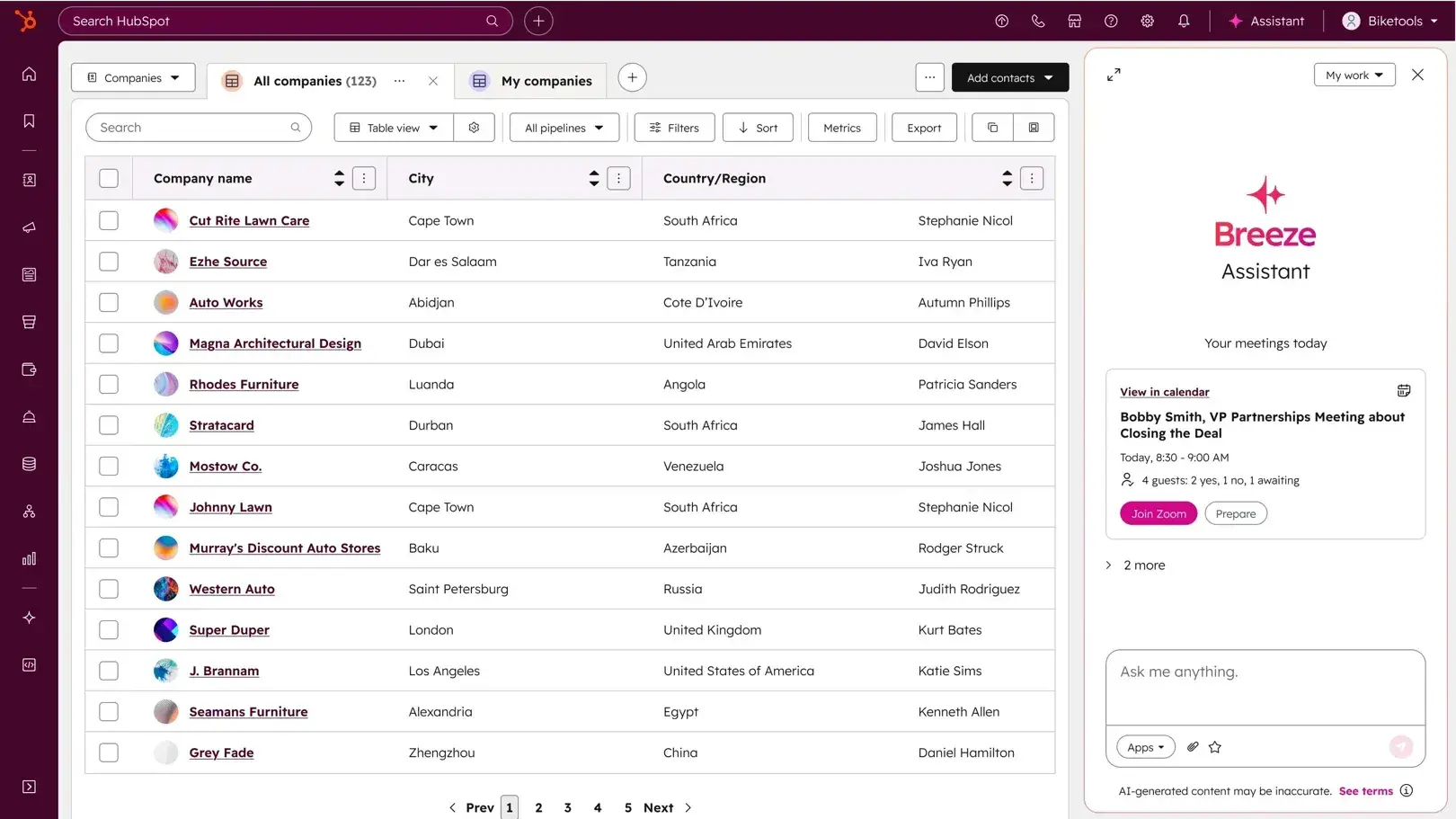
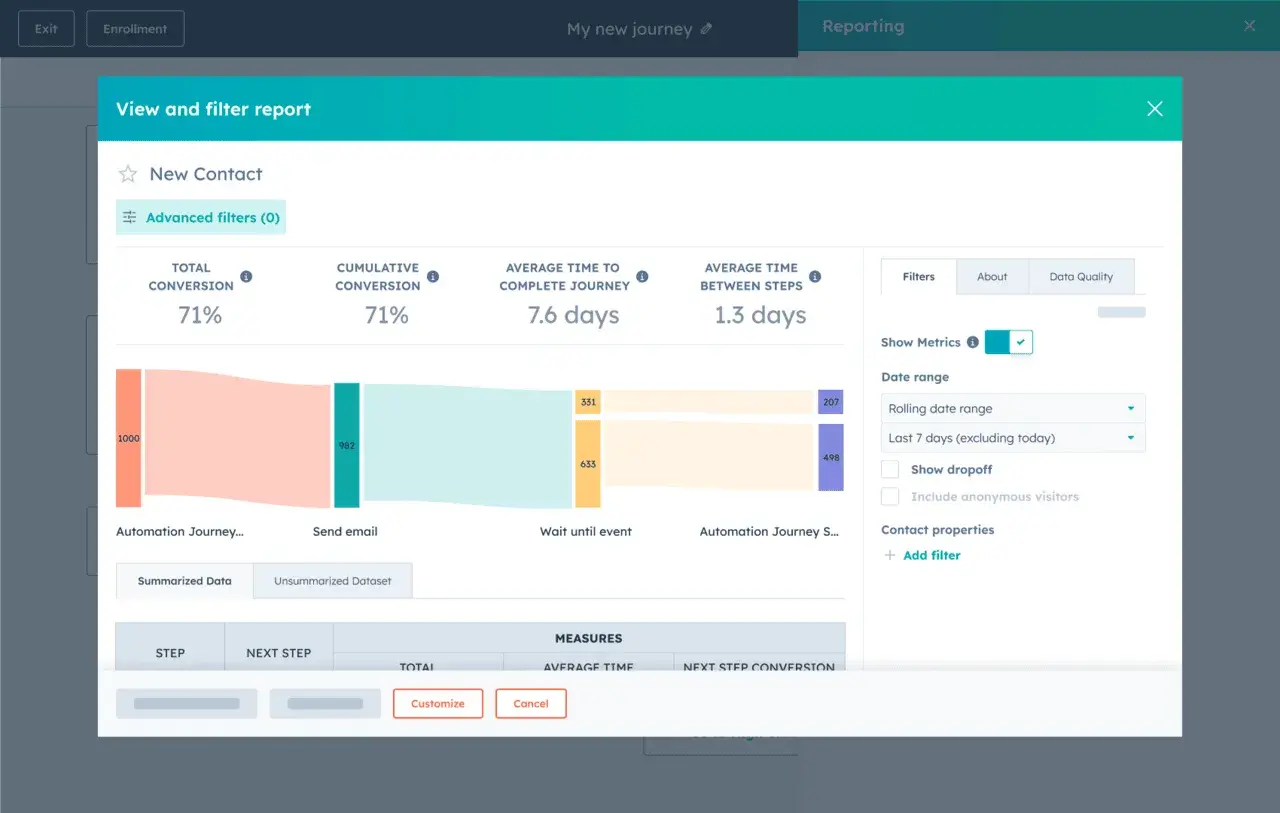
HubSpot Marketing Hub: Comprehensive Automation and AI. HubSpot’s Marketing Hub is a robust, all-in-one platform that unifies CRM, content management, sales, and marketing automation. Its AI-driven engine, Breeze, accelerates the content lifecycle by drafting, rewriting, and expanding copy across major channels, drawing from existing CRM data and brand guidelines. This capability allows marketers to generate numerous messaging variations for A/B testing in a fraction of the time, clearing creative logjams and speeding up the "plan, test, measure, scale, evolve" optimization loop. Furthermore, HubSpot’s Marketing Automation features, built on a unified CRM, leverage live customer data to trigger personalized actions based on real-world behaviors. This enables the creation of sophisticated drip campaigns that nurture leads at scale, significantly boosting qualified leads and shortening sales cycles without manual intervention. Users consistently praise its intuitiveness, massive time savings, and the seamless integration of marketing tasks with sales and content tools, making it an indispensable asset for both small teams and large enterprises.
-
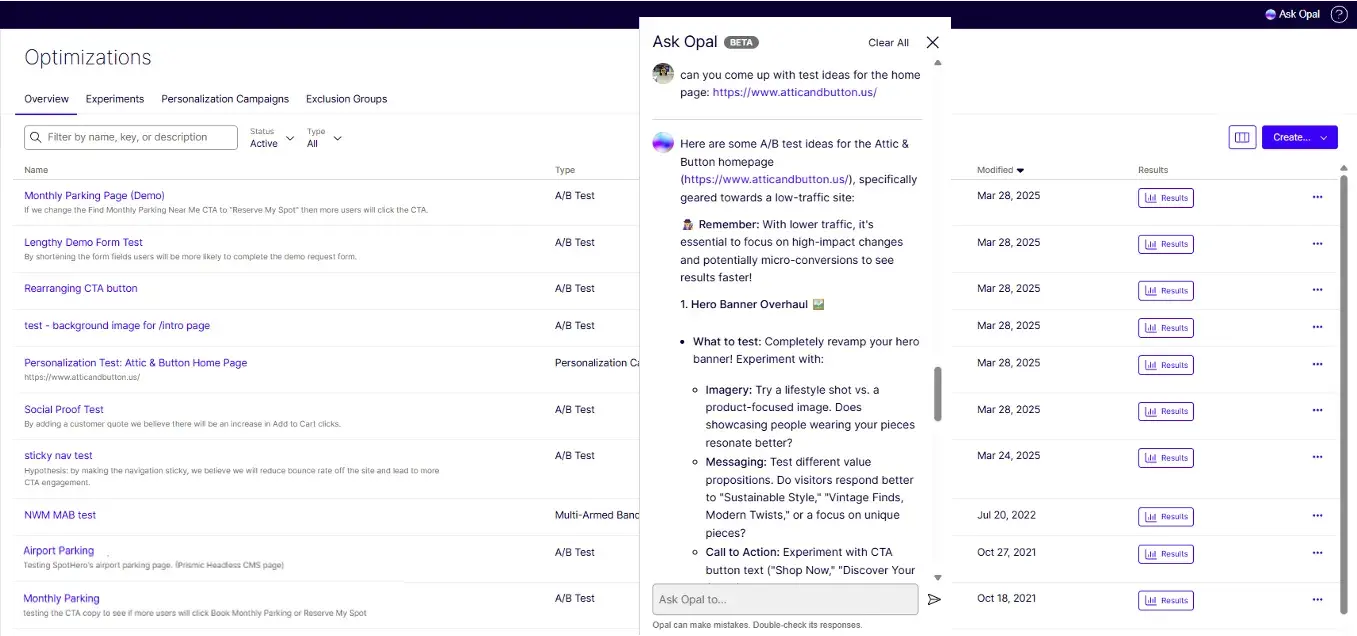
Optimizely: The Power of Experimentation. Optimizely stands as a premier experimentation platform, empowering marketers to maximize campaign performance through rigorous A/B and multivariate testing. It facilitates testing across websites, apps, and various digital touchpoints, allowing teams to precisely identify which elements resonate most effectively with their audience. Its visual editor simplifies the creation and launch of experiments, making it accessible even to non-technical users. Optimizely’s robust analytics provide statistical significance, ensuring that optimization decisions are based on reliable data rather than assumptions. While its pricing is customized, reflecting specific business needs, its core value lies in making data-driven personalization and continuous improvement achievable at scale.
-
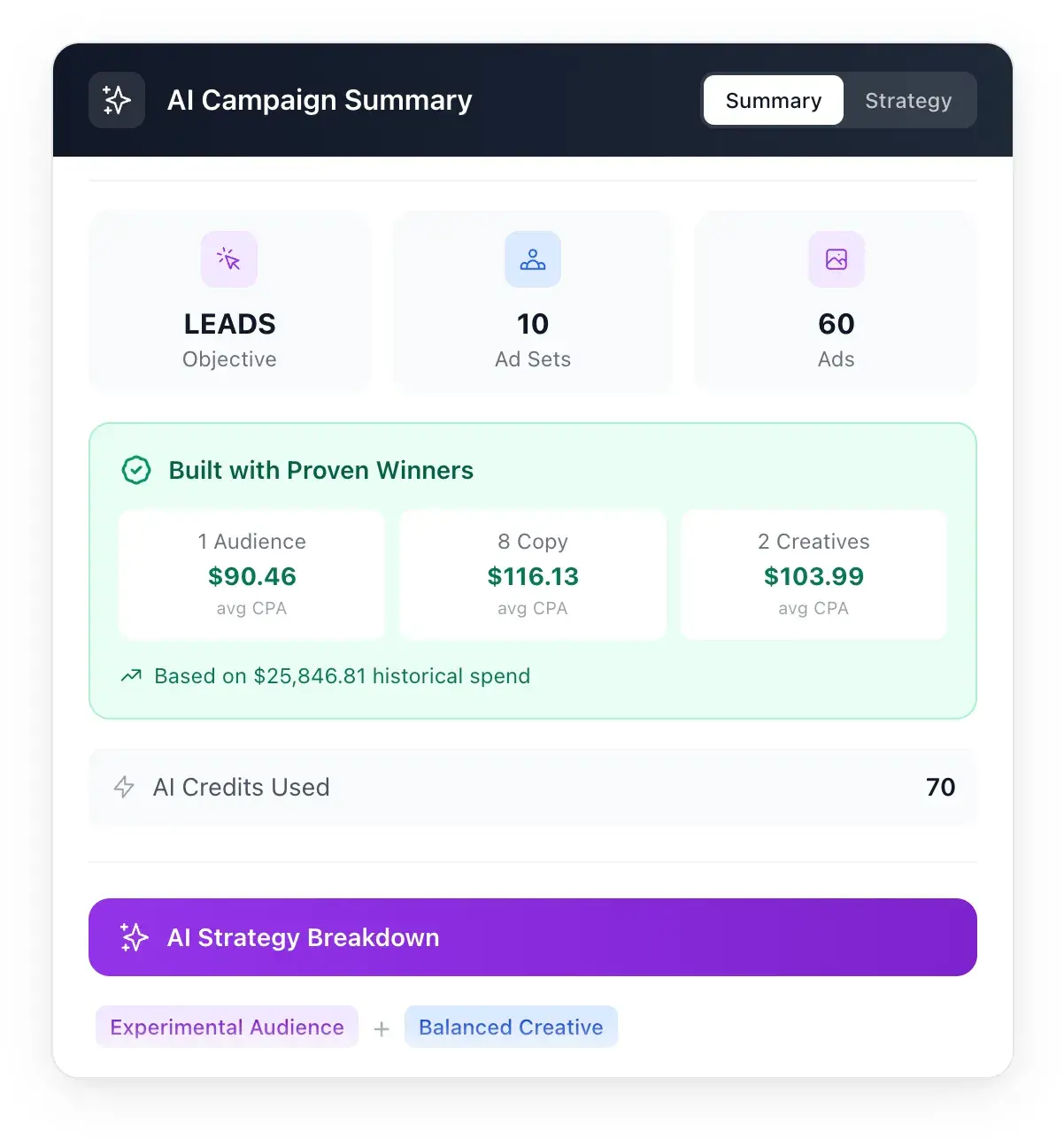
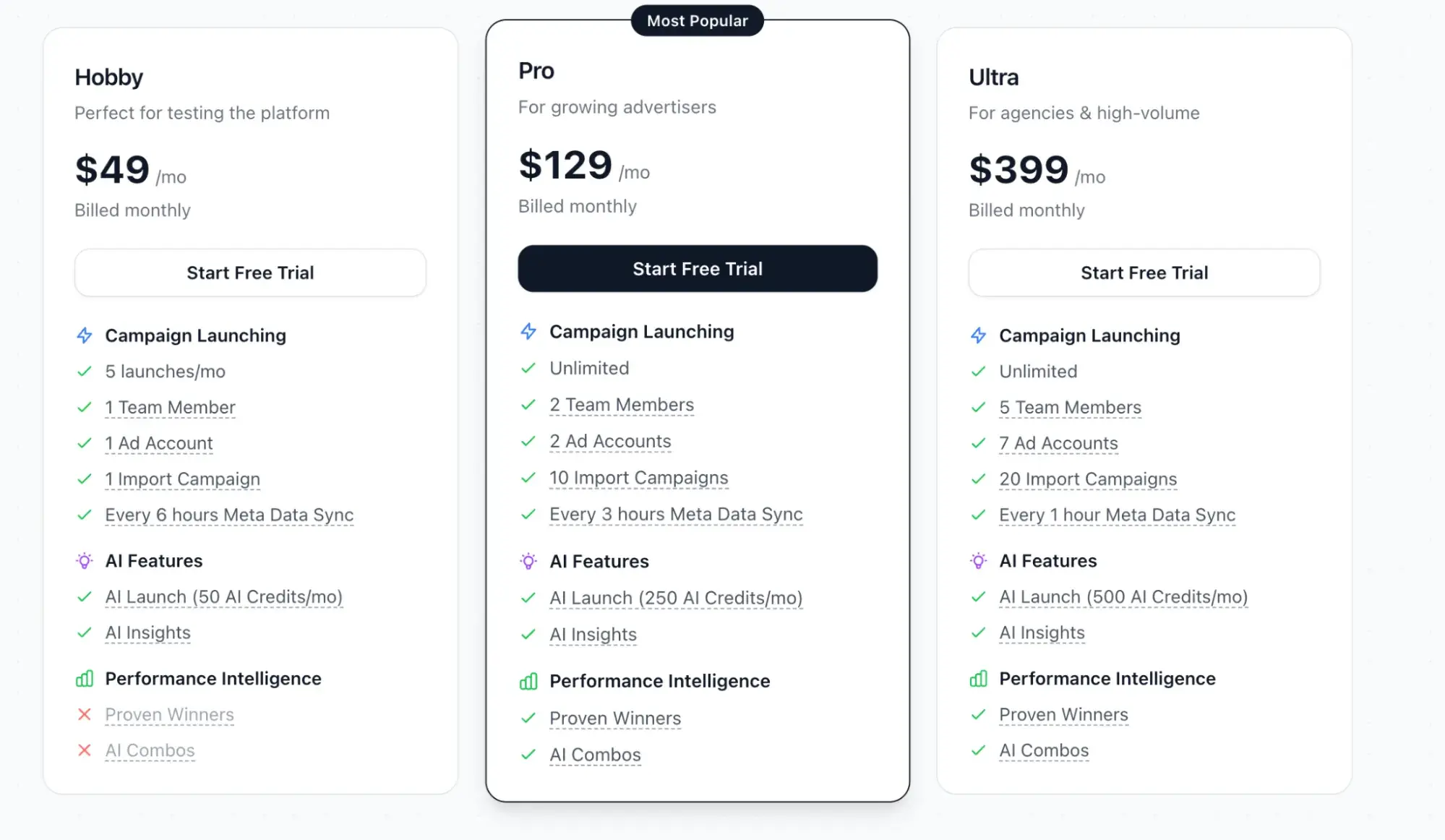
AdStellar AI: Autonomous Meta Campaign Building. AdStellar AI revolutionizes Meta ad campaign creation by providing an autonomous builder that plans, structures, and launches optimized campaigns in under 60 seconds. It deploys an "orchestra" of seven specialized AI agents to automate tasks typically consuming hours in Ads Manager. Key features include AI-driven audience targeting, creative generation, budget optimization, and a "Winners Hub" that automatically identifies and stores top-performing creatives and headlines. This allows marketers to rapidly scale successful elements into new campaigns, significantly reducing manual effort and accelerating the deployment of high-performing ads. Its tiered pricing model offers flexibility for various user needs, from hobbyists to large agencies, making advanced Meta campaign optimization accessible.
-
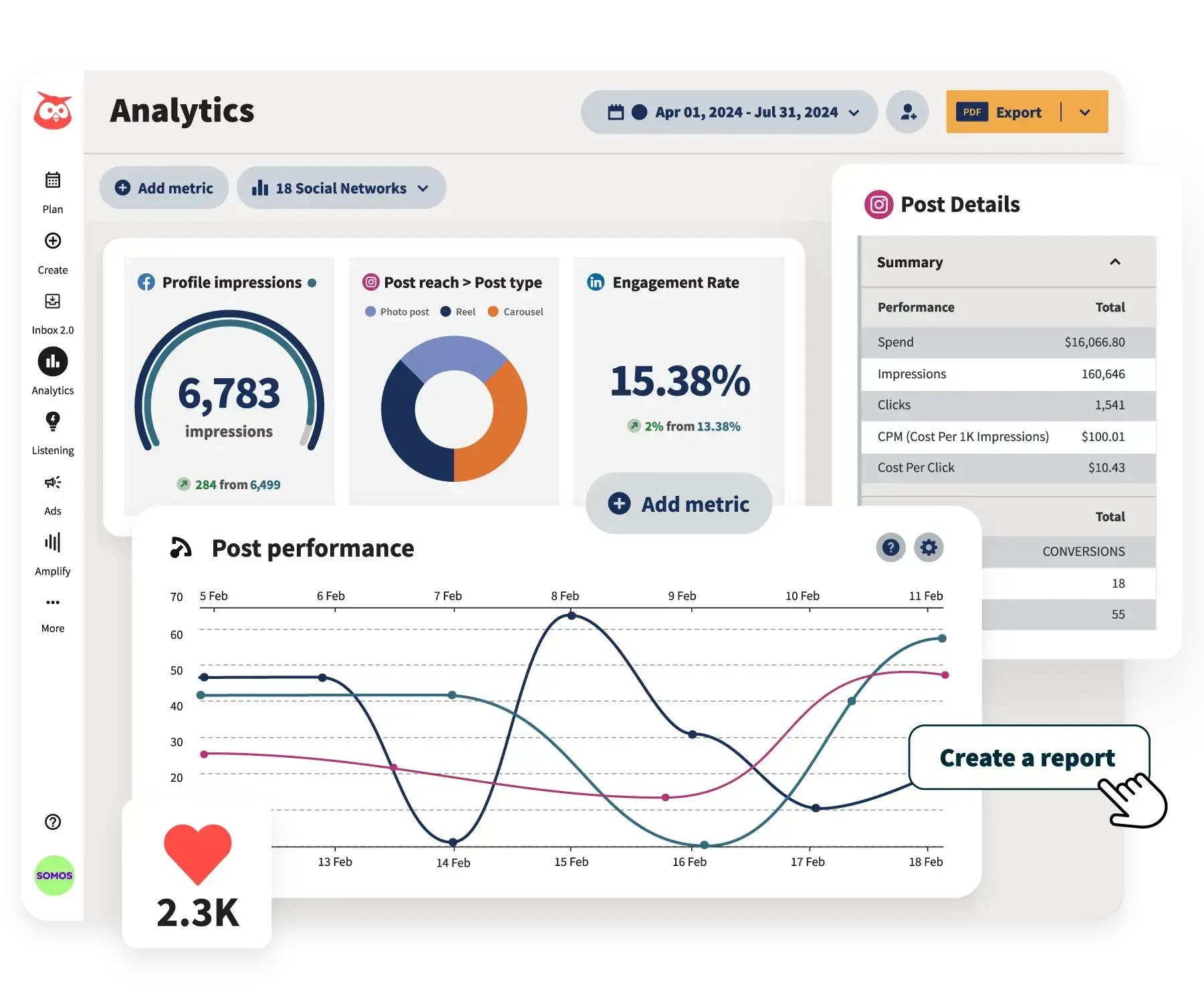
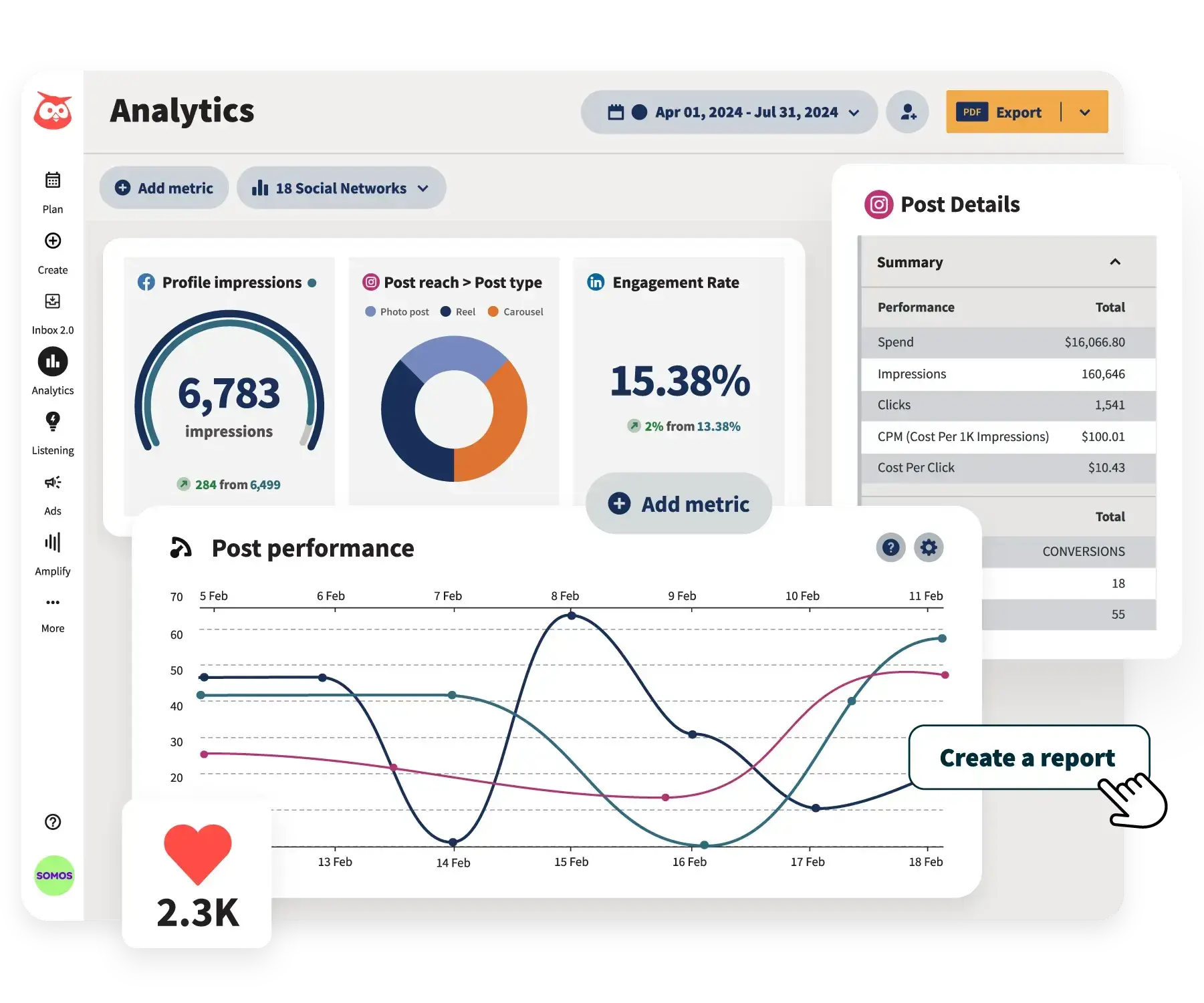
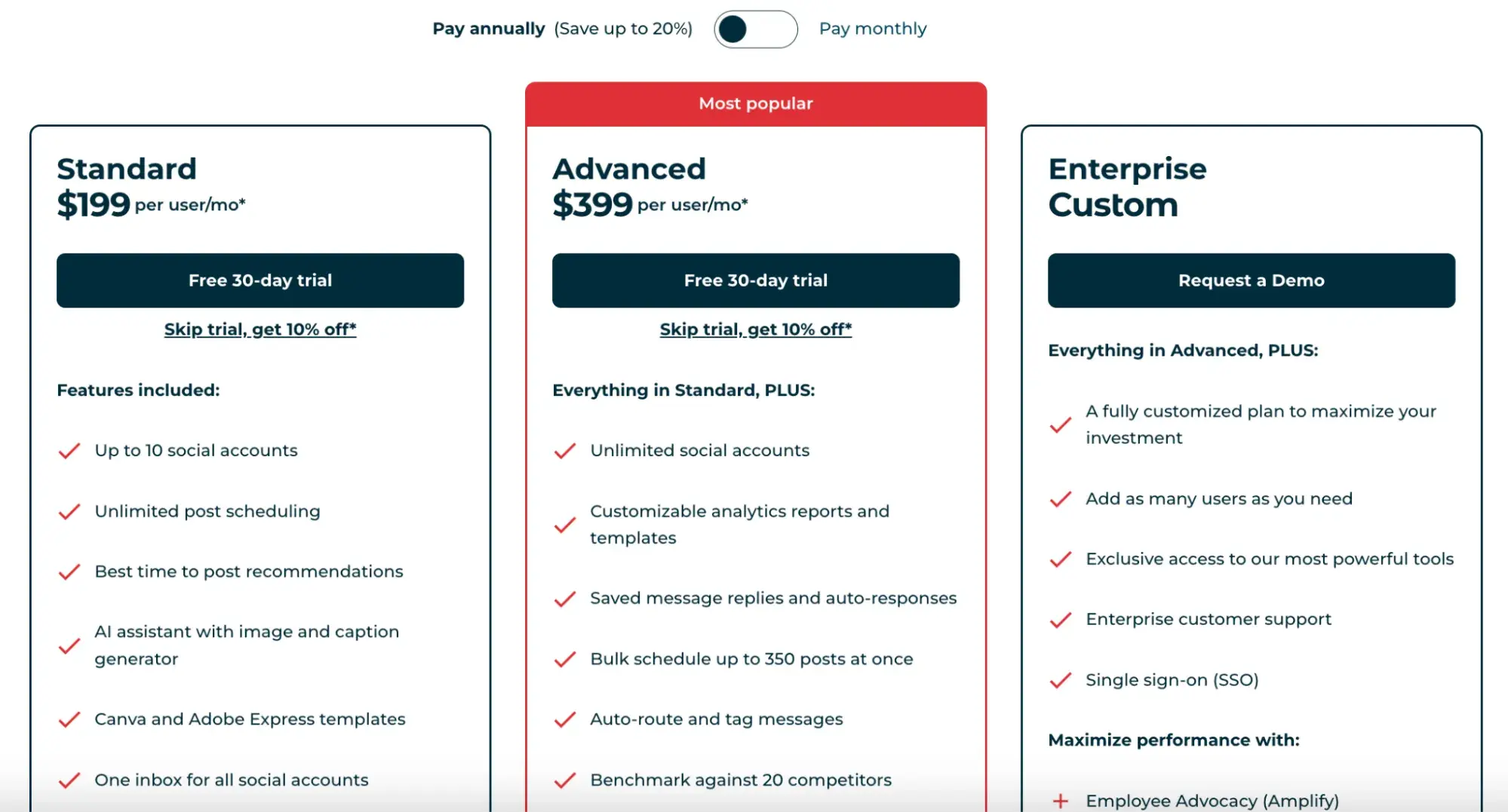
Hootsuite Analytics: Social Media Intelligence. Hootsuite Analytics provides a comprehensive, unified dashboard for tracking social media performance across all major networks, including Facebook, Instagram, TikTok, X (Twitter), LinkedIn, Pinterest, YouTube, and Threads. It covers organic, paid, and earned content, offering hundreds of distinct metrics. The platform eliminates the need to jump between native social platforms, centralizing data for holistic campaign impact assessment. Hootsuite’s AI-driven recommendations, such as optimal posting times and content repurposing suggestions, add significant value by improving performance with minimal manual effort. Its bundled subscription plans offer scalable analytics capabilities, making it a powerful tool for social media strategists.
-
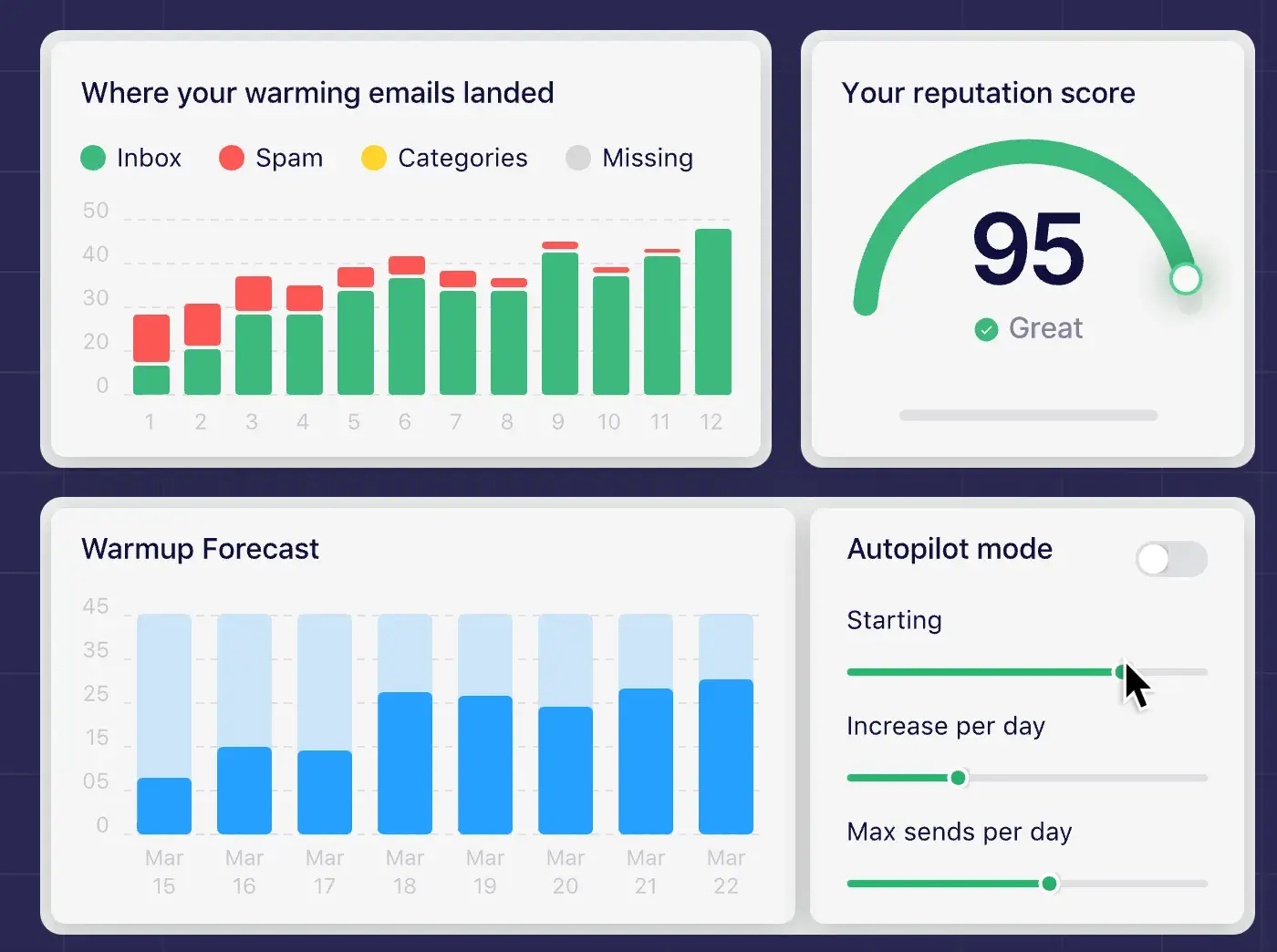
MailReach: Ensuring Email Deliverability. MailReach is a specialized platform dedicated to email deliverability, a critical yet often overlooked aspect of email marketing optimization. Its core function is to ensure that cold emails and marketing campaigns reach the intended inbox, rather than being filtered into spam. Through an automated warm-up process utilizing a network of real, high-reputation accounts, MailReach repairs and protects sender reputation. This directly translates to higher open rates, increased reply rates, and stronger overall ROI for email-driven initiatives. The "Autopilot mode" removes the hassle of manual monitoring, allowing marketers to focus on content and strategy while MailReach ensures their messages land where they matter most.
The Future Landscape: Implications for Marketers
The increasing integration of AI and automation into marketing signifies a fundamental shift in the role of the modern marketer. The days of tedious, repetitive tasks are waning, replaced by a demand for strategic thinking, creative oversight, and data interpretation. Marketers are evolving from executors to orchestrators, leveraging intelligent tools to amplify their impact. This continuous evolution necessitates ongoing learning and adaptability, as the competitive advantage will increasingly belong to those who can effectively harness these technologies to personalize experiences, optimize performance, and drive measurable growth. The future of marketing is not about replacing human ingenuity but augmenting it with unparalleled analytical power and efficiency.
Conclusion
Optimizing marketing campaigns is no longer an option but a continuous, iterative process essential for navigating the complex and data-rich digital landscape. Moving beyond a "set it and forget it" mindset enables marketers to significantly reduce customer acquisition costs, shorten sales cycles, and make faster, more accurate data-driven decisions. This involves a structured approach encompassing clear objective setting, meticulous audience analysis, agile resource allocation, rigorous A/B testing, and constant iteration based on performance insights. While the fundamental principles remain constant, their application must be tailored to the specific nuances of each marketing channel. Leveraging advanced marketing automation and AI tools, such as HubSpot’s comprehensive platform, Optimizely’s experimentation capabilities, AdStellar AI’s autonomous campaign building, Hootsuite’s social intelligence, and MailReach’s deliverability assurance, is crucial. These technologies streamline the optimization loop, handle the manual grind, and ultimately empower marketers to achieve superior results in this dynamic, algorithmic era.