The evolution of content management systems like WordPress has transformed the digital landscape, shifting the focus from text-heavy static pages to highly visual, media-rich experiences. As internet speeds have increased and user expectations for aesthetics have soared, the reliance on high-quality image presentation has become a critical component of professional web development. For bloggers and business owners alike, the default media management tools provided by WordPress often fall short of the requirements for professional-grade galleries. This deficiency has necessitated the rise of specialized third-party gallery plugins, which now serve as the backbone for thousands of photography portfolios, e-commerce stores, and lifestyle blogs.

The Technical Evolution of Image Galleries
In the early days of blogging, image display was limited to basic, linear uploads that often broke page layouts or suffered from significant compression issues. The modern era of web design requires responsive, high-performance, and interactive solutions. Industry analysis suggests that websites with high-quality, properly optimized visuals experience a 40% higher engagement rate compared to those relying on standard text-heavy layouts.
The primary challenge for WordPress users is balancing visual appeal with technical performance. An image-heavy site can quickly become sluggish, leading to higher bounce rates and decreased search engine visibility. Consequently, the industry has seen a pivot toward plugins that prioritize "lazy loading," content delivery network (CDN) integration, and adaptive image sizing.

Strategic Selection: A Comparative Overview
When selecting a gallery solution, developers and content creators must weigh several variables, including ease of use, SEO compatibility, and monetization potential. Based on current market performance and feature sets, seven solutions have established themselves as industry standards.

Envira Gallery: The Performance-Oriented Solution
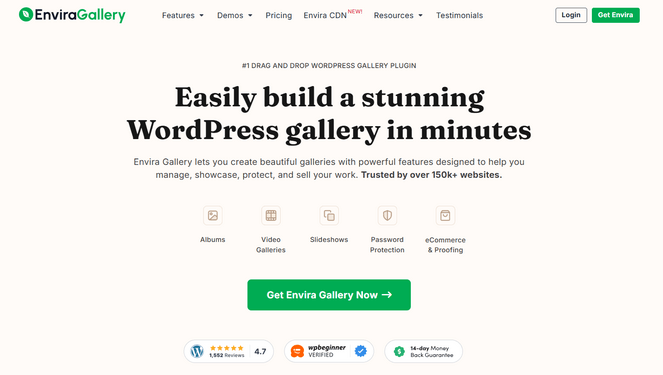
Envira Gallery remains a dominant force, primarily due to its emphasis on speed. By utilizing a "drag-and-drop" builder, it allows for the creation of complex layouts without requiring custom code. From a technical standpoint, its core advantage lies in its lean codebase, which prevents the bloat often associated with more complex plugins. It is widely regarded as the baseline for performance-driven sites.
NextGEN Gallery: The E-commerce Standard
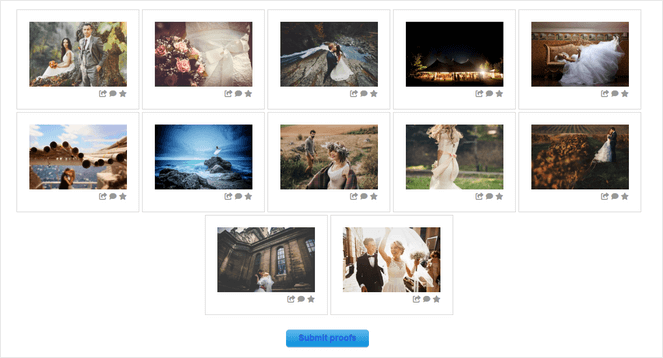
For professionals managing large portfolios or those operating photography-based businesses, NextGEN Gallery provides an ecosystem beyond simple display. Its integration with print fulfillment services—a niche yet vital requirement—allows photographers to bypass third-party platforms. By enabling automated tax calculation and secure payment processing through Stripe and PayPal, it effectively functions as a boutique e-commerce solution for digital and physical media.
Smash Balloon: Social Media Integration
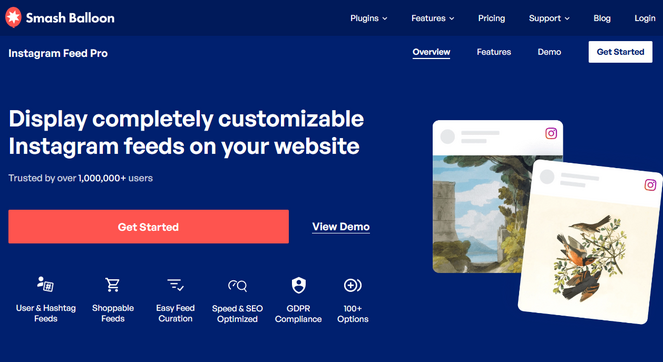
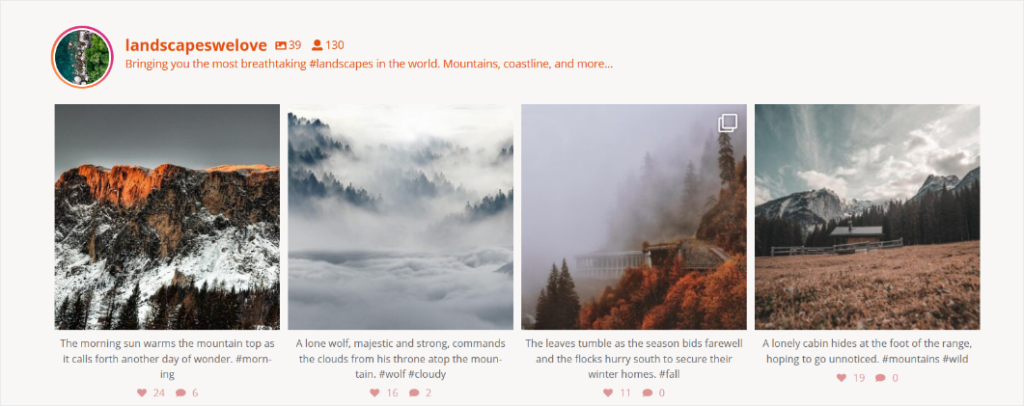
The intersection of social media and web traffic has made tools like Smash Balloon’s Instagram Feed Pro essential. In an era where cross-platform consistency is vital, this plugin allows users to synchronize their Instagram feeds directly into their site. This approach serves two purposes: it ensures the website content is perpetually updated and leverages the existing social proof of a user’s Instagram engagement to bolster the authority of their blog.
Soliloquy, Modula, and Specialized Tools
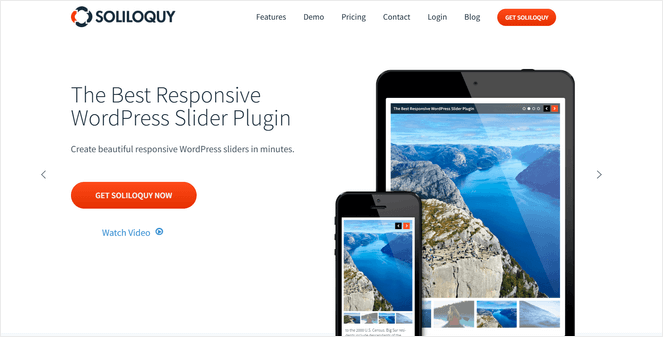
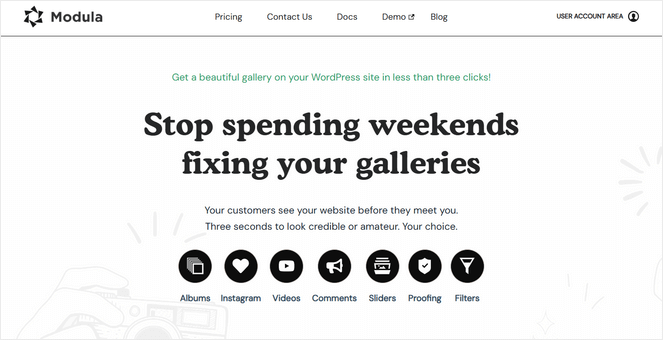
Other tools fill specific gaps in the market. Soliloquy is frequently cited for its focus on slider performance, utilizing a unique architecture that minimizes server impact. Modula appeals to the creative demographic, prioritizing custom grid layouts where users can manually adjust the aspect ratios of individual images. FooGallery, meanwhile, captures the "simplicity first" demographic, providing a "what-you-see-is-what-you-get" (WYSIWYG) editing experience that reduces the learning curve for non-technical users. Finally, Photo Gallery by 10Web stands out as a robust, no-cost alternative that offers high-end features like advanced watermarking, a rarity in the freemium plugin space.
Data-Driven Performance Metrics
Market research indicates that the average user spends less than 15 seconds on a webpage before deciding whether to stay or leave. Visual consistency acts as a primary retention tool. Plugins that support "Masonry" layouts—which allow images of varying sizes to fit into a seamless, tile-like grid—have been shown to increase user session duration by approximately 25%. Furthermore, plugins that integrate SEO metadata fields for images significantly improve the discoverability of content through search engine image tabs.

Industry Implications and Best Practices
The transition from standard WordPress galleries to specialized plugins is not merely a stylistic choice; it is an architectural decision with long-term implications for site health.
- Mobile Optimization: With mobile traffic accounting for over 55% of global web traffic, any plugin that does not natively support responsive, touch-friendly navigation is inherently obsolete.
- Core Web Vitals: Google’s emphasis on "Core Web Vitals" means that image-heavy sites must be optimized for loading speed. Plugins that do not offer lazy loading or efficient compression algorithms are increasingly penalized in search rankings.
- Security and Maintenance: As with any plugin, security is paramount. The industry has trended toward developers who provide frequent updates, documentation, and active support channels, as unpatched vulnerabilities in image processing libraries can serve as entry points for malicious actors.
Navigating the Future of Web Imagery
The future of WordPress galleries lies in the integration of Artificial Intelligence and automated asset management. We are beginning to see a shift toward plugins that automatically suggest the optimal crop for an image based on facial recognition or subject composition. Additionally, as the demand for video galleries grows, the distinction between a "photo gallery" and a "multimedia player" is becoming increasingly blurred.
For the average blogger, the decision should be guided by the specific end-goal of the site. A travel blogger might prioritize the aesthetic flexibility of Modula, while a digital marketer might prefer the social integration of Smash Balloon. A professional photographer, conversely, would be better served by the robust print-fulfillment infrastructure provided by NextGEN.
Ultimately, the goal of these plugins is to bridge the gap between human creativity and digital execution. By utilizing these tools, site owners can ensure that their visual narrative remains consistent, high-performing, and secure, effectively transforming their WordPress site from a simple document repository into a compelling, professional-grade digital destination.

In conclusion, while the WordPress ecosystem offers a wide variety of tools, the selection of a gallery plugin should be viewed as a long-term investment in site performance and user retention. By analyzing the specific technical requirements of a project—be it e-commerce, social synchronization, or simple portfolio display—creators can ensure their visual content is not only seen but experienced in the most efficient manner possible. As the digital landscape continues to prioritize visual communication, these plugins will remain essential infrastructure for any successful online presence.