The burgeoning field of digital marketing often presents a labyrinth of strategies, making it challenging for content creators and businesses to ascertain the most effective starting point. While the allure of intricate keyword research, in-depth Google Analytics scrutiny, and complex backlink acquisition strategies is strong, a foundational skill consistently proves paramount for increasing organic traffic: crafting an SEO-optimized blog post. This guide outlines a methodical, professional 6-step process, refined through extensive client work, designed to equip content practitioners with the capabilities to produce high-ranking material. By adopting this framework, individuals can expect to significantly enhance their ability to conduct thorough keyword research, discern precise search intent, execute competitive content analysis, formulate compelling angles and headlines, construct robust content outlines, and meticulously optimize their posts for superior search engine performance.
The Cornerstone of Digital Visibility: Strategic Keyword Research
Effective SEO content writing commences with robust keyword research, a critical step that determines the relevance and discoverability of content. This phase necessitates understanding two primary dimensions: identifying the specific search queries prevalent within a given niche and assessing the competitive landscape to distinguish attainable keywords from those dominated by high-authority domains. Industry data consistently shows that pages ranking in the top three positions for a search query capture over 50% of all clicks, underscoring the absolute necessity of precise keyword targeting.

The selection of an appropriate keyword research tool is an initial strategic decision. While industry-leading platforms such as SEMrush and Ahrefs offer comprehensive functionalities, including site audits, backlink analysis, and extensive keyword databases, their subscription costs, often exceeding $100 per month, can be prohibitive for nascent businesses or individual practitioners. For those embarking on their SEO journey, more accessible alternatives like Neil Patel’s Ubersuggest, priced at approximately $29-$49 per month for individual or business plans, provide a viable entry point, often featuring attractive lifetime subscription options. Google Keyword Planner, a free tool, also serves as a valuable resource for identifying search volumes and related keywords, though it typically offers less granular competitive data. This guide will reference Ubersuggest for illustrative purposes, reflecting its accessibility for emerging content creators.
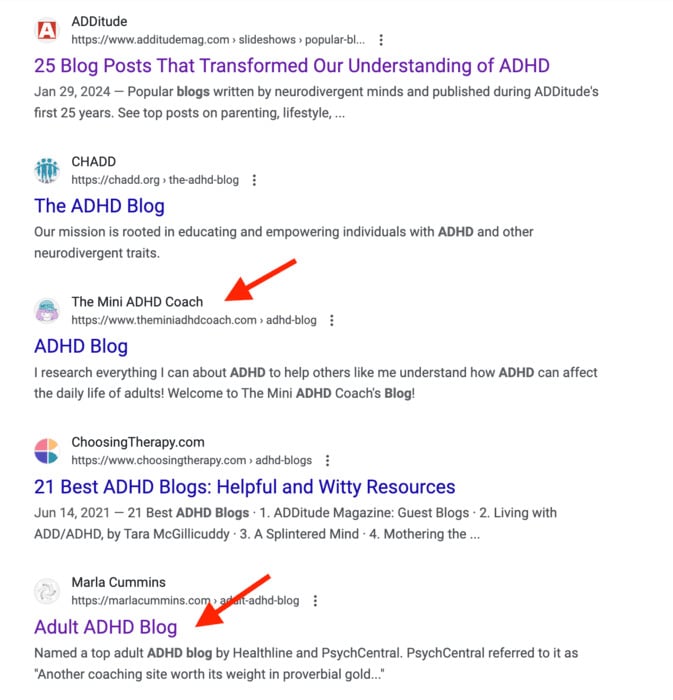
A highly efficient method for sourcing relevant keywords involves analyzing the strategies of successful competitors. For instance, in the niche of ADHD coaching, specifically targeting women, an initial content strategy would involve identifying popular ADHD blogs and extracting their top-ranking keywords. Competitor identification can be achieved through several avenues: direct Google searches for broad niche terms (e.g., "ADHD blog"), utilizing the "Competitors" feature within SEO tools, or examining "People Also Ask" and "Related Searches" sections on Google’s Search Engine Results Pages (SERPs). The objective is to pinpoint niche-specific blogs, distinct from large health portals or news aggregators, that demonstrate a consistent output of high-quality content. Compiling a list of 5-10 such competitors provides a solid foundation for subsequent keyword analysis.
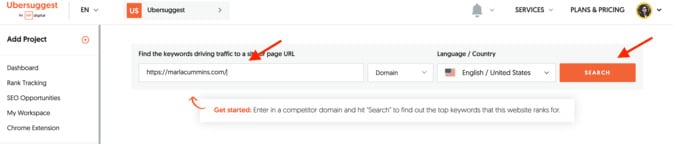
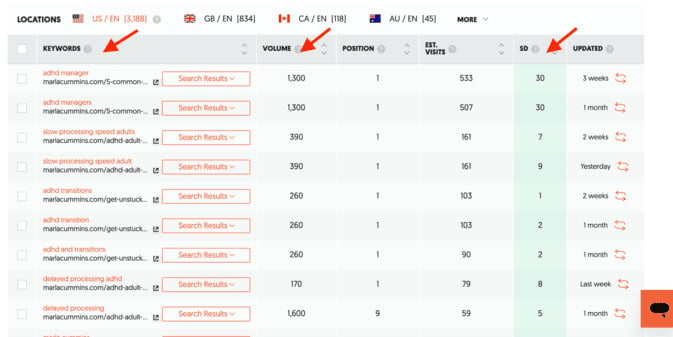
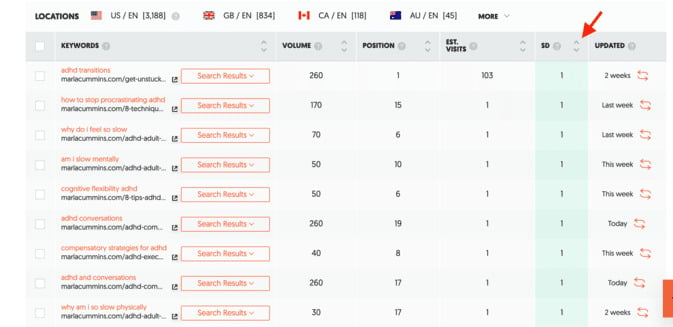
Once a competitor list is established, individual sites can be plugged into a chosen keyword research tool, such as Ubersuggest’s "Keywords by Traffic" feature. This reveals the keywords for which the competitor’s domain currently ranks. The analysis then focuses on three key metrics: the keyword itself, its estimated search volume, and its SEO Difficulty (SD) score. The strategic imperative is to identify keywords with a low SD score, indicating less competition and easier ranking potential, coupled with significant search volume, signifying audience interest. Sorting keywords by lowest SD first often uncovers valuable opportunities. For a new blog, even a monthly search volume of 170 can be significant, particularly if the keyword is highly relevant and addresses a core client need, such as "how to stop procrastinating ADHD." This systematic approach ensures that initial content efforts are directed towards terms with the highest probability of ranking and attracting targeted organic traffic.
Deciphering Search Intent: Aligning Content with User Needs
Following keyword selection, the pivotal next step involves uncovering the underlying search intent. Search intent, or user intent, represents the "why" behind a search query – what information, product, or action the user is seeking when they type a particular phrase into a search engine. Google’s algorithms, including advanced systems like RankBrain, BERT, and MUM, are increasingly sophisticated at discerning and prioritizing content that most accurately fulfills this intent, making it a critical factor for ranking success. Content that fails to align with user intent, regardless of keyword density, is unlikely to rank.
Search intent generally falls into several categories:
- Informational: Users seeking answers to questions or general knowledge (e.g., "how to," "what is," "facts about"). This is the primary intent for blog content.
- Navigational: Users looking for a specific website or brand (e.g., "Facebook login," "Amazon").
- Transactional: Users intending to make a purchase or complete an action (e.g., "buy iPhone 15," "best SEO software deals").
- Commercial Investigation: Users researching products or services before making a purchase (e.g., "best laptops for students," "SEO tool reviews").
For blog content, the primary focus should invariably be on informational search intent. A keyword like "how to stop procrastinating ADHD" clearly signals informational intent, as the user is seeking guidance and solutions. Initial analysis of the SERPs for such a query, particularly the headlines of top-ranking articles, provides immediate insights into the type of information Google deems most relevant. For example, if top results predominantly feature titles like "5 Strategies to Overcome ADHD Procrastination" or "Understanding the Link Between ADHD and Procrastination," it indicates a demand for actionable tips and explanatory content. Google’s E-E-A-T (Experience, Expertise, Authoritativeness, Trustworthiness) guidelines further emphasize that content, especially in "Your Money Your Life" (YMYL) topics like health, must demonstrate genuine expertise and trustworthiness to satisfy informational intent.
However, a surface-level assessment is insufficient. A deeper dive is required to ascertain the specific information users are seeking within that informational query. This might involve understanding whether they need to confirm the association between ADHD and procrastination, or if they are primarily looking for concrete, actionable strategies. This refined understanding of search intent lays the groundwork for creating content that directly addresses the user’s implicit and explicit needs, thereby maximizing its potential for high rankings.
Strategic Competitive Analysis: Learning from Top Performers
Given Google’s preference for content that expertly matches search intent, a meticulous competitive analysis of top-ranking articles is indispensable. This process, often referred to as "competitive content analysis," involves systematically reviewing the top 10 results for a target keyword and extracting key insights. The goal is not imitation, but rather understanding the successful elements of existing content to inform and elevate one’s own. Studies have shown that pages analyzing top competitors often achieve higher rankings themselves, by identifying and filling content gaps.
During this analysis, critical data points to record include:
- Word Count: The average length of top-ranking articles, which often correlates with depth of coverage.
- Dominant Content Format: Whether the majority are "how-to guides," "listicles," "definitive guides," or "review articles."
- Main Headings and Subheadings: The structural elements and topics covered.
- Key Topics and Subtopics: The specific themes and points elaborated upon.
- Unique Angles or Perspectives: Any distinctive approaches taken by competitors.
- Content Gaps: Areas or questions not adequately addressed by current top performers, representing opportunities for differentiation.
- Media Usage: The types and frequency of images, videos, or infographics, which enhance engagement.
- Call to Actions (CTAs): How competitors guide users to further engagement or conversion.
Traditionally, this process involved manual reading and note-taking, which can be time-consuming. Modern content creators can significantly expedite this phase by leveraging artificial intelligence tools. Platforms like ChatGPT (with internet access) can perform a competitive analysis using a targeted prompt: "I’m writing a blog post targeting the keyword: [INSERT KEYWORD HERE]. Please conduct a competitive analysis of the top-ranking posts for this keyword. For each post, please include: word count, dominant content format, main headings and subheadings, key topics and subtopics, unique angles, and the type of media used. At the end of your analysis, please identify any content gaps among these competitors that my post could fill, and suggest ideas for unique value I can add." For AI models without direct internet access, such as Claude, the articles can be copy-pasted sequentially after an initial prompt confirming readiness. While AI offers remarkable efficiency, human discernment remains crucial for validating insights and ensuring accuracy.
It is imperative to strike a balance between emulating successful strategies and cultivating originality. Top-ranking posts often adhere to a specific format or cover a particular range of topics that satisfy search intent. Therefore, aligning with these general structural and thematic conventions is advisable. However, the objective is not to plagiarize but to infuse the content with a unique voice, fresh perspectives, and proprietary insights. This blend ensures the content is both algorithmically favored and uniquely valuable to the reader.
Formulating a Distinct Angle and a Compelling Headline
With a comprehensive understanding of keyword intent and the competitive landscape, the next step involves defining the content’s unique angle and crafting a headline that captures attention. The angle represents the specific perspective or approach taken to cover the chosen topic, serving as a differentiator in a crowded digital space.
Common content angles include:
- Definitive Guide: A comprehensive,