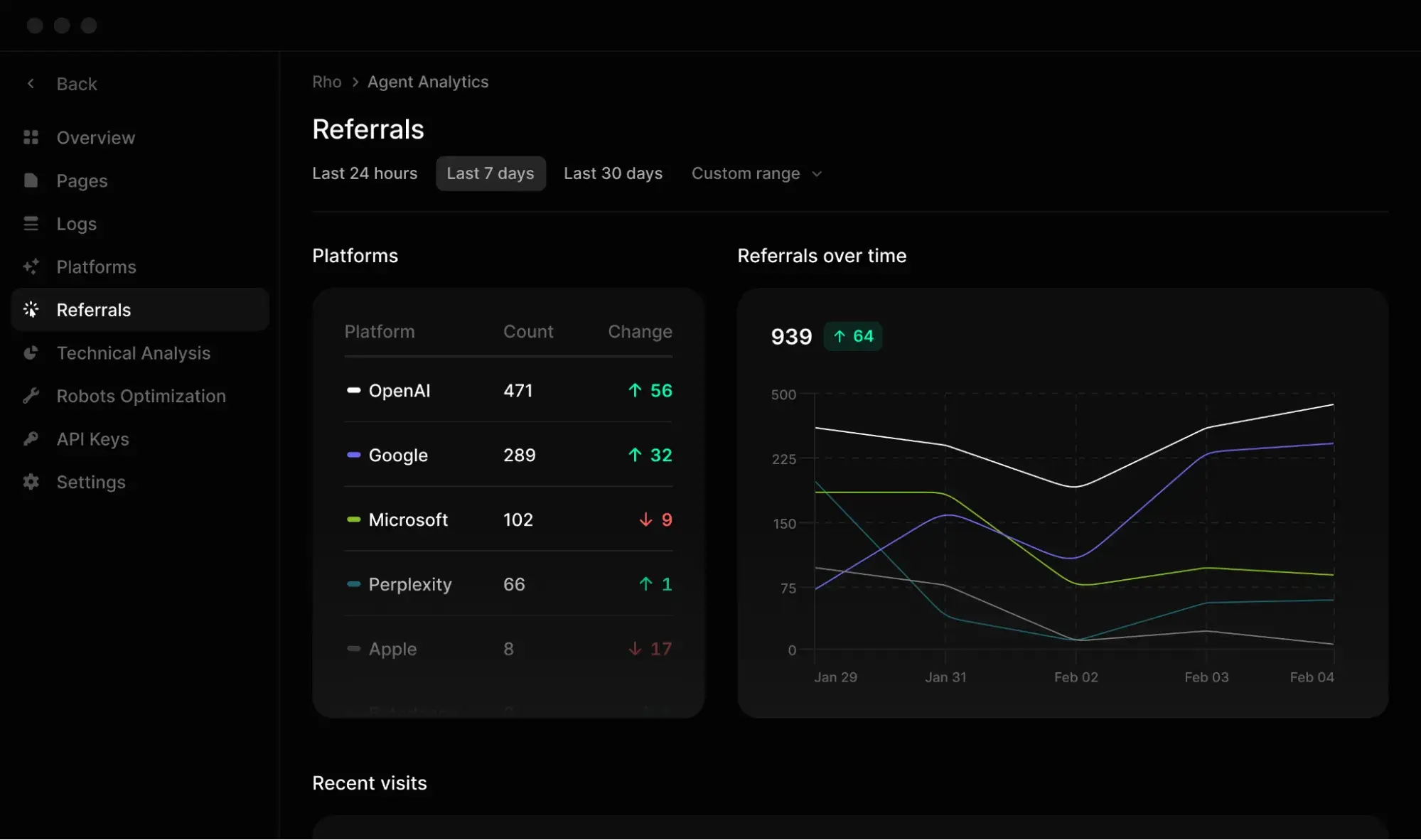
The digital marketing landscape is undergoing a profound transformation, driven by the rapid adoption of artificial intelligence in search functionalities. According to insights from McKinsey, a staggering 50% of consumers now leverage AI-powered search engines, with over 70% relying on these sophisticated tools to pose questions and gather information. This monumental shift signals an urgent imperative for SEO leaders and marketing professionals to evolve their strategies. Traditional Search Engine Optimization (SEO), primarily focused on achieving top rankings on conventional search engine results pages (SERPs), must now incorporate Answer Engine Optimization (AEO) methodologies. AEO aims not only for visibility on page one of Google but, crucially, for prominence within the AI-generated answers provided across platforms such as Google AI Overviews, ChatGPT, and Perplexity.
This paradigm shift necessitates that marketing leaders possess granular insights into their brand’s representation within AI search environments. Understanding how AI tools reference, cite, and position a brand in response to specific user queries is paramount. It is in this dynamic context that specialized AI Visibility tools like Profound AI and Peec AI have emerged, offering solutions designed to empower marketing teams to monitor, measure, and enhance their content’s performance within search generative experiences (SGEs) and track their brand’s portrayal by AI answer engines.
As AEO ascends to a strategic priority for businesses globally, marketers are increasingly seeking a clear, objective comparison between the leading platforms vying for market share. This comprehensive analysis delves into the offerings of Profound AI, Peec AI, and HubSpot AEO, dissecting their features, differentiating factors, and suitability for diverse organizational strategies.

The Genesis of Answer Engine Optimization (AEO)
The concept of AEO is a direct response to the evolution of search technology. For decades, SEO professionals optimized for "blue links" – the traditional list of ten organic results displayed by search engines. The goal was to rank high, driving traffic to a website where users would then find their answers. However, the advent of generative AI, particularly large language models (LLMs) like those powering ChatGPT, Google’s Gemini, and Perplexity, has fundamentally altered this interaction.
Instead of merely presenting links, these new "answer engines" aim to provide direct, synthesized answers to user queries, often citing multiple sources. This means a user might receive a comprehensive answer without ever clicking through to a website. For brands, this presents both a challenge and an opportunity. The challenge lies in ensuring their content is not just found by the AI but also chosen and cited by it as a credible source within its synthesized response. The opportunity is to establish brand authority and visibility directly within the answer, influencing perception and trust at the point of inquiry.
AEO encompasses a suite of strategies focused on optimizing content for these AI-driven environments. This includes not only traditional SEO elements like keyword optimization and technical SEO but also new considerations such as semantic clarity, factual accuracy, authoritativeness, and the ability to be easily extracted and summarized by LLMs. The timeline of this shift is remarkably rapid: while AI research has been ongoing for decades, the mainstream explosion of generative AI in late 2022 catalyzed this urgent need for AEO, propelling it from a niche concept to a critical component of modern digital marketing within months.
Key Players in the Evolving AEO Landscape
In response to this transformative shift, several platforms have positioned themselves as essential tools for navigating the AEO frontier. Profound AI and Peec AI are prominent examples, each approaching the challenge with distinct philosophies and feature sets. HubSpot, a long-standing leader in marketing and sales software, has also entered the arena with its own AEO offering, leveraging its integrated platform capabilities. While all three aim to solve the core problem of tracking and improving AI visibility, their depth, complexity, and target use cases vary significantly.

These tools are crucial because AI answer engines are increasingly shaping consumer perception and trust. By providing direct answers, they bypass traditional search results, making it imperative for brands to understand and influence how they are represented. Without dedicated AEO tools, marketers risk operating in the dark, unable to measure their brand’s presence in these critical new touchpoints.
Peec AI: Simplicity and Actionable Insights
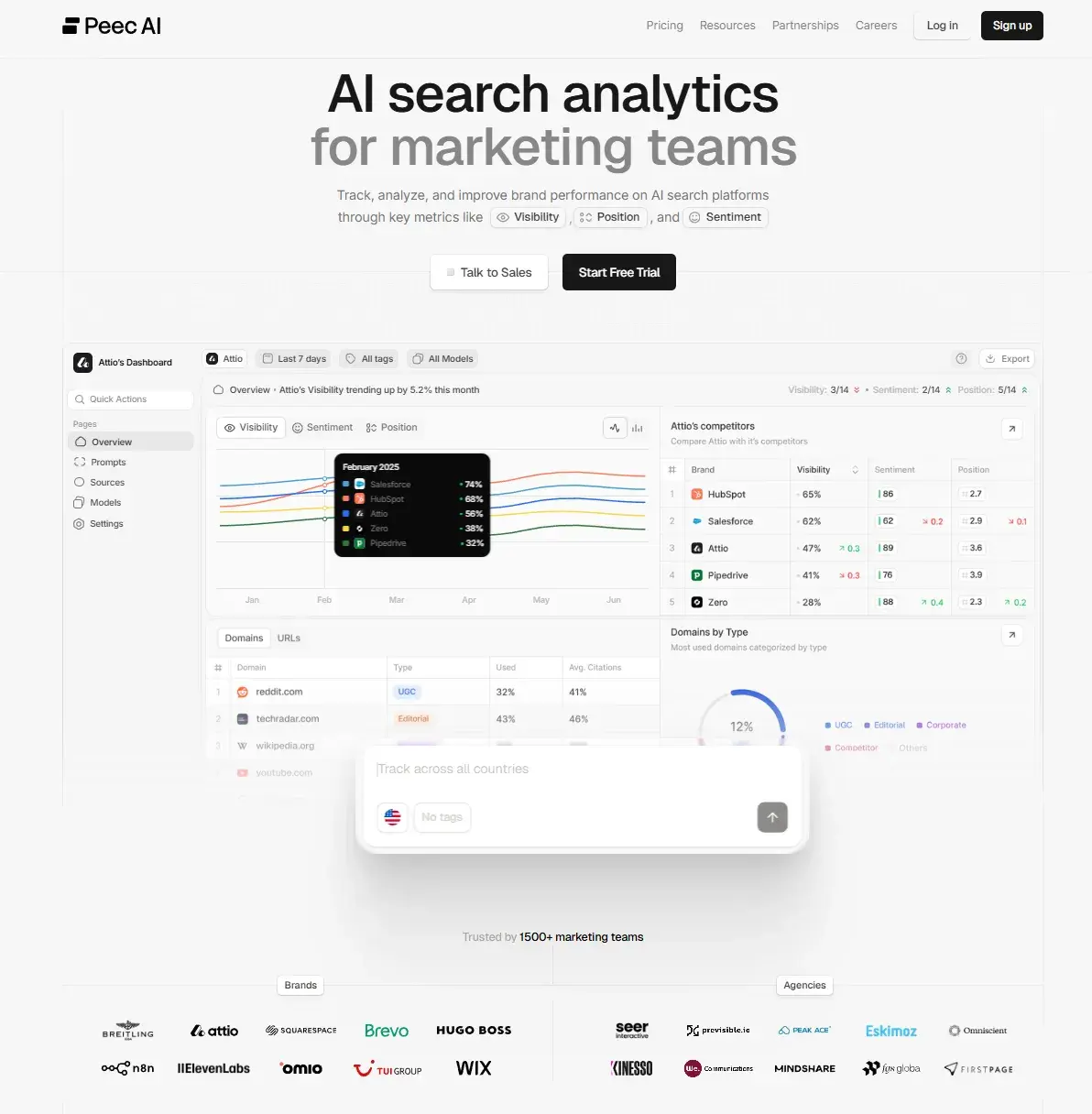
Peec AI positions itself as an AI visibility and search analytics platform designed for quick insights into brand performance across AI answer engines. Its core offering revolves around tracking essential AEO metrics such as mentions, citations, and competitive presence. Peec AI excels in its user-friendly interface and the speed with which it delivers digestible data, making it an attractive option for teams seeking straightforward performance benchmarking and gap identification without extensive technical setup.
The platform’s strength lies in its "Act on Insights" feature, which translates AEO data into concrete, actionable recommendations. Instead of merely reporting brand appearances, Peec suggests specific next steps, such as building presence on relevant review platforms or engaging in community discussions, directly linking insights to authority-building opportunities. This focus on immediate action makes it particularly suitable for startups, mid-market businesses, and agencies needing efficient deployment and rapid value realization.
However, Peec AI’s primary focus is on measurement rather than deep activation. While it illuminates how a brand appears, it offers fewer integrated tools for directly executing content and workflow adjustments based on those insights.
Profound AI: Enterprise-Grade Actionability and Scale
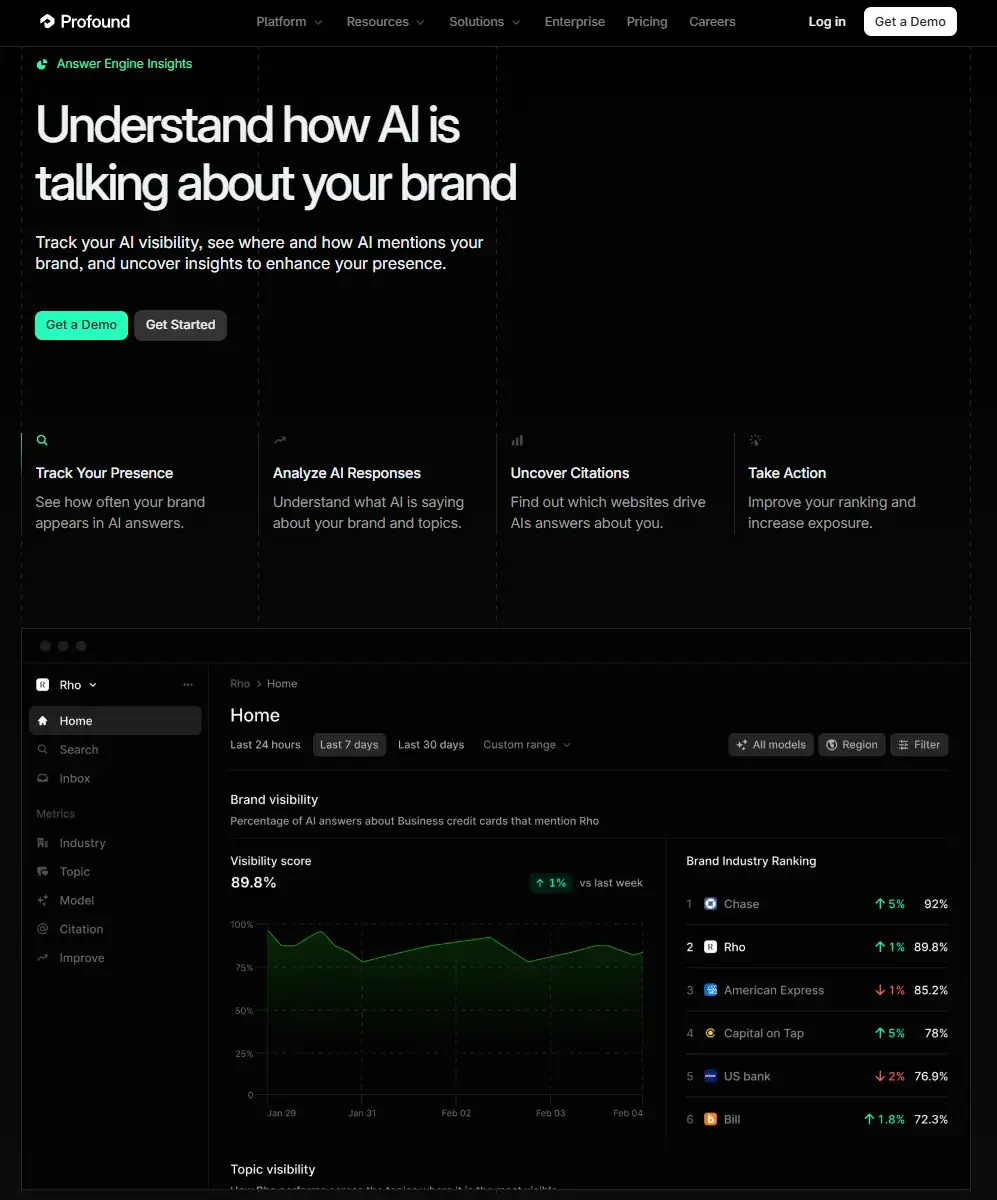
Profound AI emerges as an enterprise-grade AEO platform, emphasizing not just the measurement of AI visibility but also its active improvement at scale. While mirroring Peec’s core tracking capabilities for mentions, citations, and presence across AI systems, Profound extends its functionality significantly. Its key differentiators include comprehensive competitive intelligence, detailed sentiment analysis, and sophisticated content recommendations designed to optimize for AI consumption.
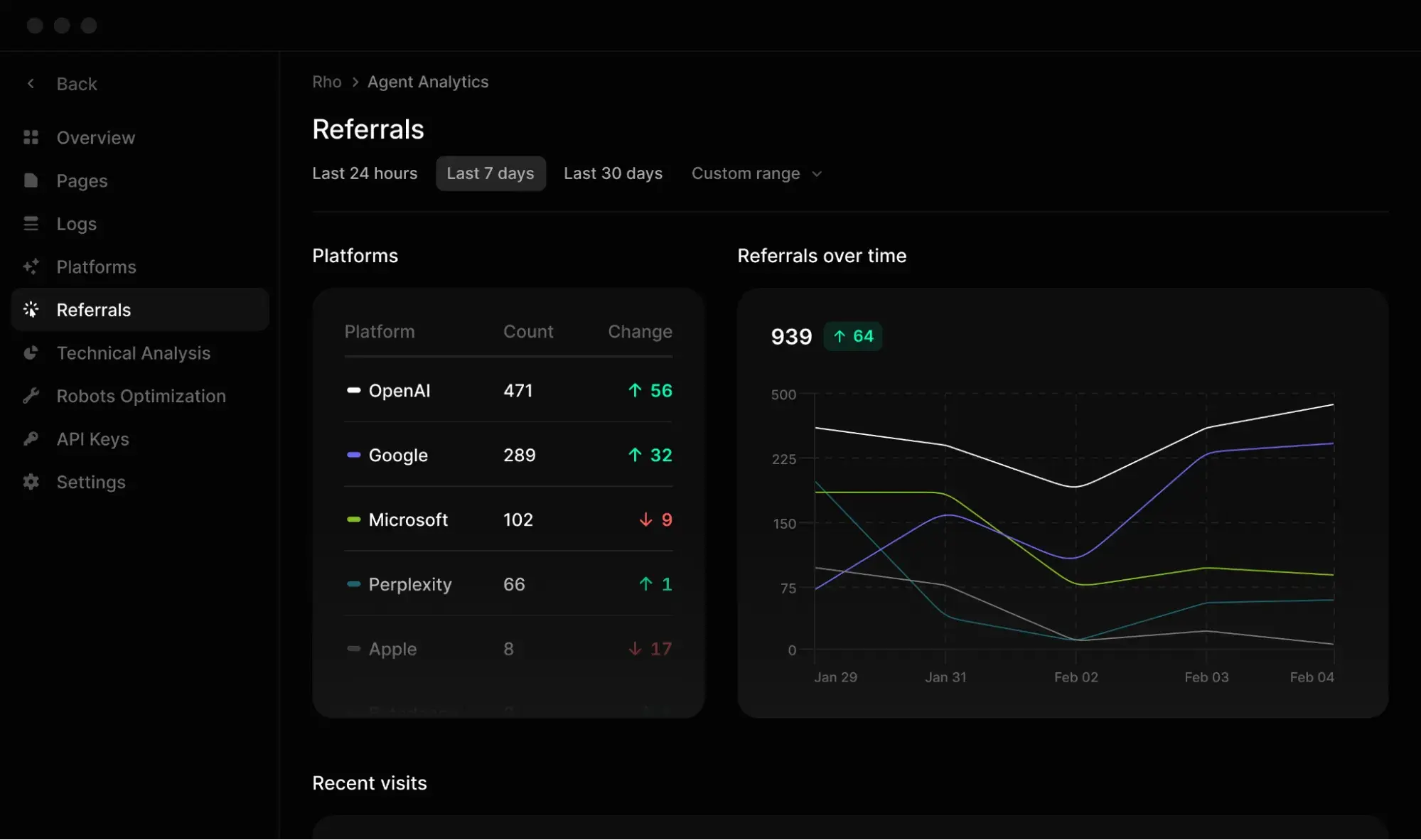
Profound’s strength lies in its granular analysis and contextual tracking, utilizing front-end capture to monitor how responses appear in live environments. This allows for an in-depth evaluation of answer structure, citation patterns, and the influence of user prompts. This level of detail supports advanced AEO programs, enabling precise optimization and strategic content decisions for large organizations.
Profound is built for operationalizing AEO, linking AI visibility data directly to broader content strategies, SEO workflows, and ultimately, business outcomes. This makes it ideal for large enterprises, marketing departments with complex needs, and organizations that demand robust data controls, auditability, and scalable deployment across global teams. The trade-off for this comprehensive functionality is a potentially higher degree of complexity, requiring more extensive onboarding and ongoing management.
HubSpot AEO: Integrated Marketing Intelligence
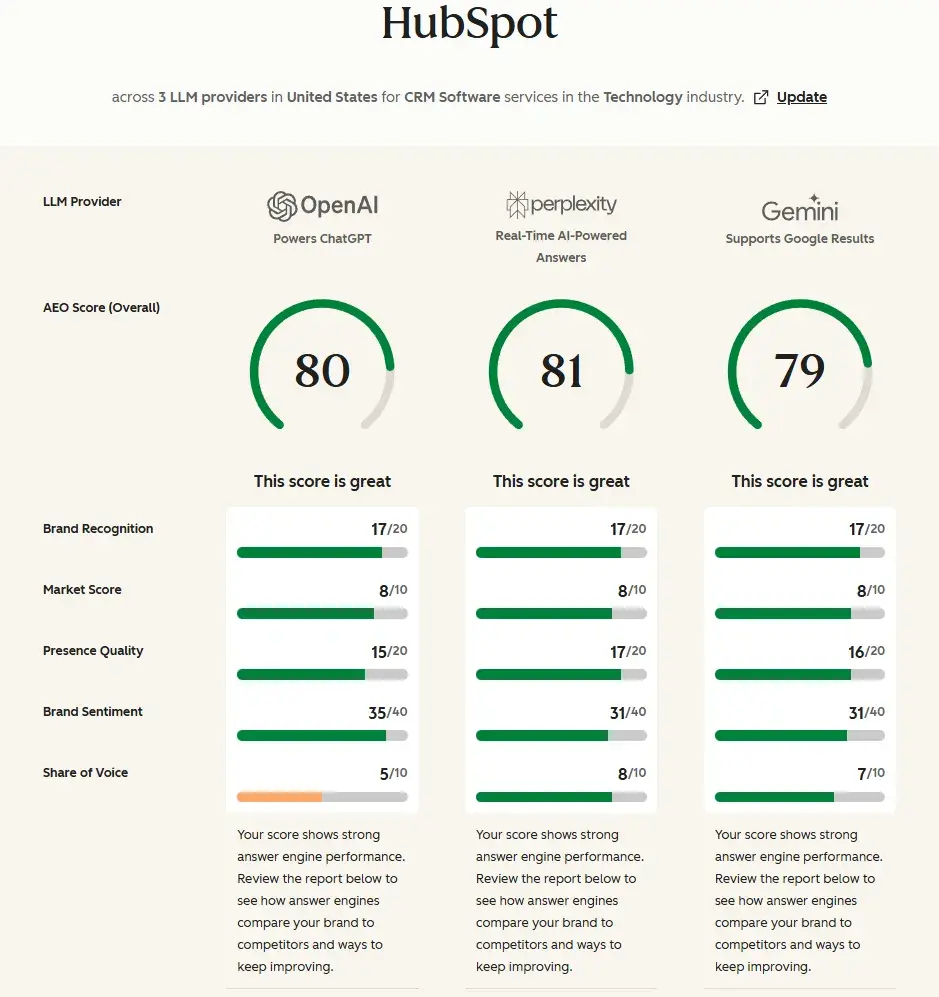
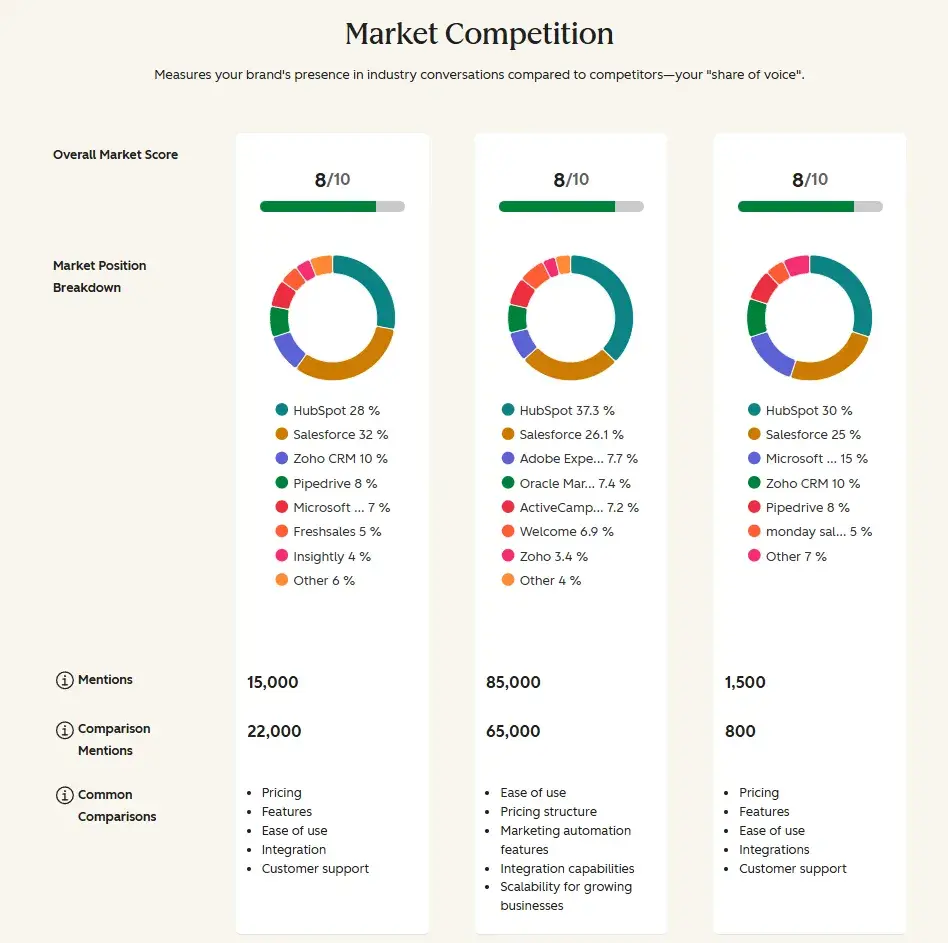
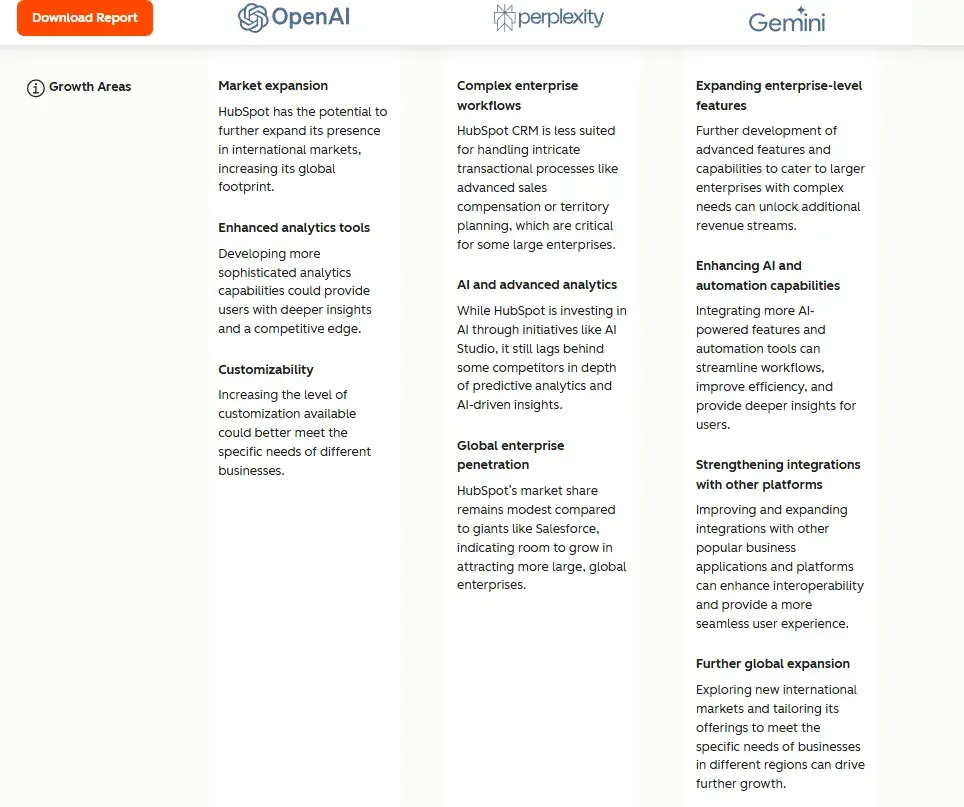
HubSpot, recognizing the pivotal role of AEO, has launched its own integrated solution, HubSpot AEO. This tool is designed to provide in-depth AEO analysis and support ongoing AI visibility strategy, particularly for businesses already operating within the HubSpot ecosystem. Its features include continuous tracking of brand performance across answer engines, regular updates to visibility scores, competitive insights, and sentiment analysis.
A significant advantage of HubSpot AEO is its seamless integration with HubSpot’s broader suite of marketing, sales, and service tools. Recommendations generated by the AEO platform can directly inform content creation within HubSpot’s CMS, social media scheduling, and CRM activities. This connectivity allows marketing teams to act on AEO insights without leaving their existing platform, fostering a more efficient and unified marketing workflow. HubSpot AEO is available as a standalone tool or as part of Marketing Hub Pro and Enterprise, making it a compelling option for current HubSpot users looking to consolidate their marketing tech stack.
Profound vs. Peec AI: A Detailed Feature Comparison
A deeper dive into specific feature categories reveals the distinct philosophies underpinning Profound AI and Peec AI.
Supported AI Engines and Platform Coverage
The scope of AI engines and platforms monitored is a critical factor for AEO tools. In an environment where buyers interact with multiple AI assistants and generative search interfaces, partial visibility can lead to significant strategic blind spots.
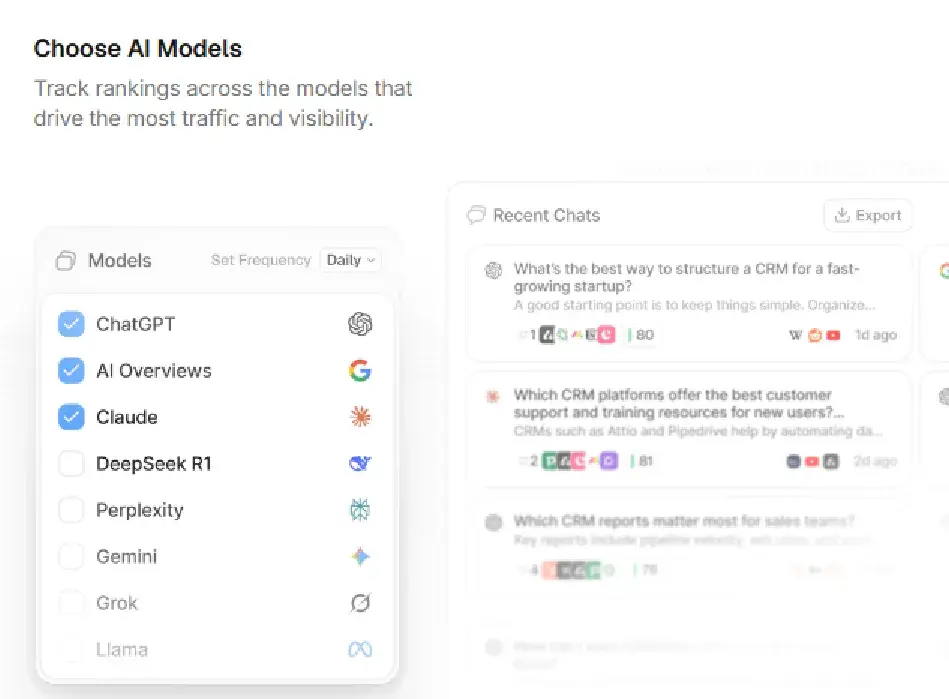
Peec AI’s Approach: Peec AI offers coverage for Google AI Overviews and other major answer engines. On its Starter, Advanced, and Pro plans, users typically select three engines to track, with the option to pay extra for additional ones. The Enterprise tier provides unlimited model tracking, including emerging platforms like Grok, Claude, and GPT 5 Search. This model offers flexibility but may incur additional costs for broad coverage on lower tiers.
Profound AI’s Approach: Profound utilizes front-end capture for AI answer tracking, providing a realistic view of how responses appear to users. Its Starter plan is limited to ChatGPT coverage. To monitor a broader range of AI models, users must upgrade to the Growth plan (which includes ChatGPT, Perplexity, and AI Overviews) or the Enterprise plan, which expands coverage to include Gemini, Copilot, Meta AI, Grok, DeepSeat, Claude, and AI Mode. This tiered structure means comprehensive coverage is an enterprise-level feature.
Comparative Analysis: While both offer extensive coverage at their highest tiers, Peec AI provides more flexibility in selecting a limited number of engines for lower-tier plans. Profound’s initial plans are more restrictive, necessitating upgrades for broader visibility. For businesses requiring extensive, multi-platform monitoring from the outset, the cost implications of Profound’s tiered coverage should be carefully considered.
Reporting Depth and Competitive Intelligence
The utility of AEO data hinges on its ability to drive actionable insights and inform competitive strategy. Raw data without contextual analysis is of limited value.
Peec AI’s Reporting: Peec AI differentiates itself with its "Act on Insights" feature, which directly translates AEO data into specific strategic recommendations. It moves beyond mere visibility reporting to suggest tangible next steps, such as optimizing for specific review platforms or engaging in community discussions based on what’s driving AI citations. This feature simplifies the transition from data analysis to execution for marketing teams. Its reporting dashboards are designed for clarity and quick comprehension, making it easier for users to benchmark performance and identify immediate opportunities.
Profound AI’s Reporting: Profound leans into deeper, more granular analysis. Its front-end capture methodology allows teams to closely monitor how AI responses are structured, cited, and positioned in live environments. This provides sophisticated insights into competitive dynamics, such as the order of brand citations and the influence of various prompts on outcomes. For organizations running advanced AEO programs, this level of detail is crucial for developing nuanced optimization strategies and understanding the competitive landscape at a micro-level. Profound’s reporting supports complex content strategy decisions and detailed performance tracking over time.
Comparative Analysis: Peec AI offers more immediate, actionable recommendations, making it suitable for teams prioritizing quick wins and clear strategic direction. Profound provides a richer, more contextualized analysis, ideal for enterprises that need to delve deep into competitive dynamics and the intricacies of AI response generation to inform sophisticated, long-term content strategies.
Integrations and Workflow Connectivity
For AEO to deliver measurable growth, its insights must seamlessly integrate with existing marketing workflows, CRM systems, and revenue analytics platforms. Disconnected data silos undermine efficiency and hinder the ability to demonstrate ROI.
Peec AI’s Integrations: Peec AI offers flexible data export options, including a Looker Studio integration for visualizing visibility data in customizable dashboards. This allows teams to centralize AEO metrics alongside other performance data within a familiar reporting environment. A data API and CSV exports are also available for integrating visibility data into other workflows. While these options provide basic connectivity, Peec’s integration footprint remains relatively limited, especially for deeper connections with enterprise-level systems.
Profound AI’s Integrations: Profound boasts a significantly broader ecosystem of integrations, designed to embed AEO insights directly into content and marketing workflows. Its agents connect natively with popular content management systems (e.g., WordPress, Sanity, Contentful, Webflow), productivity tools (e.g., Slack, Gamma), and Google Search Console. This extensive connectivity allows teams to act on AEO data without leaving their preferred platforms, bringing AI visibility signals into content planning, SEO workflows, and reporting.
Comparative Analysis: Profound is the clear leader in integrations and workflow connectivity, offering a robust suite of native connections that enable seamless data flow and actionability across a wide range of enterprise systems. Peec AI’s integration capabilities are more foundational, suitable for basic reporting and data export but potentially lacking the deep, bidirectional connectivity required by large, complex organizations.
Pricing Structure, Onboarding, and Scalability
The cost and ease of implementation are often immediate and non-negotiable factors in platform selection, particularly for businesses at different stages of growth.
Peec AI’s Approach: Peec AI is recognized for its competitive pricing and streamlined onboarding process, making it highly attractive to startups, mid-market teams, and agencies seeking rapid deployment. Its low barriers to entry allow marketing teams to quickly initiate AI visibility tracking. Peec provides a comprehensive knowledge base with video tutorials, facilitating self-service setup. It offers a 7-day free trial, followed by paid packages starting from $99/month for Starter, $299/month for Advanced, $599/month for Pro, and custom pricing for Enterprise. This tiered structure supports gradual scaling.
Profound AI’s Approach: Profound is positioned towards enterprise organizations, reflected in its pricing and onboarding model. It emphasizes enterprise-grade security and compliance features, crucial for large brands operating in regulated industries or global markets. Onboarding typically involves structured implementation, stakeholder alignment, and governance considerations, which may entail a longer ramp-up period but supports large-scale deployments. Profound generally does not offer a free trial, with paid packages starting from $499/month for Starter, $999/month for Growth, and custom pricing for Enterprise. It’s important to note that Profound’s Starter package is limited to ChatGPT coverage, necessitating upgrades for broader AI engine monitoring.
Comparative Analysis: Peec AI offers a more accessible entry point and a clearer path for incremental scaling, making it a strong choice for budget-conscious teams or agencies managing multiple clients. Profound’s higher price point and enterprise-focused onboarding align with the needs of larger organizations requiring robust features, compliance, and structured deployment, though its initial plan’s limited engine coverage can be a constraint.
HubSpot AEO: An Integrated Alternative
Beyond the direct comparison of Profound and Peec, HubSpot’s entry into the AEO space with its dedicated HubSpot AEO solution presents a compelling alternative, especially for existing users of the HubSpot platform.
HubSpot AEO is designed to offer a holistic approach to AI visibility. It provides continuous tracking of brand performance across various answer engines, with visibility scores updated dynamically as AI platforms evolve. Key features include competitive insights, sentiment analysis, and, crucially, direct integration with HubSpot’s content and social tools. This means recommendations for improving AI visibility can be directly actioned within the platform where content is created and managed.
Priced at $50 per month as a standalone tool or included within Marketing Hub Pro and Enterprise, HubSpot AEO offers a cost-effective and integrated solution. Its strength lies in leveraging HubSpot’s existing infrastructure to provide a unified platform for AEO strategy, execution, and measurement, eliminating the need for separate tools and facilitating a more cohesive digital marketing strategy. For businesses already invested in HubSpot, it offers a seamless extension of their current capabilities, making AEO a natural part of their broader marketing efforts.
Strategic Considerations for Marketers
The choice between Profound AI, Peec AI, or HubSpot AEO is not merely about feature lists but about aligning the tool with an organization’s specific needs, growth stage, and operational maturity. AEO tools are amplifiers; they enhance existing systems rather than creating growth in a vacuum.
- For Startups and Mid-Market Businesses: Peec AI offers a compelling proposition due to its ease of use, actionable insights, and competitive pricing. It allows smaller teams to quickly gain an understanding of their AI visibility and execute immediate improvements without significant investment in time or resources.
- For Agencies: Peec AI’s flexible pricing and rapid onboarding make it ideal for agencies managing a portfolio of clients, enabling quick deployment and clear reporting across multiple accounts. Profound could also serve agencies, particularly those with enterprise clients requiring deep analytics and complex strategic support.
- For Large Enterprises: Profound AI is designed for organizations where AEO is a core growth driver, demanding deep analytics, extensive integrations, and robust governance. Its ability to operationalize AEO at scale and link AI visibility directly to business outcomes makes it suitable for complex, global marketing operations.
- For Existing HubSpot Users: HubSpot AEO offers an unparalleled advantage through its native integration. For businesses already leveraging HubSpot’s marketing and sales platform, it provides a unified, efficient, and cost-effective solution for incorporating AEO into their overall digital strategy.
The Broader Impact of AI on Digital Marketing
The rise of AEO tools underscores a fundamental shift in how brands must approach their digital presence. The implications extend far beyond mere search rankings:
- Content Strategy Redefined: Content must now be optimized not just for human readers and traditional search algorithms but also for AI models that summarize, synthesize, and answer. This means a greater emphasis on clarity, factual accuracy, structured data, and demonstrable authority.
- Brand Reputation and Trust: AI-generated answers can profoundly influence brand perception. Being consistently cited as a reliable source by AI engines can significantly enhance brand trust and authority. Conversely, being misrepresented or ignored can be detrimental.
- Competitive Dynamics: The AEO landscape creates new competitive battlegrounds. Brands that successfully optimize for AI visibility can gain a significant advantage, potentially displacing competitors who are slower to adapt.
- Measurement and Attribution: Tracking the impact of AEO requires new metrics and sophisticated attribution models. Marketers need to understand how AI citations translate into brand awareness, lead generation, and ultimately, revenue.
- Ethical Considerations: The ethical implications of AI in search, including biases, misinformation, and intellectual property, will also shape the future of AEO, requiring marketers to be vigilant about responsible AI practices.
Conclusion
The digital frontier of search has undeniably moved beyond traditional "blue links" into the realm of AI-powered answer engines. This necessitates a proactive and sophisticated approach to online visibility, making Answer Engine Optimization an indispensable component of any forward-thinking digital marketing strategy. The choice between platforms like Profound AI, Peec AI, or HubSpot AEO hinges on a clear understanding of an organization’s specific needs, resources, and strategic objectives.
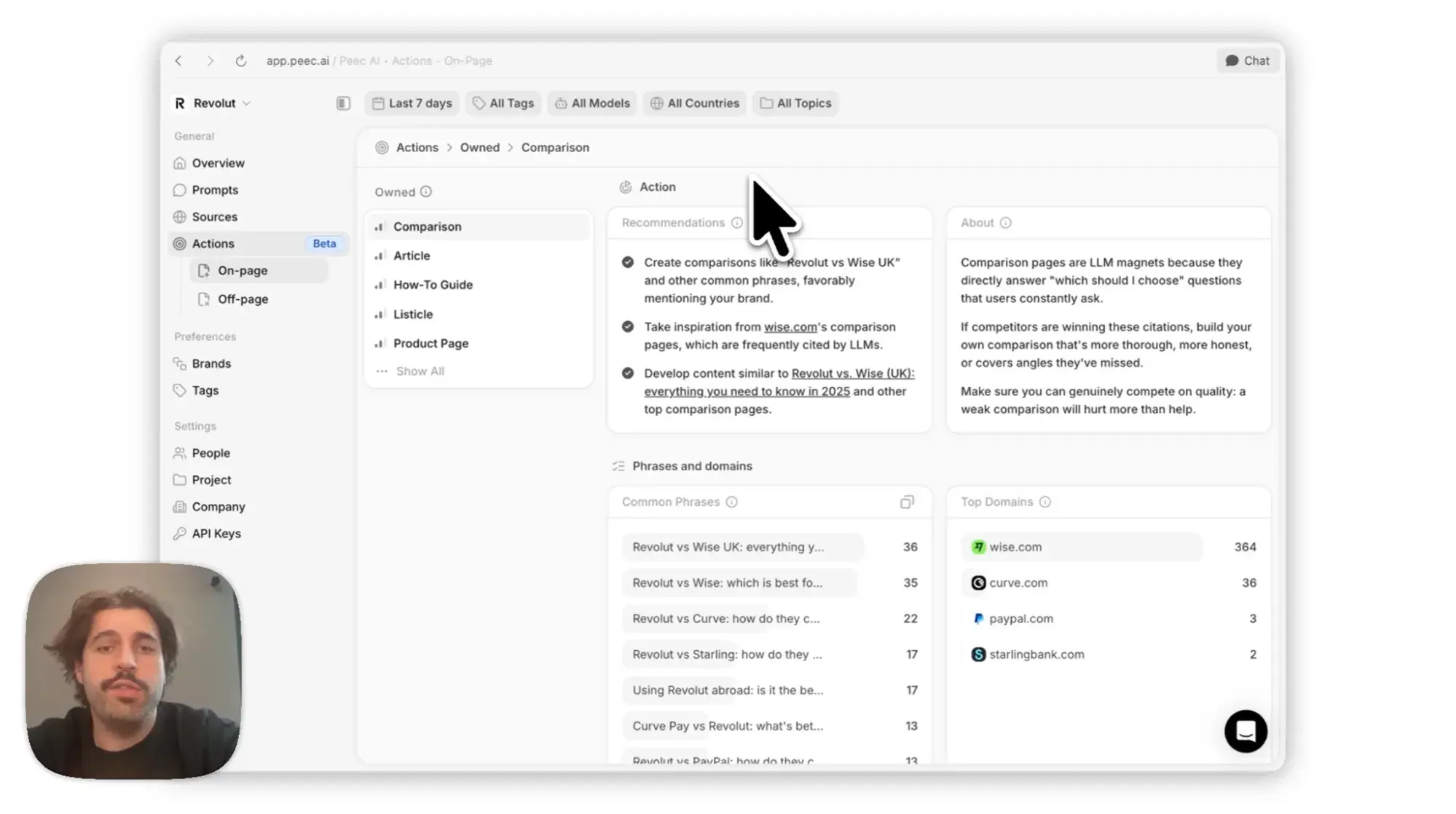
Peec AI offers an accessible and actionable entry point for quickly understanding and improving AI visibility, ideal for teams prioritizing speed and simplicity. Profound AI provides a robust, enterprise-grade solution for organizations that require deep analytics, extensive integrations, and the ability to operationalize AEO at scale, tying AI visibility directly to complex business outcomes. HubSpot AEO emerges as a highly compelling integrated alternative, particularly for existing HubSpot users, offering seamless connectivity within a unified marketing ecosystem.
Regardless of the chosen platform, the critical first step for any business is to objectively benchmark its current AI visibility. HubSpot’s AEO Grader, available for free, offers a practical starting point, providing a snapshot of a brand’s AI representation, competitive insights, sentiment analysis, and actionable recommendations. As AI continues to reshape how information is discovered and consumed, adapting with the right tools and strategies is not just an option but a prerequisite for sustainable growth and competitive advantage in the new digital age.