The Shocking Galaxy Z Fold 8 Ultra Design Details That Will Make Apple Nervous

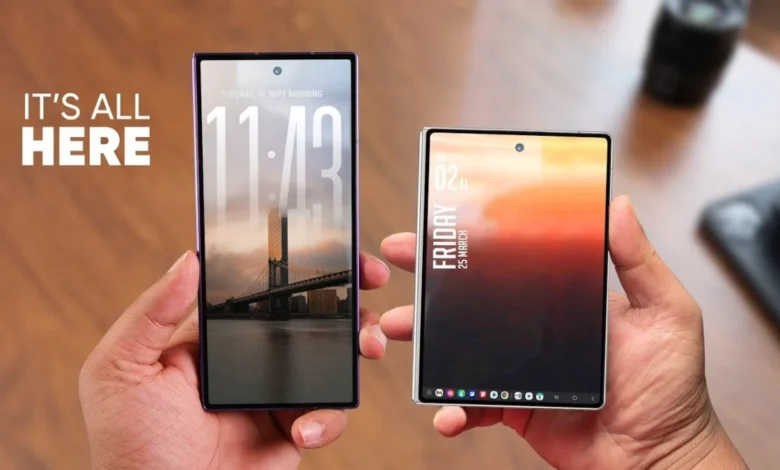
Samsung has officially launched its latest generation of foldable smartphones and premium wearables, headlined by the highly anticipated Galaxy Z Fold 8 Ultra, alongside the Galaxy Z Fold 8, Z Flip 8, and the Galaxy Watch Ultra 2. This unveiling marks a significant moment in the mobile technology landscape, with Samsung pushing the boundaries of durability, display innovation, and battery endurance. The new lineup, detailed in a comprehensive overview by TechTalkTV, signals Samsung’s aggressive strategy to not only solidify its dominance in the foldable market but also to challenge established players with compelling advancements.
Galaxy Z Fold 8 Ultra: Redefining Foldable Expectations
The Galaxy Z Fold 8 Ultra emerges as the flagship of Samsung’s foldable offerings, embodying a new standard in engineering and user experience. At its core is the revolutionary flex titanium display structure. This proprietary technology addresses one of the most persistent challenges in foldable design: the visibility and longevity of the screen crease. By integrating advanced materials and a refined hinge mechanism, Samsung has reportedly achieved a significant reduction in crease visibility, offering a more seamless and immersive visual experience akin to traditional flagship smartphones. Furthermore, this structural innovation enhances the overall resilience of the display, promising greater durability for the delicate folding mechanism, a critical factor for widespread consumer adoption of foldable technology.
This structural enhancement is complemented by a suite of premium features designed to elevate the functionality of the Z Fold 8 Ultra. While specific details regarding the internal specifications are still emerging, the emphasis on a more robust and aesthetically pleasing foldable design suggests a device engineered for demanding users. The implications of a crease-free or near-crease-free foldable display are substantial, potentially bridging the gap between the novelty of foldable phones and the practical, everyday usability expected by consumers accustomed to rigid smartphone displays. This could directly impact competitor strategies, particularly those in the nascent stages of developing their own foldable devices.
Powering this advanced device is a substantial 5,000 mAh battery, a noteworthy upgrade that promises to alleviate battery anxiety, a common concern for high-performance smartphones, especially those with large, power-hungry displays. Samsung claims this capacity translates to an impressive 51 hours of usage, representing a significant 26% increase over the previous generation, the Z Fold 7. This leap in battery performance, coupled with advancements in faster charging technology, ensures that users can remain connected and productive for extended periods, minimizing downtime and maximizing convenience. Such a substantial battery life for a foldable device could set a new benchmark, forcing competitors to prioritize power efficiency and battery capacity in their future designs.
The camera system on the Galaxy Z Fold 8 Ultra has also reportedly received significant upgrades. While the article does not provide specific megapixel counts or sensor details, it highlights "enhanced sensors and software optimizations." This suggests a focus on improving image quality, low-light performance, and video recording capabilities. For a premium device like the Z Fold 8 Ultra, a top-tier camera system is not just an addition but a necessity, aiming to compete with the best camera phones on the market, both foldable and traditional. These refinements, when combined with the device’s sleek, durable design, solidify the Z Fold 8 Ultra’s position as a frontrunner in the foldable technology segment.
Galaxy Z Fold 8: A Balanced Approach to Foldable Innovation
The Galaxy Z Fold 8, while positioned slightly below the Ultra model, inherits many of the foundational advancements that define Samsung’s new foldable generation. Crucially, it also features the innovative flex titanium display structure and incorporates advanced anti-reflective technology. This ensures that users can expect a similarly refined visual experience with reduced glare, enhancing usability in diverse lighting conditions.
While the Z Fold 8 may offer a more curated selection of premium features compared to its Ultra sibling, it strikes an impressive balance between performance, durability, and portability. This makes it a compelling option for a broader audience seeking a high-quality foldable experience without the absolute top-tier specifications and associated cost. The strategic pricing and feature set of the Z Fold 8 are likely designed to capture a larger market share, demonstrating Samsung’s commitment to making foldable technology more accessible while still delivering on key innovation points.
Galaxy Z Flip 8: Compact Powerhouse with Enhanced Resilience
For consumers who prioritize portability and a distinctive form factor, the Galaxy Z Flip 8 presents an attractive proposition. This clamshell-style foldable phone retains its signature pocket-friendly design while benefiting from crucial durability enhancements. Like its larger counterparts, the Z Flip 8 incorporates the flex titanium display structure, a testament to Samsung’s commitment to building foldable devices that can withstand the rigors of daily use.
The Z Flip 8 is meticulously crafted for individuals who value style and convenience. Its sleek aesthetic seamlessly integrates into modern lifestyles, and the bolstered durability ensures it’s a reliable companion. This model is particularly appealing to users who demand a compact device that doesn’t compromise on technological sophistication or structural integrity, showcasing that foldable innovation can extend to smaller, more personal devices.
Galaxy Watch Ultra 2: The Next Frontier in Wearable Technology
Samsung’s commitment to innovation extends beyond smartphones to its wearable division, with the Galaxy Watch Ultra 2 poised to build upon the success of its predecessor. While specific technical specifications are still under wraps, industry anticipation suggests a device that will push the boundaries of health tracking, performance monitoring, and connectivity.
Expected enhancements likely include an even more robust build quality, potentially incorporating advanced materials to match the durability of the new foldable phones. Improvements in battery life are almost certainly a priority, addressing a key area for consumer satisfaction in the smartwatch market. Furthermore, advancements in sensor technology for more accurate and comprehensive health and fitness tracking are anticipated, alongside expanded software features and seamless integration with the broader Samsung ecosystem. These developments underscore Samsung’s dedication to providing wearables that are not only functional but also integral to a user’s overall well-being and digital life.
Durability: A Cornerstone of Samsung’s Latest Releases
The pervasive emphasis on durability across the entire new Samsung lineup is a significant strategic move. The introduction of a titanium alloy film in the foldable devices, for instance, is a material science innovation that enhances mechanical stiffness. This translates to a tangible reduction in the risk of damage from everyday impacts and stresses, a critical consideration for devices designed to be folded and unfolded repeatedly. This dedication to robust construction signifies Samsung’s understanding that for foldable technology to achieve mainstream success, it must be perceived as reliable and long-lasting as traditional smartphones. This focus on material science and engineering demonstrates a forward-thinking approach, aiming to overcome past hesitations consumers may have had regarding the longevity of foldable screens.
Display Technology: Clarity, Vibrancy, and Reduced Glare
The display technology employed in the Galaxy Z Fold 8 Ultra and Z Fold 8 represents a significant leap forward in visual fidelity. Both models boast pixel densities exceeding 400 PPI, ensuring exceptionally crisp and detailed visuals. This high resolution is crucial for enjoying multimedia content, productivity applications, and even for professional tasks that demand sharp imagery. The integration of advanced anti-reflective technology further enhances the user experience by minimizing glare, making these devices practical and enjoyable to use in a wide range of environments, from brightly lit offices to sun-drenched outdoor settings. This attention to visual comfort and clarity is vital for devices that serve as both communication tools and entertainment hubs.
Battery Life and Charging: Addressing User Pain Points
Samsung appears to have placed a strong emphasis on addressing one of the most common pain points for smartphone users: battery life. The substantial 5,000 mAh battery in the Z Fold 8 Ultra is a clear indicator of this commitment, promising extended usage periods that can comfortably last through a full day or more for most users. This is particularly important for a device with a large, flexible display that can consume more power.
Beyond sheer capacity, the inclusion of faster charging technology is equally significant. This ensures that when the battery does need a top-up, users can quickly regain a substantial charge, minimizing disruptions to their day. The combination of improved battery endurance and rapid charging addresses a critical aspect of user convenience and satisfaction, making the new foldable devices more practical for everyday use and less of a compromise compared to their non-folding counterparts.
Implications for the Market and Competitive Landscape
The aggressive advancements demonstrated by Samsung with the Galaxy Z Fold 8 Ultra and its accompanying devices carry significant implications for the broader mobile technology market. The near-elimination of the visible screen crease in Samsung’s latest foldables could serve as a catalyst for competitors, including Apple, to accelerate their own foldable development or to reconsider their strategies in light of Samsung’s technological prowess. The focus on enhanced durability and extended battery life directly tackles key consumer concerns, potentially accelerating the mainstream adoption of foldable form factors.
The release of these devices, particularly the Z Fold 8 Ultra, signals a maturation of foldable technology. What was once a niche category characterized by compromises is evolving into a segment offering premium, reliable, and highly functional devices. This evolution is likely to intensify competition, prompting other manufacturers to invest more heavily in research and development to keep pace. The potential for Samsung to leverage its integrated ecosystem, from wearables to foldable phones, further strengthens its market position.
Furthermore, the refined user experience, including improved display quality and robust build, suggests that foldable phones are moving beyond novelty and becoming serious contenders for primary mobile devices. The success of these new models could redefine consumer expectations for smartphones, pushing the entire industry towards more innovative designs and functionalities. The coming years will likely see a more diverse and competitive foldable market, with Samsung’s latest offerings setting a high bar for all players involved.
The timing of this launch, with its emphasis on tangible improvements in durability, display, and battery life, suggests a strategic move to capitalize on a growing consumer interest in foldable devices, while simultaneously preempting and challenging potential market entries from rivals. Samsung’s consistent investment and innovation in this space are positioning it as the de facto leader, and the Galaxy Z Fold 8 Ultra, in particular, appears engineered to solidify that standing and potentially disrupt the established hierarchy of premium smartphone manufacturers.