The optimal times to post on Instagram in 2026 are Thursday at 9 a.m., Wednesday at 12 p.m., and Wednesday at 6 p.m., according to a comprehensive analysis by Buffer of 9.6 million Instagram posts. This data-driven insight, part of Buffer’s "State of Social Engagement 2026" report, underscores the evolving dynamics of audience behavior on the platform and offers crucial guidance for creators, businesses, and social media managers striving to maximize their reach and interaction. The study, which encompassed 52 million posts across ten platforms from over 200,000 accounts between January 2024 and December 2025, highlights that while content quality remains paramount, strategic timing can significantly amplify a post’s initial momentum and subsequent algorithmic visibility.
In an increasingly saturated digital landscape, where millions of brands and creators vie for attention, understanding the nuances of platform algorithms and user habits is no longer a luxury but a necessity. Instagram, with its continuously evolving algorithm, rewards content that garners early engagement, signaling its relevance and value to a broader audience. The "make-or-break" feeling associated with posting times is well-founded; a meticulously crafted post can languish unseen if shared into an inactive period, effectively "cricketing" its potential. This research by Buffer provides a much-needed empirical framework to navigate these challenges, offering a roadmap to ensure content lands when audiences are most receptive to interaction.
The Strategic Imperative of Timing in a Competitive Feed
The competition for feed space on Instagram has intensified dramatically. With audiences spending more time on the app, and businesses pouring increasing resources into their presence, the window of opportunity for a post to capture attention is narrower than ever. This makes the strategic timing of content a relatively "easy win" in a complex social media strategy. When a post aligns with an audience’s active scrolling habits, it generates immediate engagement—likes, comments, shares, and reposts—which are critical signals for the Instagram algorithm. As Head of Instagram Adam Mosseri has previously indicated, the algorithm prioritizes relevance, but recency, particularly in generating early momentum, still plays a vital role in determining a post’s initial reach.
The shift from a purely chronological feed (now a relic of Instagram’s past) to an engagement-driven one means that while timing is not the sole determinant of success, it remains a powerful accelerant. Posting during peak activity hours means more eyes on content from the outset, leading to a higher likelihood of interaction. This early engagement tells Instagram that the content is compelling, prompting the algorithm to surface it to more users, thereby creating a virtuous cycle of visibility. Buffer’s study meticulously dissects these patterns, revealing surprising trends, such as the consistent outperformance of evening hours across most days, with one notable exception.
![Best Time to Post on Instagram: 2026 Data from 9.6M Posts [Updated July 2026]](https://storage.ghost.io/c/6d/21/6d217297-aa70-41fe-b68d-e29e411dd3ed/content/images/2026/01/best-time-to-post-on-instagram-2026.png)
Buffer’s Core Findings: Peak Engagement Windows for 2026
Buffer’s extensive analysis pinpoints specific optimal posting times, which align broadly with industry research suggesting midweek and afternoon-to-evening windows are prime for engagement. The top three slots identified for maximum impact in 2026 are:
- Thursday at 9 a.m.
- Wednesday at 12 p.m.
- Wednesday at 6 p.m.
These times represent periods when Instagram users are most actively engaged with content, translating into higher median engagement rates for posts published during these windows. The consistency of Wednesday and Thursday as high-performing days is a key takeaway, underscoring their importance in any content calendar.
The data reveals that evening hours, specifically from 6 p.m. to 11 p.m., generally yield the strongest engagement across all timezones. This trend is likely influenced by demographic factors; Statista reports that over a third of Instagram users are aged 25 to 34, a demographic often unwinding after work and engaging with digital content during these later hours. Similarly, the midday spike on Wednesdays around 12 p.m. points to the widespread "lunch break scroll" phenomenon, where users briefly disengage from work to check their feeds.
Conversely, morning hours (6 a.m. to 11 a.m.) typically show weaker engagement, with one significant outlier: Thursday mornings at 9 a.m. This "Thursday anomaly" is speculated to be linked to end-of-week planning energy, with users checking in on brands and creators as they map out their weekend activities.
Day-by-Day Breakdown: A Granular Look at Engagement
Buffer’s report provides a detailed daily breakdown, offering nuanced insights beyond the top three overall slots. This granular view allows for more precise scheduling tailored to specific days of the week.
![Best Time to Post on Instagram: 2026 Data from 9.6M Posts [Updated July 2026]](https://storage.ghost.io/c/6d/21/6d217297-aa70-41fe-b68d-e29e411dd3ed/content/images/2026/01/best-time-to-post-instagram-2026-heatmap.png)
-
Wednesday: The Apex of Engagement
Wednesday stands out as the highest-performing day for Instagram engagement. Peak times include 12 p.m., 6 p.m., and 8 a.m. The midday surge at 12 p.m. is particularly noteworthy, aligning with lunch breaks, while the evening slot at 6 p.m. captures the post-work wind-down. Even an early morning slot at 8 a.m. demonstrates strong potential, indicating consistent user activity throughout the day. -
Thursday: Morning Dominance and Weekend Planning
Thursday emerges as the most counterintuitive day, with mornings significantly outperforming evenings. The prime slots are 9 a.m., 8 a.m., and 7 a.m. This early morning strength sets Thursday apart, suggesting users are highly active and receptive to content at the start of their day, perhaps during commutes or initial work checks. The "Thursday anomaly" at 9 a.m. remains a compelling pattern, possibly driven by users looking ahead to the weekend. -
Tuesday: Consistent Mid-Week Strength
Tuesday secures its position as the third-strongest day for engagement. Optimal times are 7 p.m., 3 p.m., and 5 p.m. This spread from mid-afternoon into early evening indicates sustained user activity as the workweek progresses, making Tuesday a reliable day for reaching audiences. -
Monday: Evening Re-Engagement
Mondays see audiences settling back into their digital routines. The best times to post are 7 p.m., 6 p.m., and 8 p.m. The evening window is crucial for capturing users after their workday, making it the strongest period to kick off the week’s content strategy. -
Sunday: Winding Down the Weekend
Sunday evenings offer the best opportunity for weekend engagement, with peak times at 9 p.m., 10 p.m., and 8 p.m. As users wind down before the start of the new week, they tend to scroll more, making these late evening slots valuable for capturing attention with lighter, more reflective content.![Best Time to Post on Instagram: 2026 Data from 9.6M Posts [Updated July 2026]](https://storage.ghost.io/c/6d/21/6d217297-aa70-41fe-b68d-e29e411dd3ed/content/images/2026/01/best-day-to-post-instagram-2026-.png)
-
Friday and Saturday: The Weakest Links
Fridays and Saturdays consistently exhibit the lowest engagement rates across all time slots. While Friday’s best times are 10 p.m., 9 p.m., and 6 a.m., and Saturday’s are 9 p.m., 10 p.m., and 8 p.m., these days should generally be approached with caution. The data strongly suggests saving high-stakes, crucial content for midweek, using Friday and Saturday for lighter, less critical posts, or strategically opting out if engagement is the primary goal. The significant drop in weekend engagement implies users are often disengaged from their phones, participating in real-world activities.
Understanding the Algorithmic and Behavioral Underpinnings
The patterns observed in Buffer’s data are not random; they are deeply rooted in both Instagram’s algorithmic priorities and fundamental human behavior.
- Algorithm’s Emphasis on Engagement: Instagram’s algorithm increasingly prioritizes "sends per reach"—how often a post or reel is DMed to a friend—as its most important ranking signal, particularly for Reels and Discover feeds. Posting when audiences are relaxed and actively consuming content makes them more likely to engage in these sharing behaviors. Early momentum from likes and comments further signals content value, expanding its reach.
- User Routines and Demographics: The prevalence of evening engagement (6 p.m. to 11 p.m.) strongly correlates with typical daily schedules. After work, school, or daily commitments, individuals often have more leisure time, turning to social media for entertainment, connection, and news. The 25-34 age demographic, a significant portion of Instagram’s user base, typically follows this pattern. Midday spikes, like Wednesday at 12 p.m., clearly reflect lunch breaks. The decline in weekend engagement, especially during mornings, suggests users are prioritizing offline activities.
- Content Consumption Intent: As Adam Mosseri elucidated, users approach different Instagram features with distinct intentions. Stories are for close connections, Explore for discovery, and Reels for entertainment. This varied intent means that content types might subtly benefit from specific timing within the broader peak windows.
Content Type Specifics: Reels, Carousels, and Stories
While the overarching peak times apply across content types, understanding the nuanced consumption patterns for Reels, Carousels, and Stories can further refine a posting strategy. Buffer’s analysis grouped all post types, confirming that the general peak windows hold true, but with format-specific considerations.
- Instagram Reels: Given Mosseri’s insight that Reels are primarily for entertainment, the strong performance of evening hours (6 p.m. to 11 p.m.), particularly on Wednesdays and Thursdays, makes intuitive sense. Users are more likely to seek passive entertainment when winding down, making them receptive to the short-form video format. The critical "sends per reach" metric is also more likely to be influenced during these relaxed, less hurried periods.
- Instagram Carousels: Carousels, which require more active engagement (swiping through multiple slides), also thrive during midweek peaks: Wednesday at 12 p.m., Wednesday at 6 p.m., and Thursday at 9 a.m. These times align with moments when users have a few extra minutes to dedicate to a more involved content format, such as during a lunch break or a brief respite before starting the workday.
- Instagram Stories: Stories, with their 24-hour lifespan, prioritize consistency over pinpoint timing. Mosseri suggests one to two stories daily for a healthy cadence. Their transient nature makes them ideal for maintaining top-of-mind awareness and fostering a continuous connection with followers. While any time is generally acceptable, integrating them into the broader daily schedule ensures regular touchpoints without needing to hit a precise "peak" slot.
Beyond Generalities: Tailoring to Your Unique Audience
While Buffer’s aggregated data provides invaluable benchmarks, the most effective strategy involves personalizing these insights. Every audience is unique, and their activity patterns may diverge from the platform-wide averages. This is where Instagram Insights, the native analytics tool available to professional (Creator or Business) accounts, becomes indispensable.
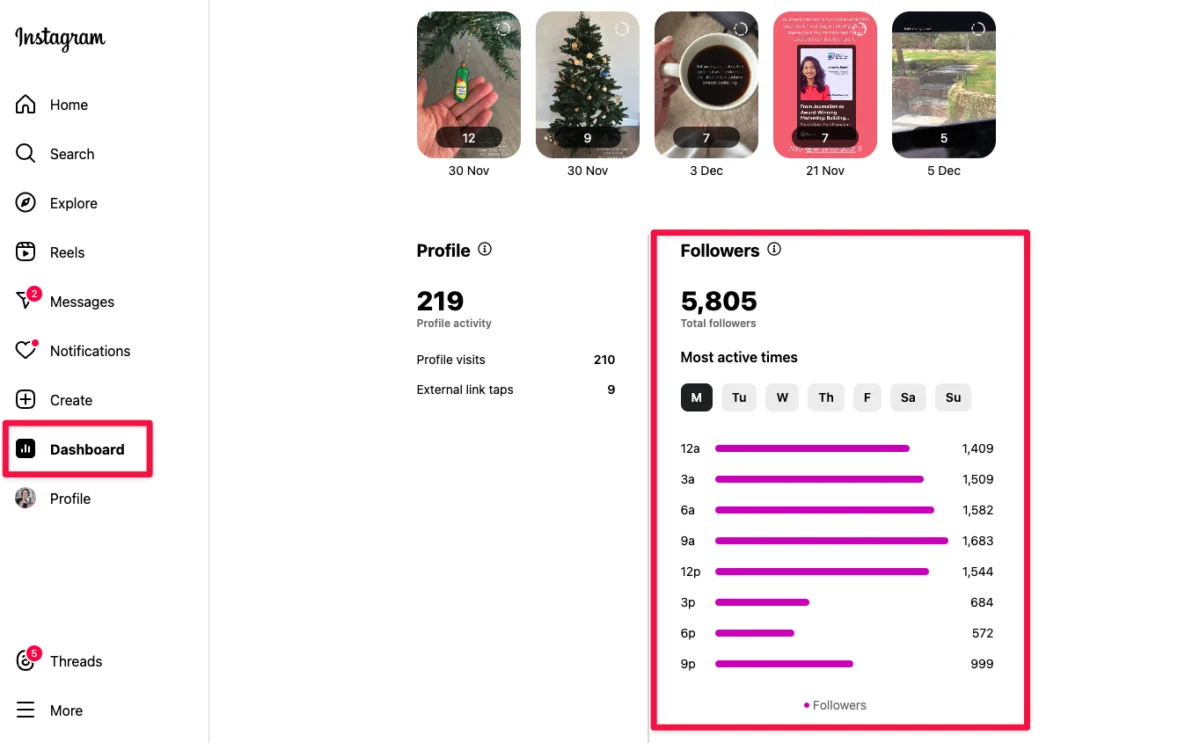
Instagram Insights allows users to view when their specific followers are most active on the app. For example, Buffer’s personal Instagram audience might be most active between 6 p.m. and 9 p.m., whereas Buffer’s brand account audience might peak between 3 p.m. and 6 p.m. These individual differences highlight the importance of cross-referencing global data with proprietary audience analytics.
![Best Time to Post on Instagram: 2026 Data from 9.6M Posts [Updated July 2026]](https://storage.ghost.io/c/6d/21/6d217297-aa70-41fe-b68d-e29e411dd3ed/content/images/2026/05/image-6.png)
To access these personalized insights:
- Navigate to your Instagram profile on the mobile app.
- Tap the "Professional dashboard" or "Insights" button.
- Go to "Total Followers" and scroll down to "Most Active Times" to view daily and hourly activity.
It’s crucial to remember that Instagram Insights show when followers are using the app, not necessarily when they are most likely to engage with specific content. Therefore, these personalized times should serve as a starting point for experimentation, rather than a definitive schedule. Testing and iterative adjustment, combined with an understanding of content performance metrics, will ultimately reveal the true optimal times for a particular account.
Practical Application: Leveraging Scheduling Tools for Optimized Posting
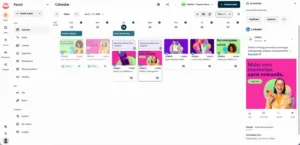
For social media managers and content creators seeking to implement these data-driven strategies efficiently, scheduling tools like Buffer are invaluable. These platforms automate the posting process, allowing users to pre-plan content for optimal slots without manual intervention. Buffer, for instance, offers the ability to automatically set recommended posting times based on its latest analysis, eliminating the guesswork.
This automation not only ensures consistency but also frees up time for creators to focus on content creation and community engagement. By scheduling posts into high-engagement windows, even on busy days, accounts can maintain a predictable presence that aligns with audience activity, fostering momentum and algorithmic favor.
The Broader Strategy: A Holistic Approach to Instagram Success
Ultimately, posting time is one component of a successful Instagram strategy. While crucial for initial reach and engagement, it cannot compensate for subpar content. A high-performing Instagram post is the result of a multi-faceted approach:
![Best Time to Post on Instagram: 2026 Data from 9.6M Posts [Updated July 2026]](https://storage.ghost.io/c/6d/21/6d217297-aa70-41fe-b68d-e29e411dd3ed/content/images/2026/05/image-7.png)
- High-Quality Content: Visually appealing, well-produced, and valuable content is foundational.
- Strategic Timing: Leveraging data like Buffer’s report to post when the audience is most active.
- Consistency: Regular posting builds audience expectation and algorithmic trust.
- Audience-Centricity: Understanding what your specific followers want and creating content tailored to their interests.
- Strong Hooks and Calls to Action: Engaging captions and clear prompts encourage interaction.
- Hashtag and Keyword Optimization: Increasing discoverability through relevant tags.
- Community Engagement: Actively responding to comments and DMs to build relationships.
- Adaptability: Regularly reviewing performance metrics and adjusting strategy.
Buffer’s "State of Social Engagement 2026" report provides a robust, data-backed foundation for optimizing Instagram posting times. By integrating these global insights with personalized audience data and a holistic content strategy, creators and businesses can significantly enhance their presence and achieve greater success on one of the world’s most influential social media platforms. The findings emphasize that in the competitive realm of social media, smart timing is not just about convenience, but about strategic advantage.
Methodology and Credibility
The findings presented are derived from a rigorous analysis of 9.6 million Instagram posts, spanning from January 2024 to December 2025, sourced from over 200,000 Buffer accounts. This extensive dataset allowed Buffer’s data scientists to calculate median engagement rates across various time slots, a methodology chosen specifically to prevent skewing by outlier posts or exceptionally large accounts. This approach ensures the applicability of the advice to a broad spectrum of users, from nascent creators to established brands. Furthermore, all times have been normalized to apply to any local timezone, eliminating the need for manual conversion, making the data universally actionable. The emphasis on median engagement rates, rather than just raw reach, provides a more accurate picture of true audience interaction, which is a stronger signal for Instagram’s algorithm in 2026. This comprehensive and meticulous approach underscores the reliability and practical value of the report’s conclusions.