While Instagram remains fundamentally rooted in visual media, with photos, videos, and Reels acting as the primary anchor for user feeds, the strategic importance of accompanying text is frequently underestimated by marketers. Unlike platforms such as Facebook, Twitter, or LinkedIn, where text-only updates are standard, Instagram requires visual assets to initiate a post. However, industry data consistently demonstrates that the accompanying text—the caption—is the definitive catalyst for turning passive scrollers into active brand advocates and paying customers.
In the contemporary digital marketing landscape, strong Instagram captions do much more than simply describe an image. They provide crucial contextual layers, humanize corporate entities through narrative-driven storytelling, and significantly expand organic reach. Whether an organization aims to elevate brand awareness, acquire new demographics, stimulate audience engagement, or directly influence sales conversion funnels, mastering the art of the caption is no longer optional.

Anatomy of an Instagram Caption
To understand how to maximize this text real estate, one must first examine the technical parameters established by the platform. An Instagram caption is the descriptive text block associated with photo updates, video carousels, and Reels. Creators and brands are allotted up to 2,200 characters per post, a generous limit that accommodates detailed narratives, emoji integration, and a strategic array of hashtags. However, direct hyperlinking remains restricted within organic captions, meaning marketers must utilize alternative strategies—such as call-to-action prompts directing users to profile bio links—to drive off-platform traffic.
Strategic Framework for Writing the Perfect Caption
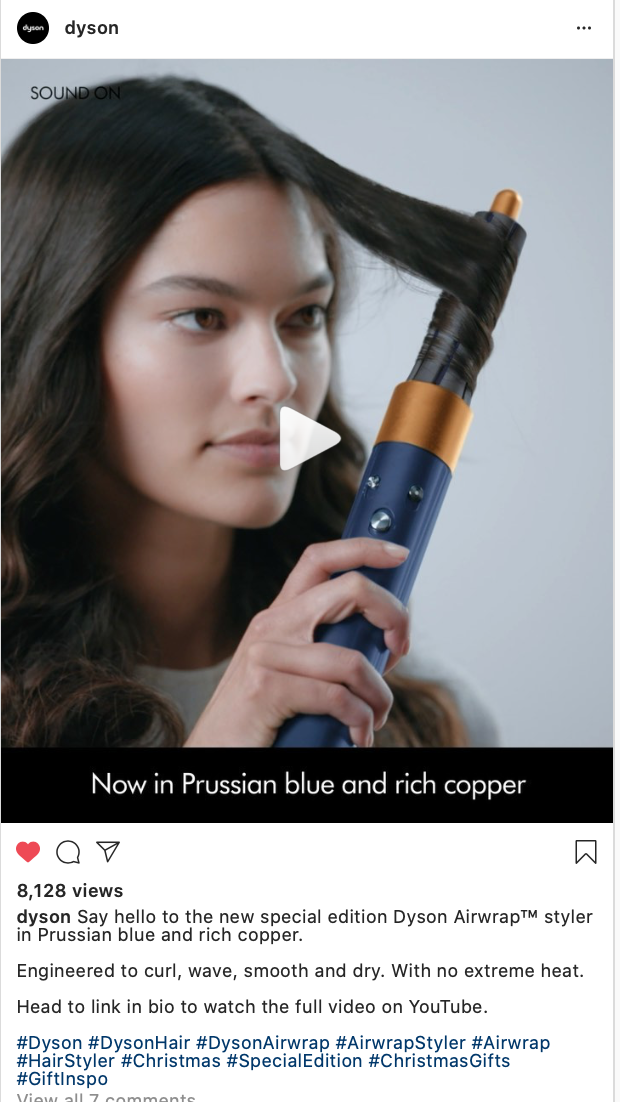
Developing a compelling caption requires a balance of psychology, copywriting best practices, and platform familiarity. Rather than treating text as an afterthought, marketing professionals rely on a structured methodology to ensure every post delivers measurable value.
Hooking the Audience Immediately
In an ecosystem saturated with competing visual and textual stimuli, capturing user attention within the first few seconds of a feed review is critical. Industry insiders refer to this as achieving a "thumb-stopping" effect.
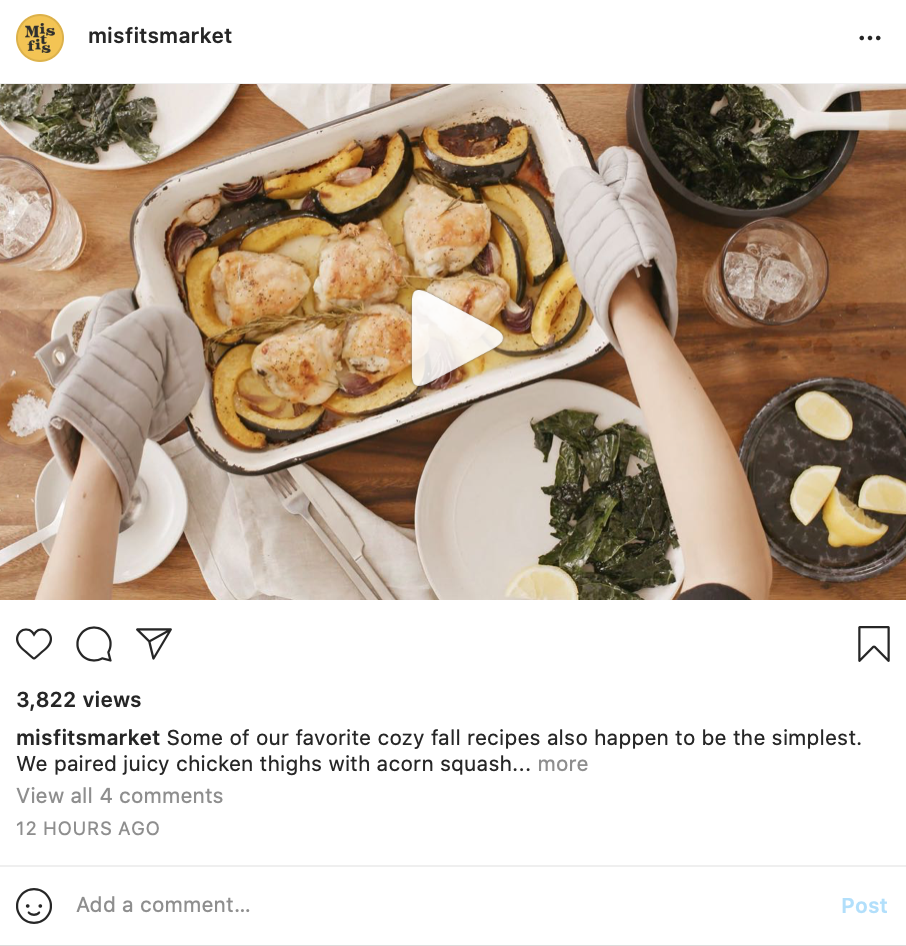
A primary driver of immediate engagement is the strategic placement of the core value proposition at the very beginning of the text block. By front-loading the most compelling information, brands incentivize users to click the "more" expansion link and subsequently follow through with the designated call to action (CTA). This approach requires a deep understanding of audience pain points and seasonal relevance. For instance, during the late-autumn culinary rush, when feeds are inundated with complex, time-consuming holiday recipes, a food and lifestyle brand might open with a promise of simple, cozy weeknight meals. This immediately resonates with time-crunched consumers seeking practical solutions.
Navigating Length and Character Counts
A persistent debate among social media managers concerns the ideal length of an Instagram caption. While short and punchy text works well for quick visual jokes or minimalist aesthetics, empirical research suggests a more nuanced approach.
An extensive analysis conducted by digital marketing researchers at Hootsuite evaluated thousands of posts to determine the correlation between caption length and audience interaction. The findings revealed that captions ranging between 400 and 705 characters—substantially longer than the quick 65-character soundbite—frequently generated higher average engagement rates. Providing adequate context, sharing behind-the-scenes anecdotes, or developing a micro-story gives audiences more reasons to linger on a post, signaling to the platform’s algorithm that the content possesses high utility.
Leveraging Cultural Relevance and Colloquialisms
Integrating recognizable pop culture references, seasonal cliches, or widely understood idioms can instantly humanize a brand. When executed creatively, these touchpoints make corporate messaging feel approachable and culturally attuned.
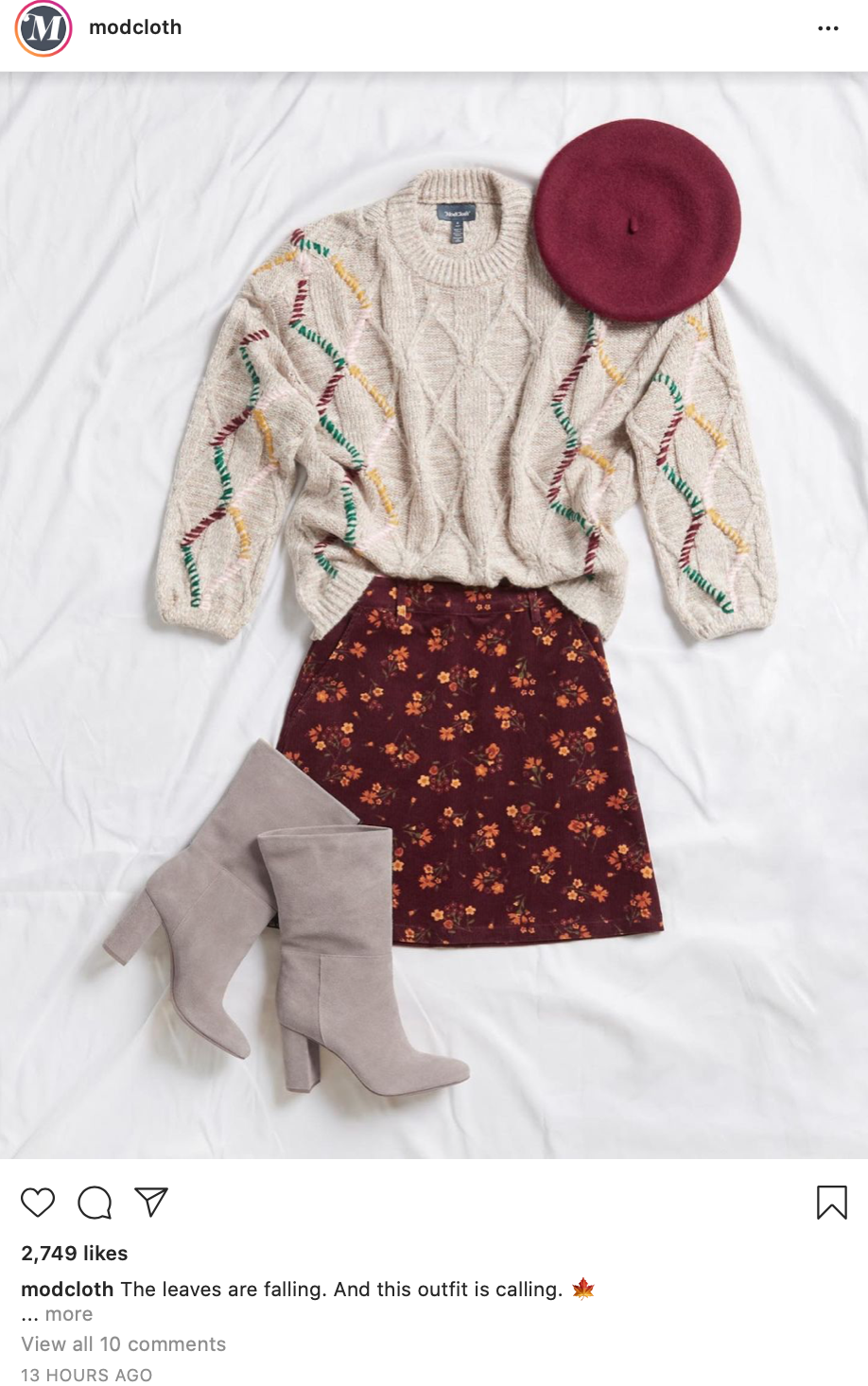
For example, apparel retailers frequently align their seasonal marketing with established weather tropes, using phrases like "The leaves are falling. And this outfit is calling." This simple linguistic alignment taps into collective seasonal moods, encouraging users to participate in comment sections by sharing their own styling preferences and seasonal routines.
Diversifying Hashtag Architecture
Hashtags remain one of the most effective organic discovery tools on Instagram. By categorizing content, hashtags enable posts to reach users who do not yet follow the publishing account.
While Instagram permits up to 30 hashtags per post, social media analysts advise against excessive stuffing, recommending a curated selection that balances visibility with brand alignment. Best practices suggest diversifying hashtag strategies across campaigns by incorporating a healthy mix of:
- Branded hashtags (exclusive to the company or campaign)
- Seasonal or temporal hashtags (tied to holidays, events, or weather)
- Interest-based or niche hashtags (targeting specific hobbyists or consumer segments)
- Location-based hashtags (crucial for local brick-and-mortar enterprises)
By rotating these categories, brands can maximize their footprint across multiple algorithmic discovery feeds without appearing spammy.
Driving Engagement and Conversions
Because organic posts do not support clickable links in the main text body, driving immediate, measurable action requires deliberate engagement tactics. Maximizing engagement not only fosters community loyalty but also satisfies the platform’s algorithm, which prioritizes high-interaction content in user feeds.
Asking Direct Questions
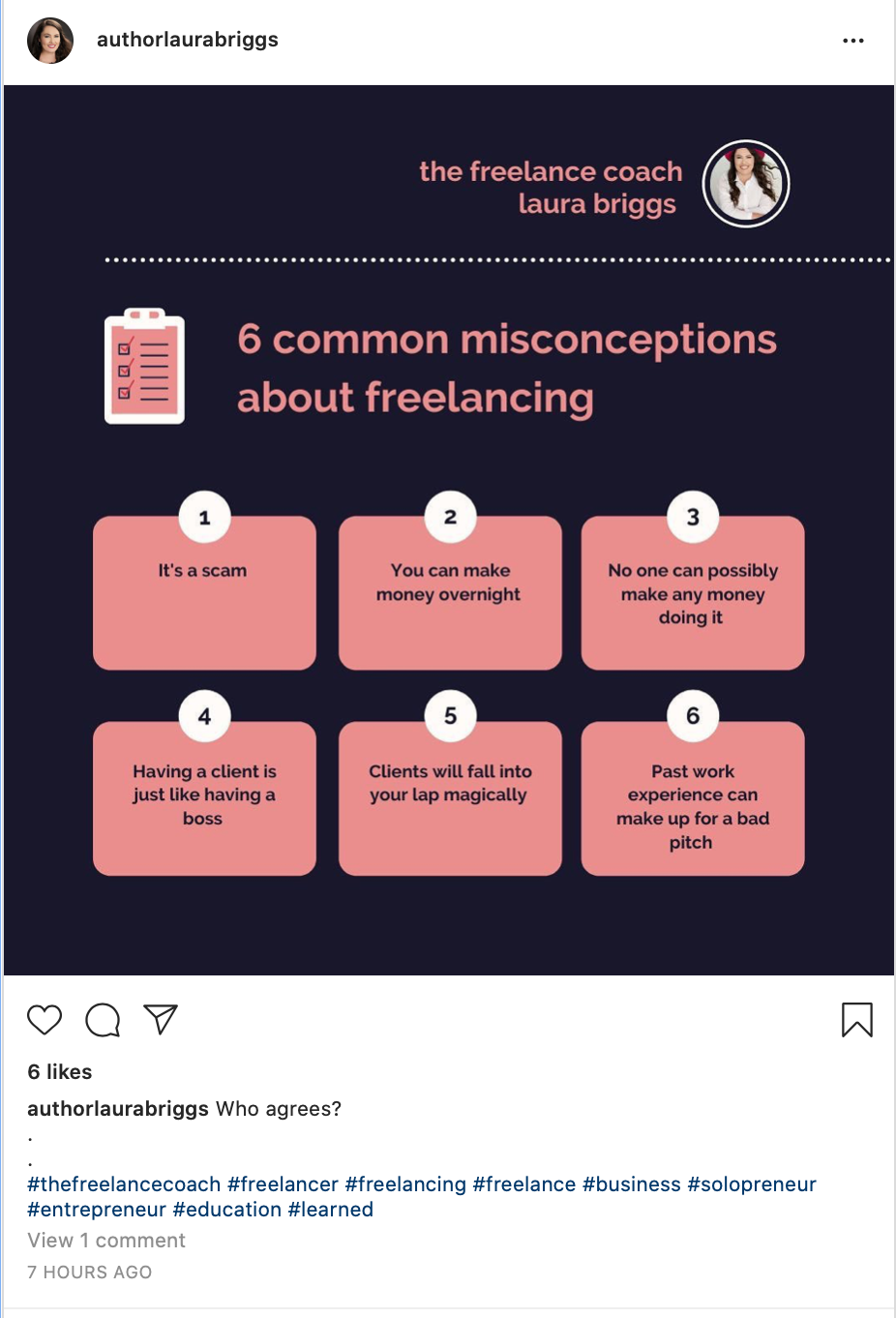
One of the simplest ways to jumpstart a conversation is to close a caption with a direct, low-friction question, such as "Who agrees?" or "What’s your go-to weekend routine?" This prompts users to pause their scrolling momentum and leave a comment, thereby boosting algorithmic visibility.
Encouraging Peer Tagging
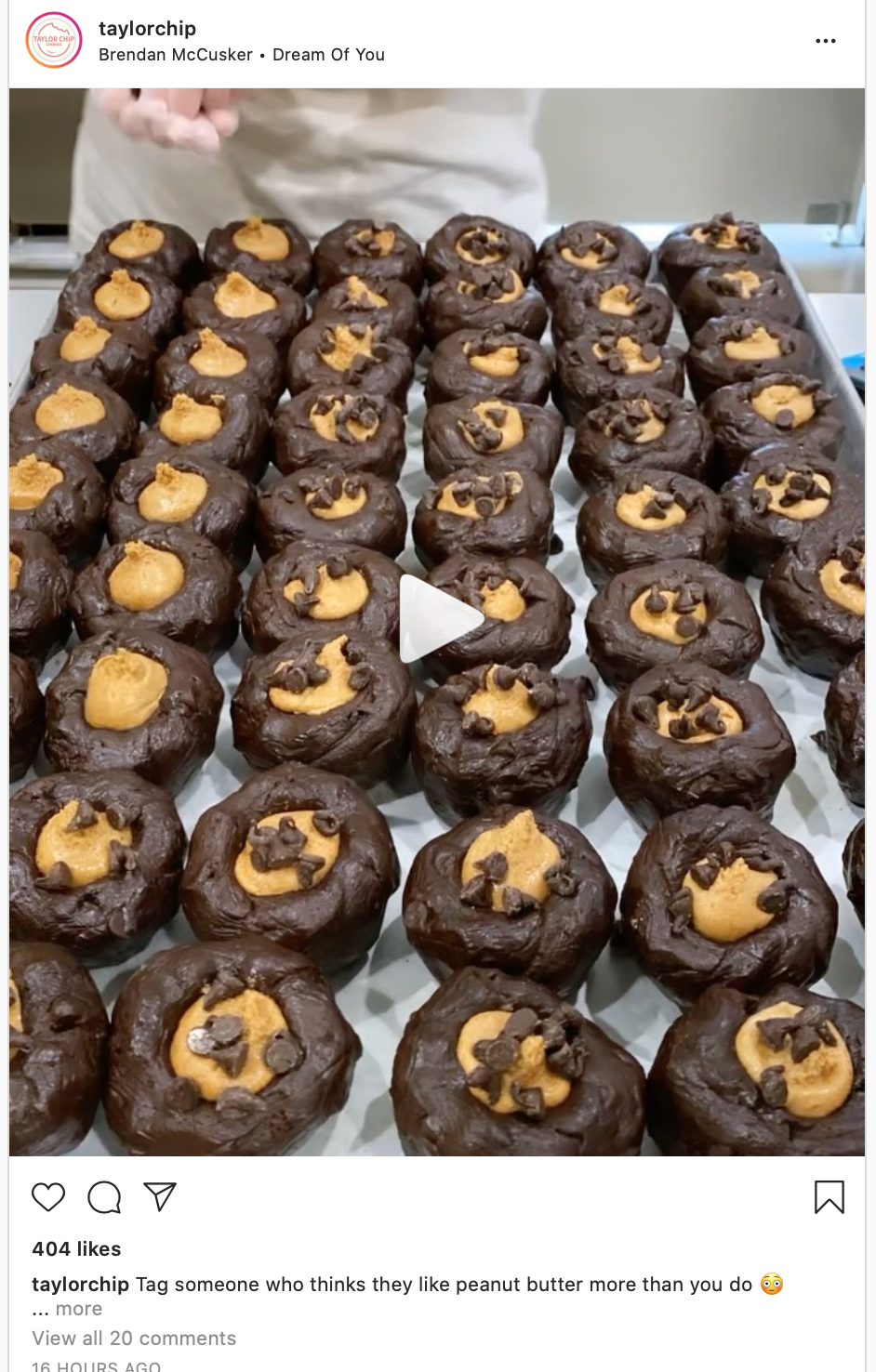
Strategic peer-tagging prompts—such as asking users to tag a friend who shares a specific trait or craving—can exponentially expand a post’s organic reach. When executed tastefully and infrequently to prevent audience fatigue, this tactic invites a natural dialogue in the comments section while simultaneously exposing the brand to new prospective followers.
Implementing Action-Oriented CTAs
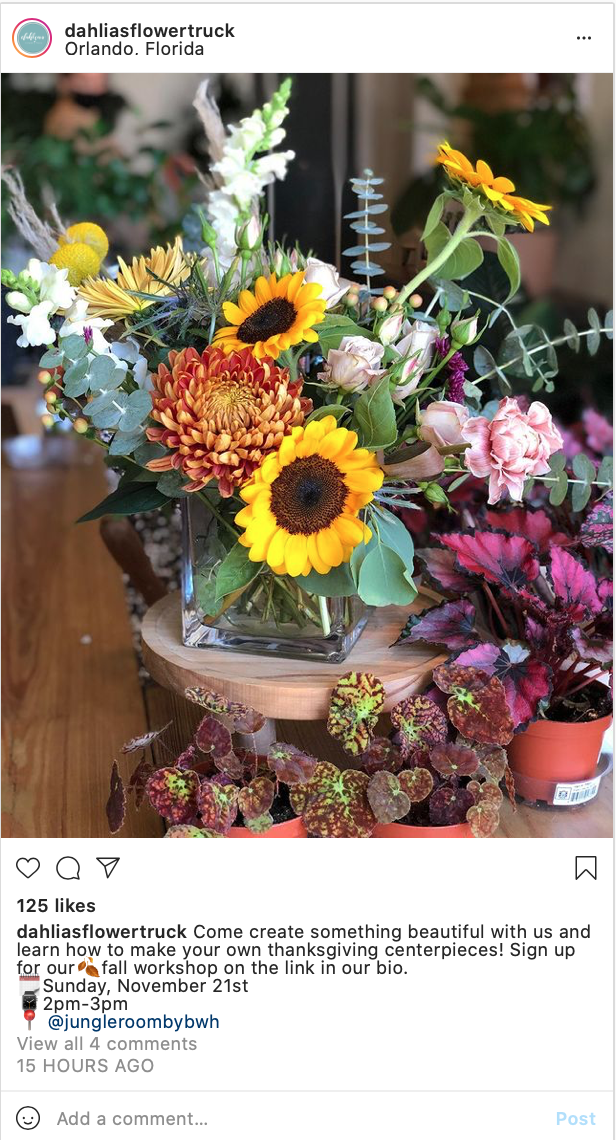
Beyond mere vanity metrics like likes and comments, commercial success on social media relies on driving tangible business outcomes, such as event registrations, appointment bookings, or product purchases. An effective commercial CTA must be explicit, low-friction, and communicate immediate value. Whether promoting a localized creative workshop or launching a new product line, the caption must clearly outline the dates, times, value proposition, and exact procedural steps required to participate.
Technical Best Practices for Formatting
A well-written caption can be severely undermined by poor visual formatting. Given that mobile screens present a compressed viewing environment, text must be structured for optimal readability.
Mastering Line Breaks and White Space
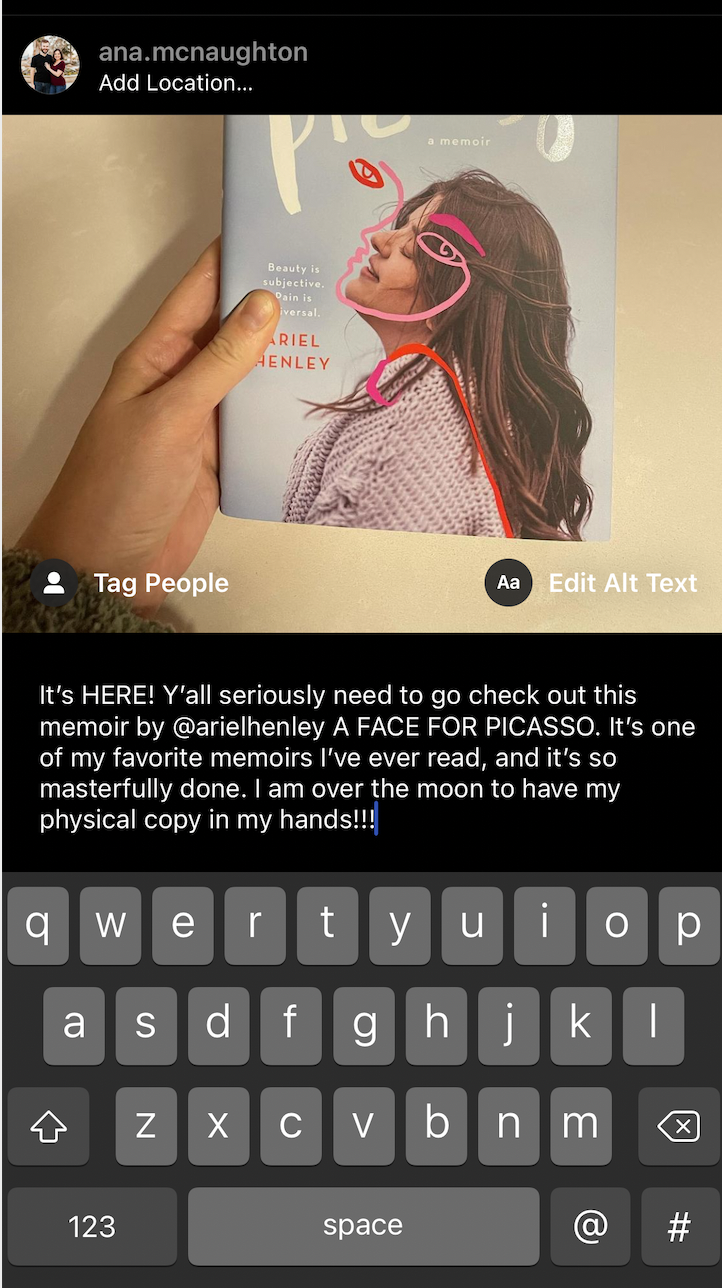
For captions extending beyond three lines, dense blocks of text can deter readers. Utilizing line breaks, paragraph spacing, or minimalist bullet points creates a clean, scannable layout. A reliable universal framework involves opening with a strong summary hook, leaving a blank line before the detailed body text, and placing hashtags or the final CTA at the very bottom, separated by additional spacing.
Editing Published Content
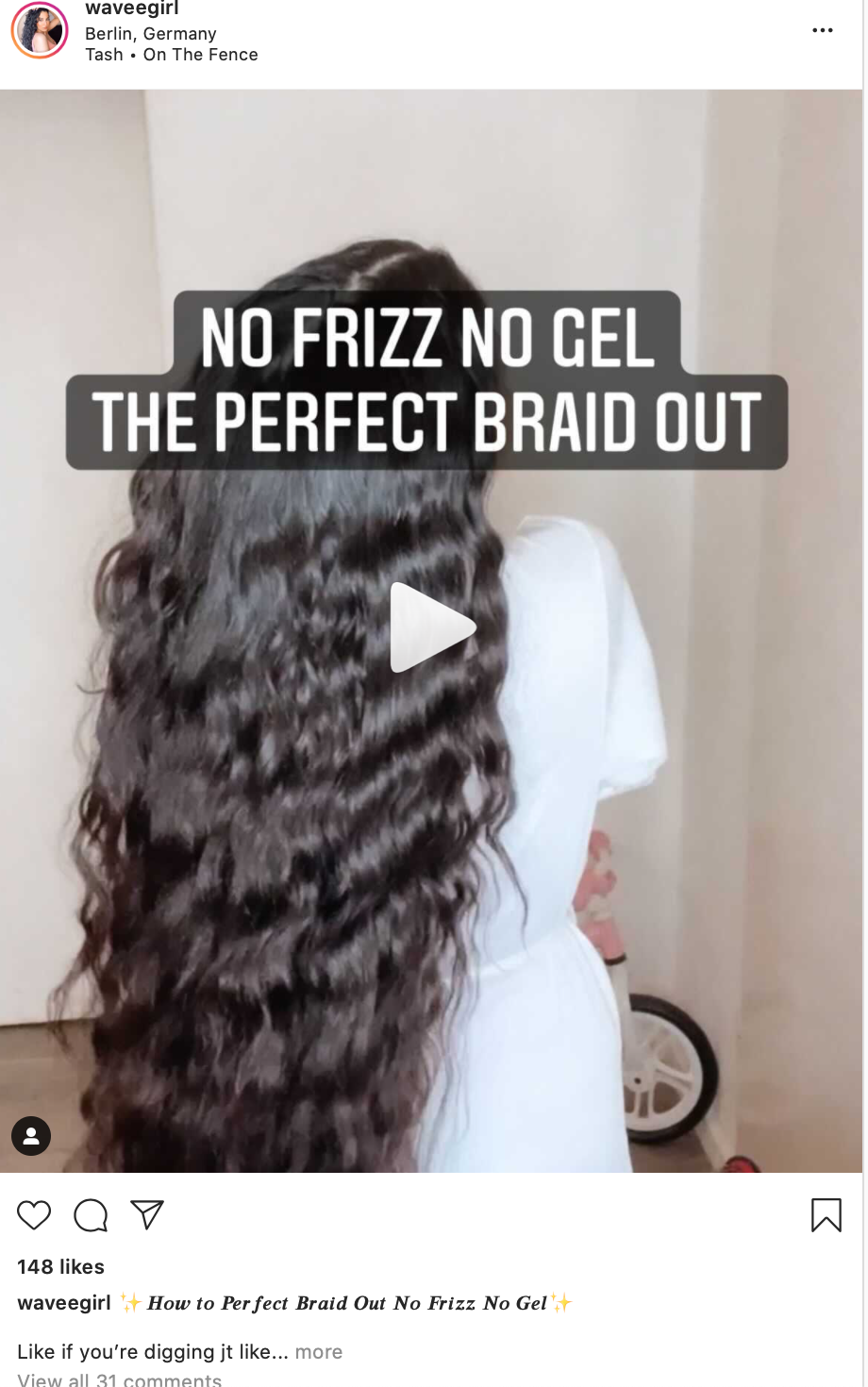
The platform’s native interface allows users to correct typos, refine phrasing, or update links seamlessly after publication. By navigating to the specific post, selecting the three-dot menu icon in the upper right corner, and choosing the edit option, creators can instantly modify text blocks without needing to delete and re-upload media assets.
Customizing Typography
To further differentiate content within a crowded feed, many brands utilize third-party Unicode font generators (such as IGFonts.io) to introduce stylized typography, bold headers, or italicized emphasis into specific sections of their text. While used sparingly to highlight key phrases or CTAs, this technique helps break the visual monotony of standard system fonts.