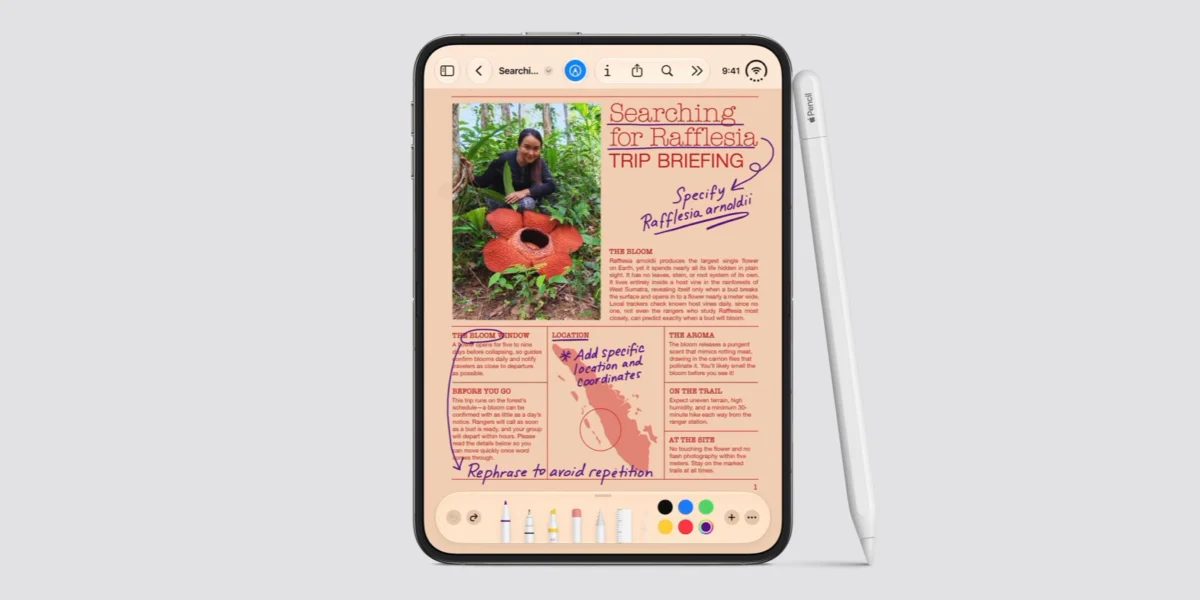
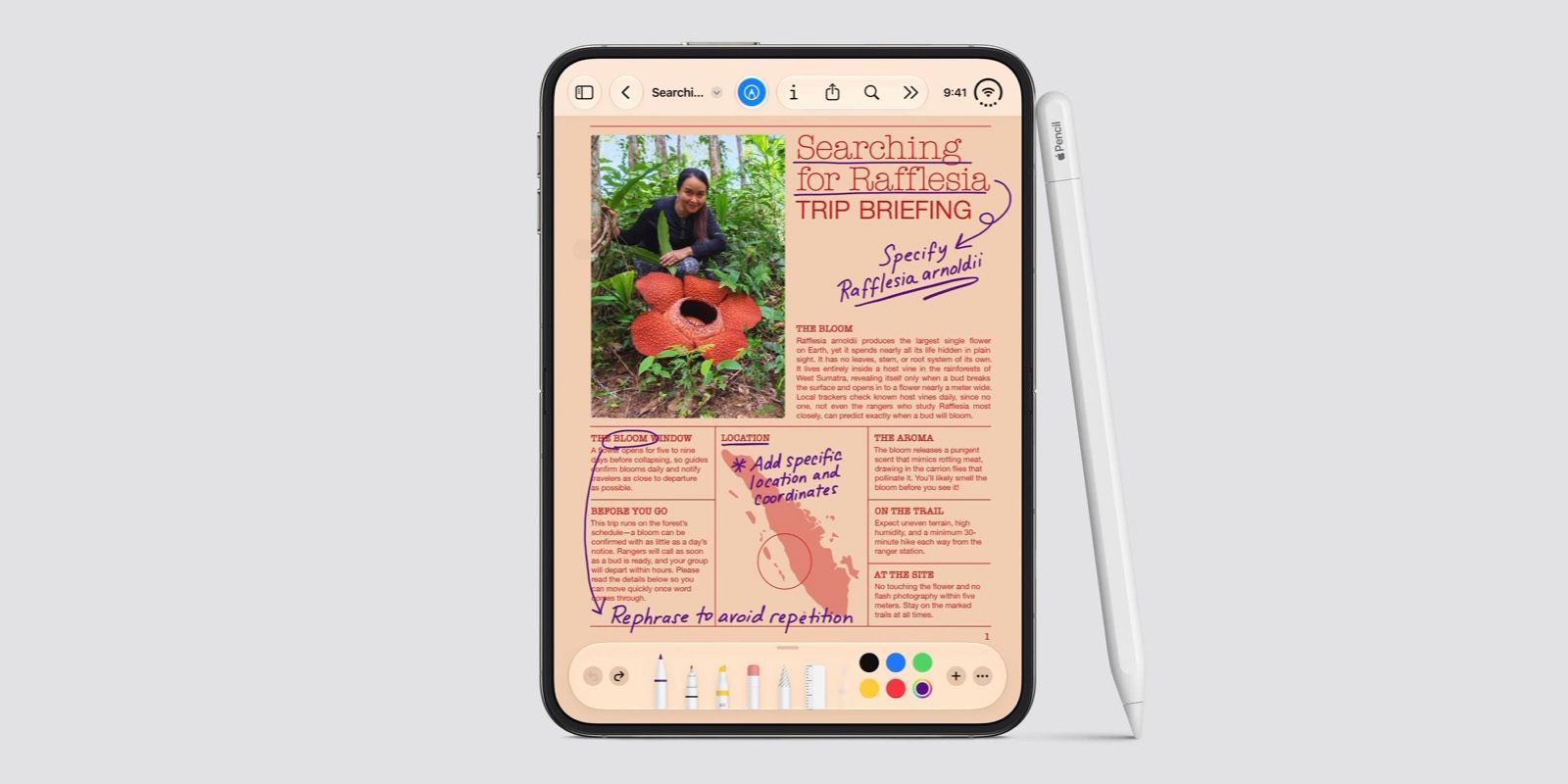
The release of the Apple iPhone Duo has ignited a renewed industry debate regarding the necessity of stylus integration in foldable smartphones. While Apple’s entry into the foldable market did not fundamentally disrupt the established design paradigms set by Android manufacturers, it has introduced a sophisticated approach to hardware-software synergy that is currently challenging the market-leading philosophy of Samsung. The integration of Apple Pencil support on the iPhone Duo, while initially appearing to be a straightforward feature addition, reflects a complex engineering effort that underscores a critical divergence between Apple’s focus on ecosystem utility and Samsung’s recent prioritization of ultra-thin device architecture.
A Chronology of Stylus Integration in Foldable Technology
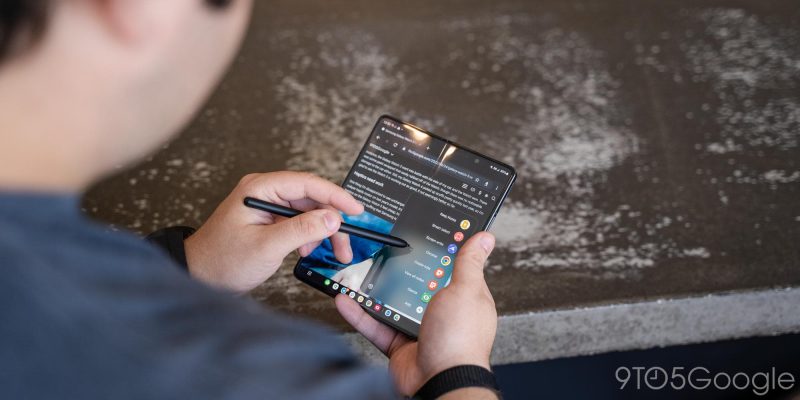
The history of the stylus in the foldable era is marked by experimentation and subsequent retrenchment. When Samsung launched the Galaxy Z Fold 3 in 2021, it was widely viewed as the spiritual successor to the discontinued Galaxy Note series. By engineering a specialized S Pen that operated without a battery—relying instead on electromagnetic resonance (EMR) technology—Samsung successfully bridged the gap between a pocketable phone and a digital notepad.
However, the industry trajectory shifted significantly between 2022 and 2026. The following timeline outlines the evolution of this feature:
- August 2021: The Samsung Galaxy Z Fold 3 introduces S Pen support, marking the first major foldable to integrate stylus technology.
- August 2022–August 2024: Samsung continues to refine S Pen integration through the Fold 4 and Fold 5, though the stylus remains an external accessory that cannot be stowed within the chassis.
- July 2025: Samsung releases the Galaxy Z Fold 7, officially removing S Pen support to accommodate a significantly thinner physical profile, citing consumer demand for improved ergonomics and portability.
- September 2026: Apple launches the iPhone Duo. While the device supports the USB-C version of the Apple Pencil, initial plans for a dedicated, hinge-mounted stylus are abandoned due to manufacturing constraints.
The Engineering Challenges Behind the iPhone Duo
Reports emerging from supply chain analysts, including insights from Bloomberg, reveal that the path to bringing the Apple Pencil to the iPhone Duo was far from seamless. Apple’s original design intent involved a proprietary, miniaturized version of the Apple Pencil that would have magnetically attached to the Duo’s hinge, mirroring the convenience of the S Pen in earlier Samsung devices.
The pivot to supporting the existing USB-C Apple Pencil—a stylus originally designed for the iPad ecosystem—was not an initial design goal but rather a reactive measure necessitated by "technical problems ahead of mass production." This transition highlights the immense difficulty of integrating digitizer technology into a foldable display that must maintain high durability while undergoing constant mechanical stress. Furthermore, the enabling software, which is expected to roll out in late 2026, is not a mere toggle; it requires complex calibration to ensure low-latency input across the Duo’s unique dual-screen hinge interface.
The Samsung Paradox: Form vs. Function
Samsung currently finds itself in a precarious position. Having removed S Pen support from the Galaxy Z Fold 7, 8, and 8 Ultra, the company has effectively traded the productivity niche for a sleeker, more competitive physical form factor. Internal documentation and executive commentary suggest that Samsung’s R&D division is hyper-focused on reducing the weight and thickness of the Z Fold series to match traditional flagship devices.
The physical constraints are substantial. Integrating a digitizer layer—a grid of sensors that detects the stylus’s electromagnetic field—beneath the display assembly adds microns of thickness and marginal weight. In the high-stakes race for the "thinnest foldable," these minor adjustments have become major design hurdles. However, market analysts suggest that Samsung’s strategy may be failing to account for the professional user base that originally gravitated toward the Galaxy Z Fold series specifically for its multitasking and note-taking capabilities.
Broader Industry Implications and Competitive Analysis
The entry of the iPhone Duo into the foldable market acts as a catalyst for a potential "productivity reset." While Apple’s implementation is currently limited by the use of an iPad-centric stylus, the company has signaled that it views the foldable form factor as a canvas for professional creative work. This creates a market pressure that Samsung cannot ignore.
The competitive landscape is as follows:
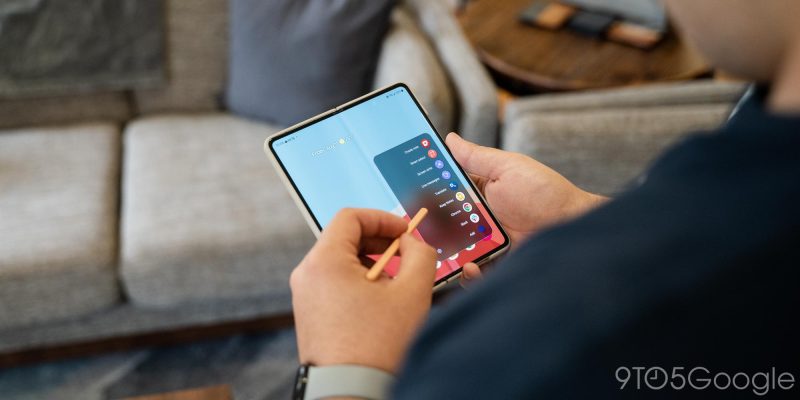
- Chinese Foldable OEMs: Manufacturers like Huawei, Xiaomi, and Vivo have largely embraced active stylus support across their foldable portfolios. By offering these features, they have successfully positioned their devices as comprehensive "workstations," creating a contrast with Samsung’s current minimalist approach.
- The Professional User Segment: Studies on mobile productivity indicate that users of large-screen smartphones are 40% more likely to utilize a stylus for annotating documents, photo editing, and signing contracts. By excluding this feature, Samsung risks alienating the "power user" segment that it cultivated during the Galaxy Note era.
- Software Optimization: The critical takeaway from Apple’s current challenge is that hardware is only half the battle. The successful implementation of a stylus on a foldable device requires operating system-level support that recognizes the hinge, handles palm rejection across the fold, and optimizes the UI for precision input.
The Path Forward for Galaxy Z Fold 9
Market observers and supply chain insiders anticipate that the Galaxy Z Fold 9 will likely mark a return to stylus support. Samsung has been notably cautious in its public statements, neither confirming nor denying a permanent departure from the S Pen. However, the pressure from Apple’s adoption of stylus-based workflows on the iPhone Duo, combined with persistent demand from the Android community, makes a reversal highly probable.
Industry experts suggest that Samsung is likely exploring "active" stylus technology that does not require a bulky digitizer layer, potentially utilizing optical or ultrasonic tracking that could exist within the display stack without compromising the device’s thickness. Should Samsung succeed in re-integrating the S Pen into the Z Fold 9, it will likely be marketed not as a return to the past, but as a refined, next-generation input method that addresses the durability issues that plagued earlier iterations.

Conclusion: The Convergence of Productivity and Design
The iPhone Duo’s foray into stylus support serves as a significant marker in the evolution of mobile technology. It reinforces the idea that foldable devices are no longer just experimental prototypes but are maturing into tools for serious, professional-grade tasks.
For Apple, the challenge remains in refining the user experience—moving from an "add-on" accessory to a fully integrated, native input solution. For Samsung, the challenge is more fundamental: the company must decide whether its pursuit of a thinner, lighter foldable is more important than the functional versatility that originally defined its foldable category. As the industry moves toward 2027, the success of these devices will likely be determined not by who can build the thinnest phone, but by who can most effectively bridge the gap between a mobile device and a digital workspace. The re-emergence of the stylus as a focal point of these discussions suggests that, in the era of large-screen foldables, the pen is indeed becoming mightier than the touch-only interface.