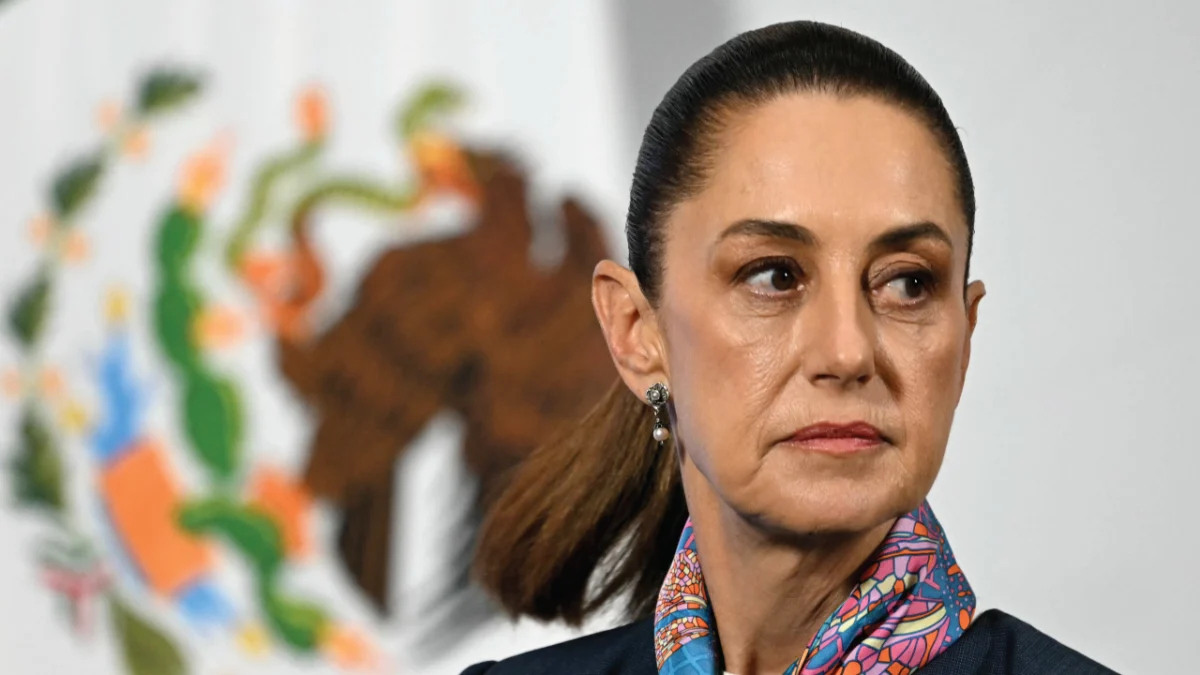
Mexican President Claudia Sheinbaum, having completed a year and a half in office, maintains a broad base of support across the nation, yet recent findings from a spring Pew Research Center survey indicate a noticeable erosion in public sentiment towards her and her ruling left-leaning Morena party. The comprehensive survey, conducted between February 20 and April 10, 2026, reveals a significant decline in favorability ratings for both the President and her political vehicle since the previous year, alongside a marked decrease in public optimism regarding the national economy and the functioning of Mexican democracy. This shift suggests a critical juncture for the Sheinbaum administration as it navigates persistent domestic challenges and external pressures, marking a transition from an initial honeymoon period to a more scrutinized phase of governance.
Sheinbaum’s Ascent and the "Fourth Transformation" Legacy
Claudia Sheinbaum’s rise to the presidency in 2024 was a landmark event in Mexican history, as she became the country’s first female head of state. Her victory was not only personally historic but also a resounding triumph for the Morena party, solidifying its dominance in Mexican politics. Sheinbaum, a former mayor of Mexico City and a climate scientist, was handpicked as the successor to the charismatic and hugely popular Andrés Manuel López Obrador (AMLO). She campaigned on a platform of continuity, promising to deepen AMLO’s "Fourth Transformation" (4T) agenda, which emphasized social justice, anti-corruption, and state-led development.
The 4T, initiated in 2018, aimed to dismantle entrenched corruption and neoliberal policies, redirecting public resources towards social programs and infrastructure. AMLO’s populist appeal and direct communication style fostered immense loyalty, and Sheinbaum benefited significantly from this inherited political capital. Her initial year in office, 2025, reflected this strong foundation, with an impressive 83% favorability rating among Mexican adults. This indicated a strong public mandate and high expectations for her to continue the transformation, address pressing national issues, and improve living standards for all Mexicans. The public’s initial embrace of Sheinbaum underscored a desire for stability and a continuation of the progressive policies championed by Morena.
Erosion of Favorable Views: A Detailed Look at the Numbers
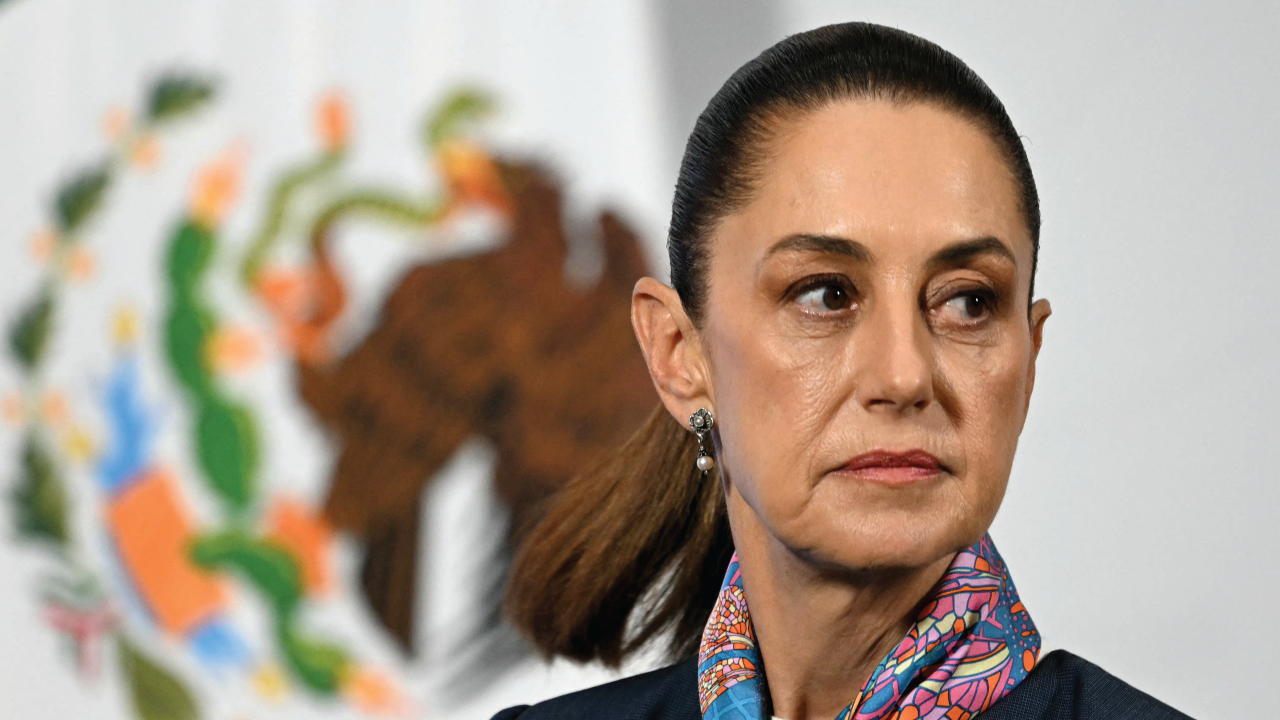
The latest Pew Research Center survey, however, reveals a significant recalibration of public opinion after eighteen months of Sheinbaum’s administration. By early 2026, her favorability rating had dropped to 64%, a substantial 19-percentage-point decline from the previous year. While still indicating that a majority of Mexicans hold a positive view of their president, this decrease is a clear signal of shifting sentiments.
More acutely, the intensity of support has waned. The proportion of Mexicans expressing a very favorable opinion of President Sheinbaum plummeted from 46% in 2025 to just 24% in 2026. This halving of fervent support suggests that while many still approve of her generally, the initial enthusiasm and unwavering confidence have diminished, replaced by a more tempered and perhaps pragmatic assessment of her leadership. This trend often occurs as administrations move beyond their introductory phase and face the complex realities of governance, where policy outcomes and daily challenges begin to influence public perception more directly.
Morena’s Standing Amidst Shifting Tides
The Morena party, the political vehicle that brought Sheinbaum to power, has also experienced a similar dip in public favorability. The survey indicates that 61% of Mexican adults view Morena favorably in 2026, down from 78% in 2025. This 17-point reduction mirrors the decline in the President’s personal ratings, suggesting a broader public reassessment of the ruling party’s performance and direction.
Despite this decline, Morena maintains a dominant position in the Mexican political landscape. It remains significantly more popular than its key rivals and is the only party that enjoys a net positive favorability rating, meaning more Mexicans view it favorably than unfavorably. For comparison, the centrist Citizens’ Movement (MC) registered 44% favorability, the conservative National Action Party (PAN) stood at 30%, and the once-hegemonic Institutional Revolutionary Party (PRI) garnered only 26% favorability. This enduring lead highlights the continued fragmentation and weakness of the opposition, which has struggled to coalesce into a formidable counterforce against Morena. While Morena’s overall popularity remains high compared to its competitors, the erosion of its support base could signal potential challenges in local and legislative elections, especially if the current trends persist.
Assessing Sheinbaum’s Performance on Key Issues

The Pew Research Center survey provided a granular view of public approval for President Sheinbaum’s handling of specific policy areas, revealing a mixed bag of strengths and significant weaknesses.
Areas of Strength:
- Education: Sheinbaum receives high marks for her approach to education, with 65% of Mexican adults approving of her efforts. This suggests that the administration’s policies in this sector, which often include social programs and investments in educational infrastructure, are resonating positively with the public.
- Economy: Despite broader concerns about the national economy, 61% of respondents approve of Sheinbaum’s handling of economic matters. This moderate approval indicates that while overall economic sentiment has declined, a majority still perceives her administration as competently managing the country’s finances.
- Relations with the U.S.: Maintaining stable and productive relations with the United States is paramount for Mexico, given their extensive economic and security ties. 55% of Mexicans approve of Sheinbaum’s management of this critical bilateral relationship, reflecting a perception of diplomatic stability.
Areas of Concern:
- Fighting Organized Crime and Drug Traffickers: This remains a deeply entrenched and violent challenge for Mexico. Only 45% of Mexicans approve of Sheinbaum’s efforts in this critical area, with a majority expressing disapproval. This reflects widespread public frustration and a sense that the government’s strategy has not yielded sufficient improvements in security.
- Fighting Corruption: Despite being a cornerstone of the 4T agenda, the fight against corruption also garners low approval, with only 45% of respondents satisfied with Sheinbaum’s handling. This indicates that public perception of corruption persists, and the administration’s initiatives may not be seen as effective enough to tackle systemic issues.
A significant finding is the pronounced partisan divide in these assessments. Supporters of Morena and its allied parties—the Ecologist Green Party of Mexico (PVEM) and the Labor Party (PT)—consistently show higher approval ratings for the President across all issues. For example, 56% of these allied supporters approve of her anti-corruption efforts, compared to only 37% among non-supporters. This divergence highlights the importance of party loyalty in shaping public perception, yet it also underscores the administration’s challenge in winning over a broader, less politically aligned segment of the population, particularly on critical issues like security and corruption.
Deteriorating Confidence in the Economy and Democracy
Beyond individual and party favorability, the survey unveils a broader, more troubling trend in public confidence regarding Mexico’s economic trajectory and the health of its democratic institutions.

Economic Outlook: The percentage of Mexicans who view the national economic situation as "good" has plummeted from 61% in 2025 to 49% in 2026. This nearly equal split with those who deem the economy "bad" signifies a sharp deterioration in public optimism. This decline coincides with real-world economic indicators, including a Reuters report confirming that Mexico’s economy contracted in the first quarter of 2026. Such economic headwinds, even if modest, can significantly impact household sentiment, leading to increased anxiety about job security, inflation, and future prosperity.
Democratic Satisfaction: Even more concerning is the dramatic erosion of satisfaction with the functioning of democracy in Mexico. Only 33% of Mexican adults expressed satisfaction with the way democracy is working in 2026, a precipitous fall from 51% just one year prior. This 18-percentage-point drop indicates a growing disillusionment with democratic processes and institutions. This could stem from various factors, including concerns over the independence of the judiciary, potential electoral reforms, or a general feeling that the democratic system is not effectively addressing the nation’s pressing problems.
Notably, both the decline in economic optimism and democratic satisfaction are most pronounced among those who identify with the ideological left, the very base of President Sheinbaum and Morena. The proportion of left-leaning individuals who rated the economic situation as good fell by a striking 24 percentage points, whereas those on the right and in the center saw only 6-point declines. Similarly, satisfaction with democracy among the ideological left has significantly diminished. This internal critique from Morena’s core constituency is particularly significant, suggesting that even their most ardent supporters are experiencing a sense of unease and potentially unmet expectations.
Chronology of Events and Their Influence
The period during which the Pew Research Center survey was conducted (February 20 to April 10, 2026) was punctuated by several high-profile events that likely influenced public sentiment and provided context for the survey’s findings.
The Killing of "El Mencho": During the survey fieldwork, news broke of the death of Nemesio Oseguera Cervantes, alias “El Mencho,” the notorious leader of the Jalisco New Generation Cartel (CJNG). Reports indicated he died in the custody of Mexican special forces. While a significant blow to one of Mexico’s most powerful criminal organizations, El Mencho’s death triggered immediate and widespread retaliatory violence from the CJNG across various parts of the country. This surge in cartel activity, including road blockades, arson attacks, and direct confrontations with security forces, would have been fresh in the minds of survey respondents. The pervasive violence undoubtedly exacerbated public fears about insecurity and the government’s capacity to control organized crime, directly contributing to the low approval ratings for Sheinbaum’s efforts in this critical area.

Sinaloa Governor Indictment: Shortly after the survey fieldwork concluded on April 10, U.S. authorities indicted Rubén Rocha Moya, the sitting governor of Sinaloa, on charges related to aiding the powerful Sinaloa drug cartel. Governor Rocha Moya subsequently stepped down from his position. While this event occurred outside the survey window, it highlights the persistent issue of corruption and narco-infiltration at high levels of government. Had this indictment been public during the survey, it would almost certainly have further intensified public skepticism regarding the administration’s fight against corruption and institutional integrity, reinforcing existing anxieties about the pervasive influence of organized crime within political structures. These events, both during and immediately after the survey period, underscore the volatile security and political landscape in which the Sheinbaum administration operates.
Implications and the Path Forward for Sheinbaum
The findings from the Pew Research Center survey present a nuanced yet challenging picture for President Claudia Sheinbaum and the Morena party as they move forward. The significant decline in favorability, coupled with plummeting confidence in the economy and democracy, signals that the initial wave of post-election optimism is receding, giving way to a more critical public assessment.
Key Challenges:
- Security and Corruption: These remain the most critical and intractable issues. The public’s low approval ratings underscore a widespread perception that the administration has yet to make decisive inroads against organized crime and systemic corruption. The ongoing violence and high-profile cases of alleged official complicity demand a more robust and visibly effective strategy.
- Economic Stability: The shift in economic sentiment, exacerbated by a shrinking economy, poses a significant threat. If economic conditions do not improve or if the government fails to articulate a clear and effective plan for growth and equitable distribution, public dissatisfaction could deepen, particularly among the ideological left, who show the sharpest decline in confidence.
- Democratic Trust: The dramatic fall in satisfaction with democracy is arguably the most alarming trend. It indicates a potential crisis of confidence in the political system itself. This could stem from concerns about the independence of institutions, the integrity of the electoral process, or a perception that democratic governance is failing to deliver on its promises. Rebuilding this trust will require genuine commitment to strengthening democratic checks and balances and ensuring transparency.
- Maintaining Base Support: The disproportionate decline in support among the ideological left is a crucial warning sign for Morena. Losing the confidence of its core base could complicate Sheinbaum’s ability to implement her agenda, maintain party unity, and secure legislative victories.
Strategic Imperatives for the Administration:
To address these challenges, the Sheinbaum administration will likely need to adopt a multi-faceted approach:
- Renewed Focus on Security: A re-evaluation of security strategies, potentially involving a more aggressive stance against cartels and greater emphasis on dismantling their financial networks, alongside bolstering local law enforcement.
- Anti-Corruption Drive: Demonstrating tangible results in the fight against corruption, perhaps through high-profile prosecutions and strengthening oversight bodies.
- Economic Revitalization: Implementing policies aimed at stimulating sustainable economic growth, creating jobs, and ensuring that the benefits are widely distributed to alleviate economic anxieties.
- Democratic Reaffirmation: Clearly articulating a commitment to democratic principles, respecting institutional autonomy, and engaging in open dialogue with civil society to rebuild trust in the political system.
- Effective Communication: More transparent and proactive communication about policy achievements and challenges, aiming to manage public expectations and counter negative narratives.
While Morena still enjoys a considerable advantage over a fragmented opposition, these survey results serve as a vital indicator of the shifting political landscape in Mexico. President Sheinbaum’s ability to adapt, address core public concerns, and demonstrate tangible progress in the face of these complex challenges will define the legacy of her presidency and shape the future trajectory of Mexico’s ambitious "Fourth Transformation." The coming months will be crucial in determining whether her administration can reverse these declining trends and consolidate public confidence, or if these early warning signs will foreshadow deeper political challenges.