The digital marketing landscape relies heavily on precise execution, automated bidding, and real-time consumer engagement. For modern brands and media buyers, few obstacles are as exasperating as investing time and capital into a campaign, only to discover that the Facebook Ads Manager reports a complete delivery halt. When active campaigns fail to generate impressions, outreach grinds to a halt, key performance indicators are missed, and marketing budgets sit underutilized.
Understanding why Facebook ads stop delivering requires a deep dive into the platform’s proprietary algorithms, auction mechanics, and compliance frameworks. According to recent digital advertising benchmarks, millions of businesses globally allocate substantial portions of their marketing expenditure to Meta’s ecosystem. When system stalls occur, identifying the root cause swiftly is paramount to maintaining return on ad spend (ROAS) and preserving campaign momentum.
Anatomy of an Undelivered Ad Campaign

Within Meta’s Ads Manager, the "Delivery" column serves as the primary diagnostic dashboard for campaign health. When an active campaign fails to distribute content to the specified target demographic, the platform typically flags the issue with specific sub-statuses, such as "Update required" or simply "Not delivering."
This phenomenon affects both newly minted ad sets and long-running campaigns that previously achieved steady results. Technical glitches, policy adjustments, and algorithmic re-evaluations frequently trigger these interruptions. Industry analysts note that sudden delivery drops are rarely random; they are usually the direct result of automated safeguards designed by Meta to protect user experience, ensure policy compliance, and maintain a competitive ad auction environment.
To help digital marketers navigate these hurdles, industry experts have compiled a comprehensive breakdown of the ten most prevalent catalysts behind non-delivering Facebook ads, accompanied by actionable, step-by-step remedies.
- The Underlying Post or Asset Is Unavailable
A frequent yet easily overlooked catalyst for delivery failures is the unavailability of the core organic post or creative asset linked to the ad. If an advertiser promotes an existing Facebook post or Instagram media item that has been deleted, hidden, or subjected to restricted privacy settings, the ad infrastructure collapses.
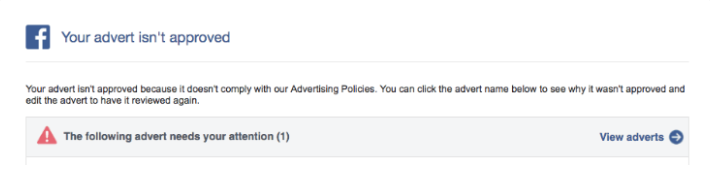
When this occurs, the Ads Manager typically flags the campaign with an "Update required" sub-status. Digital marketing teams can resolve this by verifying the source post’s status on the native page feed, adjusting viewing permissions from "Friends" or "Private" to "Public," or selecting an alternative active asset within the ad configuration settings. Once permissions or assets are corrected and the ad set is toggled back to active, standard delivery usually resumes.
- Ongoing Automated and Manual Ad Reviews
Every piece of creative submitted to the Meta advertising ecosystem undergoes a rigorous screening process before it is cleared for public distribution. Meta employs a dual-layer review framework consisting of advanced automated machine learning algorithms followed, when necessary, by manual evaluations conducted by human support staff.
According to official Meta business guidelines, the vast majority of advertisements are reviewed within a 24-hour window. However, platform-wide traffic surges—such as those occurring during major retail holidays like Black Friday, Cyber Monday, or the year-end holiday shopping season—frequently create review backlogs, extending approval times significantly.
To mitigate downtime, campaign managers are advised to schedule launches several days in advance, incorporating a buffer period for potential manual reviews. Furthermore, marketers must exercise caution: making edits to the targeting, budget, creative, or text of a scheduled or active ad can inadvertently reset the review clock, forcing the system to re-evaluate the asset from scratch.
- Policy Violations and Ad Rejections
Strict adherence to Meta’s advertising policies is non-negotiable. Ads that breach community guidelines, feature prohibited content, or contain misleading claims are swiftly rejected by the automated screening architecture, halting delivery entirely.
Common triggers for ad rejections include the use of profanity, sensationalized claims, sensational or before-and-after imagery, prohibited goods or services, and discriminatory targeting parameters. When a rejection occurs, administrators receive an automated notification detailing the specific policy infraction, which can be cross-verified within the Ads Manager dashboard.
Resolving a rejection typically involves two pathways: editing the ad copy and creative assets to eliminate the offending material, or submitting a formal appeal via the Account Quality dashboard if the rejection is believed to be an automated error. Additionally, advertisers must ensure that the associated landing page strictly mirrors the ad’s claims, remains functional, and avoids deceptive headlines. Campaigns falling into specialized categories—such as housing, employment, or social issues—must select the appropriate Special Ad Category designation to prevent automated suppression.
- Exhaustion of Account-Wide Spending Limits
Large-scale campaigns and multi-client agency accounts frequently implement account spending limits as a financial safeguard to prevent runaway spending. However, a common administrative oversight occurs when a team establishes an absolute spending threshold, forgets the configuration, and later finds that all campaigns have mysteriously stopped delivering.

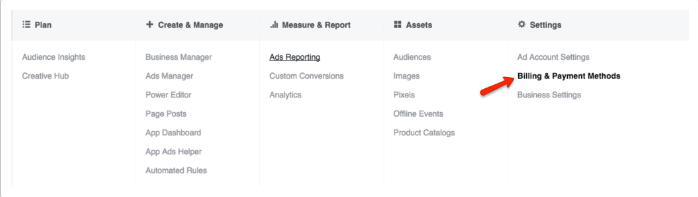
Once an account hits its pre-set financial ceiling, Meta’s system automatically pauses all active ad delivery across that account, regardless of individual campaign budgets. Restoring functionality requires navigating to the Ads Manager settings, accessing the Billing and Payment Methods tab, and subsequently increasing, resetting, or completely removing the account spending limit. Once updated, ad delivery generally resumes within a few minutes.
- Overly Restrictive Budgets and Aggressive Bid Caps
Meta’s delivery algorithm operates on complex auction mechanics that require adequate financial runway to optimize properly. When a campaign’s daily or lifetime budget is set excessively low—such as a nominal $3 daily allocation—the algorithm lacks the financial capacity to test audiences, gather statistically significant data, and deliver impressions efficiently.
Similarly, deploying restrictive manual bid caps alongside low budgets can choke a campaign. If an advertiser allocates a $50 daily budget but imposes an unrealistically low $2 bid cap, the system will frequently lose auctions or find zero opportunities to secure ad placements, leading to a total cessation of delivery.
Industry experts recommend utilizing lifetime budgets for targeted campaigns, allowing the algorithm to dynamically distribute funds across the campaign’s lifespan. Furthermore, starting new campaigns with the "Lowest Cost" automated bidding strategy enables the system to secure optimal results at competitive prices before introducing manual bid caps based on historical performance data.
- Excessively Narrow Audience Targeting
Hyper-targeting is celebrated for improving conversion relevance, but over-refining audience parameters can backfire disastrously. Meta’s delivery architecture technically requires a minimum threshold of users within a defined target audience to run effectively. If targeting parameters—such as niche interests combined with restrictive geographic and demographic filters—reduce the audience size to a few hundred people, or if a custom customer match list falls below expected volumes, the algorithm will struggle to distribute the ads.
To counteract this, media buyers should systematically broaden their target audiences. Recommended strategies include expanding geographic radiuses, layering broader interest categories, enabling Meta’s Advantage+ audience expansion features, or creating lookalike audiences derived from high-value customer segments.
- Internal Auction Overlap and Self-Competition
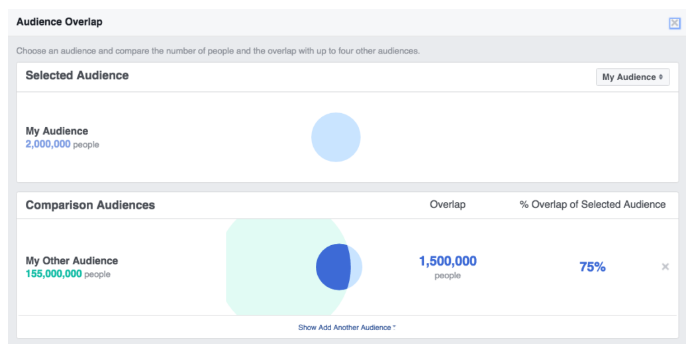
As digital marketing accounts scale, brands frequently deploy multiple ad sets targeting similar or identical audience segments. When two or more ad sets from the same advertiser compete in the exact same auction, internal auction overlap occurs.
To prevent advertisers from bidding against themselves and driving up their own costs, Meta’s system evaluates competing ad sets from the same account and selects the one with the highest total value to enter the auction, automatically pausing the lesser-performing assets. While this safeguard protects marketing budgets, it can severely cripple delivery across secondary ad sets.
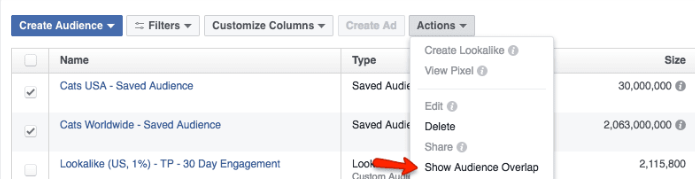
To diagnose and resolve this, marketers utilize the native Audience Overlap tool located within the Audiences tab of Ads Manager. By analyzing audience intersection percentages, advertisers can consolidate overlapping ad sets into a single, unified campaign, exclude conflicting custom audiences, or differentiate targeting criteria to eliminate internal friction.
- Low Ad Engagement and Poor Relevance Diagnostics
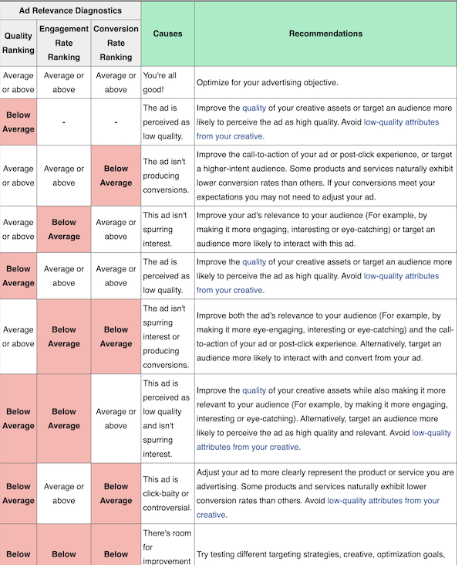
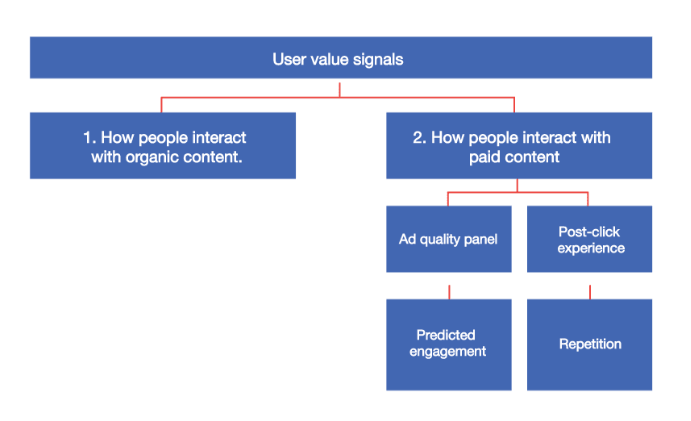
Meta’s core business model depends on maintaining user engagement across its platforms. Consequently, the ad delivery algorithm heavily favors content that generates positive user signals, such as high click-through rates, comments, shares, and watch time. If an ad receives poor engagement or is flagged by users as uninteresting or irrelevant, Meta’s system will systematically reduce its delivery in favor of higher-performing competitor ads.
Meta evaluates ad performance using relevance diagnostics, categorizing metrics into quality ranking, engagement rate ranking, and conversion rate ranking. When these rankings dip into the "low" tier, campaign delivery stumbles. Addressing this requires a comprehensive creative refresh—introducing more compelling visual assets, refining copywriting, and ensuring that post-click landing pages deliver a seamless user experience that matches audience expectations.
- Scheduling Errors and Misconfigured Timelines
Simple administrative oversights regarding campaign timing frequently explain sudden delivery halts. If an ad set’s scheduled end date has passed, if the campaign has been manually paused, or if the launch date is configured for a future window while the administrator expects immediate delivery, the system will withhold impressions.
Resolving scheduling anomalies requires a straightforward audit of the campaign’s time parameters within Ads Manager. Adjusting expired end dates, restarting paused campaigns, or shifting launch dates to the present day instantly reactivates the delivery pipeline.
- Unrealistic Optimization Goals and Conversion Starvation
Selecting the correct optimization goal instructs Meta’s algorithm on the specific consumer action a brand desires, shaping how the system identifies and targets high-intent users. However, a common strategic misstep involves optimizing for low-frequency, high-intent events—such as completed purchases or high-value product sign-ups—on a brand-new pixel or an account with limited historical traffic data.
If an ad fails to generate these rare conversion events quickly, the algorithm cannot gather the data signals required to identify interested users, eventually halting delivery altogether. Digital marketing veterans recommend a tiered optimization approach: starting a new campaign with a higher-frequency funnel event, such as "Link Clicks" or "Add to Cart," allowing the algorithm to accumulate volume and learn audience behavior. Once the campaign achieves consistent conversion traction, marketers can seamlessly transition the optimization goal back to bottom-funnel metrics like purchases or direct conversions.
Broader Implications for the Digital Advertising Industry
The intricacies of automated ad delivery systems underscore a broader evolution in digital marketing: the shift from manual micro-management to algorithmic collaboration. As platforms like Meta, Google, and TikTok increasingly rely on machine learning to govern ad auctions, creative strategy, and audience targeting, digital marketers must adapt their skill sets.
Rather than fighting platform algorithms with rigid constraints, modern media buyers are finding success by treating the algorithm as a partner. Providing sufficient data volume, maintaining strict policy compliance, and offering diverse, high-engagement creative variations are no longer optional best practices—they are foundational requirements for sustained digital visibility. As ad tech platforms continue to evolve, mastering the diagnostic tools within ad managers will remain a critical competency for brands seeking predictable growth in an increasingly automated marketplace.