Social media management has evolved significantly from a simple broadcast medium into a complex, two-way dialogue between brands and their audiences. As consumer expectations for rapid responses reach an all-time high, the burden on creators, small businesses, and enterprise agencies to maintain a consistent digital presence has grown exponentially. Ignoring direct messages, failing to acknowledge brand mentions, or leaving comments unanswered no longer just results in missed connections; it actively damages brand reputation and organic reach. Recent industry analysis confirms this trend: data aggregated from nearly 2 million posts across 220,000 accounts indicates that active community management can boost engagement rates by 5% to 42%, depending on the platform.
To navigate this landscape, organizations are increasingly turning to specialized social media engagement software. These platforms, often referred to as community management tools or engagement hubs, act as a central nervous system for digital communication. By aggregating comments, direct messages (DMs), and mentions into a unified inbox, these tools mitigate the inefficiency of manual cross-platform monitoring.
The Evolution of Community Management
The transition toward unified engagement tools was catalyzed by the fragmentation of the digital landscape. A decade ago, a brand might only manage a Facebook page. Today, that same brand must maintain a presence across X (formerly Twitter), Instagram, TikTok, LinkedIn, Threads, and professional networks like Google Business Profiles.
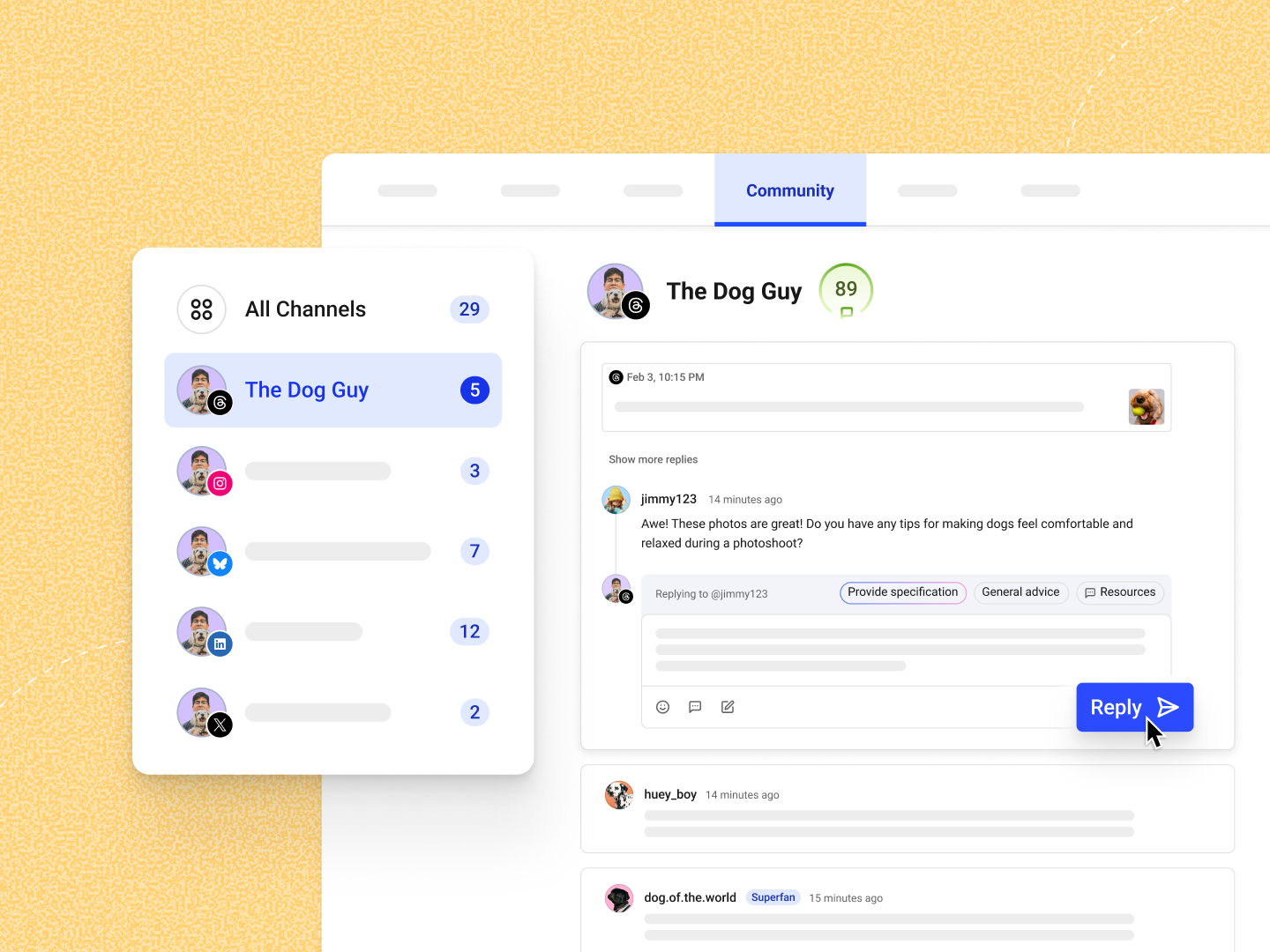
The necessity for these tools became clear as the volume of interaction surged. For many businesses, the "manual era"—where staff logged into individual accounts to check notifications—became operationally unsustainable by 2024. The introduction of AI-assisted response technology and automated moderation has further refined the sector, allowing teams to prioritize high-intent inquiries while filtering out spam or repetitive noise.
Comparative Analysis of Leading Engagement Platforms
Choosing the right software requires a careful balance of budget, team size, and feature requirements. As of October 2026, the following platforms have emerged as the industry standard for varying operational scales.
Solutions for Creators and Small Teams
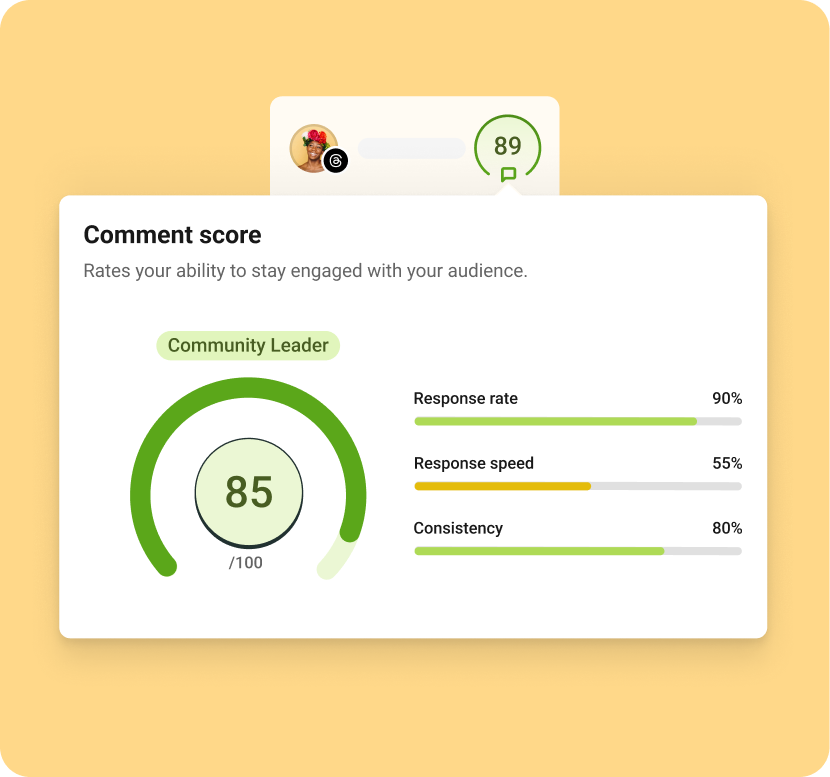
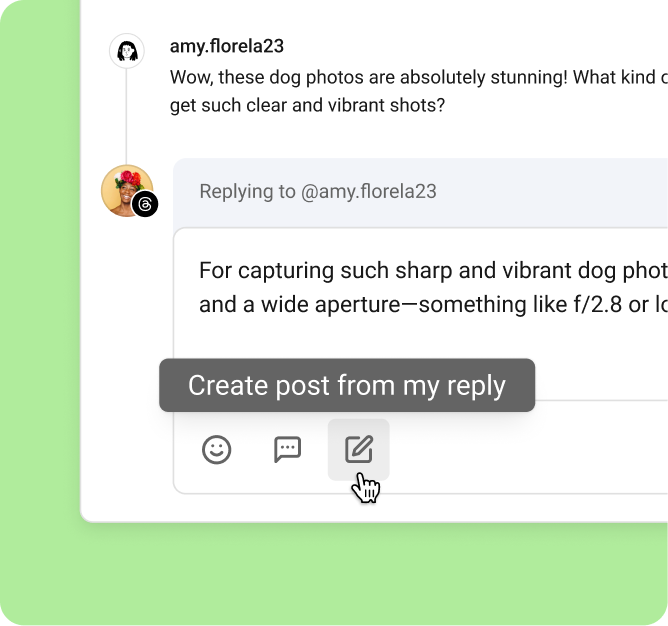
Buffer has positioned itself as a primary solution for creators and growing agencies, emphasizing a user-friendly, "calm" interface. Its core advantage lies in its multi-network support, covering ten distinct platforms. By integrating a "comment score" that tracks response consistency, Buffer gamifies the engagement process, encouraging users to build sustainable habits rather than treating community management as an afterthought.
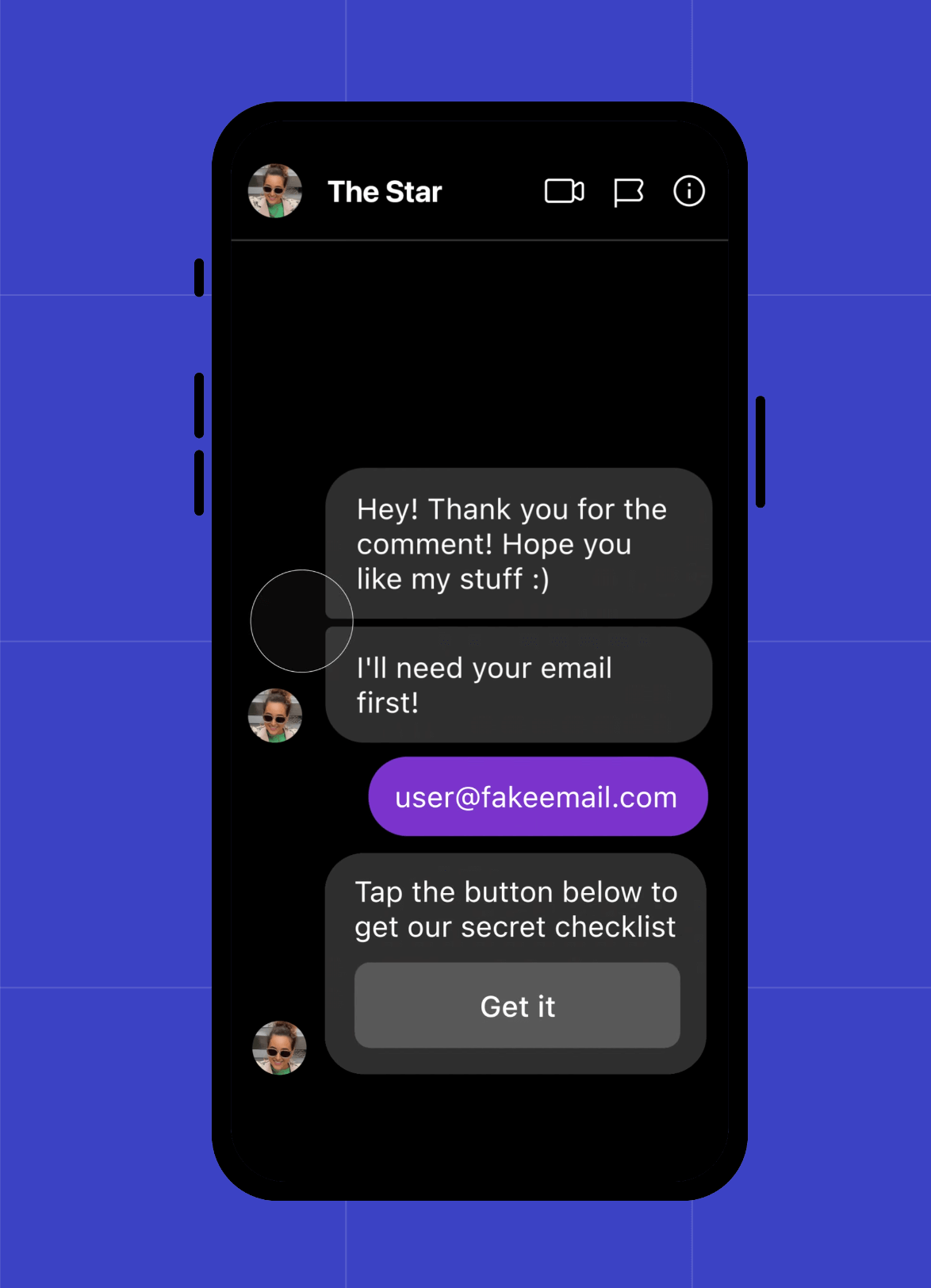
For those requiring deeper automation, Manychat remains the leader in DM-specific workflows. Rather than functioning as a traditional inbox, it acts as a 24/7 automated assistant. By utilizing keyword-triggered responses, businesses can provide instant access to resources or FAQs, effectively converting passive engagement into active lead generation.
Enterprise-Grade Management and Moderation
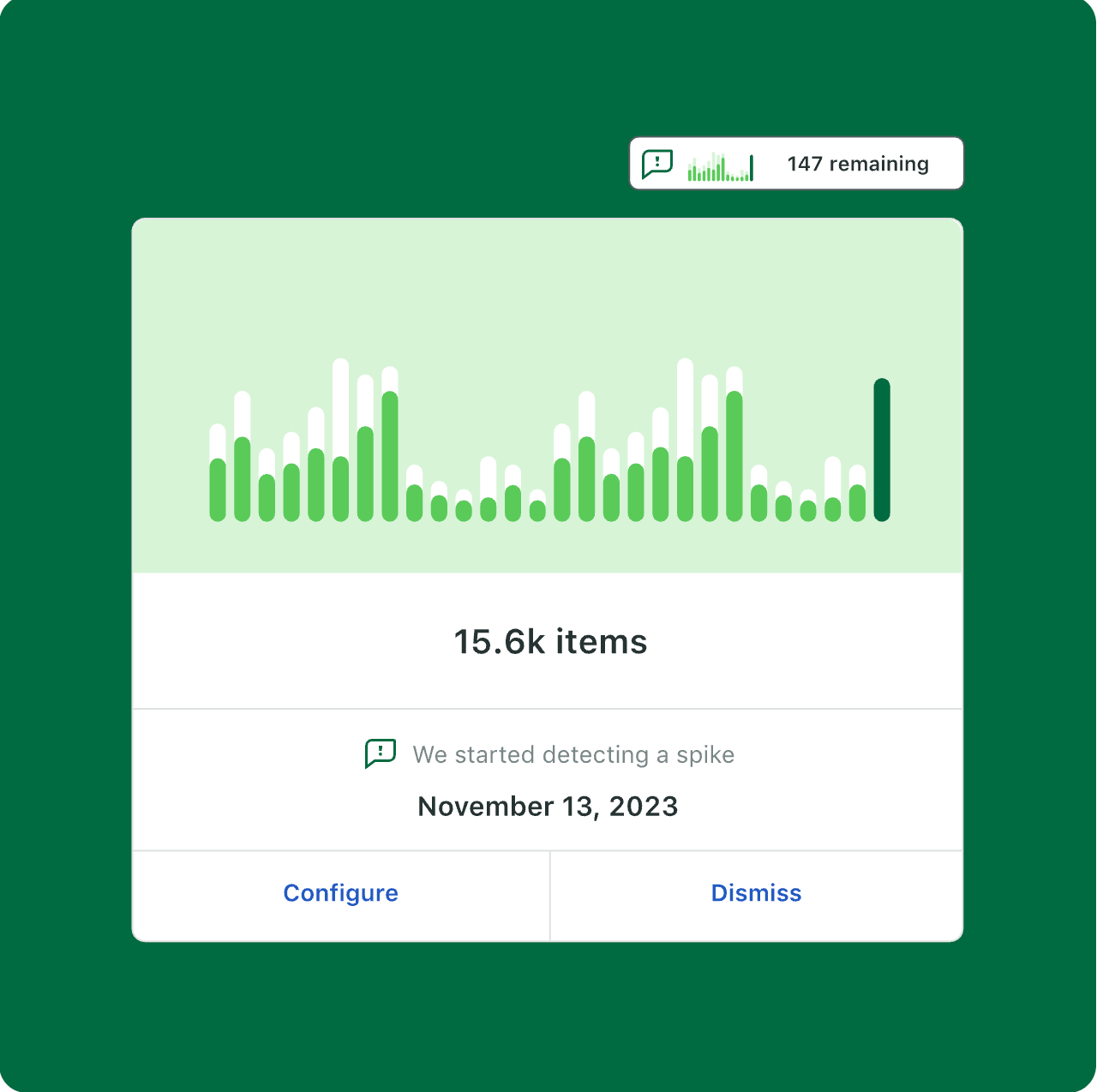
At the enterprise level, the requirements shift toward risk mitigation and high-volume data analysis. Sprout Social and Hootsuite dominate this segment, offering sophisticated tools for large-scale operations. Sprout Social, in particular, distinguishes itself through real-time alerts that detect sudden spikes in message volume. Such features are critical for crisis management, allowing teams to identify and address negative sentiment before it spirals into a public relations issue.
Hootsuite, meanwhile, offers comprehensive data masking and advanced routing capabilities. These features are essential for global organizations that must adhere to strict data privacy regulations, such as GDPR or CCPA, when handling customer queries that may contain sensitive information like payment details or personal identifiers.
Specialized Moderation and Analytical Tools
Not all tools are designed for general management. BrandBastion provides an AI-driven approach to comment moderation, specifically tailored for brands facing global scrutiny. By training its models across 109 languages, it can detect nuance, sarcasm, and regional slang that basic keyword filters would miss.
Conversely, Siftsy provides a post-mortem analysis of the comment section. Rather than managing live interactions, it allows brands to upload historical data to extract actionable insights. This helps teams identify what themes are driving positive sentiment and where the gaps in their product messaging exist, offering a strategic advantage for future content planning.
Strategic Implications for Businesses
The decision to invest in an engagement tool carries significant long-term implications for a brand’s digital strategy. Beyond mere efficiency, these tools provide a quantitative basis for social media ROI. By analyzing "first response time" and "resolution speed"—metrics readily available in platforms like Eclincher—businesses can align their social strategy with broader customer support goals.
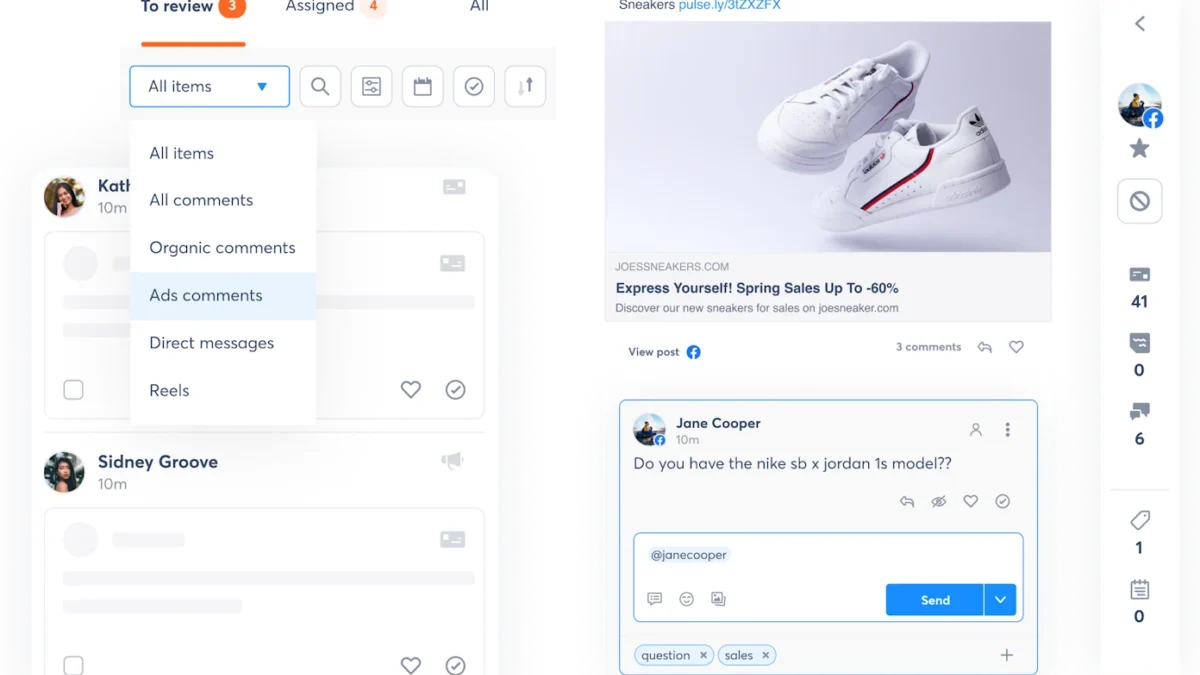
Furthermore, the integration of ad comment moderation into these platforms has bridged the gap between marketing and customer service. Agencies managing paid campaigns now utilize tools like Agorapulse to monitor ad-driven comments, ensuring that potential customers who express interest—or concern—in an ad are engaged immediately. This capability is vital for maximizing the return on ad spend, as an unanswered question on a sponsored post often represents a lost sale.
Industry Benchmarks and Considerations
For organizations currently evaluating their options, industry experts suggest a three-step validation process:
- Volume Assessment: Identify the average number of daily interactions. Small teams may find that free, native tools like Meta Business Suite are sufficient for Facebook and Instagram management.
- Channel Diversity: Determine if your audience is concentrated on one or two platforms or spread across multiple networks. If the latter, a unified, cross-platform inbox becomes a necessity rather than a luxury.
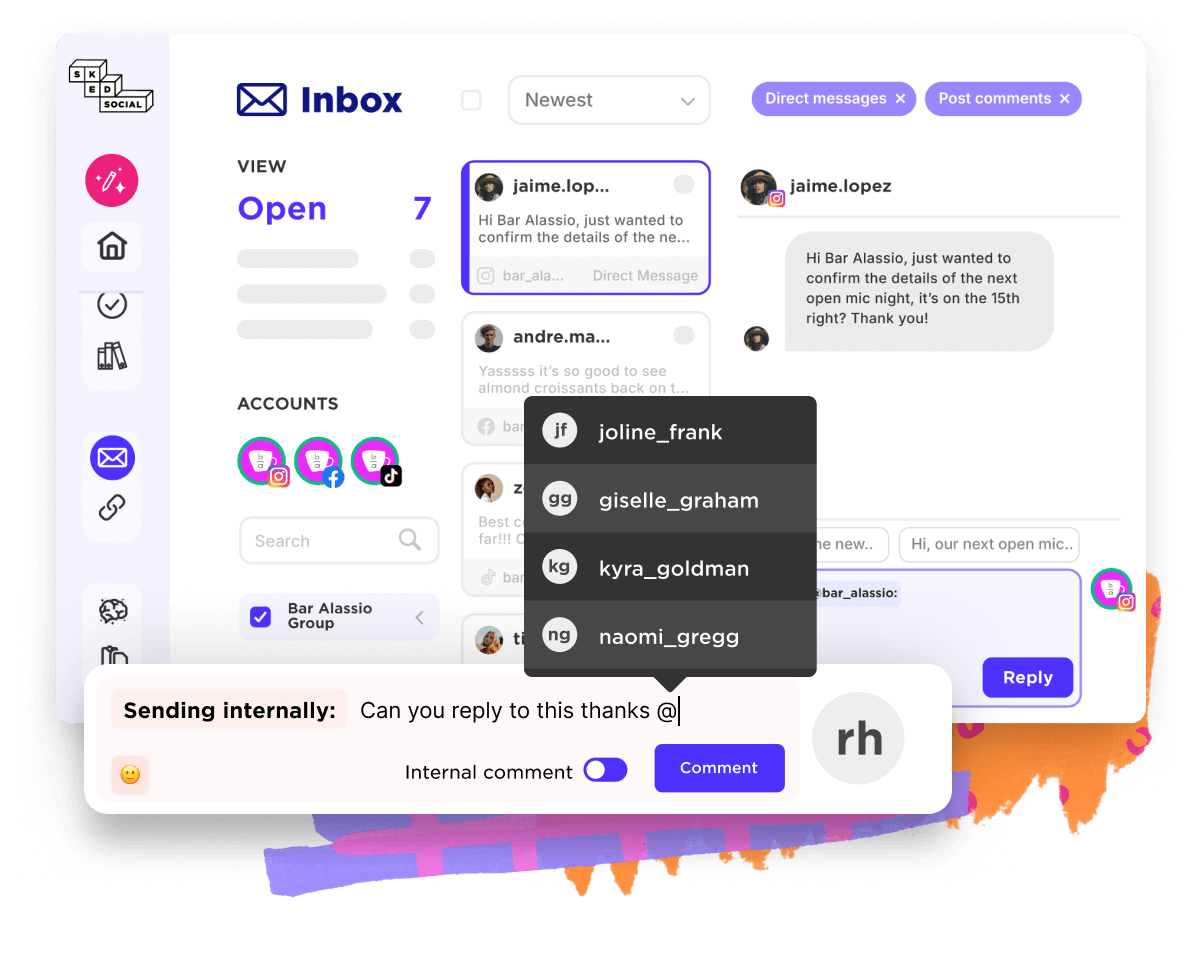
- Collaboration Needs: Consider the team structure. Do you require granular permission settings, internal note-taking, or client approval workflows? Tools like Sked Social are specifically engineered for these multi-stakeholder environments.
The Future of Automated Engagement
As we look toward the remainder of 2026, the trend toward AI-integrated engagement is expected to accelerate. Future iterations of these tools will likely focus on "predictive engagement," where software not only suggests replies but also identifies which comments are likely to escalate based on historical behavior patterns.
The fundamental truth remains: social media is a human-centric medium. While automation and AI are essential for maintaining scale, they should serve as a scaffold for genuine human connection. The most effective engagement strategy is one where technology removes the friction of technical management, allowing teams to focus on the nuance, empathy, and creativity that define successful brand-customer relationships.
Summary Table of Tool Capabilities
| Tool | Primary Focus | Best For |
|---|---|---|
| Buffer | Unified Inbox | Creators/Small Teams |
| Sprout Social | Crisis/Alerts | Enterprise |
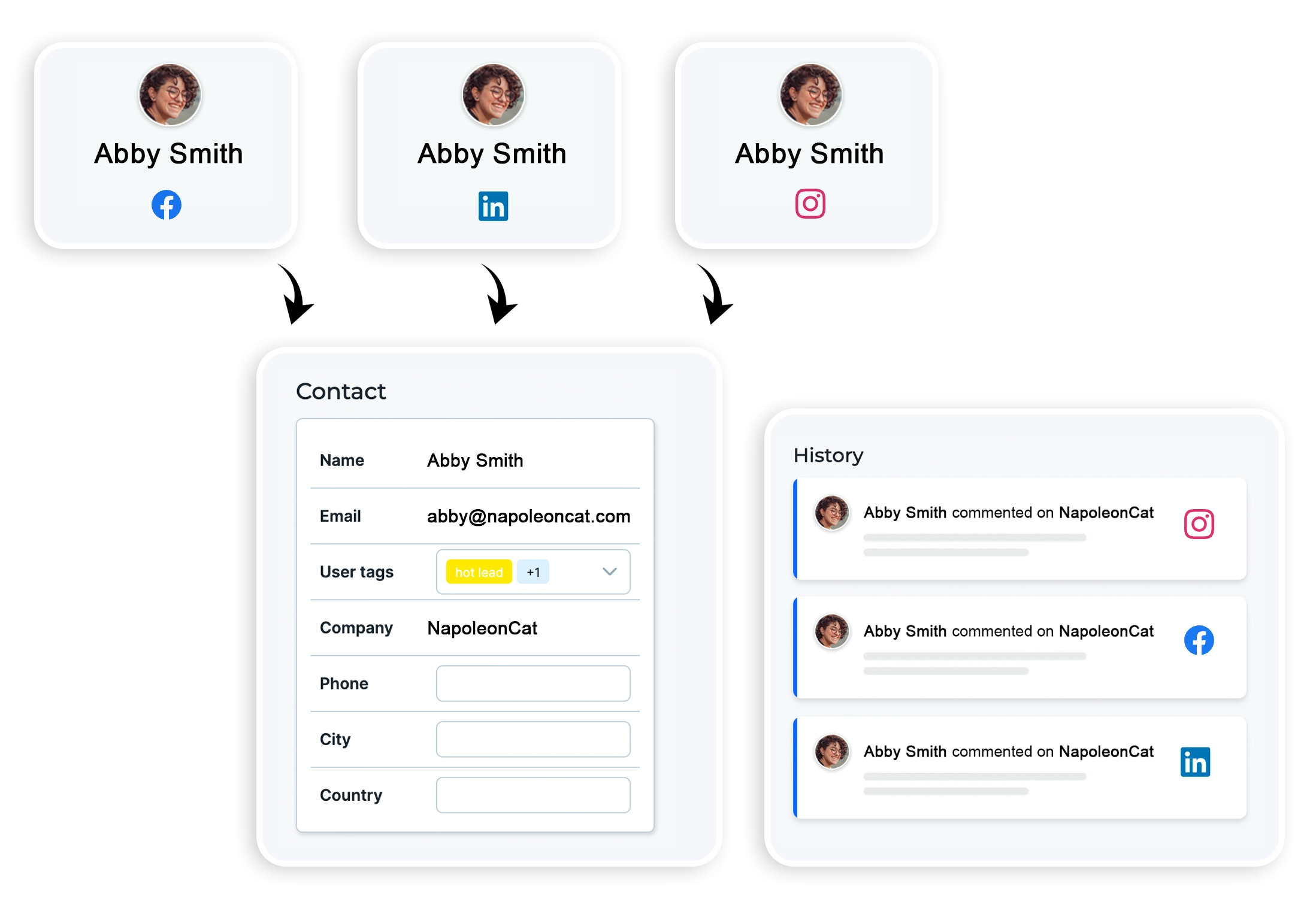
| NapoleonCat | Social CRM | Customer Service Teams |
| Manychat | DM Automation | Lead Gen/Creators |
| Sked Social | Client Approvals | Agencies |
| Eclincher | Inbox Analytics | Data-Driven Teams |
| Agorapulse | Ad Moderation | Performance Marketers |
| BrandBastion | AI Moderation | Global Brands |
| Siftsy | Sentiment Analysis | Insight Gathering |
| Hootsuite | Enterprise Ops | Large Corporations |
| CommentGuard | Spam/Profanity | Facebook/Instagram |
| Meta Business | Native Management | Free/Meta-only users |
Ultimately, the selection of an engagement tool should not be driven by a desire to "set it and forget it," but by the need to foster meaningful interaction. The right software is simply the tool that enables your team to be more present, more responsive, and more effective in the digital spaces where your customers live. By centralizing operations and leveraging data, businesses can ensure that every interaction—whether a simple like, a complex inquiry, or a public complaint—is handled with the professional rigor required to succeed in the modern social economy.