In the modern digital economy, public perception is no longer dictated solely by corporate press releases or traditional advertising campaigns. Instead, a brand’s equity is continuously evaluated, dissected, and debated across an expansive ecosystem of social media platforms, user-generated review sites, digital forums, and algorithmic search engine results. Recent data highlights the urgency of this landscape: adults under the age of thirty now trust news outlets and social media platforms equally, while the 2025 Edelman Trust Barometer indicates that consumer trust has become as critical a purchase consideration as product quality and price. Consequently, organizations of all sizes are increasingly turning to dedicated online reputation management (ORM) software to monitor public sentiment, mitigate brand risks, and protect their bottom lines from the damaging effects of unaddressed customer grievances.

Defining Online Reputation Management Software
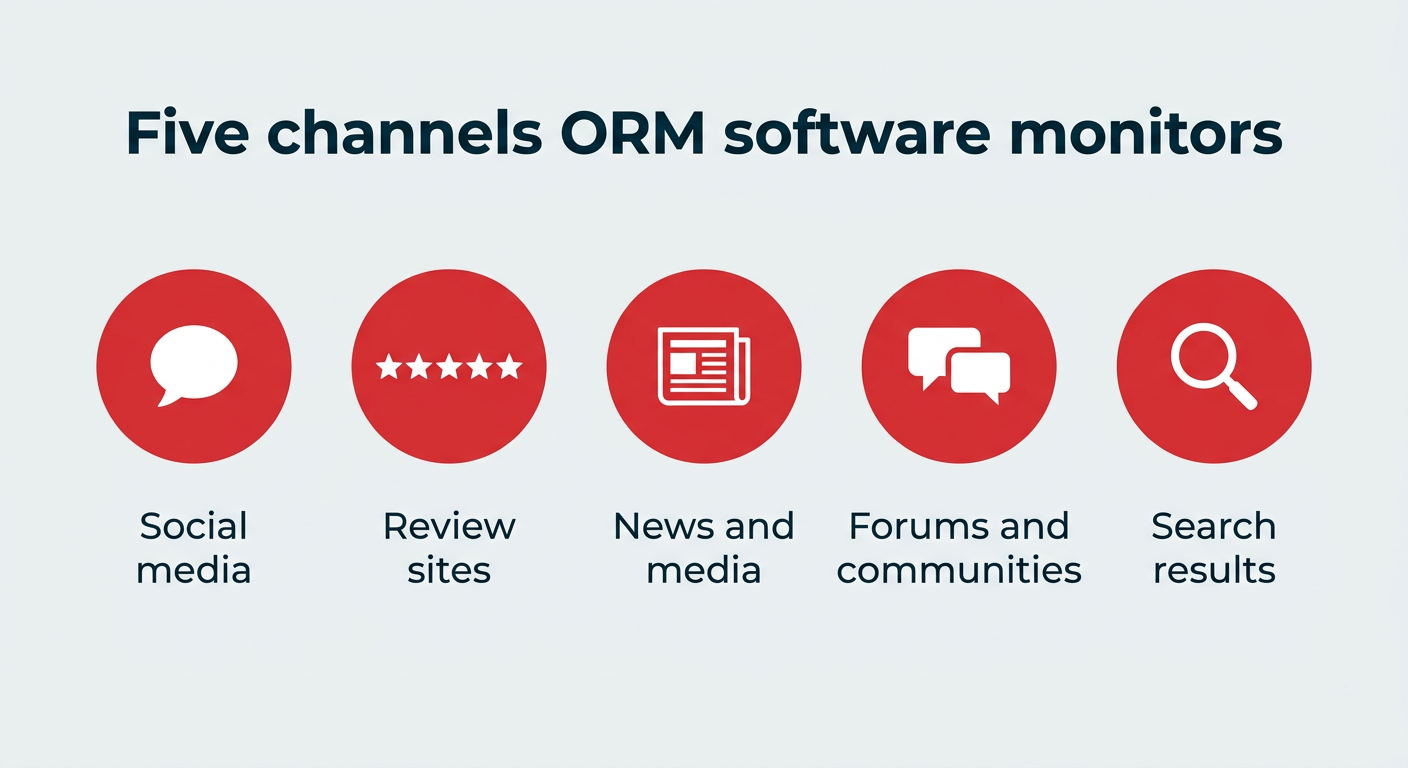
Unlike basic social media monitoring tools that focus exclusively on platforms like Instagram, TikTok, or X, enterprise-grade online reputation management software aggregates data across a multifaceted digital footprint. These systems systematically track, analyze, and facilitate responses to brand mentions, customer reviews, news articles, and forum discussions from a single, centralized dashboard. Manual monitoring has become mathematically untenable; platforms like Yelp alone host upwards of 330 million consumer reviews, making automated tracking an operational necessity for modern marketing, communications, and customer service teams.

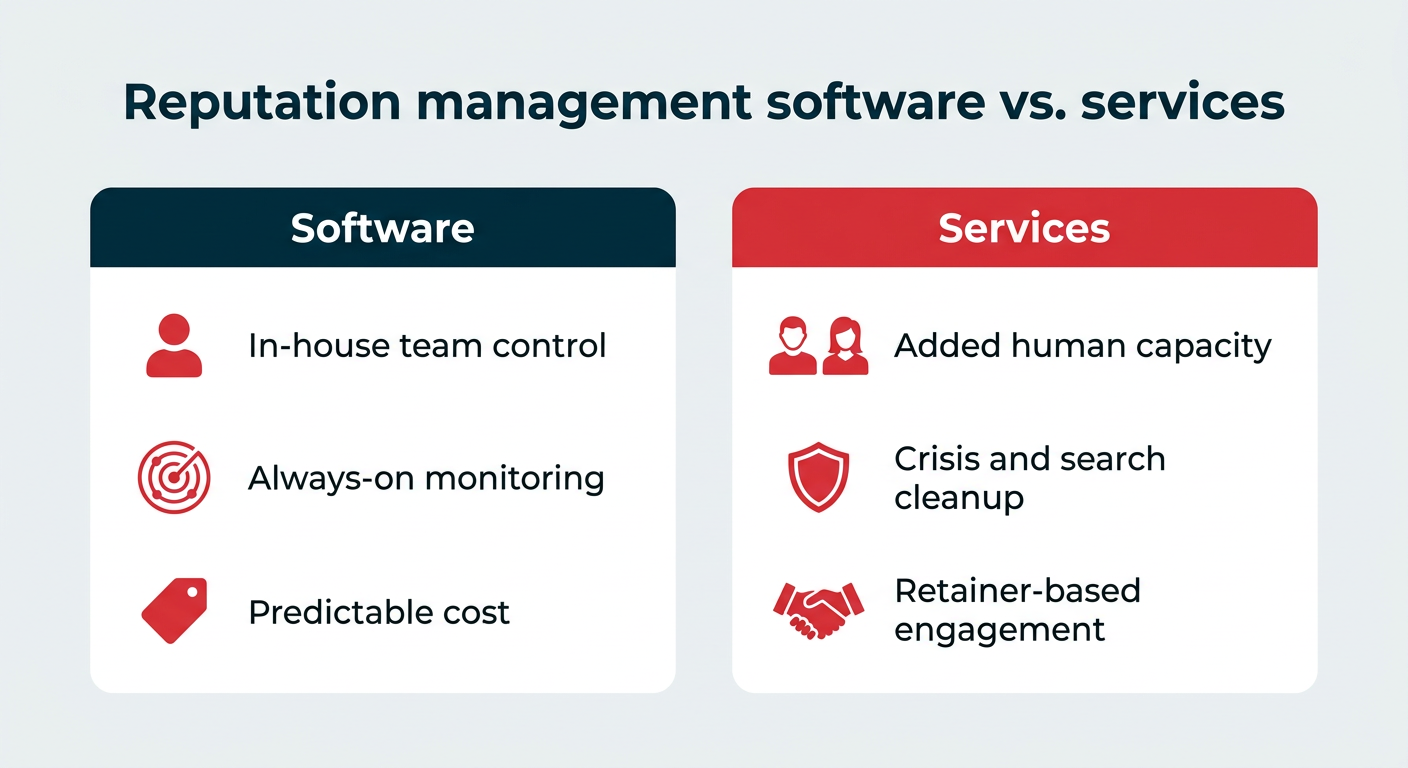
Fundamentally, ORM solutions operate distinctly from outsourced reputation management services. While software empowers in-house teams with real-time data, automated alerts, and direct response workflows for a predictable subscription cost, external agencies offer human-centric retainer services. Agencies are frequently deployed for specialized crises, such as aggressive search result remediation, complex legal disputes, or comprehensive public relations overhauls. However, for organizations seeking day-to-day operational control and rapid response capabilities, software platforms serve as the indispensable, always-on foundation of modern brand stewardship.
The Financial and Strategic Imperatives of Brand Trust
The commercial implications of brand reputation directly impact financial performance. When customer trust erodes, the financial penalty is immediate, manifesting as elevated customer churn, depressed quarterly revenues, and the substantial costs associated with crisis mitigation. Furthermore, unresolved customer complaints frequently escalate from minor service friction into widespread public relations crises. Conversely, proactive listening allows enterprises to identify and amplify positive consumer feedback, converting brand advocates into measurable competitive advantages.
Evaluating the Competitive Landscape: Top 12 Tools
To help organizations navigate the crowded software market, industry analysts routinely evaluate platforms based on multi-channel coverage, sentiment analysis depth, actionability, and scalability. The top twelve online reputation management tools span diverse operational requirements, ranging from enterprise-wide social suites to specialized local review collectors.
-
Hootsuite
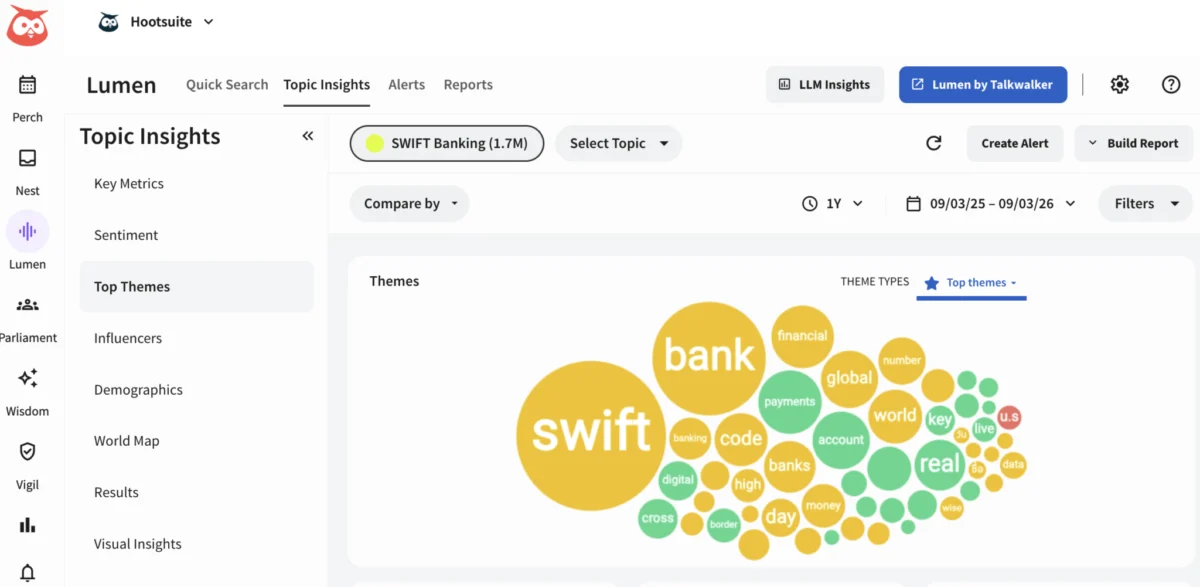
Positioned as a comprehensive enterprise social media management and reputation platform, Hootsuite integrates social listening, unified customer care, and publishing into a single architecture. Powered by advanced listening modules like Lumen—which tracks over 150 million sources across 187 languages—and AI-driven insights via Wisdom, the platform enables large organizations to monitor brand sentiment changes, track competitor positioning, and streamline customer interactions through its Nest inbox application. With starting prices at $99 per user per month for standard tiers, Hootsuite is ideally suited for enterprise environments requiring end-to-end workflow consolidation.
-
Birdeye
Birdeye specializes in multi-location businesses and review-heavy sectors such as healthcare, retail, and home services. The platform excels at automating review collection across hundreds of disparate directories while simultaneously synchronizing business listings and gathering localized customer survey data. -
Podium
Catering primarily to local and multi-location businesses, Podium leverages SMS-first communication channels to drive review generation. By utilizing text messaging for both review requests and customer interactions, Podium achieves notably higher engagement rates than traditional email-based outreach campaigns.
-
Brand24
Brand24 provides real-time monitoring across social networks, news sites, blogs, and forums. Its core differentiator lies in its anomaly detection algorithms, which instantly flag unusual spikes in mention volume, enabling communications teams to address potential PR issues before they escalate. -
Trustpilot
As a globally recognized consumer review platform, Trustpilot assists e-commerce and service-oriented businesses in capturing verified reviews and displaying trusted ratings badges. Its native integrations allow brands to syndicate authentic consumer feedback directly into active social media marketing streams.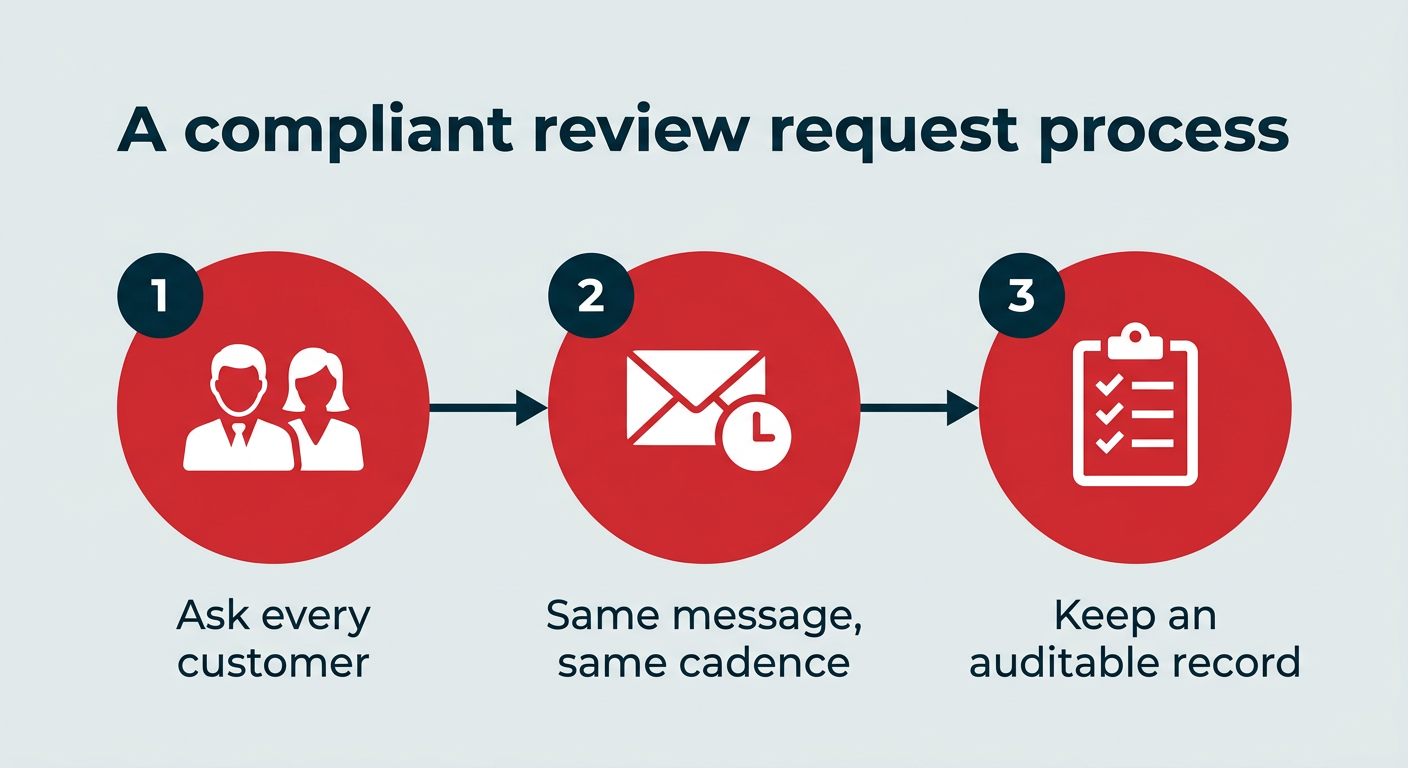
-
Yext
Yext functions as a digital presence management powerhouse, ensuring that core business data remains accurate across global maps, search engines, and directories. In addition to directory management, Yext features robust review monitoring and AI-driven search optimization capabilities. -
Meltwater
Meltwater offers an enterprise-level fusion of media intelligence, social listening, and PR analytics. By tracking earned media coverage across global broadcast, print, and digital news outlets alongside social data, Meltwater delivers a holistic view of corporate reputation and brand equity.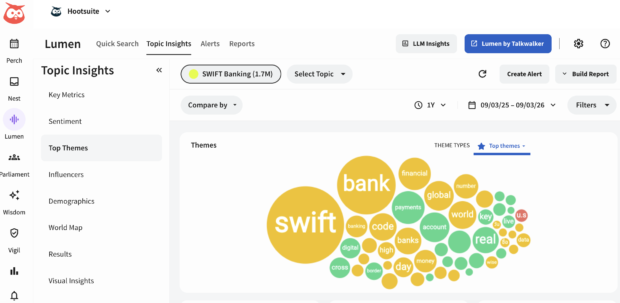
-
Semrush
While primarily established as an industry-leading search engine optimization (SEO) suite, Semrush includes powerful brand and competitor monitoring features. Its visibility tracking and market explorer tools allow organizations to analyze search engine result pages (SERPs) and evaluate brand awareness metrics. -
Brandwatch
Brandwatch delivers deep consumer intelligence for large enterprise brands, analyzing millions of social conversations daily. Its advanced capabilities include sophisticated image and logo recognition, allowing teams to track visual brand mentions that text-based search tools would otherwise miss.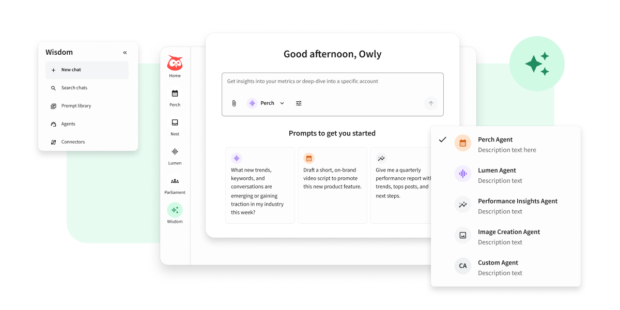
-
Google Alerts
Serving as a foundational, zero-cost monitoring utility, Google Alerts allows users to track specific brand, product, or executive keywords across the web via automated email notifications. While lacking sentiment analysis and advanced analytics, it functions as a useful supplementary monitoring mechanism. -
Reputation
Reputation is engineered specifically for multi-location enterprises within industries like automotive, hospitality, and healthcare. The platform aggregates reviews, surveys, and operational feedback into a single, comprehensive scoring metric that benchmarks performance down to the individual store or branch level.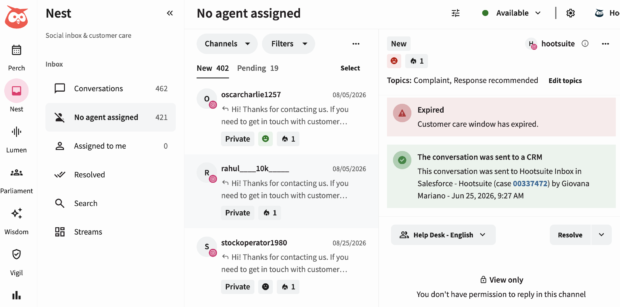
-
SOCi
SOCi is architected for franchise networks and large distributed brands managing digital presence across hundreds or thousands of localized outposts. The platform combines localized content publishing libraries with automated review response workflows to ensure brand consistency at scale.
Regulatory Compliance and the Review Gating Debate

As organizations scale their review collection efforts, navigating regulatory frameworks has become paramount. Practices such as "review gating"—screening customers to selectively invite only those reporting positive experiences to leave public reviews—have come under intense regulatory scrutiny. In the United States, the Federal Trade Commission (FTC) classifies review gating as a deceptive practice under updated guidelines governing consumer reviews and testimonials, as it distorts the true representation of customer feedback.
Furthermore, major platforms such as Google explicitly prohibit selective review solicitation within their terms of service. Violations can result in severe penalties, including the purging of accumulated reviews, the suppression of business listings, or complete account suspension. Consequently, compliance experts recommend a standardized approach: requesting feedback from every customer within a defined segment using a uniform cadence and messaging structure, backed by auditable record-keeping software.

Methodology for Effective Reputation Monitoring
Implementing a successful reputation monitoring strategy requires a disciplined, repeatable operational framework:

- Comprehensive Audit: Initiate the process by conducting a thorough audit of existing brand presence across search engines, social platforms, review directories, and industry forums to establish a clear baseline.
- Channel Configuration: Deploy automated monitoring tools configured to track brand names, executive leadership, product lines, and key competitors across all relevant digital touchpoints.
- Categorization and Routing: Systematically organize incoming brand mentions by sentiment, intent, and topic to ensure inquiries and complaints are routed to the appropriate internal departments.
- Sentiment Trend Analysis: Utilize AI-driven sentiment tracking to evaluate whether public perception is trending positively, neutrally, or negatively over time, treating sudden fluctuations as operational early-warning signals.
- Rapid Engagement: Respond professionally and swiftly to both positive feedback and public grievances to reinforce consumer trust and mitigate crisis escalation.
- Reporting and Optimization: Deliver regular analytical reports to executive leadership regarding overall brand health, utilizing insights to continuously refine broader customer experience strategies.
Implications and Future Outlook
The continuous evolution of digital communication channels ensures that online reputation management will remain a core strategic priority for modern enterprises. As artificial intelligence integration deepens—exemplified by advanced tools capable of real-time sentiment analysis, predictive trend forecasting, and automated multi-channel routing—organizations that adopt centralized, proactive ORM platforms will be best positioned to safeguard their brand equity. By bridging the gap between brand listening, customer care, and regulatory compliance, companies can transform reputation management from a reactive defense mechanism into a powerful driver of long-term business growth.