The Association of Online Publishers (AOP) has unveiled critical findings from its newly launched Artificial Intelligence Publisher Impact Study, revealing a concerning shift in user behaviour that poses a significant threat to the digital publishing ecosystem. Conducted by Ipsos, a globally renowned market research firm, this nationally representative UK study delves into how the proliferation of artificial intelligence (AI) interfaces is reshaping the way internet users seek and consume information online, leading to a substantial reduction in referral traffic to premium publisher domains. This exposé, the second in a three-part series, follows an initial report that projected an average 7.1% reduction in referral traffic to leading UK publishers by the first half of 2025, with variations across content topics and types. The underlying cause, as this latest research meticulously details, is the rise of "stop here" behaviours, where users find sufficient answers within AI platforms, negating the need to click through to original sources.
The Rise of ‘Stop Here’ Behaviour and Its Immediate Impact
The advent of generative AI tools like ChatGPT and the integration of AI Overviews into traditional search engines mark a pivotal moment in online information consumption. While these technologies promise enhanced efficiency and convenience, the AOP-Ipsos study starkly illustrates their detrimental effect on content creators. The core of the problem lies in what researchers term "stop here" behaviours: instances where users retrieve their desired information directly from an AI-generated summary or conversational response and do not pursue further interaction with the original source. This phenomenon directly impacts the traffic publishers receive, which in turn affects their advertising revenue and ability to fund quality journalism.
This phenomenon is quantified with alarming precision. The study found that the mere presence of an AI Overview on a search results page triggers an 18% reduction in a user’s propensity to click through to the source article. This percentage represents a significant diversion of potential readership and, consequently, advertising revenue, away from the publishers who invest heavily in producing high-quality, verified content. For an industry already navigating complex economic pressures and the challenges of the attention economy, an 18% drop in click-through rates represents a formidable headwind. The implications extend beyond just immediate traffic; it erodes the opportunity for publishers to build direct relationships with their audience, cultivate loyalty, and convert casual readers into subscribers.
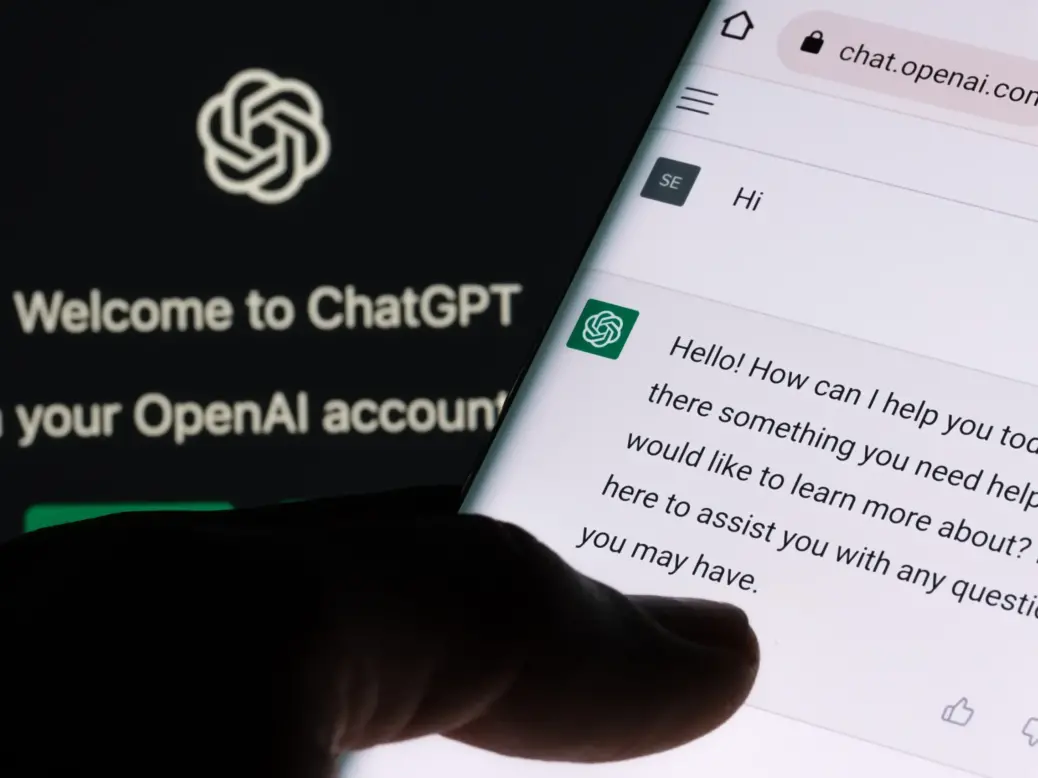
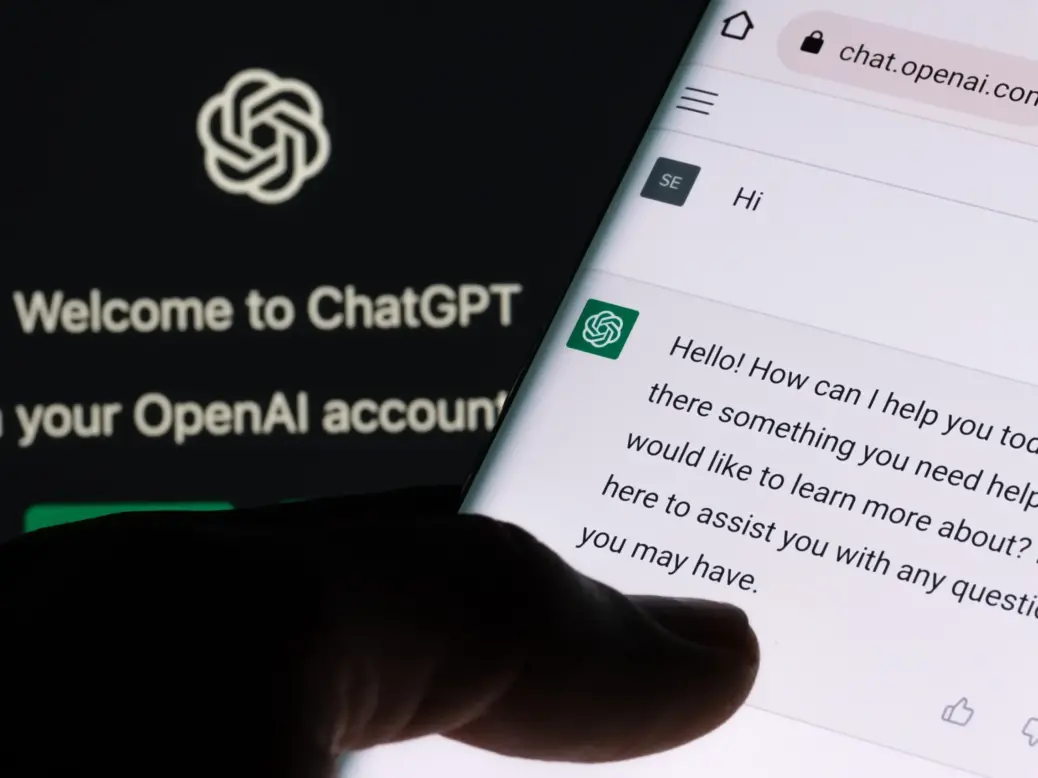
The impact varies across different AI environments. Standalone AI chat platforms, epitomized by OpenAI’s ChatGPT, prove even more effective at fostering "stop here" behaviours. The study indicates that only 26% of ChatGPT users report they would click at least one media link displayed within a response. This figure contrasts sharply with Google Search results featuring an AI Overview, where 34% of users indicated a willingness to click through. Intriguingly, at the time of testing, Google’s dedicated AI Mode exhibited the highest referral intent, with 37% of respondents expressing an inclination to click through to at least one source. This differential suggests varying design philosophies and potential strategies among AI developers regarding the integration of external sources, with some perhaps more attuned to preserving an ecosystem where original content is still valued directly.
Divergent AI Architectures and User Retention Strategies
The AOP study highlights a crucial distinction in how different AI interfaces encourage or deter external navigation. While both AI Overviews and standalone AI models contribute to the "stop here" phenomenon, the underlying reasons for user retention diverge. Some users cease their information journey because the AI’s answer is deemed sufficiently comprehensive and accurate for their immediate needs. Others, particularly within conversational AI environments, halt their external search to pose follow-up queries directly within the platform itself, thus remaining within the AI’s walled garden.
This latter behaviour is particularly pronounced in platforms like ChatGPT, which are inherently designed to emulate natural, ongoing dialogue. ChatGPT’s architecture fosters a continuous interaction loop, adapting to user preferences and progressively refining its responses, thereby keeping users "locked" into an engaging, platform-centric experience. The study found that twice as many ChatGPT users, compared to those interacting with Google’s AI Mode, reported making follow-up queries within the interface as their immediate next action after receiving information. This suggests an advanced level of engagement and dependence cultivated by conversational AI, prioritizing continuous interaction over external referral.
Google’s AI interfaces, including AI Overviews and AI Mode, appear to be designed with a somewhat different philosophy, seemingly aiming to drive at least some users off-platform. This could be a deliberate strategy by Google to maintain a delicate balance with the existing information ecosystem and preserve its long-standing value exchange with publishers. It might also reflect an anticipation or response to regulatory pressures concerning market dominance and fair compensation for content creators. However, the study cautions that this propensity for outward referral in Google’s AI Mode is not guaranteed to persist. As AI Mode evolves and potentially becomes Google’s primary user interface, there is a risk it could gravitate towards a more chat-like, engagement-optimized experience, mirroring ChatGPT’s model and further reducing referrals.
Google’s own rhetoric supports the notion of an evolving, user-centric AI search experience. The company has described AI Mode as "driving the most significant transformation of Search in its history," emphasizing the interface’s "stickiness" and user engagement. Conspicuously absent from these pronouncements, however, is any explicit mention of the role of source attribution or referral traffic to publishers. This silence leaves publishers in a state of uncertainty regarding their future place in Google’s AI-driven search paradigm, underscoring the urgency of understanding these behavioural shifts. Publishers are left to speculate whether Google’s AI initiatives will ultimately serve as a bridge to original content or a barrier, further entrenching the "stop here" habit.
Demographic Divides in AI Adoption and Click-Through Intent
The AOP-Ipsos study also uncovers significant demographic divergences in AI usage patterns and, crucially, in users’ willingness to engage with original sources. Standalone AI interfaces, such as ChatGPT, exhibit a usage skew towards younger, more educated, and predominantly male demographics. Specifically, adoption and frequency of use are highest among males, degree-educated individuals, and those aged 25 to 34. The generational gap is stark: only 11% of respondents aged 55 or older reported using ChatGPT more than once a week, a figure dwarfed by almost half of those aged 18 to 34 who reported similar frequent usage. In contrast, traditional Google search remains a ubiquitous tool across all demographics, with its peak usage observed among 45–54-year-olds, highlighting its enduring universal appeal. This suggests that while AI is rapidly gaining traction, it is doing so unevenly across different user segments.
In what might be considered a small, albeit precarious, silver lining for publishers, the study reveals that the 25–35-year-old cohort – precisely those most likely to engage with AI – also exhibits the highest propensity to click on a link to fully complete their information retrieval journey. A fifth of this demographic segment explicitly stated they "definitely would need to click on a media/news link," compared to a mere 8% of those aged 55 and older. This suggests a potential flicker of media literacy or an ingrained habit of source verification among this particular age group, perhaps owing to their formative years coinciding with the rise of the internet and the emphasis on critical evaluation of online information. Their experience with early internet search might have instilled a greater appreciation for the provenance of information.
However, this hopeful trend is not universally distributed across younger demographics. The study found that only 15% of 18–24-year-olds felt the same imperative to click through to a source, indicating that the skill or inclination for source retrieval may not be consistently passed down or developed in subsequent generations. This finding underscores a generational shift in information consumption habits that could have profound long-term implications for journalistic integrity and public discourse. As digital natives grow up with AI as a primary information source, the value of direct engagement with original journalism might diminish further.
Furthermore, the study provides compelling evidence that habitual AI use directly correlates with an increase in "stop here" behaviours. Participants who used Google’s AI Mode approximately once a month completed their information journeys within the interface about a quarter of the time. This proportion surged to nearly 40% for daily users, a rate even higher than that observed for ChatGPT users. This suggests that as AI interfaces become more integrated into daily routines, familiarity appears to breed complacency rather than a heightened sense of scrutiny. Despite a broad public understanding regarding AI’s known propensity to generate falsehoods or "hallucinations," consistent usage seems to diminish the user’s perceived need for source verification, leading to further declines in publisher referrals. This trend of "familiarity breeding complacency" presents a serious challenge to maintaining an informed populace reliant on verified information.
The Trust Paradox: A Double-Edged Sword for Premium Publishers
Perhaps one of the most intriguing and challenging findings of the AOP study is the "trust U-curve" phenomenon. This paradox highlights how trust, or the lack thereof, significantly influences a user’s willingness to click through to an external source. The study reveals that approximately a third of users feel no need to click through if they completely distrust the source provided by the AI. In such scenarios, the AI’s output is dismissed, and the user either disengages or seeks information elsewhere, illustrating a healthy scepticism towards unverified AI content.
Crucially, the study also found that an almost identical proportion of users (around one-third) will also not click through if they completely trust the source. This seemingly counterintuitive outcome arises because the presence of a recognized and trusted publisher brand, even when merely cited by the AI, satisfies the user’s need for verified information. The user perceives the AI’s generated answer as credible precisely because it references a reputable source, thereby eliminating the perceived necessity of visiting the source directly. The AI, in this scenario, acts as an aggregator and authenticator, leveraging the publisher’s reputation without generating direct traffic back to them.
This "trust U-curve" exposes a profound Catch-22 for premium media brands. Publishers dedicate immense resources to building and maintaining their reputations for accuracy, reliability, and journalistic integrity. This hard-earned trust is a cornerstone of their value proposition. However, AI platforms are now leveraging this very trust to make their own outputs sufficiently valuable and authoritative, leading users to believe there is no need to visit the original content creators. In essence, the publishers’ most valuable asset – their brand trust – is being appropriated and weaponized against them, inadvertently contributing to the erosion of their audience and business model. This creates an unsustainable dynamic where content creators bear the cost of production and reputation management, while AI platforms reap the benefits of user engagement and retention.
Broader Implications for the Digital Information Ecosystem
The findings of the AOP study paint a stark picture for the future of digital publishing and, by extension, the broader information ecosystem. The sustained decline in referral traffic directly threatens publishers’ primary revenue streams, which are heavily reliant on advertising impressions and, increasingly, subscriptions driven by direct engagement. A reduction in traffic means fewer ad views, lower programmatic advertising rates, and diminished opportunities to convert readers into subscribers. This financial strain could lead to reduced investment in quality journalism, investigative reporting, and diverse content creation, ultimately impoverishing the public discourse and potentially leading to news deserts in certain areas or topics.
Beyond immediate financial concerns, the "stop here" phenomenon raises fundamental questions about attribution, intellectual property, and fair compensation. AI models are trained on vast datasets, much of which comprises copyrighted content produced by publishers. When these models then synthesize and present this information in a way that bypasses the original source, it creates a contentious debate about the economic value extraction without commensurate recompense. Publishers argue that AI companies are benefiting from their intellectual labour and investment without adequately sharing the resulting value. This has already led to legal challenges and calls for regulatory intervention, with bodies like the European Union introducing legislation such as the EU AI Act, which, among other things, addresses transparency and copyright in AI systems. The debate around "fair use" versus "infringement" in the context of AI training data is only just beginning.
For publishers, the challenge is multifaceted. They must adapt their strategies to a world where their content is increasingly consumed indirectly through AI interfaces. This could involve exploring new business models, such as licensing their content directly to AI developers, focusing on unique, proprietary data or niche content that AI models struggle to fully replicate, or investing in direct-to-consumer engagement strategies that build loyalty independent of search engine referrals. The study’s final article, which promises to delve deeper into the trust paradox, will likely explore these avenues further, offering insights into how publishers might navigate this complex new landscape where AI companies are, paradoxically, dependent on their reputations for credibility. Publishers may also need to advocate more forcefully for robust attribution mechanisms and potential revenue-sharing models from AI platforms.
In conclusion, the AOP-Ipsos Artificial Intelligence Publisher Impact Study serves as a crucial alarm bell for the digital publishing industry. The "stop here" behaviour, driven by the convenience and perceived sufficiency of AI-generated answers, is a powerful force diverting audiences away from original content creators. While some AI interfaces may currently offer a higher propensity for referral, the trend towards greater user retention within AI platforms is undeniable, especially with habitual use. The "trust paradox" further complicates matters, transforming publishers’ hard-won credibility into a tool that unintentionally facilitates their disintermediation. As Google and other tech giants continue to integrate AI into their core offerings, the onus is on publishers, regulators, and potentially even AI developers, to collaboratively forge a sustainable path forward that preserves the integrity of the information ecosystem and ensures fair recognition for the creators of valuable content. The transformation of search is indeed significant, but its ultimate impact on the foundational sources of information remains a pressing, unresolved question.