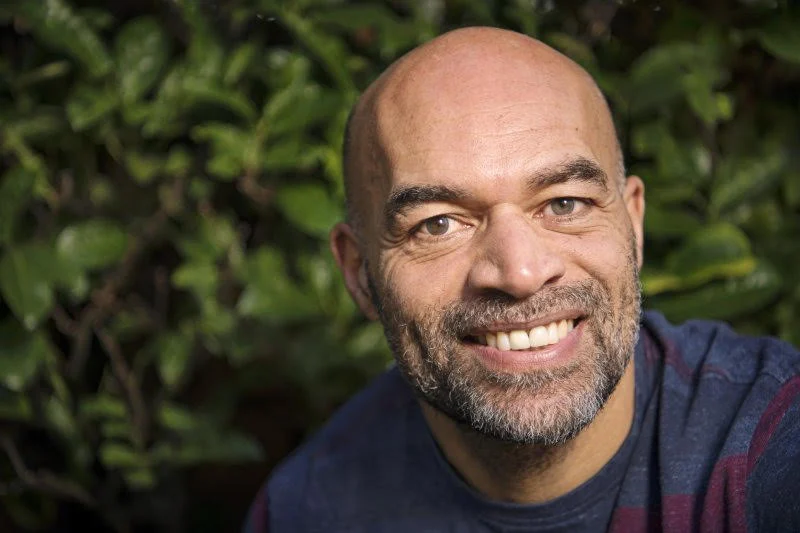
The landscape of modern journalism has undergone a profound metamorphosis over the past four decades, shifting from the ink-stained rotary presses of the 1980s to the algorithmic, digital-first newsrooms of the twenty-first century. Few industry veterans have observed this transformation as intimately as Joseph Harker. Having commenced his career in an era entirely devoid of websites, digital content management systems, and social media dissemination, Harker now serves as the senior editor for diversity and development at The Guardian. In this capacity, he brings a steady, seasoned perspective to an industry currently grappling with its latest structural and technological evolution. Three years ago, Harker co-founded the pioneering Legacies of Enslavement programme at The Guardian, a landmark journalistic initiative examining historical institutional ties to the transatlantic slave trade. Today, as the media sector confronts economic headwinds, artificial intelligence integration, and persistent demographic challenges, Harker is focusing his institutional expertise on a critical demographic that often gets overlooked in industry pipelines: mid-career journalists.
Main Facts of the Industry Shift
The contemporary journalism sector is characterized by rapid disruption, shrinking legacy newsroom budgets, and an urgent need for digital transformation. While traditional entry-level pathways—such as local newspaper reporting, graduate training schemes, and traditional apprenticeships—have historically served as the primary gateways into the profession, the industry has increasingly struggled to retain and promote professionals once they reach the mid-level tier.
This retention gap has disproportionately affected journalists from diverse and underrepresented backgrounds, who frequently encounter structural barriers to career advancement, senior editorial training, and institutional leadership roles. Recognizing this bottleneck, leadership at major publications like The Guardian are beginning to pivot their talent acquisition and development strategies. Rather than focusing exclusively on the earliest stages of the career pipeline, editorial developers are creating targeted interventions designed to capture talent that possesses foundational newsroom experience but requires institutional support to ascend to senior editing, production, and leadership positions.
Chronology of Media Diversity and Training Initiatives
To understand the current intervention strategies, it is necessary to examine the evolution of diversity initiatives within British and international media organizations over the past several decades.
During the 1980s and 1990s, newsrooms were largely homogenous, operating under traditional hierarchical structures with minimal formal pathways for minority journalists. Diversity efforts during this period were sporadic, voluntary, and rarely tied to core institutional strategy.
By the early 2000s, the advent of digital journalism forced newsrooms to diversify their skill sets, though demographic representation lagged behind technological change. Organizations such as the National Council for the Training of Journalists (NCTJ) and various media trusts began publishing data highlighting the stark lack of socioeconomic and racial diversity within national press outlets.
In the 2010s, industry-wide pressure mounted following repeated empirical studies demonstrating that newsrooms failed to reflect the populations they served. This era saw the launch of numerous entry-level diversity schemes, targeted bursaries, and partnerships aimed at bringing young, diverse talent into the profession. However, critics noted that while entry-level numbers improved, retention remained poor, leading to a phenomenon often described as the "leaky pipeline."
Entering the 2020s, publications began implementing structural reckonings. Notably, in 2021, The Guardian launched its Legacies of Enslavement project—co-founded by Joseph Harker—which combined rigorous investigative journalism with a historical accounting of the paper’s founding roots. This initiative demonstrated that news organizations could successfully pair institutional self-reflection with high-impact reporting.
As the industry approaches the end of 2024, the focus has shifted decisively toward mid-career interventions. The upcoming launch of specialized mid-career fellowships represents the next logical phase in this institutional chronology, addressing the gap between entry-level hiring and executive-level retention.
Supporting Data and Industry Demographics
Empirical data underscoring the necessity of mid-career retention programs paints a clear picture of the modern media workforce. According to industry surveys conducted by media monitoring bodies and journalism unions, while entry-level cohorts in many Western newsrooms have become marginally more diverse over the past decade, senior editorial boards, executive suites, and commissioning desks remain overwhelmingly white, middle-class, and metropolitan.
Studies on workforce retention in the creative industries indicate that mid-career professionals are the most vulnerable to attrition, often exiting the sector due to burnout, lack of upward mobility, stagnant wages, or caregiving responsibilities. In journalism specifically, the disappearance of regional and local newspapers—traditionally the breeding grounds for seasoned reporters—has severed the natural pipeline that once fed national newsrooms with experienced mid-level talent.
Furthermore, research into newsroom culture reveals that journalists from underrepresented backgrounds frequently report feeling isolated at the mid-career stage, lacking the mentorship networks and formal sponsorship required to navigate complex corporate hierarchies. By targeting mid-career professionals through structured, institutional fellowships, media organizations aim to counteract these systemic attrition rates and build a robust bench of future editors-in-chief, executive producers, and investigative leads.
Structure and Mechanics of the New Fellowships
The upcoming mid-career fellowships, championed by Joseph Harker and his team, represent a departure from traditional, short-term journalism bursaries. Scheduled to launch officially before the conclusion of the year, the program is engineered to provide comprehensive, high-level institutional support over an extended duration.
Key structural components of the initiative include:
Targeted Demographic Focus: The fellowships are explicitly designed for journalists from underrepresented groups who have already established a foothold in the industry but require institutional backing to make the leap into senior roles.
Multidisciplinary Opportunities: Fellows will not be restricted to traditional print reporting. Placements will span across editing, digital production, specialized reporting, and video journalism, reflecting the multi-platform demands of modern media enterprises.
Extended Duration: Operating on a two-year timeline, the fellowships provide participants with the runway necessary to move beyond day-to-day deadline pressures and engage in deep-dive investigative work, long-form storytelling, and strategic editorial leadership training.
Academic Partnerships: A distinctive feature of the program is its integration with an academic institution. This collaboration ensures that fellows are not only gaining practical newsroom experience but are also grounding their work in rigorous academic research. By the conclusion of the two-year term, participants will have produced a substantial body of work backed by academic validation, creating a tangible asset for their professional portfolios.
Official Responses and Stakeholder Perspectives
While full operational details of the fellowships are still being finalized, initial reactions from media analysts, academic institutions, and journalism advocacy groups have been largely positive.
Industry observers note that the partnership model between a major national daily newspaper and an academic institution addresses a long-standing criticism of media training programs: the disconnect between theoretical journalism education and fast-paced, high-stakes newsroom realities. By combining the immediate publishing power of an organization like The Guardian with the analytical depth of an academic partner, the program attempts to bridge theory and practice.
Representatives from journalism unions and diversity networks have similarly welcomed the focus on mid-career professionals. For years, advocacy groups have argued that pouring resources exclusively into entry-level schemes is akin to filling a bucket with a hole in the bottom. Without clear pathways for retention and promotion, diverse talent inevitably drifts into public relations, corporate communications, or leaves the media sector entirely.
Internal stakeholders at The Guardian emphasize that the initiative aligns with the publication’s broader mission of institutional accountability and progressive workplace reform. By institutionalizing support for mid-career development, the paper aims to set a precedent that other legacy media organizations may replicate.
Broader Impact and Industry Implications
The introduction of structured mid-career fellowships carries significant implications for the future of journalism. As newsrooms face unprecedented economic pressures and technological disruption driven by generative artificial intelligence, the value of experienced, highly trained human journalism has never been higher.
First, diversifying the senior ranks of newsrooms directly influences newsroom agenda-setting. Research consistently demonstrates that the identity and background of editors, producers, and commissioning editors shape which stories are prioritized, how communities are represented, and what narratives gain national prominence. By ensuring that journalists from diverse backgrounds ascend to decision-making roles, news organizations can produce more comprehensive, nuanced, and accurate coverage of complex societal issues.
Second, the structural design of these fellowships offers a scalable model for an industry searching for sustainable workforce solutions. As traditional revenue models continue to fluctuate, investing in human capital through structured, long-term institutional partnerships may prove to be a more resilient strategy than ad-hoc hiring practices.
Finally, Joseph Harker’s calm, analytical approach to the industry’s continuous evolution serves as a reminder that journalism has always been a medium of adaptation. From the physical printing presses of the 1980s to the global digital networks of today, the survival of the press has depended on its ability to evolve its methods while maintaining its core commitment to truth and accountability. By investing in the mid-career journalists who will lead the newsrooms of tomorrow, initiatives like The Guardian’s upcoming fellowships help ensure that the future of journalism is both innovative and reflective of the diverse societies it serves.