In the landscape of the 1990s, the concept of a "budget meal" was largely absent from the American lexicon; there was simply dinner. The culinary routine of the average middle-class household was defined by necessity, ingenuity, and a pragmatic approach to pantry staples that cost little more than spare change. Today, those same strategies are experiencing a significant, quiet resurgence. As modern grocery inflation continues to strain household budgets, the fiscal logic of the 1990s has returned, prompting a new generation of home cooks to revisit the reliable, cost-effective meals that defined an entire decade of weeknight dining.

The Economic Context: From the 1970s to the 2020s
The origins of these culinary practices can be traced back to the economic instability of the 1970s. When beef prices spiked during that era, food manufacturers introduced "boxed skillet dinners" as a direct response to a national consumer crisis. These products were engineered to extend a single pound of ground beef to feed a family of four or five, effectively serving as an economic hedge against rising food costs.

By the 1990s, these products, alongside scratch-made meals utilizing inexpensive proteins like eggs, beans, and canned goods, had become institutionalized. Data from the Bureau of Labor Statistics indicates that while food prices fluctuate, the purchasing power of the average household has faced consistent pressure over the last half-century. The current climate of 2026, characterized by high food costs, mirrors the inflationary periods that solidified the reliance on these "workhorse" meals. Analysts suggest that the return to these methods is not merely a nostalgic exercise but a rational market response to the rising cost of living.
Chronology of a Culinary Evolution
The evolution of these meals follows a clear timeline of adaptation:
- 1970s: The advent of the "stretching" technique. Food manufacturers focus on shelf-stable, protein-extended boxed meals.
- 1980s: The normalization of convenience foods. Kitchens transition toward high-speed, broiler-centric meals like English muffin pizzas as more parents enter the workforce.
- 1990s: The peak of "repertoire cooking." Households rely on a set rotation of approximately 20–30 low-cost, repeatable recipes that require minimal fresh produce.
- 2000s–2010s: A shift toward gourmet home cooking and the rise of the "foodie" culture, leading to a temporary decline in the popularity of utilitarian budget meals.
- 2020s–Present: A return to basics. High inflation rates in the mid-2020s lead to a widespread revival of 90s-era frugal cooking, with an emphasis on bulk buying and ingredient longevity.
Categorizing the 90s Staples: A Hierarchy of Utility
The meals that defined the 90s can be ranked by their economic efficiency and their role in the family unit. At the lower end of the scale—often considered "gap-fillers"—were meals like fried bologna sandwiches or fish sticks. While these provided immediate caloric intake, they lacked the complex nutritional profile of the higher-ranked, multi-ingredient casseroles.

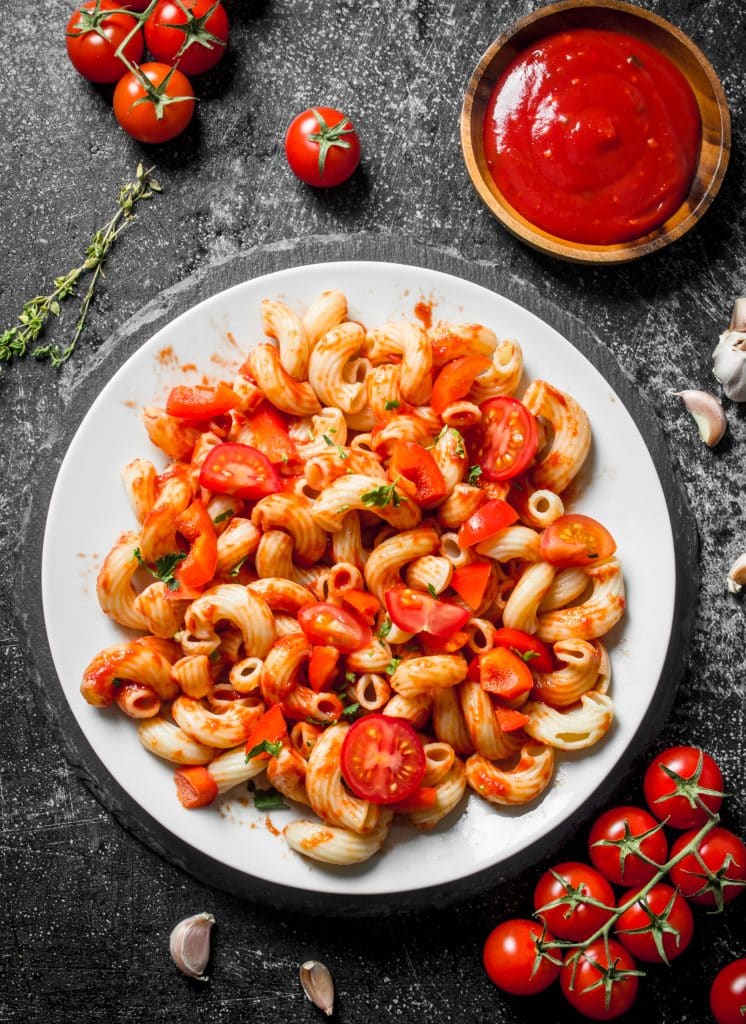
Moving up the hierarchy, dishes like Goulash (an Americanized variation consisting of ground beef, elbow macaroni, and tomatoes) or Chicken and Dumplings represent the pinnacle of "stretcher" meals. These dishes were designed to provide leftovers, essentially turning one cooking session into two days of food. This practice, often referred to as "batch cooking," remains one of the most effective ways to manage household food waste and expenditure.
The Role of Protein and Pantry Staples
The primary driver of the 90s budget model was the strategic use of protein. Eggs, dried beans, and canned salmon were the foundational elements of the household budget. For instance, the "Salmon Patty"—a mixture of canned salmon, egg, and crushed crackers—allowed a family to consume seafood at a fraction of the cost of fresh fillets. Similarly, the "Sausage Gravy and Biscuit" model utilized high-fat, high-flavor ingredients to provide a sense of satiety that lasted long after the meal, reducing the need for snacks and supplemental spending.
Economists who study household spending patterns note that the "cost-per-serving" calculation is the central component of this strategy. When a family switches from buying pre-prepared frozen meals to using bulk-purchased staples like rice, dried pasta, and canned tomatoes, the cost-per-serving often drops by 60% to 80%.
Sociological and Psychological Implications
The return of these meals also highlights the psychological component of cooking. In the 90s, "Breakfast for Dinner" was frequently employed as a morale booster. It provided a sense of novelty and excitement for children while simultaneously functioning as one of the most affordable meals a household could prepare.
Furthermore, meals like "Liver and Onions" provide a unique look at the cultural divide in home cooking. While frequently cited as one of the least popular meals among children during that decade, its persistence in the rotation was due to its high iron and nutrient density, combined with an exceptionally low price point. The fact that it remained a staple despite significant protest indicates the degree to which economic necessity dictated the menu.
Analysis of Current Trends and Future Outlook
Recent market analysis indicates that sales of dry pasta, canned soups, and boxed skillet mixes have seen a marked increase during the 2026 fiscal year. This trend is consistent with historical patterns: during economic downturns, consumers shift away from luxury proteins and convenience-heavy takeout toward high-volume, low-cost pantry staples.

Industry experts suggest that this shift is likely to have long-term implications for the food sector. As households become more adept at managing food costs through "old-school" strategies, the reliance on high-cost delivery and convenience services may face a sustained correction. This represents a return to a more defensive household budget, where the kitchen is viewed as a production center rather than a consumption point.

Conclusion: The Lasting Value of Frugality
The meals that defined the 1990s were not simply products of their time; they were robust solutions to the universal challenge of managing household resources. Whether it was the "Boxed Skillet Dinner" providing a reliable, standardized meal, or the "Grilled Cheese and Tomato Soup" offering a high-satisfaction, low-cost dinner, these dishes served as the economic bedrock for millions.
As families continue to navigate the challenges of the modern economy, the lessons from these decades—prioritizing bulk ingredients, embracing "stretcher" meals, and valuing the efficiency of a well-stocked pantry—have proven their endurance. The resurgence of these recipes is a testament to the fact that while times and technology change, the fundamental principles of prudent household management remain constant. For those looking to optimize their grocery budgets in the current environment, the answer is often found in the archives of the 1990s kitchen: simple, honest, and engineered for the job.