Global e-commerce sales reached an estimated $5.5 trillion worldwide in 2022, a figure projected to continue its robust ascent over the coming years, underscoring the enduring lucrativeness of online sales channels. This expansive digital marketplace, however, is increasingly transcending traditional online stores and dedicated shopping platforms like Shopify and WooCommerce. A significant evolution is underway, with businesses leveraging social media platforms for direct transactions, a burgeoning phenomenon known as social commerce. This integrated approach offers a more immediate and seamless pathway for consumers to discover, evaluate, and purchase products without ever leaving their preferred social applications, signaling a pivotal shift in the digital retail landscape.
What is Social Commerce?
Social commerce fundamentally redefines the online shopping experience by enabling the entire buying and selling process to occur directly within a social media platform. Unlike conventional e-commerce, which typically redirects users to an external website or app to complete a purchase, social commerce facilitates an end-to-end transactional journey native to the social network. This innovative model transforms social networks from mere points of product discovery into fully functional retail environments, eliminating friction points and enhancing user convenience.

Platforms such as Facebook, Instagram, TikTok, and Pinterest have been at the forefront of integrating these features, offering users a streamlined shopping experience. For instance, a user scrolling through an Instagram feed might encounter an image of an appealing product. With a simple tap on a "Shop Now" button, the item can be added to a cart, and the purchase completed within the Instagram app itself, bypassing the need to navigate to an external brand website. Similarly, a captivating product demonstration by an influencer on TikTok could lead to an immediate "Buy" click, allowing for instant gratification without interrupting the user’s content consumption. This seamless integration of shopping into the social browsing experience is a hallmark of social commerce, fostering impulse purchases and reducing cart abandonment rates, which average around 70% in traditional e-commerce settings.
Social Commerce vs. E-commerce vs. Social Selling: A Clarification
While frequently used interchangeably, social commerce, e-commerce, and social selling represent distinct facets of online business. E-commerce is an overarching term encompassing all commercial transactions conducted electronically, primarily through online stores, dedicated e-commerce sites, or branded applications. Social commerce, conversely, is a subset of e-commerce, specifically referring to transactions completed within social media platforms. The critical differentiator is the absence of external redirection for the purchase finalization.
Social selling, on the other hand, is a strategic sales technique focused on building relationships and trust with potential customers on social media platforms to generate leads and foster long-term engagement. It involves activities like sharing valuable content, interacting with followers, and positioning oneself as a thought leader, ultimately aiming to guide prospects toward a purchase, often through traditional e-commerce channels. While social selling can certainly lead to social commerce, it is not synonymous with the direct transactional nature of social commerce. Understanding these distinctions is crucial for businesses crafting their digital strategies.

The Genesis and Evolution of Social Commerce
The concept of integrating commerce with social interaction is not entirely new, but its current iteration marks a significant leap. Early attempts at social shopping often involved rudimentary "buy now" buttons that still redirected users or features like Facebook Marketplace, which facilitated peer-to-peer sales rather than direct brand-to-consumer transactions within the platform. The real acceleration of social commerce began in the late 2010s, propelled by several key factors.
The proliferation of mobile technology and widespread access to high-speed internet transformed smartphones into primary shopping devices. Simultaneously, the rise of influencer marketing demonstrated the power of social recommendations in driving purchasing decisions. The COVID-19 pandemic further accelerated digital adoption across all demographics, pushing both consumers and businesses to embrace online channels more fully. Social media platforms, recognizing the immense potential, began to invest heavily in developing robust in-app shopping functionalities. Meta (formerly Facebook) with its "Shops" initiative, launched in 2020, was a significant milestone, followed by similar endeavors from Instagram, TikTok, and Pinterest, each tailoring their offerings to their unique user bases and content formats. This evolution reflects a broader trend of platform convergence, where social media, content creation, and commerce increasingly intertwine to create a holistic digital experience.
Five Compelling Reasons for Businesses to Embrace Social Commerce

The rapid expansion and integration of social commerce are not merely technological advancements; they are direct responses to evolving consumer behaviors and present significant opportunities for businesses. Here are five compelling reasons why integrating social commerce into a digital strategy is becoming imperative:
-
Enhanced Interactivity and Community Engagement: Social commerce inherently fosters a more interactive and engaging shopping environment than traditional e-commerce. Shoppers can comment on products, read and leave reviews, solicit opinions from friends, and interact directly with brands in real-time. This mirrors the collaborative and social aspects of physical shopping, like browsing a mall with friends, but within a digital space. Live shopping events, where products are showcased and purchased during a live stream, further amplify this interactivity, allowing for immediate questions and personalized recommendations.
-
Capturing Key Demographics: Millennials and Gen Z: The younger generations, particularly Millennials (born 1981-1996) and Gen Z (born 1997-2012), are digital natives whose social media usage is deeply integrated into their daily lives. Statistics reveal that a significant majority of individuals in the 18-34 age bracket have made purchases influenced by branded social posts or influencer content. A 2021 Statista survey indicated that 62% of U.S. Gen Z and Millennials made a purchase due to social media influence. By establishing a direct presence on these platforms, businesses can tap into these highly engaged and increasingly affluent consumer segments, meeting them where they already spend a substantial portion of their online time.
-
Significant Reduction of Purchase Friction: One of the most critical advantages of social commerce is its ability to minimize friction in the customer journey. In a traditional e-commerce scenario, the path from product discovery to purchase often involves multiple steps: seeing an ad, clicking to a website, navigating product pages, adding to cart, entering shipping and payment details, and finally checking out. Each step represents a potential "drop point" where a consumer might abandon their purchase. Social commerce condenses this process dramatically, often allowing for a one-click or two-click purchase directly from the content feed. This seamless transition from inspiration to transaction significantly reduces cart abandonment and enhances conversion rates.

-
In-Built Market Research and Feedback Loop: Social media platforms serve as vast, dynamic focus groups. With products directly accessible and open for comments and reviews, businesses gain immediate, authentic feedback from their customer base. This direct line of communication allows brands to understand customer preferences, identify pain points, and even solicit input on product ideation, development, and inventory decisions. The ability to engage in direct messaging (DM) or public comment threads with customers provides invaluable qualitative data, enabling agile product iterations and more responsive customer service.
-
Precision Targeting and Amplified Sales Potential: Social media platforms are rich repositories of user data, enabling highly granular audience targeting for advertising campaigns. Social commerce capitalizes on this by allowing businesses to place ready-to-buy products directly in front of segmented audiences who have demonstrated active interest or demographic alignment. This precision targeting, combined with the reduced friction of in-app purchasing, translates into higher conversion potential and optimized advertising spend. By aligning product offerings with specific audience segments identified through social data, businesses can maximize sales and revenue generation.
Leading Social Media Platforms for Social Commerce
As social commerce continues its upward trajectory, several major platforms have emerged as key players, each offering unique features tailored to their user base. While more platforms are expected to integrate direct shopping functionalities, the following currently lead the charge:

1. Facebook (Meta Shops)
Facebook, part of the Meta ecosystem, introduced Facebook Shops in 2020, a customizable storefront feature allowing businesses to showcase and sell products directly on their Facebook Business Pages. Setting up a Facebook Shop is free and highly flexible, enabling businesses to curate collections, select branding elements (fonts, colors, images), and either build a catalog from scratch or sync an existing one from partner e-commerce platforms like Shopify or WooCommerce. Shops are accessible from Facebook Pages, Instagram profiles, posts, and Stories, offering a broad reach. Customers can complete purchases via in-app checkout, redirection to a website, or direct chat with the business via Messenger. The integration with AI-powered chatbots like Heyday further streamlines customer service, handling repetitive inquiries and escalating complex issues to human agents, thereby enhancing the shopping experience and freeing up business resources.
2. Instagram (Instagram Shopping)
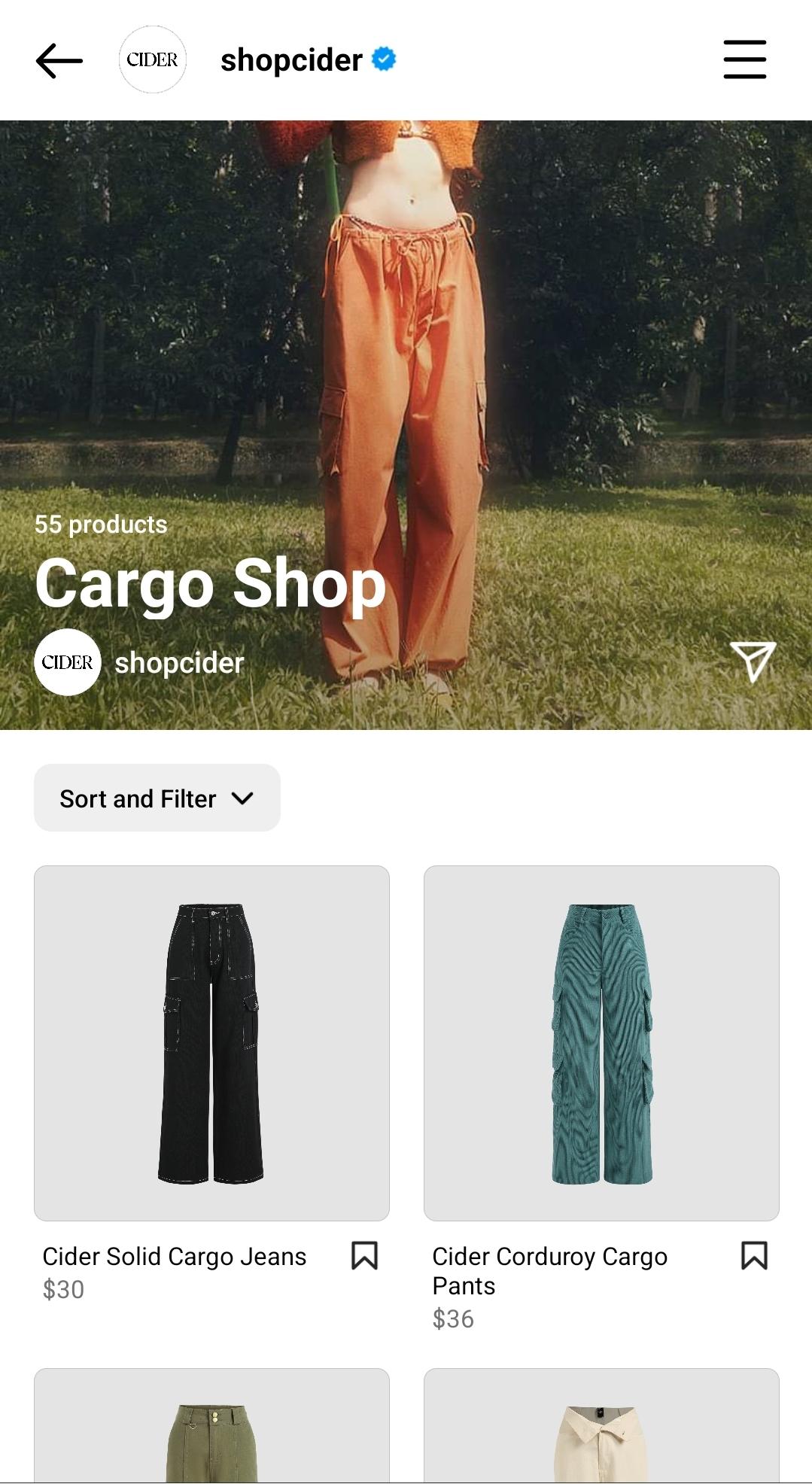
Instagram, also a Meta property, has become a powerhouse for visual commerce, particularly appealing to fashion, beauty, and lifestyle brands. Instagram Shops allow users to purchase products directly from photos, videos, Reels, and Stories. Businesses can link their Instagram business accounts to their Facebook business profile to set up a customizable store, complete with product detail pages featuring rich media, pricing, and product information. Instagram’s shoppable tags, product stickers in Stories, and a dedicated "Shop" tab in the app’s navigation bar make product discovery intuitive. The platform recently expanded its capabilities to allow in-chat purchases via DMs, further simplifying the buying process. Instagram’s strong visual focus and influencer culture make it an ideal platform for showcasing products and driving aspirational purchases.
3. Pinterest (Product Pins and Shop)
Pinterest, often described as a visual discovery engine, has long been a destination for shopping inspiration. In 2015, it was an early adopter of shopping features, initially with buyable pins that redirected users. Today, Pinterest Business accounts can create Product Pins, which are displayed in their Pinterest Shop. For U.S. customers, a "Buy" button beneath a pin enables in-app purchases, eliminating external redirects. While international users may still be redirected to an online store, Pinterest’s core appeal lies in its user base, with 89% of users actively seeking products to buy. Its powerful search capabilities and focus on curated collections make it an effective platform for brands in home decor, fashion, DIY, and lifestyle sectors.
4. TikTok (TikTok Shop)
TikTok has rapidly emerged as a significant force in social commerce, fueled by its viral content and engaged user base. The hashtag #TikTokMadeMeBuyIt, used over 7 billion times, exemplifies the platform’s influence on consumer purchasing behavior. TikTok Shop allows businesses to sell products directly through various formats: in-feed video ads with shoppable links, live shopping events where creators showcase products in real-time, and product showcases on brand profiles. While TikTok faced challenges with expanding TikTok Shop beyond North America (with reported cancellations in some European markets), its success in the UK, parts of Asia, and North America underscores its potential, particularly for reaching Gen Z and younger Millennials through authentic, short-form video content. Its dynamic, entertainment-driven environment makes it ideal for showcasing product utility and fostering impulse buys.
5. Snapchat (Augmented Reality & Shoppable Ads)
Snapchat, while not offering a dedicated "Shop" feature in the same vein as Meta platforms, has carved out its niche in social commerce through innovative augmented reality (AR) experiences and shoppable ads. Its AR lenses allow users to virtually "try on" clothing, makeup, or accessories, providing an immersive pre-purchase experience. Brands can create shoppable AR filters and integrate product links directly into their ads, making the transition from discovery to purchase seamless for its predominantly younger user base. Snapchat’s focus on ephemeral content and playful interactions offers a unique avenue for brands to engage with consumers and drive sales through experiential marketing.
Best Practices for Effective Social Commerce
Maximizing revenue from social commerce requires a strategic approach that extends beyond merely setting up a shop. Implementing the following best practices can significantly enhance success:
-
Active Social Listening: Leverage social media as a real-time feedback mechanism. Closely monitor comments, mentions, and shares related to your products and brand. Tools like Hootsuite can centralize this monitoring across platforms, providing insights into customer sentiment, industry trends, and competitive activities. This proactive listening allows businesses to adapt strategies, address concerns, and identify new opportunities swiftly.

-
Authentic Audience Engagement: The "social" aspect of social commerce is paramount. Businesses must engage authentically with their audience by providing value beyond just product promotion. This includes answering questions promptly, participating in discussions, creating entertaining and informative content, and showcasing the human side of the brand. Building a community around products fosters loyalty and trust, which are critical drivers of long-term sales. Utilizing chatbots for initial, repetitive inquiries can ensure rapid responses while freeing human agents for more complex interactions.
-
Harnessing Social Proof Through Reviews: Consumer reviews are powerful motivators in online shopping, with studies indicating that nearly 100% of consumers read reviews before making a purchase. Actively solicit reviews from satisfied customers through automated post-purchase emails or incentives like loyalty points or giveaways. Showcase positive testimonials prominently on social feeds, incorporate user-generated content, and even host live sessions featuring customer success stories to amplify social proof and build credibility.
-
Strategic Integration with E-commerce Tools (e.g., Hootsuite Shopview): While social commerce enables in-app purchases, integrating it with existing e-commerce infrastructure can streamline operations. Tools like Hootsuite’s Shopview app allow businesses using platforms like Shopify, BigCommerce, WooCommerce, or Magento to seamlessly pull product listings into social media posts. This integration enhances the customer’s online shopping experience by presenting a cohesive brand presence across channels and can be complemented by a robust social media advertising strategy to ensure content reaches the most receptive audiences.
-
Leveraging AI Chatbots for Sales and Customer Service Automation: The immediacy of social media demands rapid responses, which can be challenging to manage manually, especially for growing businesses. AI-powered conversational chatbots, such as Heyday, can automate up to 80% of routine customer service inquiries, including questions about pricing, order tracking, and product availability. These chatbots operate 24/7, providing instant assistance and ensuring that potential sales are not lost due to delayed responses. Heyday can also proactively engage customers by sending price-drop or back-in-stock notifications, further enhancing sales opportunities and improving customer satisfaction.

Broader Impact and Future Outlook
Social commerce represents more than just a new sales channel; it signifies a fundamental shift in how consumers interact with brands and make purchasing decisions. Its broader implications extend to various facets of digital business:
- Marketing Strategy: It demands a more integrated approach to content creation, advertising, and sales, blurring the lines between marketing and direct conversion. Influencer marketing becomes even more potent when directly linked to shoppable content.
- Customer Service: The expectation for immediate, personalized support directly within social apps necessitates advanced tools and strategies, including AI-driven solutions.
- Data Privacy and Trust: As more transactions occur within social platforms, concerns around data privacy, secure payment processing, and consumer trust become paramount. Platforms and businesses must prioritize transparent data handling and robust security measures.
- Competition: The low barrier to entry for setting up a social shop means increased competition, requiring brands to differentiate through unique content, exceptional service, and compelling product offerings.
Looking ahead, social commerce is poised for continued innovation. We can anticipate further advancements in live shopping, with more interactive features and global reach. Augmented reality (AR) and virtual reality (VR) technologies are likely to play an increasingly significant role, offering immersive product try-on experiences. The integration of social commerce into the nascent metaverse also presents a frontier for brands to explore, creating virtual storefronts and interactive shopping environments. AI will continue to personalize the shopping journey, from product recommendations to automated customer support, making the experience more intuitive and efficient. As global social commerce revenue is projected to exceed $3.3 trillion by 2028, its strategic importance in the global retail ecosystem is undeniable, compelling businesses to adapt and innovate to thrive in this evolving landscape.