State Attorneys General Challenge Paramount Skydance-Warner Bros. Discovery Merger Amidst Antitrust Concerns and Media Consolidation Fears

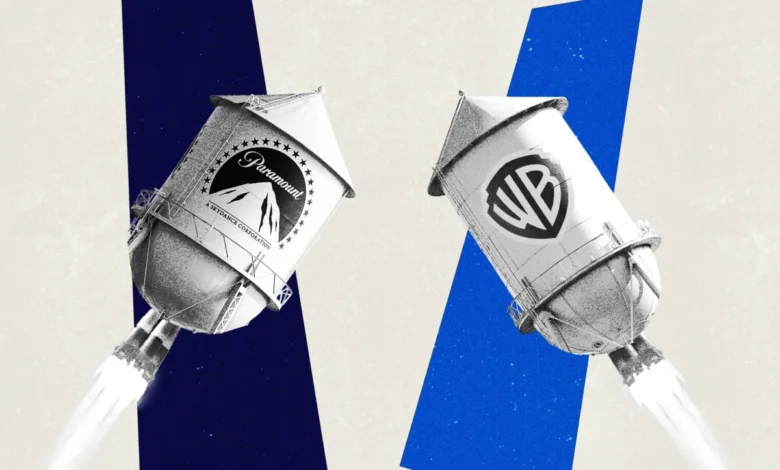
Last month, the Department of Justice (DOJ) delivered an official blessing to the proposed merger between Paramount Skydance and Warner Bros. Discovery (WBD), asserting that the deal held the potential to invigorate competition across the vast media and entertainment ecosystem. However, this federal endorsement was swiftly countered on July 13, when a formidable coalition of twelve state attorneys general, spearheaded by California’s Rob Bonta and New York’s Letitia James, filed a federal lawsuit in the Northern District of California. Their legal challenge presented a starkly contrasting view, arguing that the proposed union of these two entertainment behemoths would lead to detrimental outcomes for consumers, including elevated prices, diminished quality, and a reduction in available film and television content. Attorney General Bonta articulated the core of their concern in a statement, emphasizing that "Film and television are not commodities," and the lawsuit itself underscored that "the competitive health of markets" directly influences "the breadth of voices and viewpoints that reach the public."
The Contested Merger: A Deep Dive into Key Players and Stakes
The architect behind this ambitious merger is David Ellison, chairman of Paramount Skydance and son of Oracle billionaire Larry Ellison, a known ally of former President Donald Trump. The proposed consolidation aims to unite Paramount and WBD, bringing together their extensive content libraries, production capabilities, and, notably, their respective streaming services, Paramount+ and HBO Max. Beyond the silver screen and streaming platforms, the merger would also place Paramount’s CBS News under the same corporate umbrella as WBD’s CNN, raising significant concerns about media pluralism and editorial independence.
According to reports from Axios, Bari Weiss, the embattled head of CBS News, who shares pro-Israel views with the Ellison family, is reportedly being considered to oversee CNN as part of the new entity. Further intensifying scrutiny, the Wall Street Journal reported that Larry Ellison explicitly informed Donald Trump that CNN would undergo a significant "overhaul" should his son gain control. These revelations have fueled anxieties within journalism circles regarding potential political influence and a narrowing of journalistic perspectives.
Paramount Skydance, in a statement responding to the state attorneys general’s challenge, declared that the lawsuit "reflects a fundamentally flawed application of the antitrust laws." The company further argued that "delaying this transaction will only harm entertainment workers who have already suffered over recent years as technology has disrupted their livelihood and cost California tens of thousands of entertainment jobs." To spearhead their defense, Paramount has enlisted Jeffrey Kessler, an acclaimed antitrust attorney dubbed a "rock star" in legal circles. Kessler downplayed the journalistic concerns, stating, "CBS News is a tiny part of the CBS network, which itself is a small part of the overall thing," and suggested that much of the opposition stemmed from internal disputes at 60 Minutes rather than genuine antitrust issues.
A History of Consolidation: The Evolving Media Landscape
The media and entertainment industry has been in a state of flux for decades, characterized by waves of consolidation driven by technological advancements, evolving consumer habits, and the relentless pursuit of scale. The shift from traditional broadcast and cable television to direct-to-consumer streaming services has profoundly reshaped business models, leading companies to seek larger content libraries, subscriber bases, and global reach to compete effectively.
From Legacy Studios to Streaming Giants:
Paramount Global (formerly ViacomCBS) boasts a century-long legacy in film and television production, encompassing iconic studios, broadcast networks (CBS), and a growing streaming presence (Paramount+). Warner Bros. Discovery, on the other hand, is itself the product of a recent mega-merger. It was formed in 2022 when AT&T spun off its WarnerMedia division (which included Warner Bros. Pictures, HBO, CNN, and the DC Comics franchise) and merged it with Discovery Inc. This prior transaction, valued at approximately $43 billion, aimed to create a streaming powerhouse capable of challenging Netflix and Disney+. The combined entity inherited substantial debt, a challenge that looms large over the current proposed merger.
The current media landscape is dominated by a few key players. Netflix, with over 270 million global subscribers, and Disney+, boasting over 150 million, represent formidable competitors in the streaming wars. Amazon Prime Video, backed by the e-commerce giant’s vast resources, also commands a significant share. Against this backdrop, Paramount+ has struggled to gain similar traction, reporting around 71 million global subscribers as of early 2024, while HBO Max (now Max) has approximately 99 million. Proponents of the merger argue that combining Paramount+ and Max could create a more competitive third-place contender, capable of investing more in original content and attracting a broader audience, thereby fostering, rather than stifling, competition at the top tier of the streaming market.
However, critics contend that focusing solely on the "streaming wars" overlooks the broader impact on content creation, distribution, and traditional media channels. A merger of this magnitude would concentrate immense power in film production, theatrical distribution, cable television, and news media, potentially reducing the number of buyers for creative talent and limiting consumer choice across various platforms.
Antitrust Battleground: Federal vs. State Power
Historically, the Department of Justice (DOJ) and the Federal Trade Commission (FTC) have been the primary federal agencies responsible for enforcing antitrust laws in the United States. Their role is to prevent mergers and acquisitions that could substantially lessen competition or create monopolies. However, recent years have seen a notable shift in the landscape of antitrust enforcement, with state attorneys general increasingly stepping into the breach, particularly when federal regulators opt not to act or lose cases.
The Shift in Enforcement Dynamics:
Under the previous Trump administration, there was a perceived softening of federal antitrust enforcement in some areas, a trend that some analysts argue continued into certain aspects of the current administration. A prominent example cited in the original article occurred earlier this year when the DOJ dropped an antitrust lawsuit against Live Nation/Ticketmaster. In that instance, state attorneys general swiftly picked up the case, demonstrating their willingness and capacity to challenge powerful corporations and, notably, achieving a victory. This precedent provides a significant boost to the confidence of the state AGs in their current challenge against Paramount Skydance and WBD.
Precedents and the Horizontal Merger Argument:
Legal experts, such as Alvaro Bedoya, a former FTC commissioner under President Joe Biden, and John Newman, a law professor and former deputy director of the FTC under Biden, express strong reservations about the Paramount Skydance-WBD deal. Bedoya stated, "Of course Paramount is going to tell you it’s inevitable. But as a former law enforcer responsible for enforcing the nation’s antitrust laws, I see red flag after red flag, which makes me think this deal is illegal." Newman echoed this sentiment, calling it "a very traditional antitrust case" that the states "can win."
A key factor underpinning their confidence is the nature of the transaction: it is a horizontal merger, meaning it involves two direct competitors. Andrew Schwartzman, a senior counselor at the Benton Institute for Broadband and Society, explained that such tie-ups have historically been easier to block than vertical mergers (where a company acquires a supplier or distributor). The central question in a horizontal merger challenge is whether the combined entity can "use their clout to unlawfully exercise monopolistic-type control over the market."
Paramount Skydance counters this by arguing that the merger will, in fact, enhance competition within the broader entertainment industry by creating a new "megacorporation" better positioned to contend with dominant players like Netflix, Amazon, and Disney. However, the states’ lawsuit contends that the merger would harm competition not just in Hollywood film production, but also across the movie theater exhibition and basic-cable television industries, thereby impacting a much wider array of markets and consumers.
The legal strategy employed by the states draws parallels to the Biden administration’s DOJ successfully blocking the merger of publishing giants Penguin Random House and Simon & Schuster in 2022. That trial famously featured testimony from celebrity authors, including Stephen King, who passionately articulated how consolidation would harm authors and readers by reducing advances and diversity of voices. Newman observed, "People say that the day Stephen King testified is the day the DOJ won," suggesting that the human element of storytelling, and the potential harm to those who create it, could be a powerful narrative in the current case. If the states can effectively showcase how the merger would negatively impact creative professionals—actors, writers, directors, crew members—it could resonate deeply with a court.
Financial Pressures and Projected "Synergies"
The proposed merger is not without its significant financial complexities, particularly concerning the substantial debt that would be shouldered by the new entity. Reports indicate that the combined company would inherit nearly $80 billion in debt, a staggering figure that raises questions about long-term financial stability and growth prospects.
The Burden of Debt and the Promise of Value:
Paramount Skydance has publicly declared that the merger is expected to generate $6 billion in value through various "synergies." These synergies typically refer to the cost savings and revenue enhancements anticipated from combining operations, such as eliminating redundant departments, optimizing distribution channels, and leveraging combined intellectual property. However, financial analysts and industry observers have expressed skepticism regarding the feasibility and methodology behind achieving such a substantial figure.
Graham Smith, a former investor and host of the financial-news podcast "What’s the Big Deal?", characterized the $6 billion synergy projection as "crazy." He argues that to realize savings of that magnitude, the combined entity would likely need to undertake drastic measures.
The Human Cost: Job Cuts and AI Integration:
Smith’s analysis points to a grim reality for the workforce: "the only way" to save money on that scale "is to say, ‘Yeah, we’re just not going to use people anymore.’" This suggests that a significant portion of the projected synergies would likely come from mass layoffs and workforce reductions across both companies. The media and entertainment industries have already faced considerable disruption from technology and evolving consumption patterns, leading to job losses in recent years. A merger-induced wave of redundancies would exacerbate this trend, impacting thousands of employees across production, distribution, marketing, and corporate functions.
Furthermore, the pursuit of such aggressive cost savings could indicate an accelerated adoption of artificial intelligence (AI) to streamline operations, automate tasks, and potentially reduce the need for human labor in various capacities, from content creation support to administrative roles. While AI offers efficiency gains, its widespread implementation in the context of massive post-merger layoffs raises ethical concerns and anxieties about the future of employment in the creative industries. The economic ripple effect of such job losses could be substantial, particularly in regions heavily reliant on the entertainment sector, such as California.
Impact on Content and Journalism: A Threat to Pluralism?
Beyond the financial and competitive aspects, the merger has ignited fervent debate about its potential impact on the quality and diversity of content available to consumers, as well as the crucial role of journalism in a democratic society.
Concerns for Creative Output and Consumer Choice:
The state attorneys general’s lawsuit explicitly states that the merger would lead to "lower quality, and less content for film and television." This concern stems from the idea that reduced competition among major studios could diminish the incentive for innovation, risk-taking in storytelling, and investment in a wide variety of projects. With fewer major players vying for talent and ideas, there could be a consolidation of creative control, potentially leading to a narrower range of narratives and perspectives reaching audiences. Independent filmmakers and smaller production houses might find it harder to secure funding or distribution deals in a more concentrated market.
Moreover, the combination of two large streaming libraries under a single banner could reduce consumer choice by consolidating content that was previously available across different platforms. While a larger combined library might seem appealing, it could also mean fewer distinct platforms competing for subscriber dollars, potentially leading to higher subscription prices and fewer options for niche interests.
The Future of News: CNN, CBS, and Editorial Independence:
Perhaps the most contentious aspect of the proposed merger, particularly for the journalism community, is the potential consolidation of CBS News and CNN. Both are established news organizations with significant reach and influence. The prospect of them operating under unified leadership, potentially overseen by Bari Weiss, and the reported intentions of Larry Ellison regarding CNN’s "overhaul," have sent tremors through the industry.
Critics fear that such consolidation could lead to a reduction in journalistic diversity, a blurring of editorial lines, and increased vulnerability to corporate or political influence. Matt Stoller, director of research at the American Economic Liberties Project, voiced a stark warning: "Just because it’s our motivation to defend democracy doesn’t mean it’s David Ellison’s motivation to destroy it. But that is what he’s doing. He’ll incidentally destroy democracy." While strong, this statement captures the profound concern that decisions driven by profit or political alignment, even if not explicitly intended to harm democracy, could have significant negative repercussions for the public’s access to independent and diverse information.
The independence of news divisions within large entertainment conglomerates has long been a delicate balance. Combining two major news networks under a single, politically connected owner raises questions about the allocation of resources, editorial priorities, and the potential for a unified editorial stance that could limit the range of viewpoints presented to the public. The perceived or actual influence of a powerful owner on news content could erode public trust in both institutions, at a time when credible journalism is seen as more vital than ever.
The Legal Road Ahead: A Protracted Battle
The lawsuit filed by the state attorneys general marks the beginning of what is expected to be a protracted and complex legal battle. The states have formally requested that Paramount Skydance halt the merger proceedings while the legal process unfolds. Should the companies refuse to comply, the states are prepared to seek a temporary restraining order (TRO) from the court.
Navigating the Courts: Temporary Orders and Trial Timelines:
If a TRO is granted, or if Paramount Skydance voluntarily agrees to a pause, the companies would be forced to wait idly while the case proceeds to trial. Andrew Schwartzman estimated that the trial itself could take anywhere from six months to a year to commence, particularly given that California’s Northern District is known as a slow court. This extended delay would impose significant financial and strategic costs on both companies, potentially forcing a reassessment of the deal’s viability.
Under normal circumstances, the prospect of a drawn-out trial might "spook a company" into abandoning a merger, as John Newman observed. However, he also pointed out that "this is not exactly an ordinary deal. It’s the son of one of the richest men on earth buying himself a position of influence and power. That weighs in favor of Paramount being willing to drag out a fight up to the appellate courts where another company might just walk away." This suggests that the personal stakes and immense resources available to the Ellison family could lead to a more tenacious legal fight than typically seen in such cases.
International Oversight: UK and EU Reviews:
While the U.S. states’ lawsuit is seen as the most significant immediate hurdle, regulatory bodies in other jurisdictions, particularly the United Kingdom and the European Union, are also reviewing the merger. These international reviews, though potentially less likely to block the deal outright, could still "slow things down" by imposing conditions or requiring compromises, according to Newman.
For instance, Reuters reported that the EU might grant approval if Paramount agrees to abandon a joint venture with Universal Pictures for film distribution. Such concessions, while not stopping the merger, could impact the strategic advantages and financial projections of the combined entity, adding further layers of complexity and cost to the transaction. While Newman expressed skepticism that non-U.S. enforcers would be the ultimate "roadblock," their involvement highlights the global nature of these media giants and the multi-jurisdictional scrutiny they face.
The coming months will be crucial as the legal arguments are sharpened, expert testimonies are prepared, and the court begins to weigh the competing narratives of economic efficiency versus market competition, and corporate ambition versus public interest. The outcome of this high-stakes battle will not only determine the future of two major media conglomerates but also set important precedents for antitrust enforcement in an increasingly consolidated global media landscape.