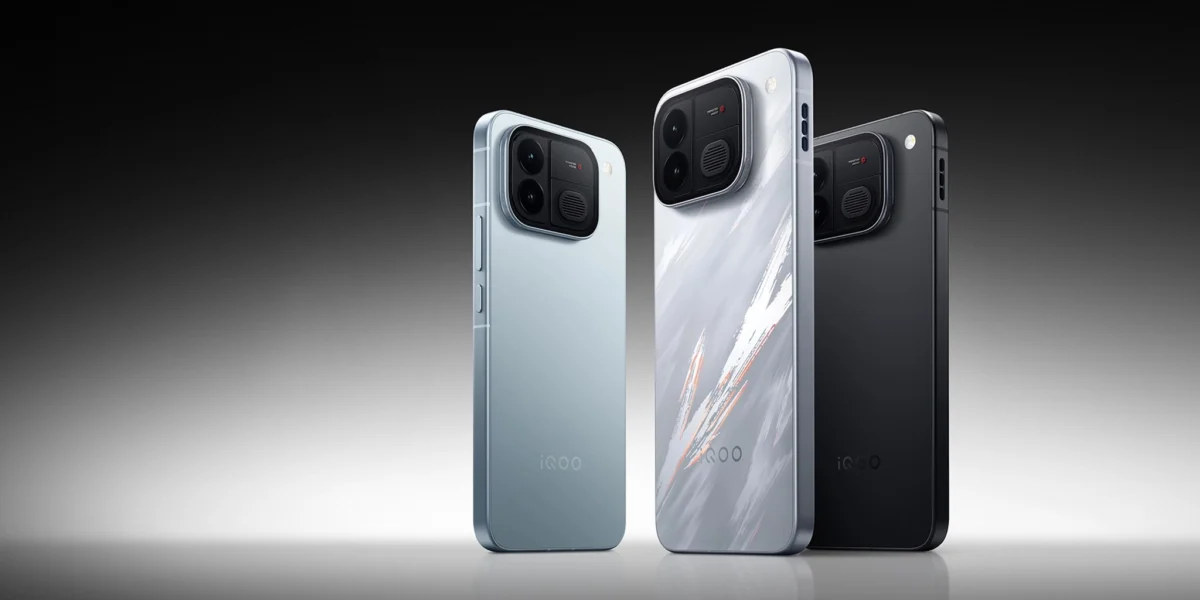
The smartphone industry has long operated on a clear hierarchy: premium internals were reserved for devices exceeding the $1,000 threshold, while mid-range devices settled for compromised performance. With the official unveiling of the iQOO Neo 12, the Vivo-backed brand has once again challenged this paradigm. By integrating the Qualcomm Snapdragon 8 Elite Gen 5—the same powerhouse silicon found in the $1,300 Samsung Galaxy S26 Ultra—into a device positioned for the upper mid-range market, iQOO is signaling a shift in how value is defined in the mobile ecosystem.
Technical Specifications and Engineering Feats
The core appeal of the iQOO Neo 12 lies in its aggressive internal configuration. The inclusion of the Snapdragon 8 Elite, built on a cutting-edge process node, provides a level of computational efficiency and raw processing power that, until recently, was absent from non-flagship tiers. To manage the thermal output of such a potent chipset, iQOO has implemented a sophisticated cooling architecture. This includes a custom 59-blade active cooling fan, a physical component rarely seen in mainstream smartphones, paired with a massive "3D Ice Dome" vapor chamber. This combination is designed to sustain peak performance during prolonged gaming sessions or high-intensity tasks, effectively mitigating the thermal throttling that plagues many contemporary devices.

The visual experience is driven by a 6.83-inch AMOLED display that boasts a 185Hz refresh rate, pushing the boundaries of current mobile display technology. Beyond the fluid refresh rate, the panel features a 2K resolution and a peak brightness of 2,200 nits, ensuring visibility in direct sunlight. To address the persistent issue of eye strain, the manufacturer has integrated both DC dimming and 2,160Hz PWM dimming. For the gaming community, the device utilizes a dedicated display chip that optimizes touch responsiveness to levels comparable to the premium iQOO 16, alongside a specialized "super-sensitive" gyroscope designed to enhance precision in competitive mobile gaming.
Unprecedented Durability in the Gaming Category
A notable technical achievement for the Neo 12 is its IP69 rating. Historically, gaming-centric phones have prioritized internal performance at the expense of ingress protection, often omitting official water and dust resistance ratings due to the presence of active cooling vents or mechanical triggers. By achieving an IP69 rating, the iQOO Neo 12 remains protected against high-pressure water jets and extreme dust exposure. This suggests that iQOO has engineered a specialized internal sealing mechanism that allows for active airflow through the fan system while maintaining a pressurized, hermetic seal around sensitive electronic components.
Power management is handled by a substantial 9,000mAh battery. Given the current industry standard for flagship devices typically rests between 5,000mAh and 6,000mAh, the decision to integrate such a high-capacity cell is significant. To ensure this massive battery can be charged within a reasonable timeframe, the device supports 100W wired fast charging. The hardware suite is completed by an ultrasonic under-display fingerprint sensor, an integrated IR blaster for home appliance control, and a high-fidelity stereo speaker setup, rounding out a feature set that competes directly with devices in the ultra-premium category.

Imaging Capabilities and Industrial Design
The photographic hardware on the Neo 12 centers on a 50MP Sony IMX921 primary sensor. This sensor, known for its high dynamic range and low-light performance, is housed within a prominent, raised camera island on the rear of the chassis. It is accompanied by an 8MP ultra-wide lens, a configuration that prioritizes utility over the inclusion of secondary sensors. On the front, a 16MP camera is utilized for selfies and video conferencing.
The design language leans into a bold, aesthetic-forward approach, with three distinct colorways: "Contender," "Frost Blade Blue," and "Shadow Black." These options, combined with the structural rigidity of the device, position it as a lifestyle product that appeals to a younger, performance-oriented demographic while maintaining the professional build quality required by more conservative buyers.
Strategic Market Positioning and Context
The launch of the iQOO Neo 12 follows a strategic pattern observed in the Chinese smartphone market over the last 24 months. As the global economy experiences inflationary pressures, consumers are increasingly seeking "flagship killers"—devices that offer 95% of the performance of a premium flagship at 60% of the cost. iQOO, as a sub-brand of Vivo, leverages the research and development pipeline of its parent company to achieve these economies of scale.

The timeline of this release is critical. By launching in late 2026, iQOO is positioning the Neo 12 to compete for the year-end holiday market and the transition period into the next calendar year. The reliance on the Snapdragon 8 Elite suggests that the supply chain constraints that previously hampered early-year flagships have been resolved, allowing for mass-market availability of premium-grade silicon.
Industry Implications and Future Outlook
The entry of the iQOO Neo 12 into the market poses a direct challenge to established manufacturers. When a device priced in the mid-range segment offers an IP69 rating, a 9,000mAh battery, and a top-tier processor, it forces competitors to re-evaluate their own mid-range offerings. If consumers begin to expect these features as standard, the "value" tier of the smartphone market will likely undergo a significant transformation.
From a manufacturing perspective, the inclusion of an active cooling fan in a slim chassis is a logistical challenge. The success of this design could encourage other manufacturers to revisit active cooling as a standard feature rather than an accessory-based or niche-market solution. Furthermore, the integration of a 9,000mAh battery could initiate a new "capacity race," moving away from the stagnant battery sizes that have characterized the last five years of smartphone development.

Official Availability and Global Expansion
The device is currently available exclusively in the Chinese market, with sales managed through official Vivo retail channels. The pricing strategy reflects an aggressive attempt to capture market share, offering a significant performance-to-price ratio that is difficult for regional competitors to match.
As of the current reporting, there has been no official confirmation regarding a global release. However, given the precedent set by previous iterations of the Neo series, an eventual expansion into the Indian and Southeast Asian markets is highly probable. Such an expansion would be vital for iQOO to solidify its standing as a global player in the performance-oriented smartphone sector.
Analysis of Technical Challenges
While the technical specs of the Neo 12 are impressive on paper, they invite specific questions regarding long-term reliability. The use of a 9,000mAh battery introduces considerations regarding the degradation of lithium-ion cells over time. While the 100W charging system is fast, the heat generated during such rapid energy transfer must be managed by the device’s battery management system (BMS) to ensure safety.

Similarly, the IP69 rating combined with an active cooling fan implies a complex mechanical design. Maintaining the longevity of an internal fan against environmental hazards like lint, dust, or microscopic debris will be a key metric for real-world durability testing. If the fan fails, the device’s ability to sustain peak performance under the Snapdragon 8 Elite’s load could be severely compromised.
Conclusion
The iQOO Neo 12 represents a synthesis of high-end performance and practical engineering. By prioritizing the internal components that matter most to power users—processor, battery, and cooling—while maintaining a competitive price point, iQOO has created a compelling alternative to traditional flagship devices. As the device rolls out in its home market, industry analysts will be monitoring its reception to determine if this aggressive feature set is sustainable for the manufacturer and if it will force a shift in global mobile pricing strategies.
For now, the Neo 12 stands as a testament to the current state of mobile technology, where the gap between the "budget" and "premium" experience continues to narrow. Whether this model marks the beginning of a broader industry trend toward higher-spec mid-range devices remains to be seen, but the initial hardware specifications certainly set a new benchmark for the sector. As global markets await news of a potential international launch, the iQOO Neo 12 serves as a clear indicator of the direction in which performance-focused mobile technology is heading.