For decades, the digital landscape has been defined by the mechanics of the interface. Since the commercialization of the Graphical User Interface (GUI) via the Xerox Star and the subsequent rise of the Apple Macintosh, the primary mode of interaction between humans and software has been the point-and-click paradigm. Users have been conditioned to navigate complex, multi-layered menus, fill out exhaustive forms, and traverse labyrinthine sales funnels to achieve simple goals. However, a seismic shift is underway. The web is evolving beyond static, button-heavy architectures toward a new paradigm: Intent-Driven Design. This transition represents a fundamental move from managing software to delegating goals, marking the end of the traditional ten-click user journey.

The Evolution of Interaction: From Menus to Intent
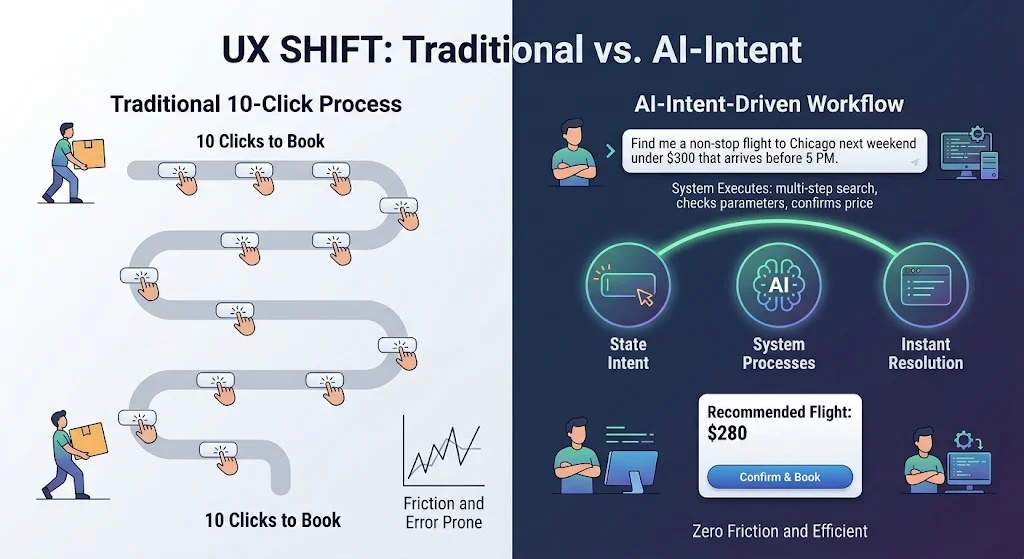
The history of web interaction is a history of increasing complexity. In the 1990s, the web was a collection of static documents. By the 2000s, it became an interactive application layer where users were expected to perform manual labor to extract data. Booking a flight, for instance, has long required a ritual of opening multiple browser tabs, inputting dates into range sliders, selecting preferences across several pages, and confirming details through a series of intrusive pop-ups. This process treats the computer as a passive container of information, with the user serving as the manual orchestrator of every micro-step.
The current shift toward Intent-Driven Design is powered by Large Language Models (LLMs) and advanced artificial intelligence agents. These systems allow users to express a high-level goal in natural language, such as "Find me a non-stop flight to Chicago under $300 that arrives before 5 PM." Instead of forcing the user to navigate the software’s architecture, the AI executes the multi-step search, filters the results, and presents a singular, actionable resolution. This represents a departure from the "command-based" interaction model to an "outcome-based" model, where the software silently performs the "grunt work" behind the scenes.
Chronology of the Interface Shift
The path toward "no-interface" design has been theorized for years, gaining momentum as AI technology reached maturity:
- 1980s–1990s: The GUI Dominance. The standardization of the mouse, windows, and icons established the point-and-click model as the industry gold standard.
- 2014: The "No Interface" Manifesto. Designer Golden Krishna published The Best Interface Is No Interface, arguing that digital interaction should be invisible, focusing on the result rather than the container.
- 2020–2022: The Rise of Generative AI. Breakthroughs in LLMs enabled machines to process natural language with high accuracy, moving beyond keyword-based search to intent-based execution.
- 2023–2025: The Proliferation of AI-Native Platforms. Companies like Perplexity AI and Vercel began deploying systems that prioritize synthesized, dynamic output over lists of links or static layouts.
Data and Market Implications
The economic impact of this transition is significant. Traditional UX metrics have long prioritized "time-on-site" and "page views" as indicators of success. In an intent-driven model, these metrics are inverted. If a user spends less time on a site because their query was resolved instantly, the software is deemed more successful.
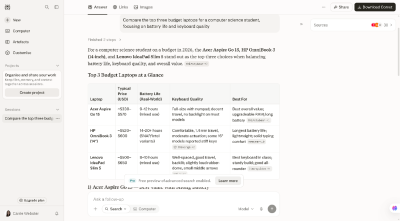
Market research indicates that users are increasingly favoring platforms that reduce cognitive load. According to recent usability studies, tasks that previously required five to seven minutes of manual interaction can now be completed in under thirty seconds via AI agents. This efficiency gain suggests that businesses will soon shift their investment from complex UI design—building beautiful, high-friction interfaces—to the backend development of AI agents capable of fulfilling user intent reliably.
Industry Perspectives and Ethical Frameworks
The shift toward autonomous, agentic web experiences has drawn attention from major human-computer interaction (HCI) research groups, including those at Stanford and the Nielsen Norman Group. The consensus among experts is that while the "death of the interface" is an exciting evolution, it introduces significant challenges regarding trust and control.
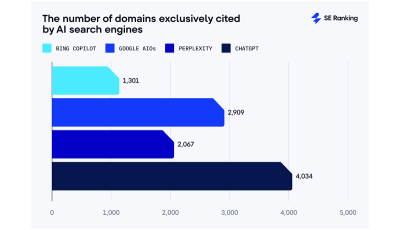
"The ultimate goal of modern web design is no longer to build prettier buttons or flashy animations; it is to eliminate the interface entirely," noted experts during recent industry symposiums. However, this raises the "Black Box" problem. When an AI makes decisions for a user, the user may lose visibility into why a particular option was chosen. To counter this, organizations like Google’s PAIR (People + AI Research) have proposed rigorous feedback loops. These loops ensure that systems provide transparent explanations of their reasoning, allowing users to verify, audit, or correct the AI’s path before a final commitment is made.
The Three Pillars of Intent-Driven Web Design
The transition to this new era rests upon three fundamental pillars that redefine how designers approach their craft:
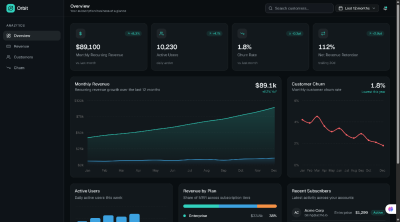
- High-Level Goal Processing: Modern systems now ingest environmental metadata—such as device location, historical habits, and real-time context—to anticipate user needs before they are explicitly stated.
- Generative UI: Unlike traditional web design, where every user interacts with the same static layout, Generative UI is rendered on the fly. If a user needs a financial calculation, the system creates a dynamic widget that appears when needed and vanishes upon completion, keeping the interface uncluttered.
- Autonomous Execution: This pillar shifts the UX focus from error prevention to "easy reversibility." Because agents act on behalf of the user, the burden of proof shifts. Rather than bombarding users with "Are you sure?" confirmation modals, the system prioritizes intuitive "Undo" buttons and transparent audit logs.
The Risks of Automation
The removal of friction is not without peril. A primary concern is the "Illusion of Control," where users may feel coerced by algorithms designed to prioritize specific outcomes. The Center for Humane Technology has warned that without ethical guardrails, AI-driven interfaces could inadvertently manipulate user behavior through biased defaults.
Furthermore, the loss of direct control necessitates a higher bar for "high-stakes" tasks. Designers must distinguish between low-risk tasks (like summarizing an article) and high-risk tasks (like financial transactions or privacy settings). In the latter, human-in-the-loop validation remains a mandatory, non-negotiable component of the design.
Broader Impact: A New Era for UX Designers
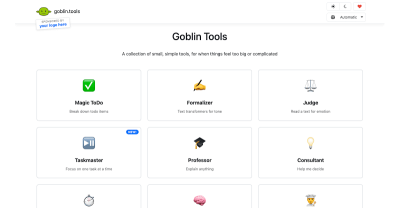
For UX designers, the role is undergoing a radical transformation. The focus is shifting away from drawing rectangles and defining hexadecimal color codes toward mapping human intent to agentic outcomes. Designers must become architects of logic and trust, focusing on how to represent dynamic, generative components that adapt to user needs in real-time.
As the industry moves away from the "10-click" paradigm, the definition of a successful digital product is being rewritten. Success is no longer measured by how long a user is "engaged" with an interface, but by how effectively the technology recedes into the background to facilitate the completion of a goal. We are witnessing the maturation of the web from a collection of digital tools that we must learn to operate into a responsive environment that understands what we need and delivers it with minimal intervention.
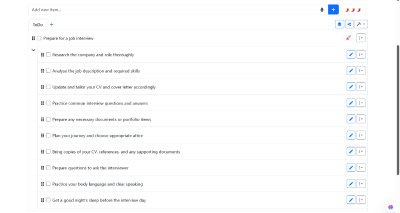
In this new era, the most sophisticated design is the one that is never noticed—the design that prioritizes seamless, invisible, and efficient resolution. The future of the web is not a better button; it is the total absence of the need to click one.