Social media data collection has rapidly evolved from a supplementary marketing tactic into a critical business intelligence function for modern enterprises. As global platforms scale to accommodate billions of active users—with Facebook alone surpassing three billion monthly active participants—the volume of generated information has outpaced manual human capacity. Consequently, organizations across industries are restructuring how they capture, process, and analyze digital footprints to influence strategy, optimize return on investment (investment yield), and maintain regulatory compliance.
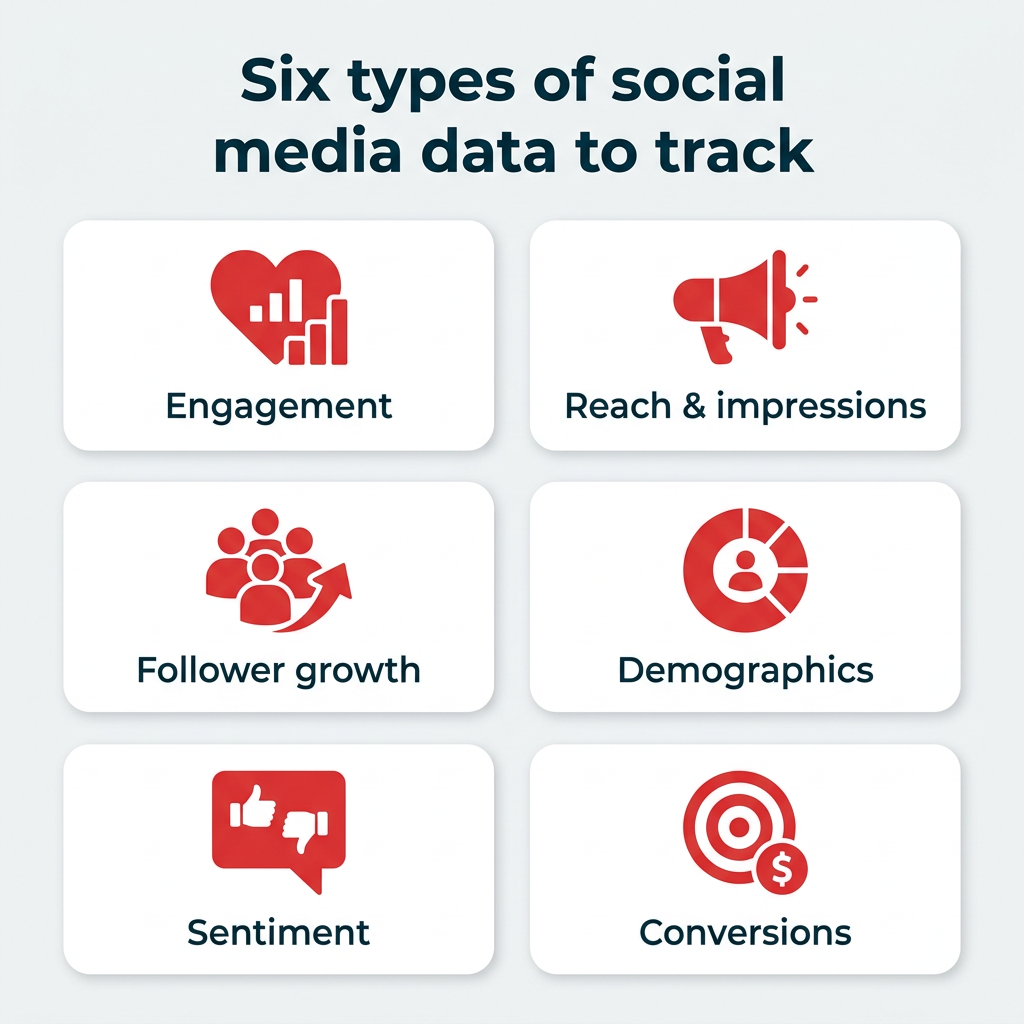
The practice fundamentally relies on distinguishing between two distinct information categories: first-party data and publicly available data. First-party data originates directly from corporate-owned accounts, capturing metrics such as impressions, click-through rates, reach, and organic follower growth derived from internal analytics infrastructures. Conversely, publicly available data encompasses the broader digital ecosystem—including independent user posts, public comments, hashtag trajectories, online reviews, and brand mentions across various channels. While first-party metrics measure direct audience interaction, social listening experts frequently cite public sentiment as the more honest signal of brand perception, given that consumers communicate freely outside corporate perimeters.

Defining the Workflow: Collection, Mining, and Extraction
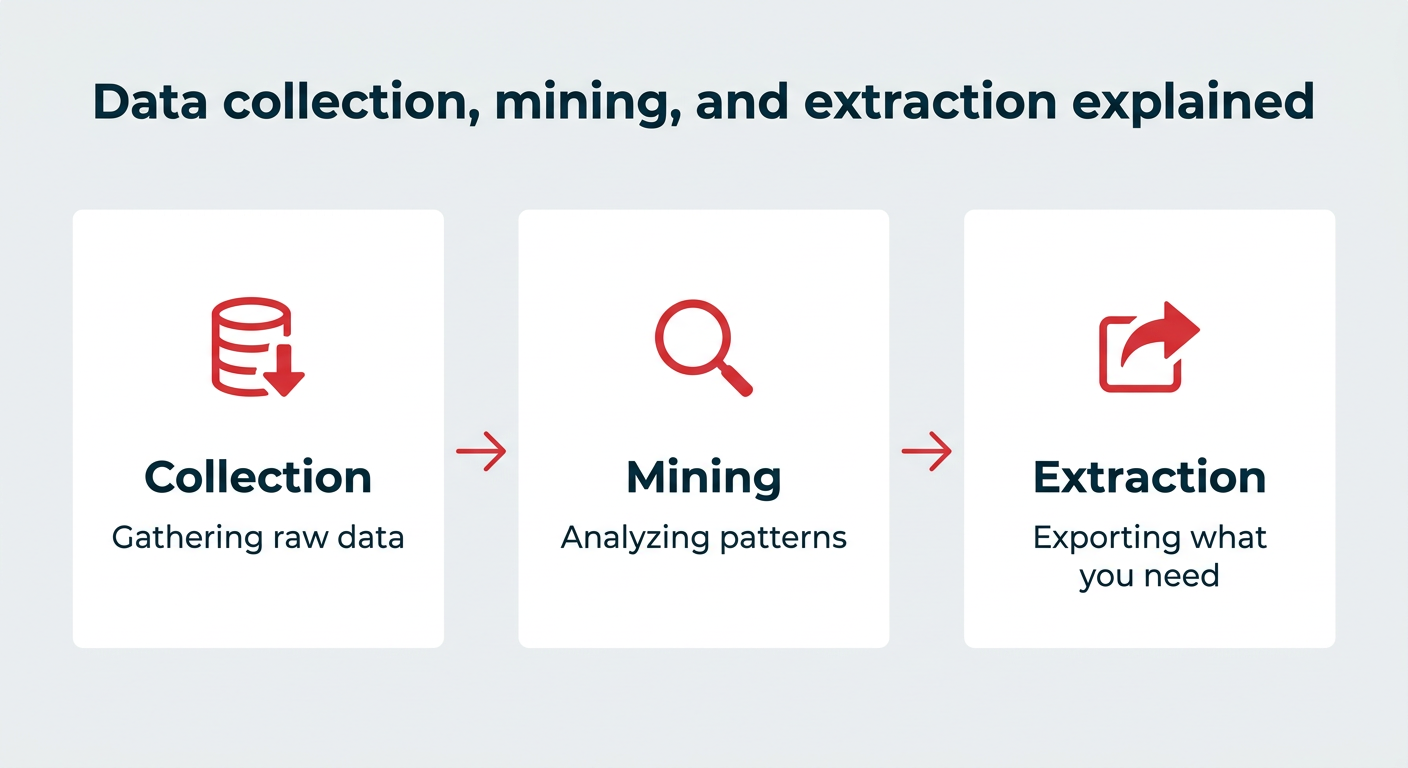
Navigating enterprise-level social intelligence requires a clear operational distinction between data collection, data mining, and data extraction. Each phase serves a unique purpose in transforming raw digital noise into actionable corporate strategy.
Data collection acts as the foundational phase, involving the systematic gathering of raw quantitative and qualitative inputs directly from social platforms. This includes pulling real-time engagement telemetry from visual-first applications like Instagram Insights or capturing keyword volume streams.
Data mining follows, representing the analytical application of statistical and computational models to unearth hidden patterns, behavioral correlations, and audience preferences. For instance, mining might reveal a strong statistical correlation between specific video formats and elevated viewer retention rates.

Finally, data extraction isolates specific, high-priority data points required for executive reporting, compliance auditing, or database integration. By establishing a formalized pipeline across these three stages, organizations ensure that raw platform data translates cleanly into measurable business growth.
Platform-Specific Metrics and Ecosystem Variations
Different social media networks offer distinct analytical strengths, necessitating specialized approaches to data collection. Marketers rarely rely on a single dashboard, as cross-channel synthesis provides a more comprehensive overview of market presence.
Meta platforms, encompassing Facebook and Instagram, deliver a broad suite of metrics that connect audience reach, engagement, saves, and story performance directly to conversion data via application programming interfaces (APIs). This ecosystem provides the shortest analytical path from initial digital exposure to final point-of-sale verification.
LinkedIn remains unique in its ability to report professional attributes. Beyond standard impressions and follower trajectories, B2B marketing teams can evaluate audience composition by job function, industrial sector, seniority level, and corporate scale, transforming generic age demographics into account-level insights.
TikTok emphasizes attention economics. Metrics such as watch time, completion rates, traffic origin sources, and rising audio trends allow brands to measure audience retention dynamically. Similarly, YouTube dominates long-form video analytics, offering granular audience retention curves, drop-off timestamps, and historical revenue attribution per video asset.
Meanwhile, X excels in real-time conversation volume tracking, while Pinterest highlights outbound click intent and visual saves, which correlate strongly with consumer purchasing intent.
Methodologies for Effective Social Media Data Collection
Organizations deploy diverse methodologies to capture and evaluate social media data, frequently combining multiple avenues to eliminate blind spots.
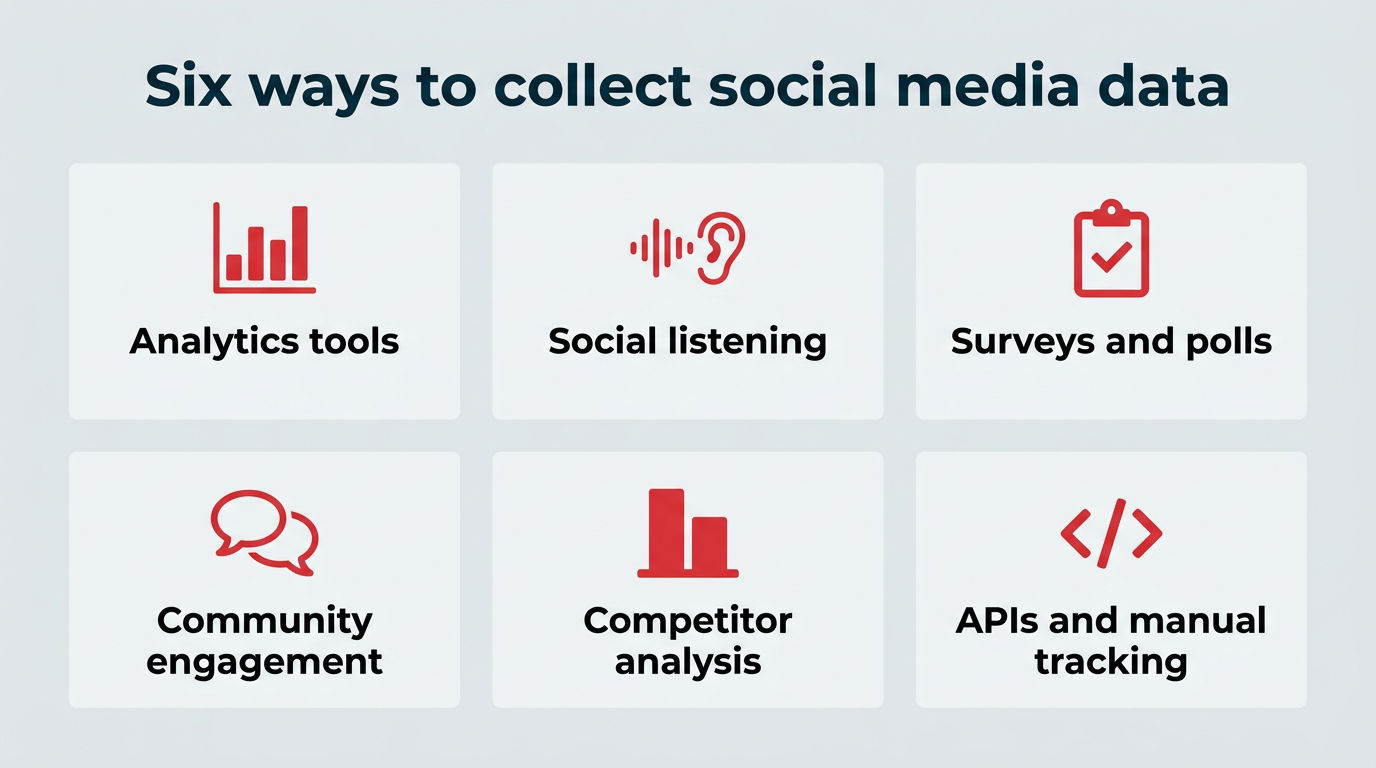
The primary approach utilizes native platform analytics. Tools built directly into social applications provide user-friendly, post-level metrics regarding reach and clicks. However, because these native solutions remain siloed, enterprise teams increasingly depend on unified third-party platforms to aggregate multi-channel performance into a single dashboard.
A second essential method is social listening. By monitoring un-tagged brand mentions, industry keywords, and shifting sentiment across the broader web, brands gain critical context regarding why certain trends occur. Modern listening platforms integrate advanced natural language processing to categorize public opinion automatically, helping organizations identify emerging PR risks or product feedback loops before they escalate.
Complementary methods include deploying platform polls and surveys to capture direct qualitative feedback, actively engaging in community management through direct messages and user-generated content, conducting routine competitive benchmarking against industry peers, and leveraging direct API integrations for automated database synchronization.
Legal Frameworks and Ethical Considerations
As data collection scales, regulatory compliance has become a non-negotiable priority for enterprise governance. Violations of international and domestic privacy laws carry severe penalties, including substantial financial fines, mandatory audits, and the revocation of developer API access.
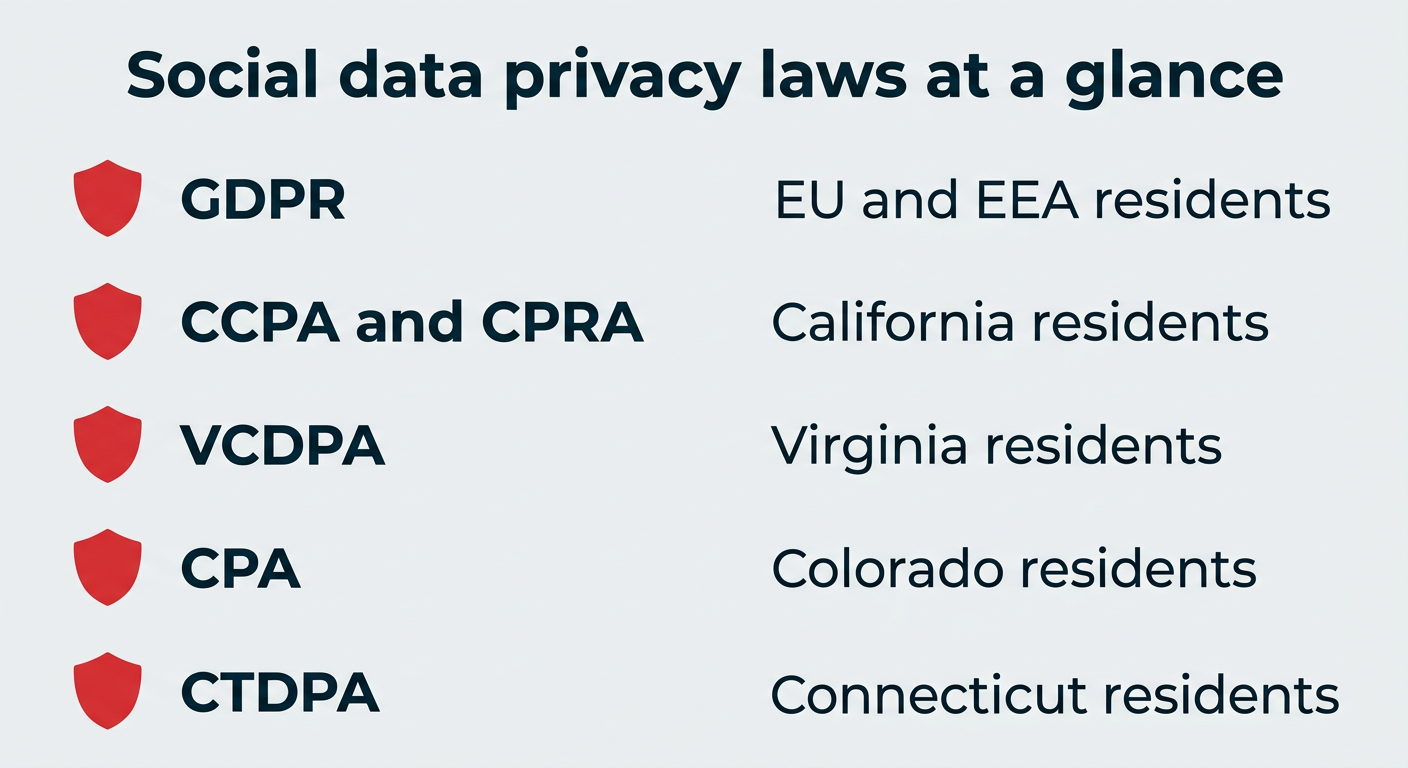
Compliance requirements are dictated primarily by the geographic residency of the audience rather than the physical headquarters of the collecting enterprise. The General Data Protection Regulation (GDPR) sets the baseline for individuals within the European Union and the European Economic Area, requiring explicit lawful bases for processing, strict transparency notices, and adherence to consumer rights such as data access and erasure.
In the United States, privacy regulations have expanded beyond California’s Consumer Privacy Act (CCPA) and California Privacy Rights Act (CPRA) to include a complex patchwork of state-level legislation, including Virginia’s VCDPA, Colorado’s CPA, and Connecticut’s CTDPA. These statutes mandate specific consumer opt-out mechanisms for targeted advertising, strict limitations on sensitive personal information, and mandatory data protection impact assessments.
Ethical data collection builds upon these legal floors to preserve brand trust. Organizations must maintain rigorous data minimization practices, collecting only information necessary for specified business outcomes, enforcing strict internal access controls, and transparently communicating data usage policies to consumers.
The Integration of Artificial Intelligence in Data Collection
Artificial intelligence has fundamentally transformed the speed and scale at which organizations process social media data. Historically, the primary bottleneck was data collection capacity; today, the challenge lies in real-time interpretation due to the sheer volume of public conversation.

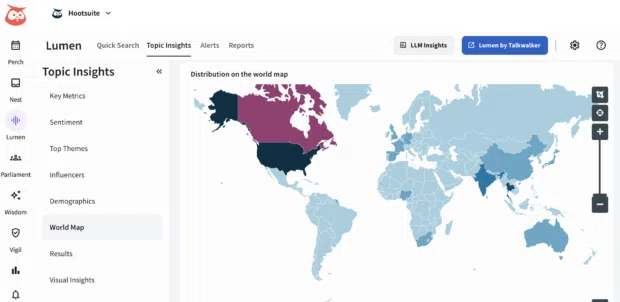
AI-driven tools now automate sentiment classification, flag statistical anomalies across millions of data points, and summarize extensive unstructured dialogue into concise thematic reports. For example, modern enterprise social operating systems utilize embedded AI to allow analysts to query live social streams using natural language, returning contextual intelligence rather than endless rows of raw data.
Despite these advancements, industry experts urge caution. Because machine learning classifications are inherently probabilistic, automated sentiment labels and topic clusters require human verification before informing public-facing communication or corporate strategy. Furthermore, any AI application processing consumer data remains subject to the same regulatory frameworks governing traditional data collection methodologies.
Strategic Implications and Future Outlook
Ultimately, the value of social media data collection is measured by its ability to inform smarter business decisions and improve organizational return on investment. Industry leaders emphasize that successful data strategies begin with clearly defined campaign objectives rather than indiscriminate metric gathering. By focusing on high-impact indicators—such as organic share of voice, verified conversions, and meaningful audience reach—enterprises can move past superficial vanity metrics.
As digital platforms continue to evolve and regulatory environments tighten, organizations that establish governed, transparent, and technologically unified data collection frameworks will secure a distinct competitive advantage. Transitioning from reactive tracking to proactive, AI-assisted intelligence allows modern enterprises to anticipate market trends, align cross-departmental stakeholders, and navigate the complexities of the digital landscape with confidence.