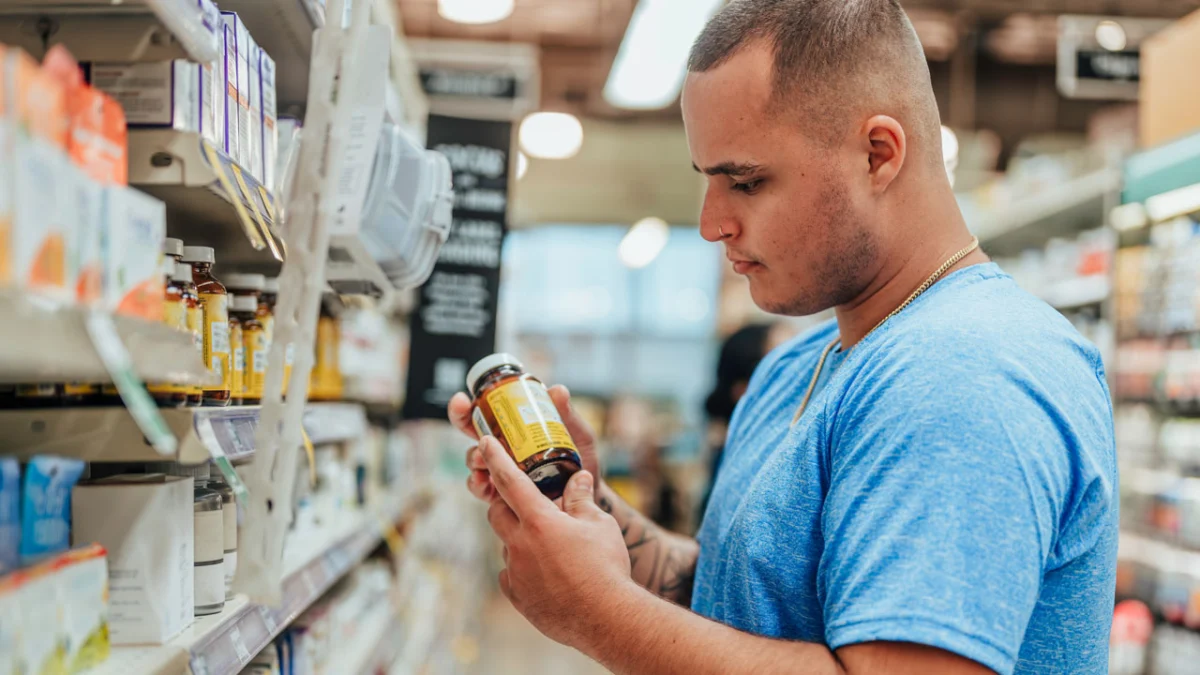
A sweeping new analysis from the Pew Research Center reveals that nearly eight-in-ten American adults are currently incorporating at least one form of dietary supplement into their daily health regimen. The findings, derived from a comprehensive survey of 3,554 U.S. adults conducted between July 6 and July 12, 2026, underscore the profound normalization of self-administered wellness products in the modern American lifestyle. These products, ranging from essential vitamins and minerals to protein powders and probiotics, have moved from the periphery of niche nutrition to the center of mainstream health maintenance.
The study defines supplements broadly, encompassing vitamins, minerals, herbal preparations, protein powders, and substances such as melatonin. Importantly, this definition excludes prescription medications and standard over-the-counter pharmaceuticals like analgesics, providing a focused look at the voluntary, preventative, or performance-enhancing choices made by the public.

The Landscape of Modern Supplementation
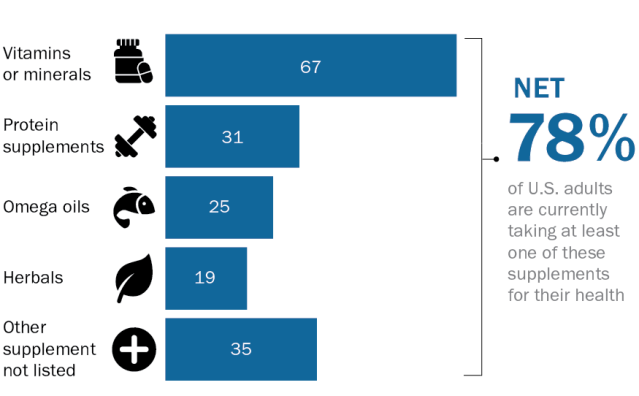
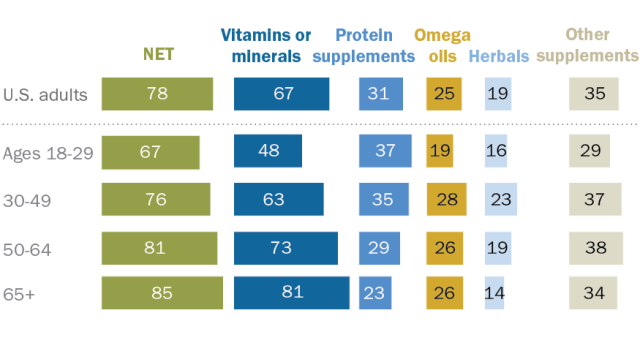
The data indicates that the consumption of these products is not merely a passing trend but a structural component of the American health experience. Two-thirds of all respondents reported taking vitamins or minerals—such as iron, calcium, or daily multivitamins—marking them as the most prevalent form of supplementation. Following this, 31% of the population utilizes protein supplements, while 25% consume omega oils, and 19% rely on herbal supplements. A significant portion of the population, 35%, indicated they use "other" products, illustrating a vast market for specialty items like probiotics, fiber, or sleep aids.
This behavioral shift reflects a broader global phenomenon. The dietary supplement industry is currently experiencing a period of historic growth, with the global market value estimated at approximately $209.5 billion in 2025. As these products become more accessible, they have simultaneously become a primary focus of the digital health ecosystem. Social media influencers, ranging from fitness coaches to wellness-oriented lifestyle creators, have played a pivotal role in normalizing the daily use of these products. For many Americans, the decision to begin a supplement regimen is now as much a result of digital peer influence and algorithmic recommendations as it is a consultation with a healthcare provider.
Chronology and Demographic Nuances
The adoption of supplements does not occur uniformly across the population. A clear generational divide emerges in the data, with older adults exhibiting higher rates of participation. Among those aged 65 and older, 85% report taking at least one supplement, a figure that drops to 67% among adults under 30.
This age-based disparity is primarily driven by the use of vitamins and minerals. Older demographics, who are more likely to have specific nutritional deficiencies or medical guidance to supplement their diets with calcium or vitamin D, show an 81% usage rate for these products. Conversely, younger adults—specifically those aged 18 to 29—demonstrate a unique preference for protein supplementation, with 37% reporting regular use. This trend aligns with the rise of “protein maxxing” on social media platforms, a cultural movement that emphasizes high-protein intake for muscle hypertrophy and general wellness.
Beyond age, gender and socioeconomic status also influence consumption patterns. Women are more likely to engage with supplements than men, with 82% of women reporting usage compared to 74% of men. This gap is observed across several categories, including vitamins, minerals, and herbals. Additionally, researchers noted a distinct trend among Asian adults, who reported a significantly higher usage of omega oil supplements—40% compared to roughly 25% among White, Black, and Hispanic cohorts.
Income levels also correlate with usage intensity. Individuals in upper-income brackets show an 85% participation rate, which dips to 74% among lower-income households. While the disparity is present, the fact that nearly three-quarters of lower-income individuals still manage to incorporate supplements into their lives highlights the perceived necessity of these products, regardless of financial constraint.
The Perception of Efficacy
A critical component of this research is the investigation into how consumers perceive the value of these substances. Despite ongoing debates within the medical community regarding the clinical efficacy of many over-the-counter supplements, the public remains largely convinced of their importance.
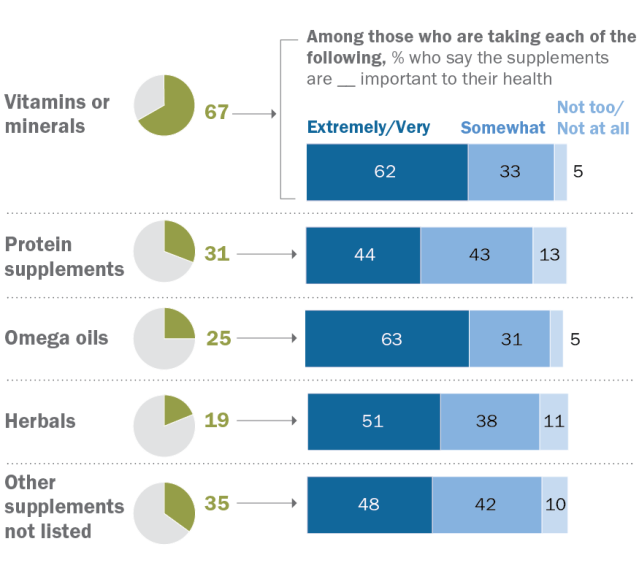
Among those who take vitamins or minerals, 62% classify them as "extremely" or "very" important to their overall health. Omega oils command a similar level of trust, with 63% of users identifying them as vital. The enthusiasm is slightly more tempered for protein supplements and herbals; 44% of protein users and 51% of herbal users describe their supplements as "extremely" or "very" important. This suggests that while a majority of Americans are regular consumers, their reliance on supplements is often rooted in a subjective sense of wellbeing rather than purely clinical outcomes.
Professional Perspectives and Clinical Caution
The prevalence of supplement use has not gone unnoticed by medical institutions. Organizations such as the American Medical Association (AMA) have frequently issued guidance urging patients to exercise caution. Doctors often emphasize that a balanced diet should be the primary source of nutrients and warn that high-dose supplementation can, in some cases, interact poorly with prescription medications or lead to adverse health outcomes.
The rapid expansion of the industry has, at times, outpaced regulatory oversight. Unlike pharmaceutical drugs, which undergo rigorous clinical trials for efficacy and safety before reaching the market, many supplements fall under a different regulatory framework. This has created a marketplace where consumers are often tasked with being their own researchers, a challenge compounded by the proliferation of wellness influencers who may lack formal medical training.
Broader Implications for Public Health
The fact that nearly 80% of the U.S. adult population is self-prescribing health products signals a significant shift in how Americans manage their bodies. This "proactive" approach to health—driven by a desire to optimize performance, delay aging, or prevent disease—represents both a massive economic opportunity and a public health challenge.
If a large segment of the population believes these products are "essential" to their health, the potential for widespread misinformation is high. The reliance on non-traditional sources for health advice, such as social media, means that public health outcomes are increasingly tied to the quality of digital discourse. As the industry continues to scale, health experts suggest that the focus must shift toward better public education, ensuring that consumers can distinguish between evidence-based nutritional needs and marketing-driven trends.

Furthermore, the demographic data suggests that for older Americans, supplements are often a bridge to managing age-related health needs. For younger Americans, they are a tool for lifestyle optimization. Understanding these distinct motivations is key to designing effective health policy that respects individual autonomy while promoting safety.
Methodology and Data Integrity
This analysis was conducted by the Pew Research Center as part of its ongoing investigation into the intersection of science, society, and medicine. The survey participants were drawn from the Center’s American Trends Panel, a nationally representative group. By surveying 3,554 adults, the study provides a robust look at the current state of American health habits as of mid-2026.
Researchers have provided extensive documentation, including the full questionnaire, detailed topline responses, and a comprehensive methodology report. This transparency is intended to aid policymakers, public health officials, and medical professionals in navigating the complex landscape of a society that is, by its own admission, largely dependent on the daily supplement bottle. As the market for these products shows no signs of slowing, the data suggests that the "supplement revolution" is firmly entrenched in the American way of life, necessitating a more integrated and informed approach to the relationship between the public and their nutritional choices.