Meta Platforms Inc. has released its comprehensive Q3 2026 earnings report, shedding light on the robust operational performance of its core ecosystem, which includes Facebook, Instagram, and Threads. Alongside stellar financial metrics, company executives provided an in-depth look into the technological engines driving user engagement. Driven by sophisticated artificial intelligence integrations, advanced recommendation architectures, and a deliberate push toward original content, Meta’s platforms have achieved historic milestones in user retention and time spent. For digital marketers, brand strategists, and industry analysts, these disclosures offer a vital roadmap for aligning campaigns with Meta’s evolving algorithmic priorities.
The Strategic Evolution of Meta Ecosystems: Main Facts
The overarching narrative of Meta’s Q3 2026 financial and operational review centers on artificial intelligence as a primary growth catalyst. Over the past several quarters, Meta has heavily invested in machine learning infrastructure to optimize how content is served across its family of apps. These technical overhauls are no longer experimental; they are fundamentally reshaping user behavior, transforming passive scrollers into highly engaged participants.
According to Meta Chief Financial Officer Susan Li, global time spent per Instagram user reached an all-time high during the third quarter. This record-breaking engagement was supported by a balanced expansion across both the main Feed and Instagram Reels. Meanwhile, Facebook—a platform that analysts historically viewed as maturing or plateauing—experienced a significant rejuvenation. Facebook Reels time spent also hit an all-time high, registering double-digit year-over-year growth. Concurrently, Meta’s text-based platform, Threads, cemented its competitive footing by surpassing X (formerly Twitter) in monthly active users, boasting a user base exceeding 500 million.
Chronology and Background: The Shift Toward AI-Driven Recommendation Systems
To understand Meta’s current operational success, it is necessary to examine the chronological progression of its platform strategies over recent years. For much of the early 2020s, Facebook faced intense retention challenges. While billions of users continued to log in daily to maintain personal connections with friends and family, the average duration of each session began to slip. The rise of short-form video competitors, most notably TikTok, lured younger demographics away from traditional social feeds and into algorithmic video discovery loops.
Meta’s strategic pivot began in earnest with the global rollout of Reels, designed to intercept the short-form video trend. However, early recommendation models evaluated videos independently, leading to occasional redundancies and slower content discovery. Recognizing the limitation, Meta embarked on a multi-year engineering overhaul.
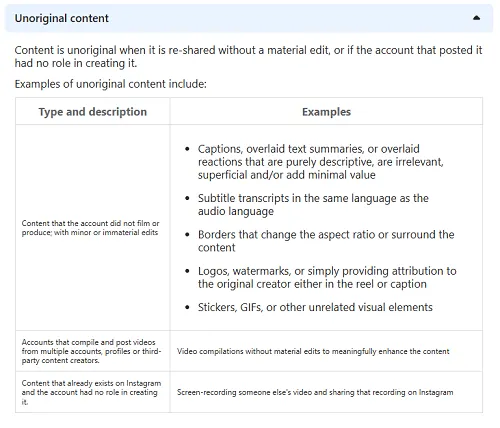
In April, Instagram implemented a major algorithmic shift explicitly prioritizing original content while aggressively penalizing aggregators and unoriginal content copiers. This policy was reinforced throughout the year with updated developer and creator guidelines defining unoriginal media.
By Q3 2026, these efforts culminated in massive architectural deployments. Meta rolled out a new generative retrieval architecture inspired by Large Language Models (LLMs). This system labels content pieces with rich semantic representations before they accumulate significant engagement, allowing algorithms to surface fresh, highly relevant material to unconnected users. Simultaneously, Instagram upgraded its ranking models to evaluate sequences of Reels collectively rather than in isolation, radically altering content visibility timelines.
Supporting Data and Technical Insights
The quantitative data released in the Q3 2026 earnings transcript highlights the precise mechanical efficacy of Meta’s software upgrades. The numbers underline how minor algorithmic tweaks yield massive aggregate changes across billions of global users.
On Instagram, the integration of upgraded sequence-ranking models and richer watch-time signals increased Reels time spent by over 4%. Furthermore, the velocity of content freshness accelerated dramatically: nearly 45% of recommended Instagram Reels during Q3 were less than one day old. This represents a substantial 11-percentage-point increase compared to Q2 performance metrics. For creators and brands, this metric underscores a vital operational reality: the vast majority of organic Reels engagement now occurs almost exclusively within the first twenty-four hours of publication.
On the Facebook ecosystem, the generative retrieval architecture—which was deployed globally to approximately one-quarter of unconnected Feed views and half of all Reels views—generated a direct 1% increase in overall Reels watch time. Additionally, by doubling the historical data capacity that Facebook Reels ranking models can analyze, Meta engineers unlocked an additional 1% watch time increase specifically within the United States market.
Threads demonstrated equally impressive trajectory metrics. User time spent on Threads expanded by more than 20% year over year. This acceleration was attributed to continuous refinements in content relevance, personalization algorithms, and timeliness.
Official Responses and Executive Commentary
During the earnings call, Meta leadership emphasized that these technological leaps reflect deliberate organizational priorities rather than accidental windfalls. Chief Executive Officer Mark Zuckerberg highlighted the structural momentum of Threads, noting its triumph over legacy microblogging competitors and its trajectory toward becoming a primary global public square.
CFO Susan Li detailed the complex engineering feats powering the platforms, emphasizing the role of semantic representation in modern recommendation science.
"On Facebook Feed and Reels, we completed the global launch of a new generative retrieval architecture which, inspired by LLMs, labels pieces of content with semantic representations and generates potential recommendations, helping our systems surface relevant new posts before they’ve accumulated significant engagement," Li explained to investors and analysts.
Li also addressed the commercial infrastructure supporting content creators, confirming a major expansion of Meta’s digital ecosystem tools. The Meta Creator Marketing Hub is now fully accessible to all global advertisers. The Hub acts as a centralized talent directory featuring over 10 million verified creators available for brand partnership campaigns.
Broader Impact and Marketing Implications
The Q3 2026 disclosures carry profound implications for the digital marketing industry, brand strategists, and content creators navigating Meta’s ecosystem.
First, the acceleration of content freshness means that long-tail content strategies are losing ground to real-time relevance. Because 45% of Instagram Reels recommendations are now under 24 hours old, brands must adopt agile content production pipelines. Relying on recycled footage, delayed posting schedules, or aggregated video formats will actively harm organic reach due to Instagram’s strict enforcement against unoriginal content. Marketers must prioritize high-velocity, native creation that immediately captures audience attention upon publication.
Second, the integration of generative AI into commercial workflows signals a new frontier in influencer marketing. Meta’s introduction of the Meta AI Business Assistant into the Creator Marketing Hub transforms how brands source talent. Instead of relying on manual database filtering or third-party agencies, advertisers can now use conversational search queries to identify ideal creators, pinpoint high-performing partnership ad assets, and streamline campaign workflows through natural language prompts. This democratization of creator discovery lowers operational barriers for small and medium-sized enterprises, allowing them to scale influencer campaigns with unprecedented efficiency.
Finally, the revitalization of Facebook and the sustained hyper-growth of Threads diversify Meta’s advertising inventory. With Facebook successfully recapturing user attention through optimized Reels recommendations and Threads capturing over 500 million monthly active users with rising per-user engagement, advertisers gain expansive new touchpoints. As Meta continues to refine its personalization algorithms, ad placements within these refreshed environments promise higher contextual relevance, potentially driving superior return on ad spend (ROAS) across the entire corporate portfolio.