The final quarter of 2022 was exceptionally dynamic for Meta Platforms, marked by the rollout of sophisticated Reels integrations, expanded Facebook Groups moderation toolkits, streamlined ad interfaces, and rigorous brand safety milestones. As digital marketers and media buyers transition into 2023, the ecosystem increasingly relies on deep learning automation, unified multi-platform management suites, and enhanced governance structures across both Facebook and Instagram. Examining the strategic shifts across the platform reveals how Meta systematically overhauled its advertising architectures, content management systems, and creator monetization models throughout the year.
Algorithmic Refinements and Best Practices for Advertising Return on Investment
Navigating the shifting landscape of Facebook and Instagram advertising frequently presents optimization challenges for performance marketers. To bridge the knowledge gap between internal algorithmic updates and campaign execution, Meta periodically publishes evidence-based best practices derived from empirical platform data. In December 2022, Facebook formalized a comprehensive framework of essential optimization techniques designed to maximize campaign return on investment (ROI).
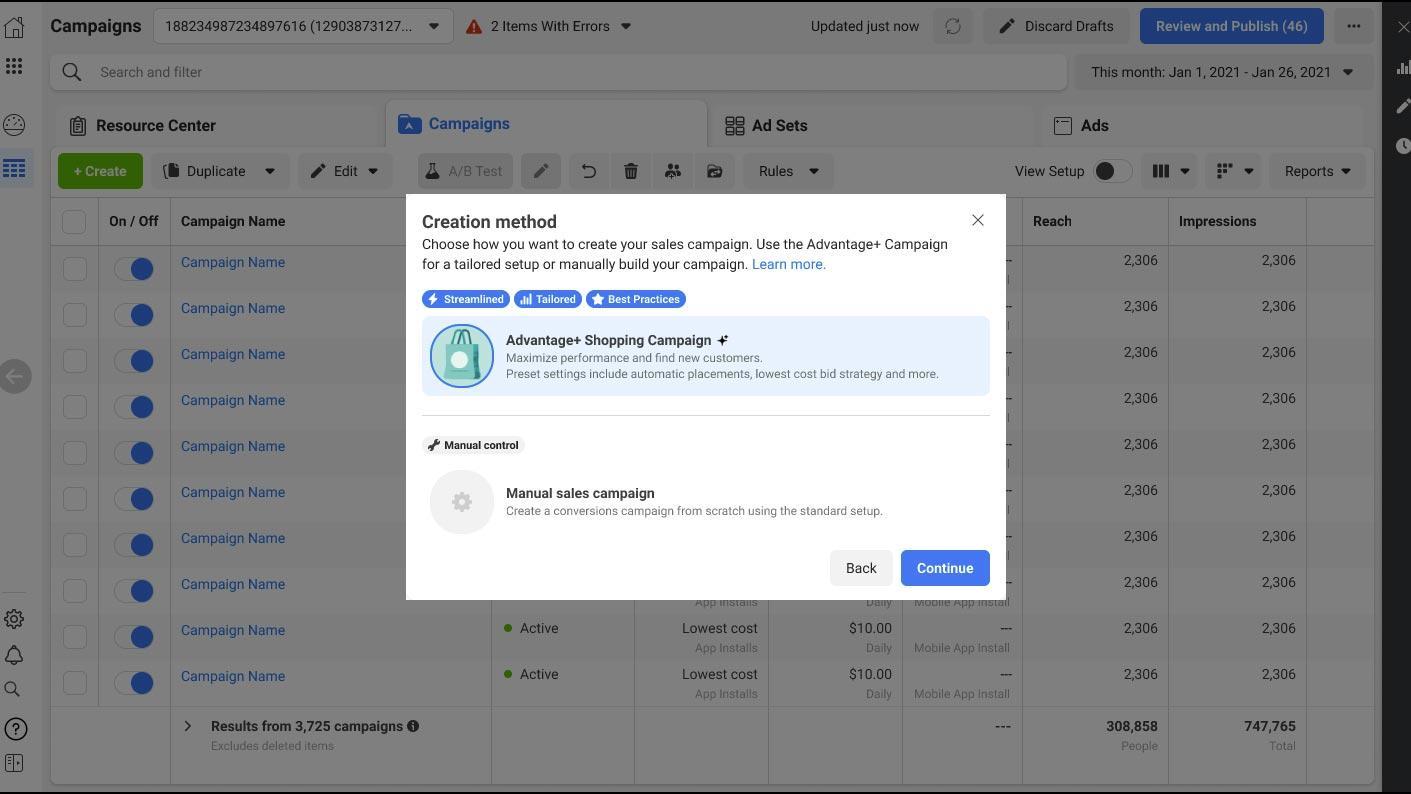
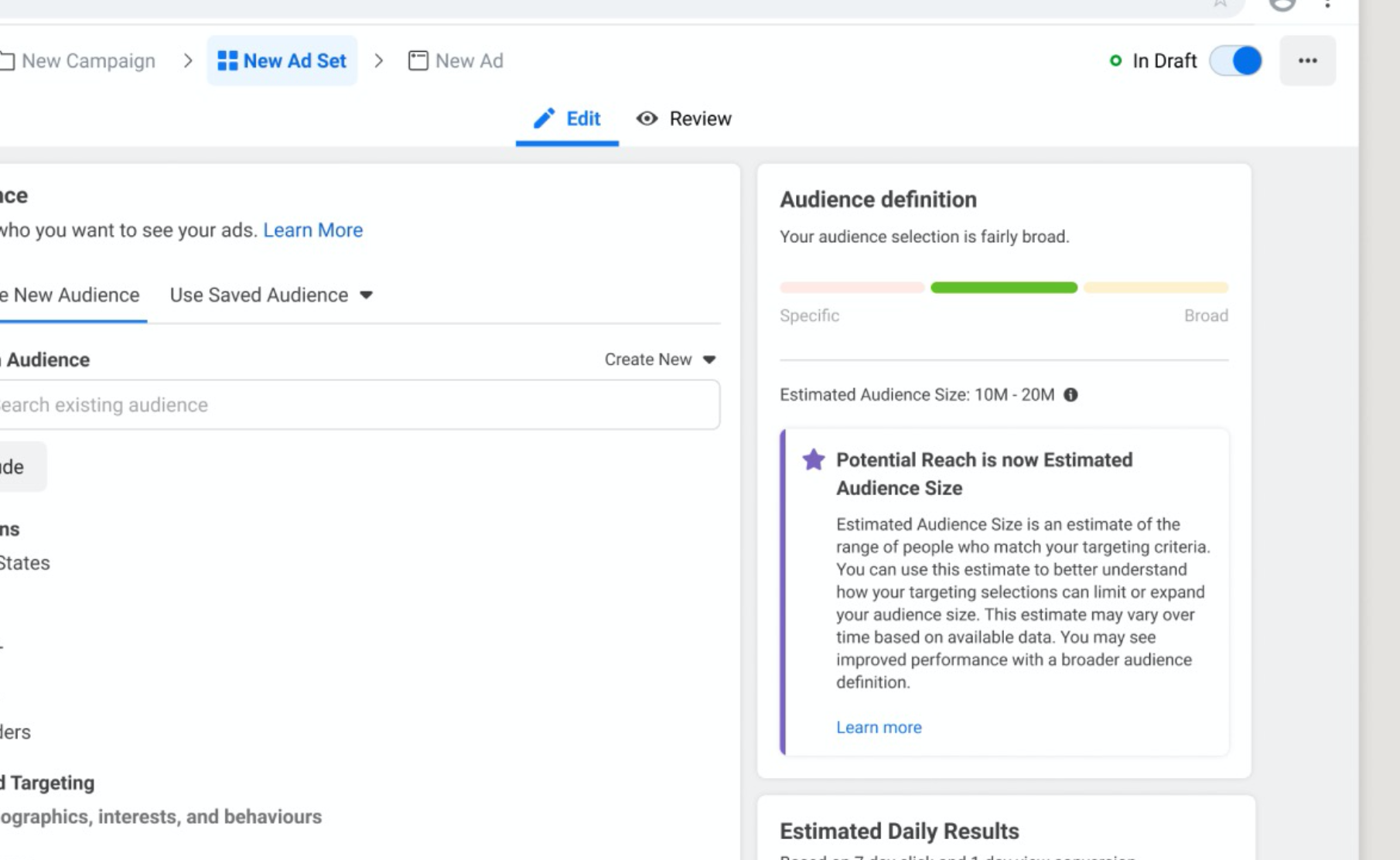
Internal platform analyses indicated that campaigns leveraging automated placements, structured data setups, and consolidated ad sets achieved significantly lower cost-per-acquisition metrics compared to heavily segmented, manual configurations. By encouraging advertisers to delegate structural optimization to machine learning models, Meta aims to stabilize campaign delivery amidst ongoing privacy shifts, such as Apple’s AppTracking Transparency (ATT) framework introduced previously.
Instagram Native Scheduling and Content Management Overhauls
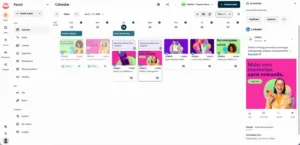
Content planning underwent a major modernization phase with the introduction of native scheduling tools directly within the Instagram mobile application. Previously, creators and enterprise accounts relying solely on mobile workflows had to utilize third-party applications or desktop-bound Creator Studios to queue upcoming content.
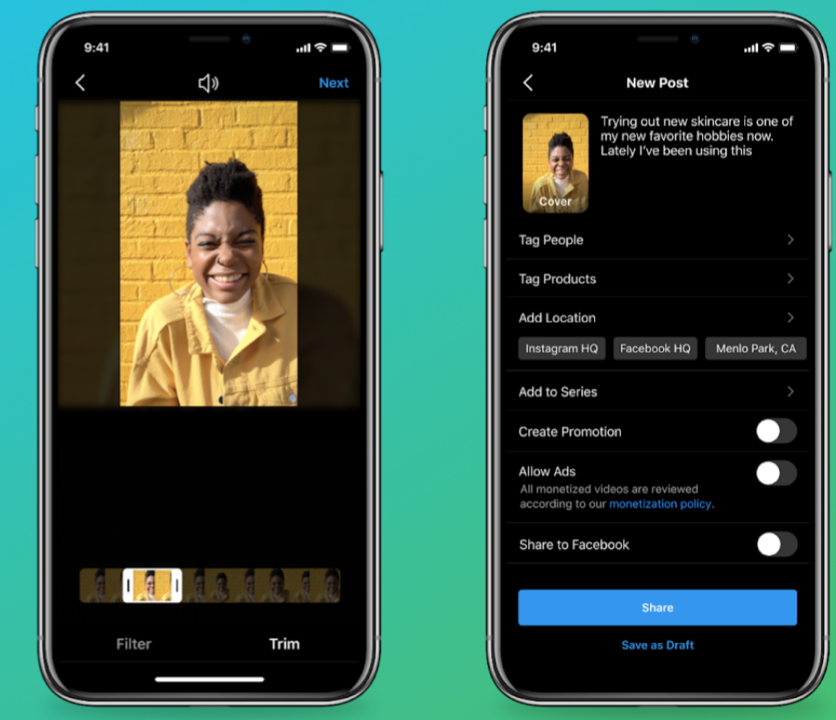
The new native functionality allows Business and Creator accounts to schedule Reels, single-image posts, and multi-image carousel posts up to 75 days in advance. To execute a scheduled post, users access the advanced settings panel on the final publication screen before sharing, select a designated date and time, and manage queued assets via a dedicated "Scheduled posts" submenu.

However, operational limitations remain. Certain interactive and promotional features—such as product tagging, cross-platform publishing to Facebook, and direct ad boosting—cannot be applied during the initial scheduling phase and must be configured post-publication.
Strategic Roadmap and Technological Shifts Anticipated for 2023

Industry analysts project that Meta’s strategic trajectory will concentrate heavily on four distinct technological pillars: short-form video dominance, community-driven engagement via Groups, advanced machine learning through Advantage+ suites, and ongoing capitalization of virtual reality infrastructure.
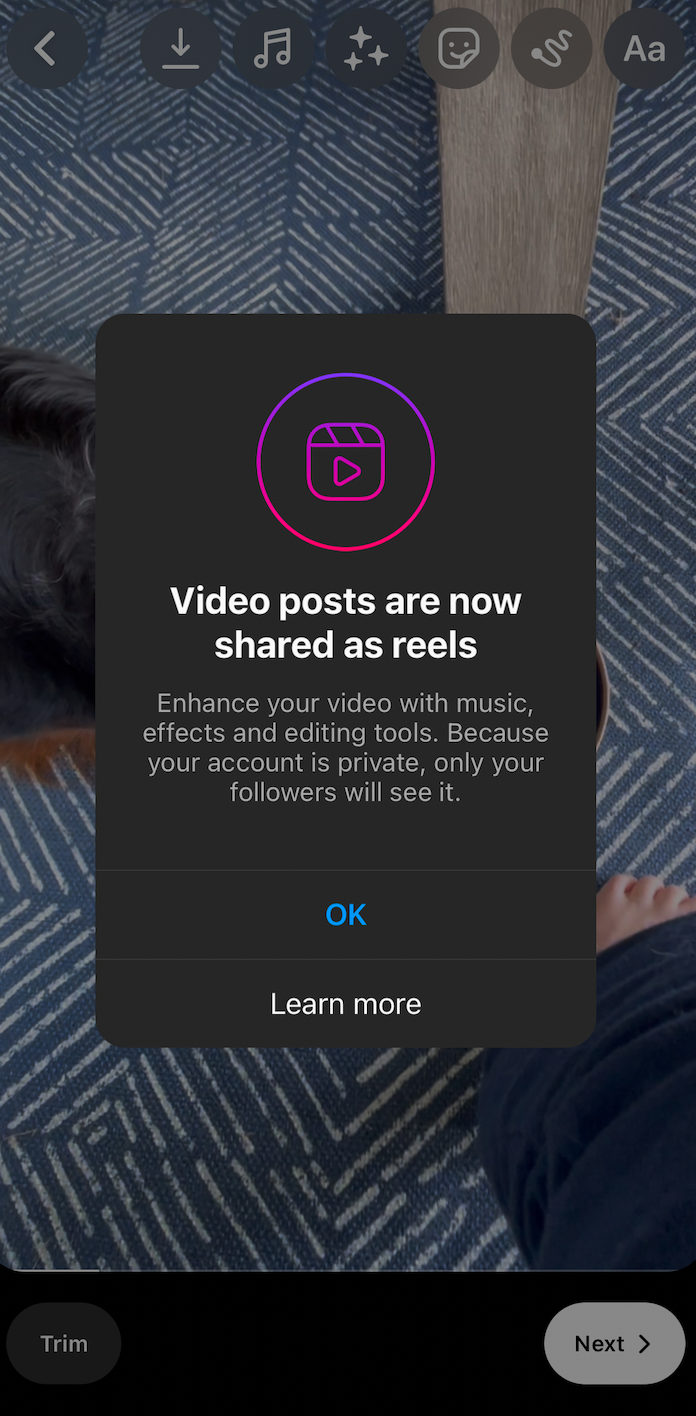
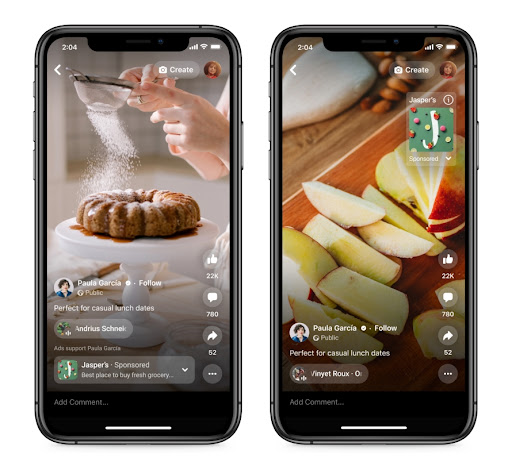
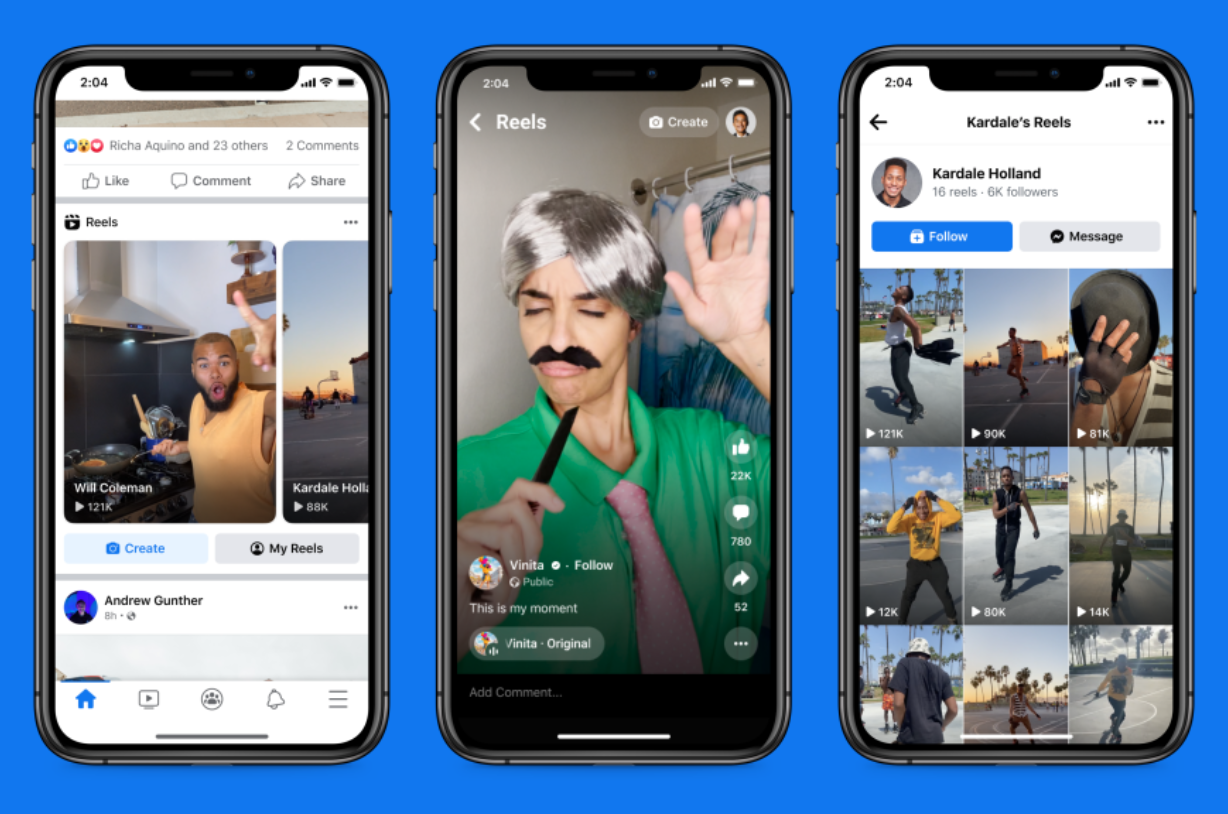
Short-form video formats, specifically Reels, continue to command high engagement volumes, mirroring the structural trajectory previously established by Instagram Stories. Meta’s product roadmap prioritizes embedding robust monetization and native advertising capabilities directly within the Reels interface. Simultaneously, Facebook Groups remain central to community retention, prompting developers to introduce advanced subscription tiers and administrative controls to incentivize commercial participation.
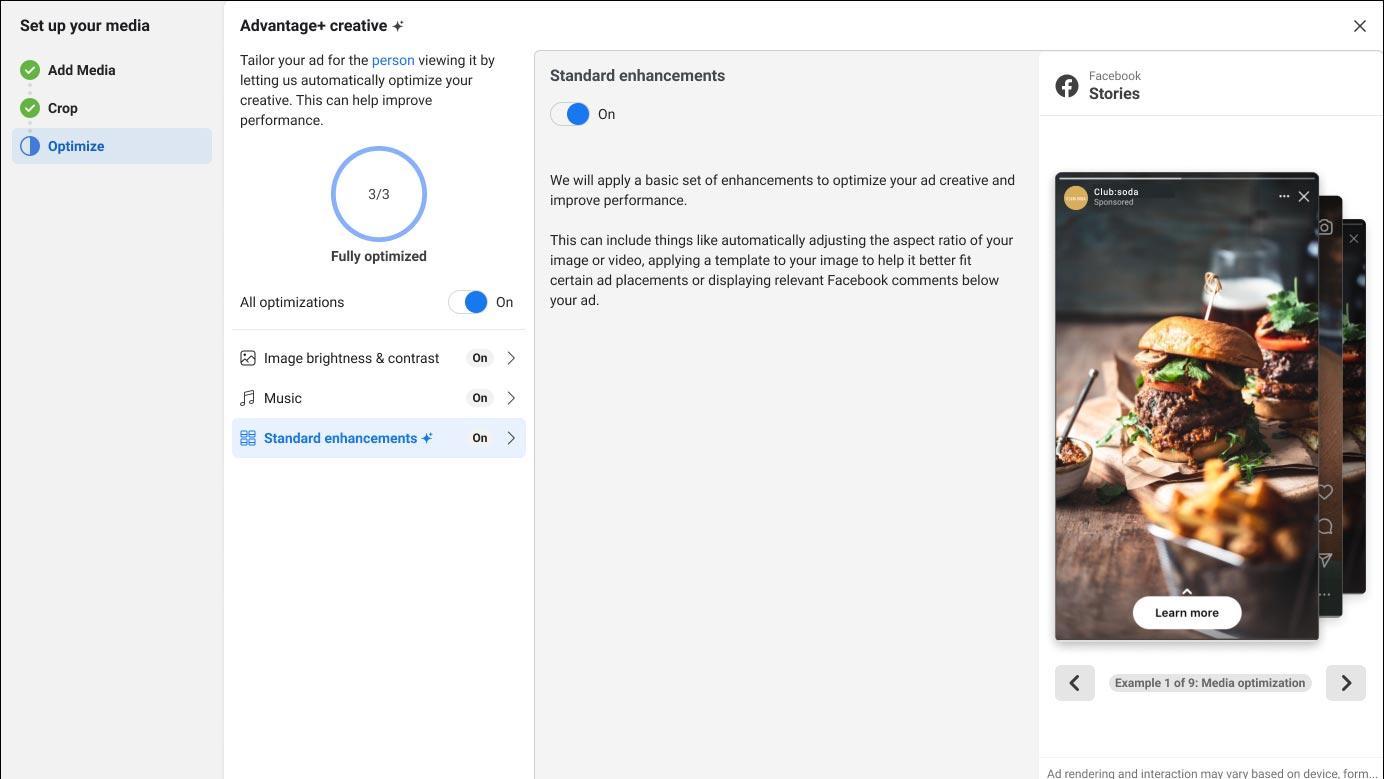
Furthermore, the accelerated deployment of Advantage+ ad products represents a fundamental shift toward full-funnel automation. By utilizing machine learning to dynamically test up to 150 creative variants simultaneously, these automated suites reduce manual optimization labor while driving improved conversion efficiency. Despite substantial financial investments surpassing $36 billion into reality labs and the metaverse, enterprise leadership maintains that virtual and augmented reality technologies represent the foundational architecture for future digital interaction.
Brand Safety Accreditation and Inventory Filters
Ensuring brand suitability remains a critical priority for enterprise-level media buyers. In November 2022, Meta achieved a significant governance milestone when the Media Rating Council (MRC) granted official accreditation for content-level brand safety and suitability controls on Facebook.
Independent auditors thoroughly evaluated Meta’s Partner Monetization Policies, Content Monetization Policies, and associated enforcement mechanisms applied to Instant Articles and In-Stream video across desktop, mobile web, and mobile app environments. Complemented by ongoing tests of content-based inventory filters for feed placements, this accreditation reinforces brand trust by offering advertisers granular control over the contextual environments surrounding their paid media placements.
Creator Economy Expansions: Music, Direct Monetization, and Affiliate Tools
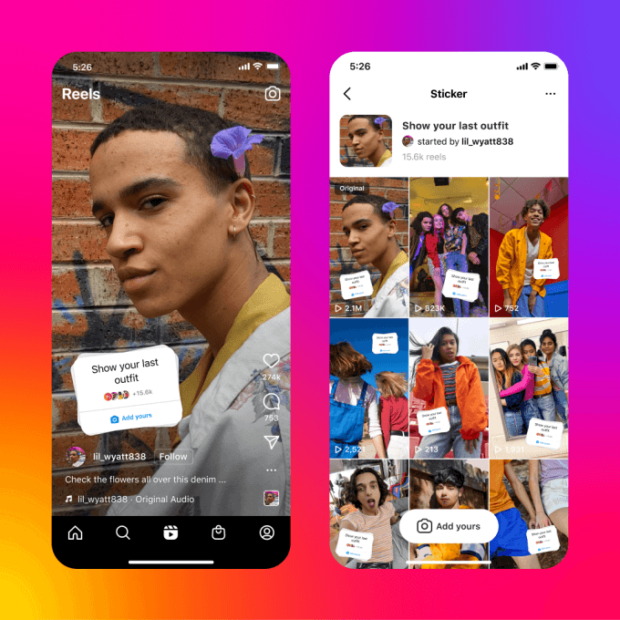
To maintain dominance in the fiercely competitive creator economy, Meta systematically rolled out enhanced expression and monetization tools across Instagram and Facebook. In late 2022, Instagram introduced the ability to attach up to 90 seconds of licensed music directly to static in-feed photo posts, bridging the gap between audio-driven video content and traditional photography.
Concurrently, Meta extended critical financial protections for creators. Mark Zuckerberg announced that revenue-sharing protocols for monetization features—including Badges, Subscriptions, and paid online events—would remain suspended, allowing creators to retain 100% of their earnings through at least 2024. Furthermore, the introduction of native affiliate monetization tools empowers creators to tag and promote brand products directly within their content, earning commission payouts natively without navigating complex external referral networks.
Small Business Support and Operational Streamlining
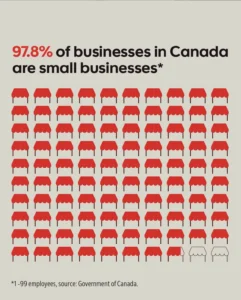
Recognizing the economic pressures faced by small and medium-sized enterprises (SMEs) during high-stakes retail periods, Meta deployed targeted support initiatives. The launch of Small Business Studios provided localized educational roadshows, on-demand video curricula, and direct mentorship programs across key metropolitan areas. Additionally, the transition of Facebook Marketing Experts into the specialized "Meta Pro Team" offered small business owners personalized operational guidance, technical troubleshooting, and strategic campaign structuring support at no additional cost.
Intellectual Property Protection and Rights Management APIs
Protecting digital property in an era of automated content scraping and rapid redistribution poses significant challenges for digital creators. To mitigate copyright infringement and unauthorized duplication, Meta introduced the IP Reporting API.
Designed to integrate seamlessly with the existing Graph API, the new reporting infrastructure enables rights holders to efficiently flag and request the removal of infringing content across both Facebook and Instagram. This technical upgrade works in tandem with the enhanced Brand Rights Protection dashboard, which utilizes advanced image search functionality and automated monitoring to identify counterfeit products, unauthorized trademark use, and executive impersonation.
Evolving Ad Surfaces and B2B Targeting Enhancements
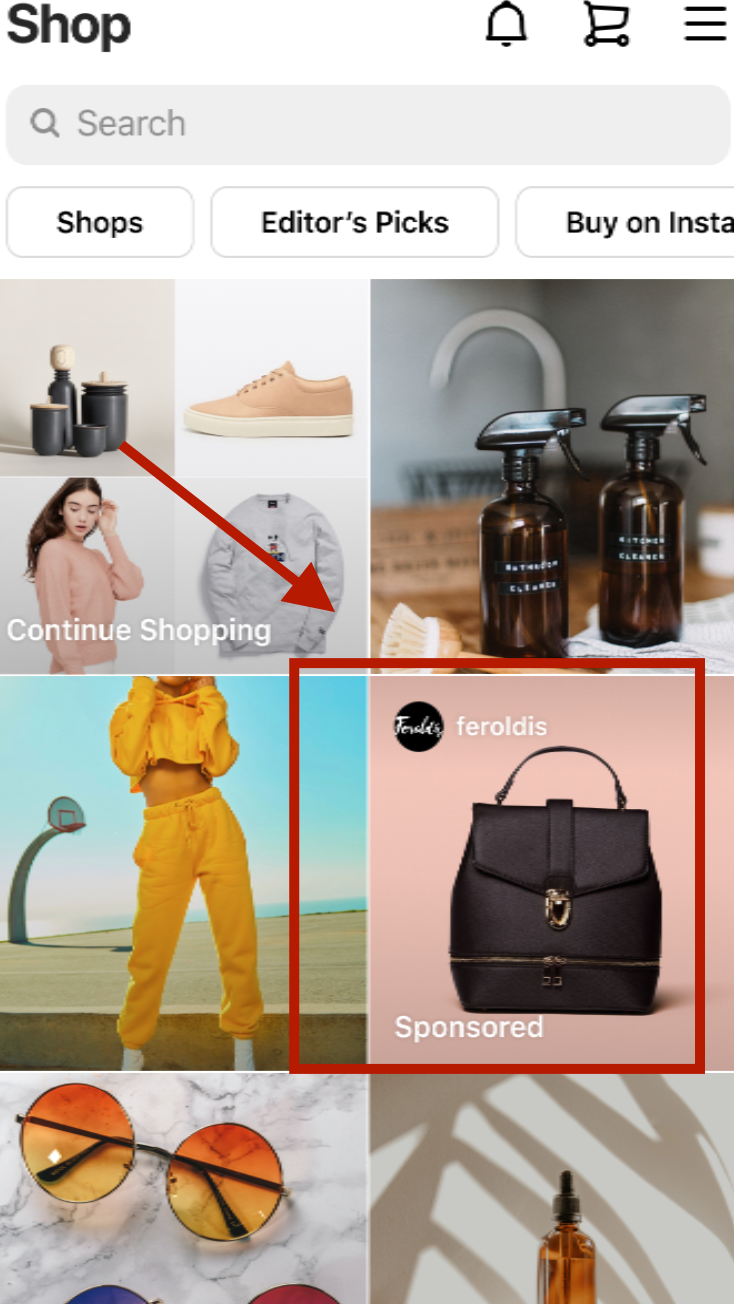
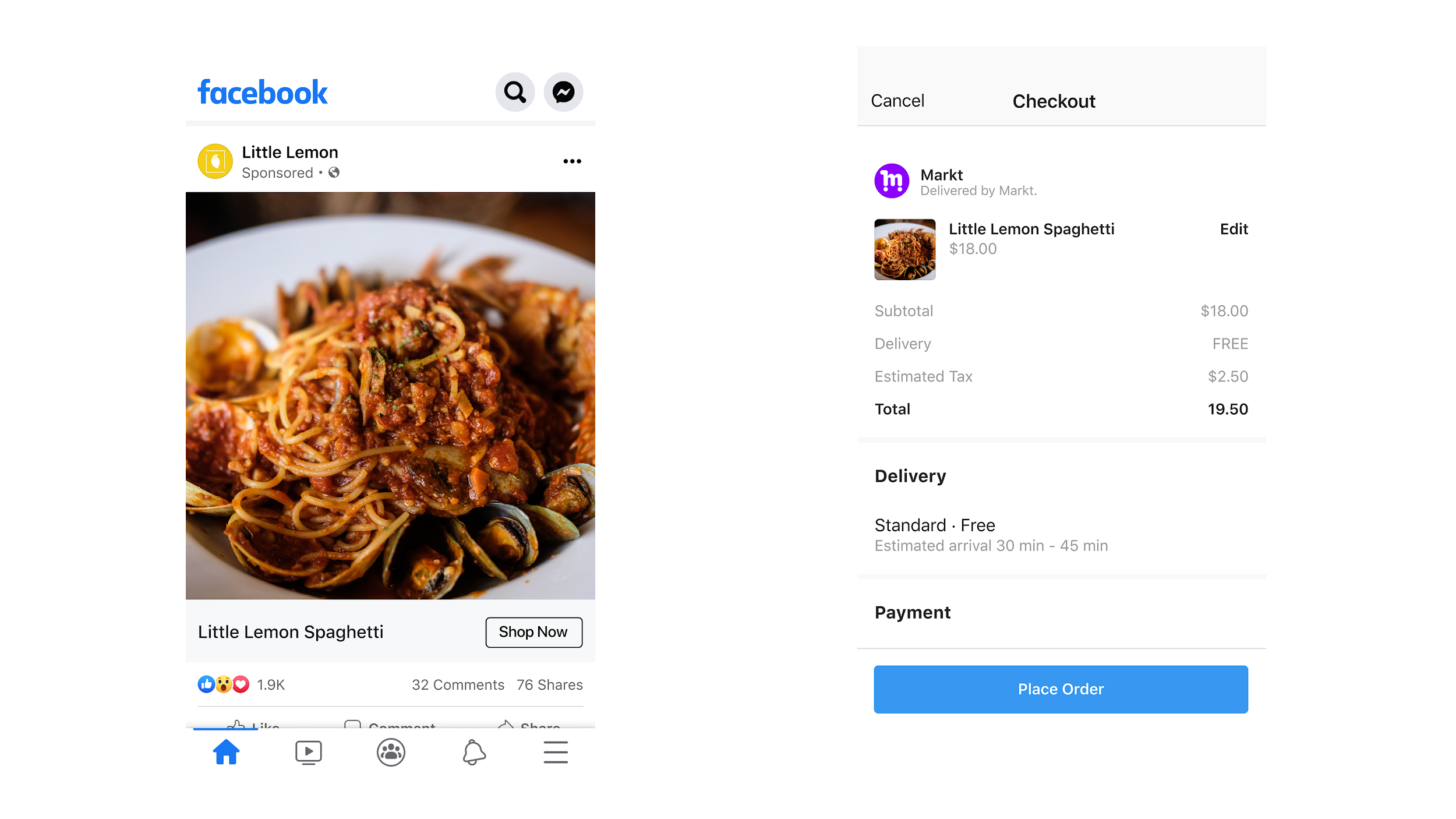
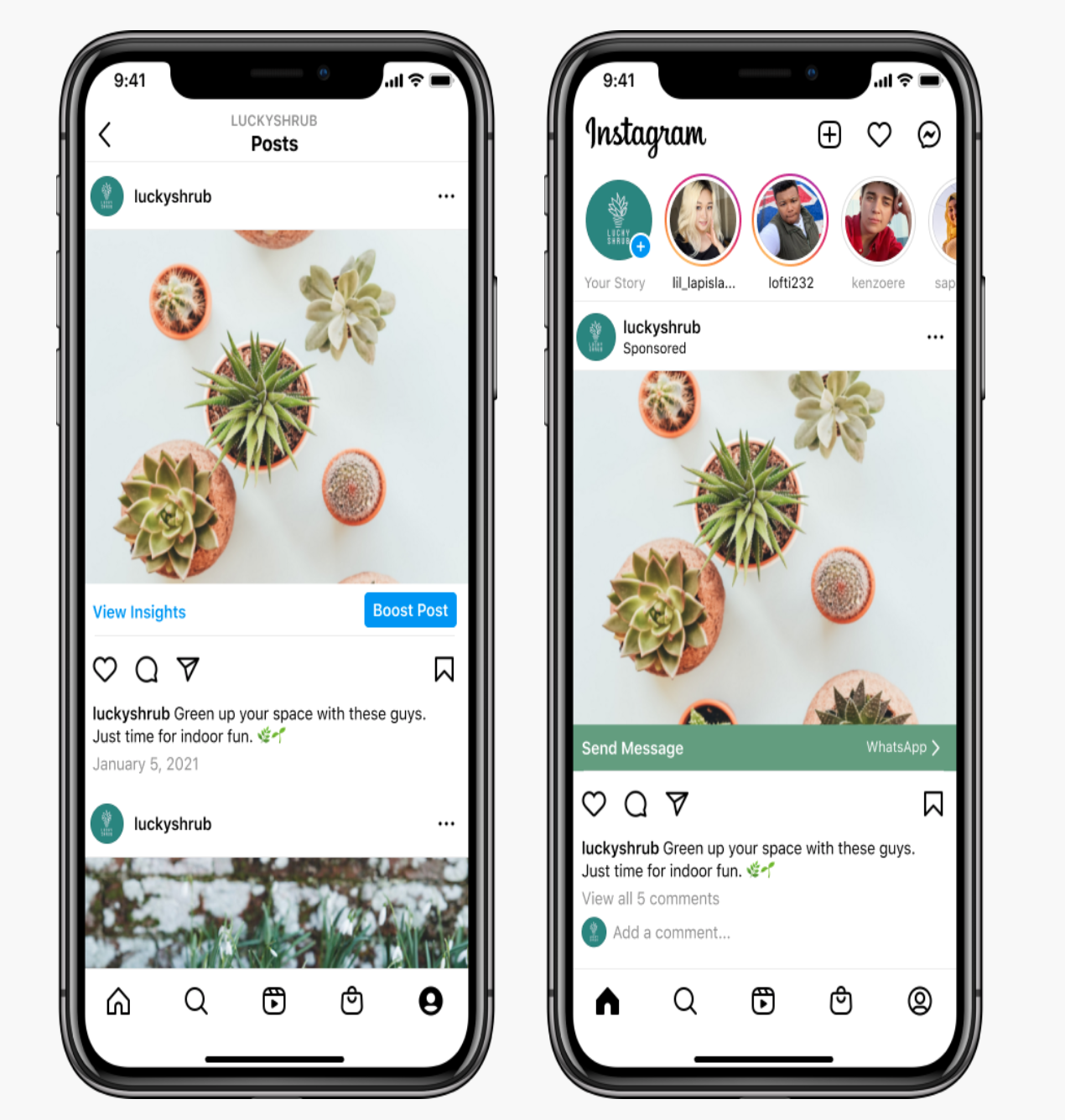
To capture high-intent consumer traffic, Meta expanded advertising inventory into premium on-platform environments, most notably incorporating native ad placements directly within the Instagram Shop tab. Positioned among active shoppers browsing with transactional intent, these visual tile ads offer enhanced conversion potential compared to standard discovery feeds.
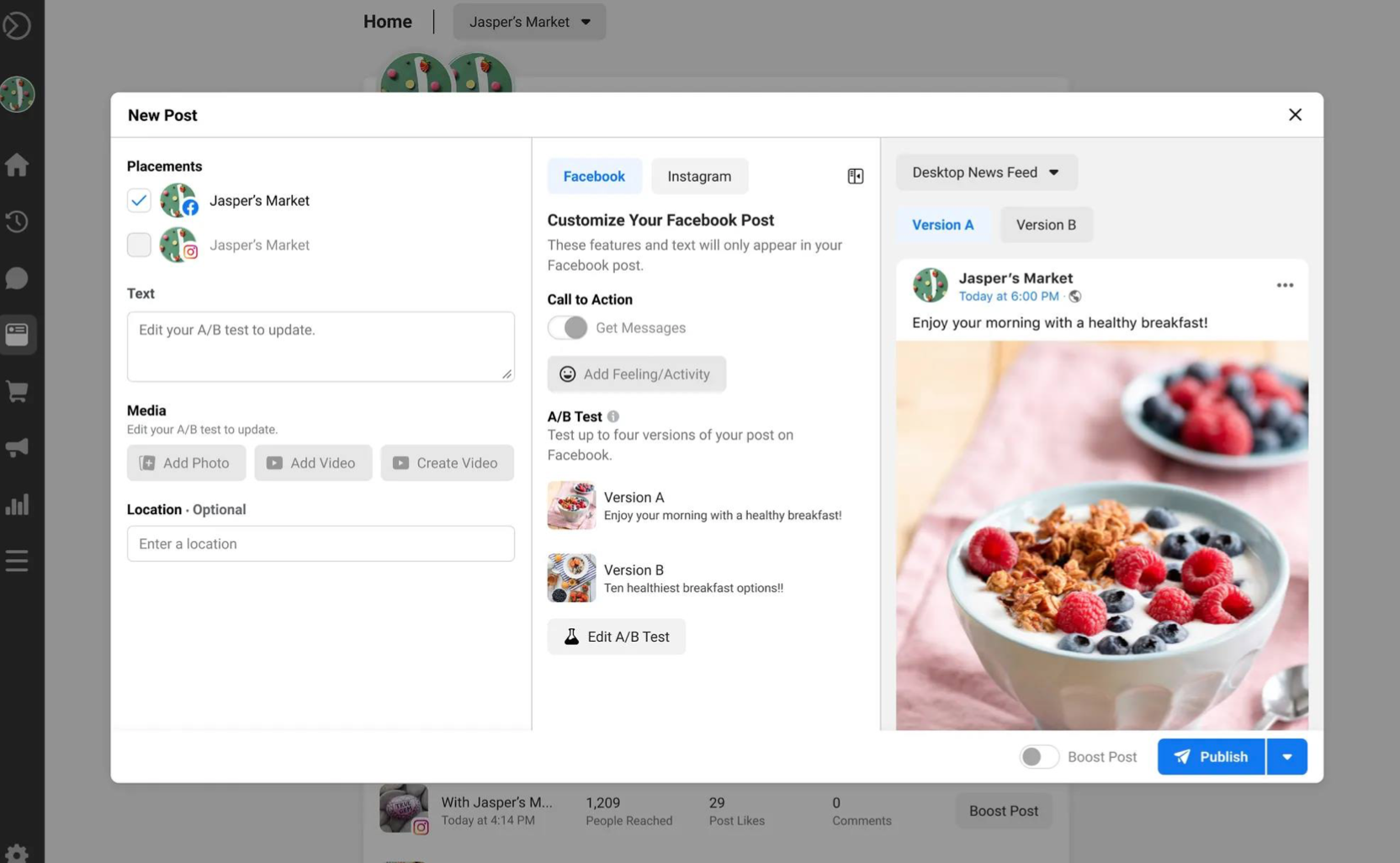
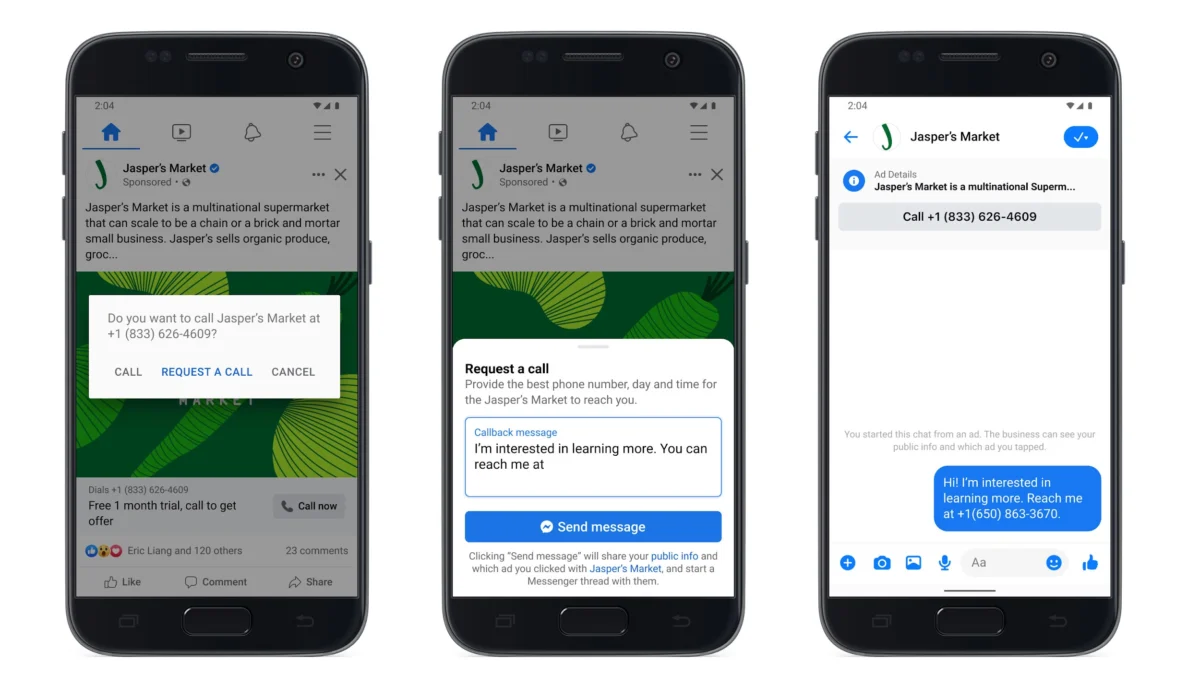
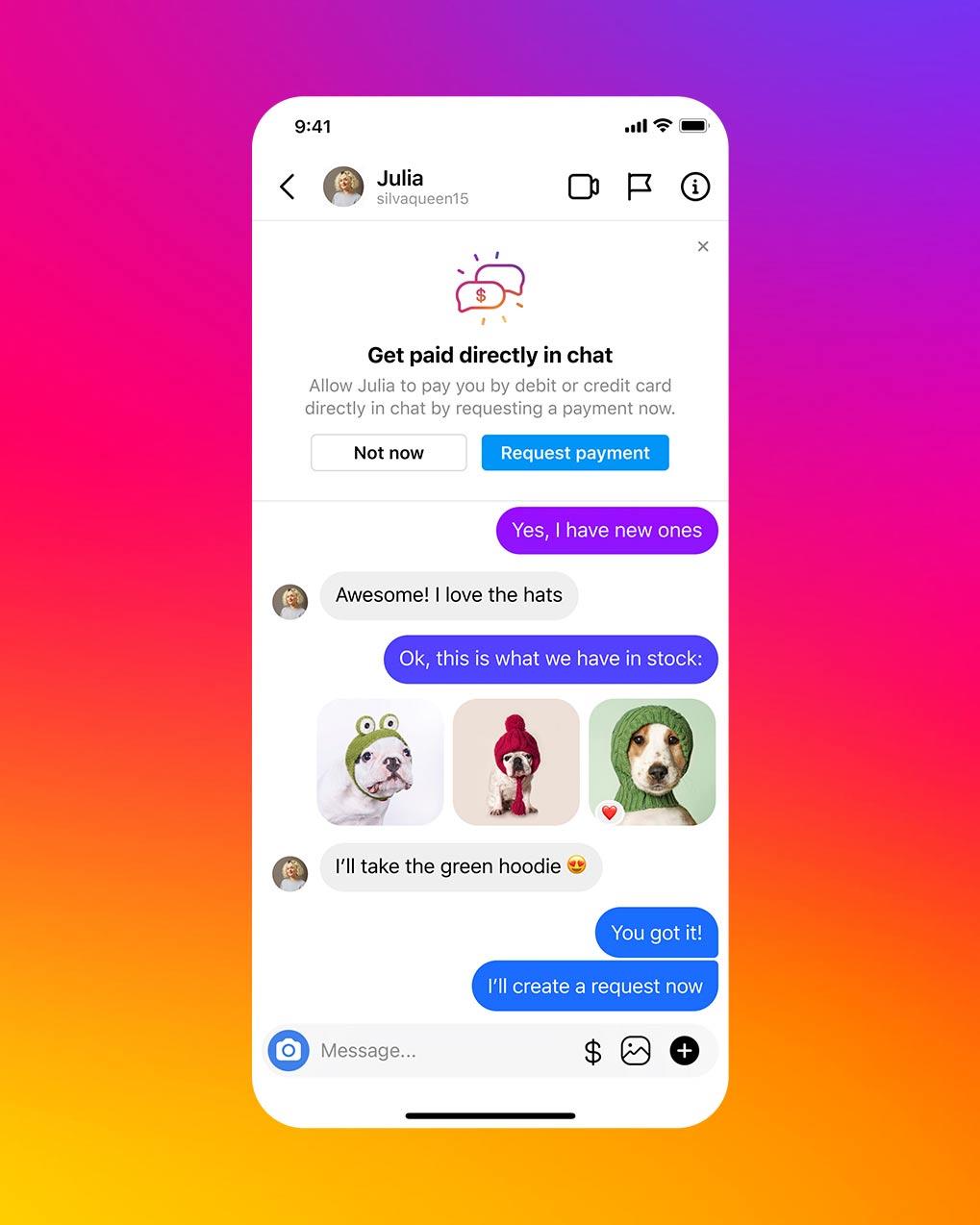
Concurrently, B2B marketers received expanded targeting capabilities. Meta refined its professional audience segmentation models, enabling advertisers to target specific job titles, industry interests, and professional affiliations with precision comparable to dedicated enterprise networking platforms. These improvements, paired with streamlined lead-generation workflows and direct-in-chat payment processing via Instagram Direct Messages, illustrate Meta’s comprehensive push toward an integrated social commerce ecosystem.