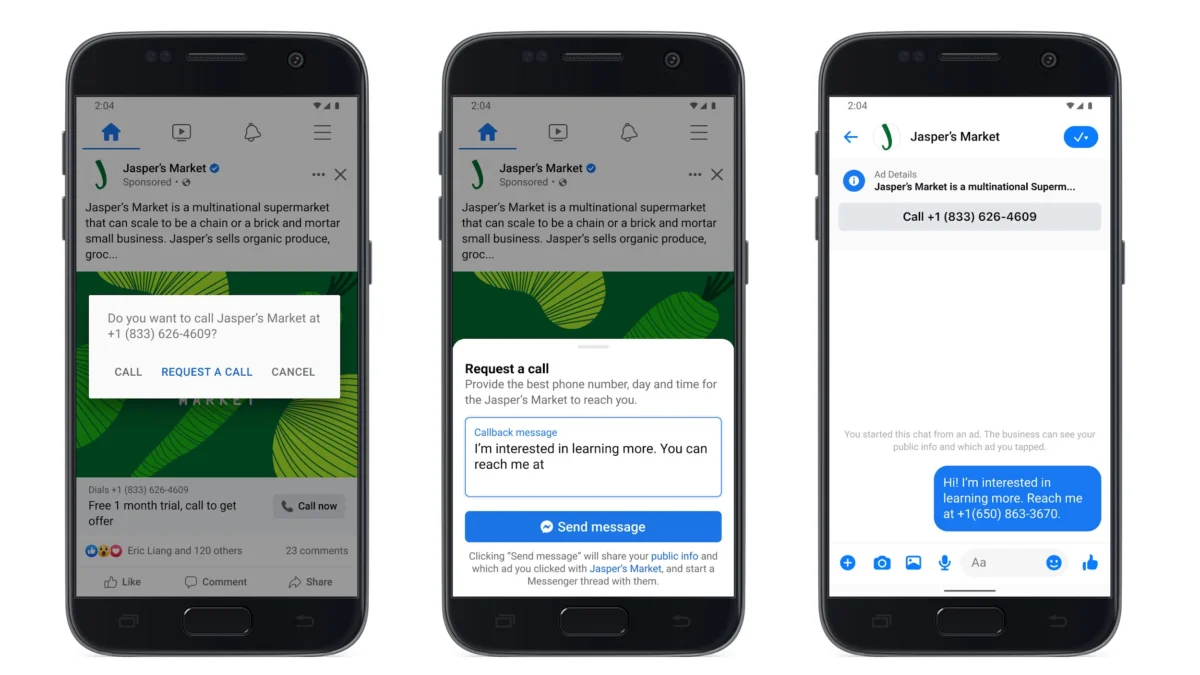
The final quarter of 2022 marked a period of intensive operational evolution and feature deployment across Meta’s primary digital ecosystem, encompassing Facebook, Instagram, Messenger, and its emerging virtual reality infrastructure. Throughout late 2022, the technology conglomerate introduced a sweeping array of structural updates, including advanced ad automation suites, native content scheduling, comprehensive brand safety milestones, and aggressive expansions into short-form video formats. These strategic updates provided digital marketers, corporate advertisers, and online creators with sophisticated automation tools and enhanced cross-platform synchronization, setting a foundational baseline for digital marketing operations heading into 2023.
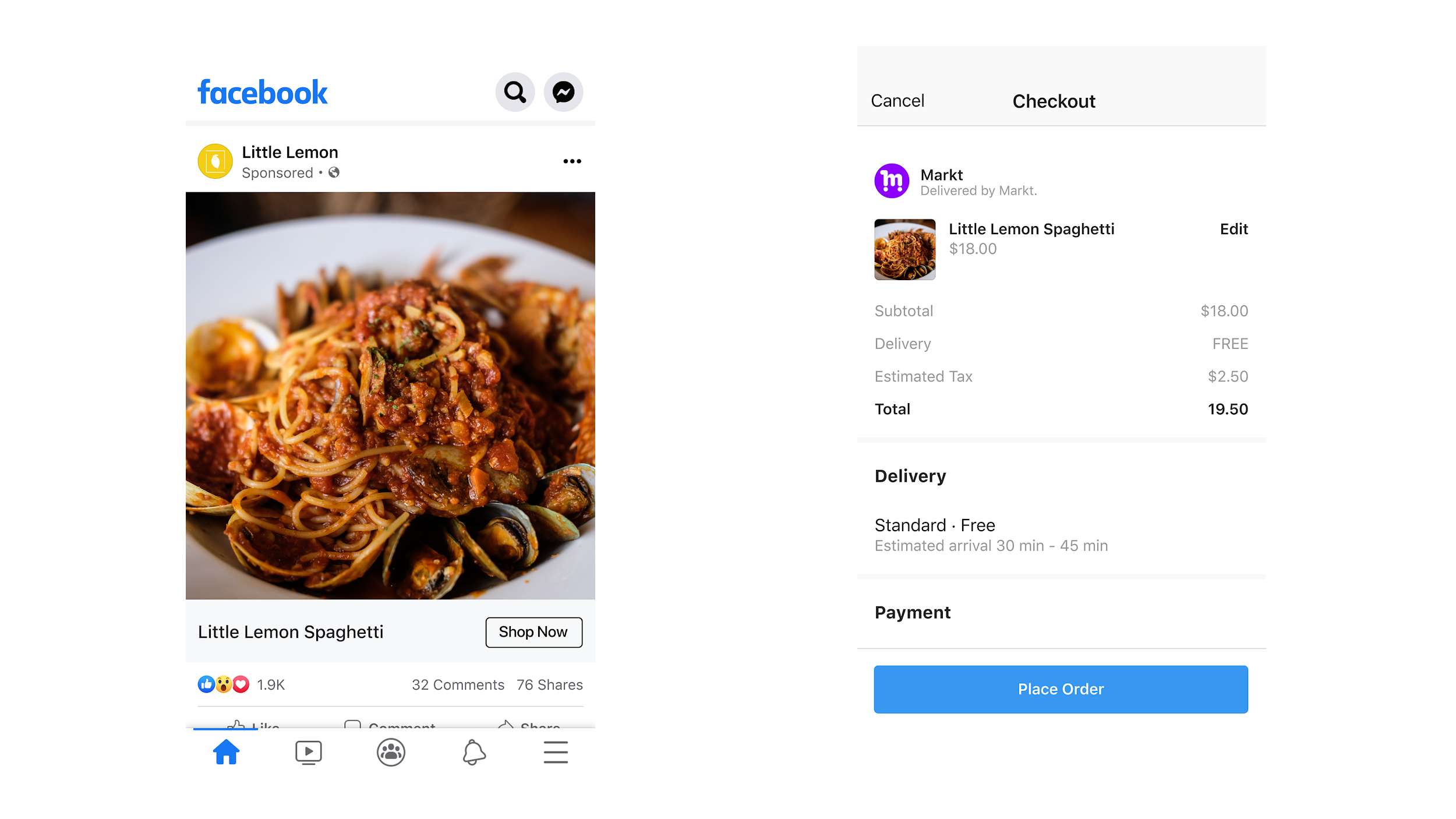
Meta’s product development trajectory throughout 2022 was heavily influenced by broader macroeconomic pressures, shifting consumer viewing habits favoring algorithmic discovery engines, and heightened regulatory scrutiny regarding data privacy and content moderation. By systematically overhauling its advertising architecture and empowering creators with native monetization channels, Meta sought to fortify its competitive position against rival short-form video platforms while maximizing advertising return on investment (ROI) for business users.
Evolution of Meta’s Advertising Architecture and Automation Suites
The core foundation of Meta’s business utility relies on its robust advertising framework. In late 2022, the company consolidated its automated ad products under the unified Meta Advantage Suite, an ecosystem designed to leverage advanced machine learning models to streamline campaign creation, targeting, and optimization.
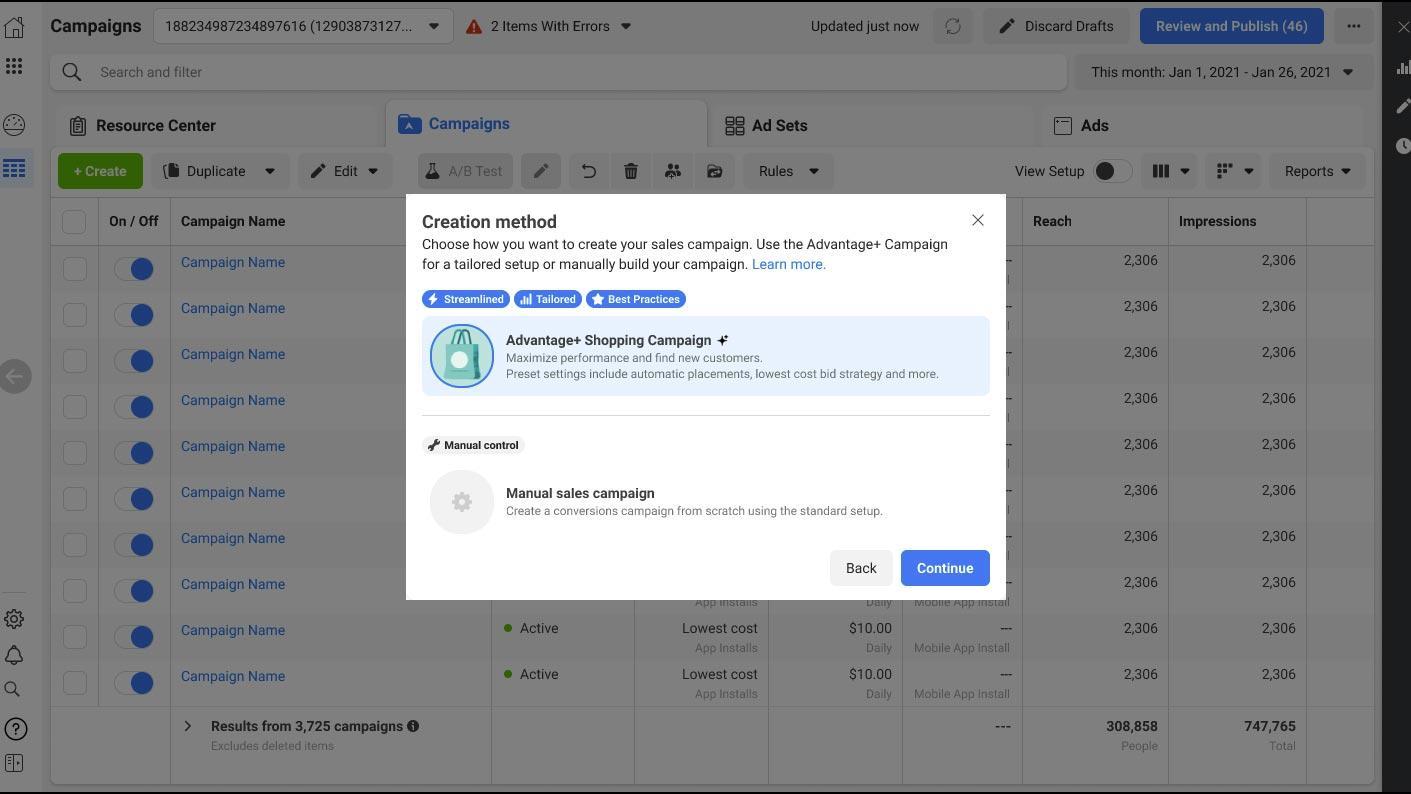
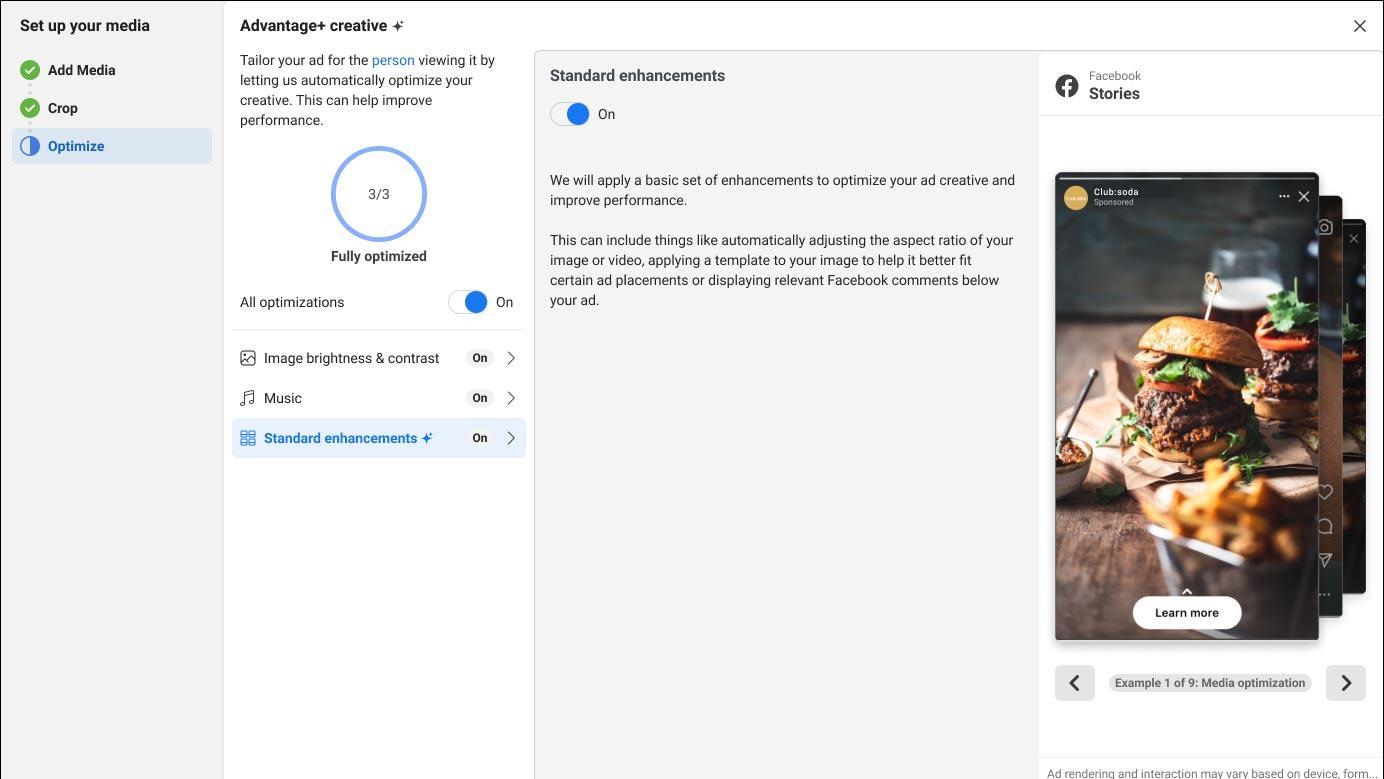
Within this suite, Advantage+ Shopping campaigns emerged as a primary driver of efficiency for digital retailers. By utilizing machine learning algorithms to automate the labor-intensive ad creation process, advertisers gained the capability to dynamically generate and split-test up to 150 creative variations simultaneously. Internal data released by Meta indicated that these automated shopping campaigns delivered a significantly lower cost-per-purchase conversion rate compared to standard, manually configured ad sets.
Parallel to these advertising enhancements, Meta restructured its performance optimization metrics and pre-campaign audience reach estimates. Rather than providing absolute single-digit audience figures, the platform transitioned to displaying estimated audience size ranges. This modification served to accurately reflect the probabilistic nature of digital audience forecasting. Furthermore, Meta revised its cross-platform user accounting methodologies. In an operational shift concerning ad planning and measurement, independent Facebook and Instagram accounts that remained unlinked through the central Account Center were officially counted as distinct individual users. This foundational recalibration directly influenced campaign planning metrics, estimated audience reach, and multi-channel performance reporting across the web.
Instagram’s Strategic Pivot Toward Native Scheduling and Short-Form Video
Instagram implemented some of the most visible structural changes within Meta’s consumer-facing applications, specifically targeting content creators and small-to-medium-sized business accounts. Prior to late 2022, advanced content scheduling capabilities were largely confined to desktop environments or third-party social media management dashboards. To address user feedback from mobile-first creators, Instagram introduced native content scheduling directly within its mobile application.
The new native functionality permitted Business and Creator accounts to schedule photos, carousel posts, and Reels up to 75 days in advance. Creators could access this tool through the "Advanced settings" menu on the final publication screen, enabling seamless editorial planning without external software. However, platform limitations accompanied the feature; product tagging, cross-posting functionalities to Facebook, and promotional post-boosting remained restricted to live publications, requiring users to manage those specific elements in real time.

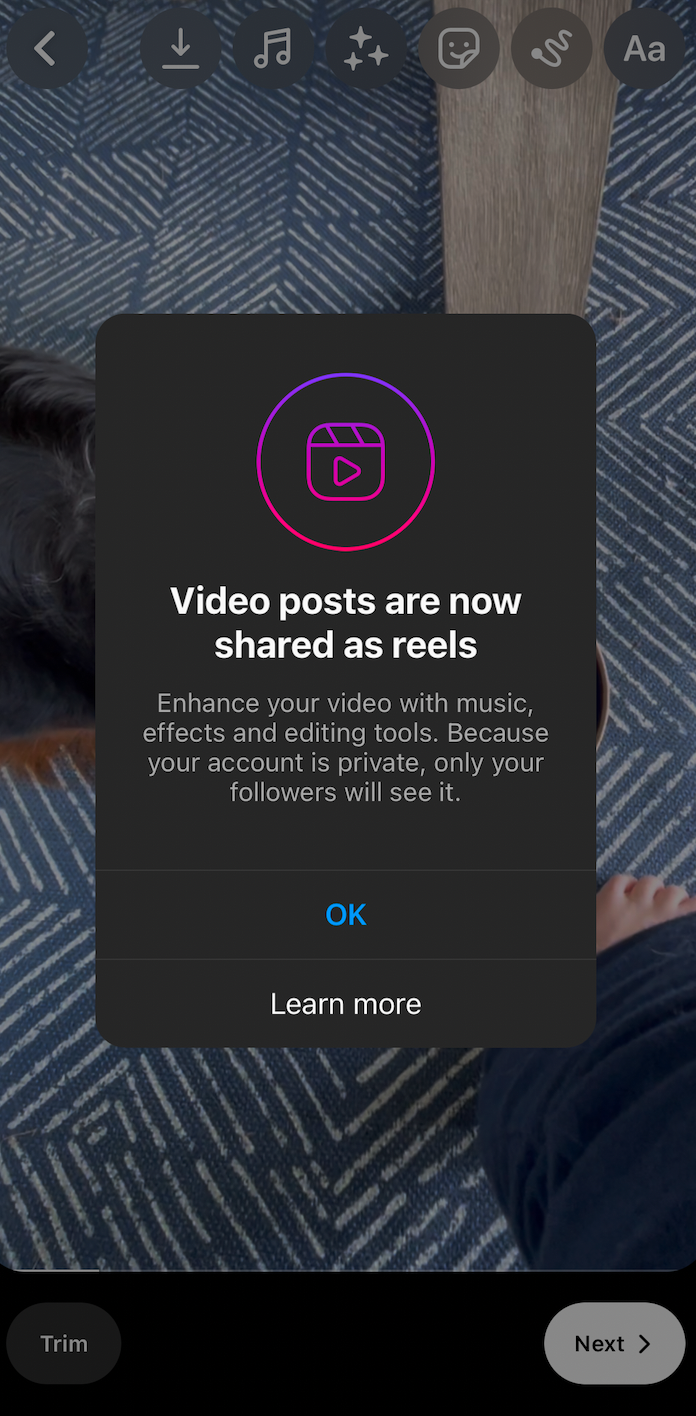
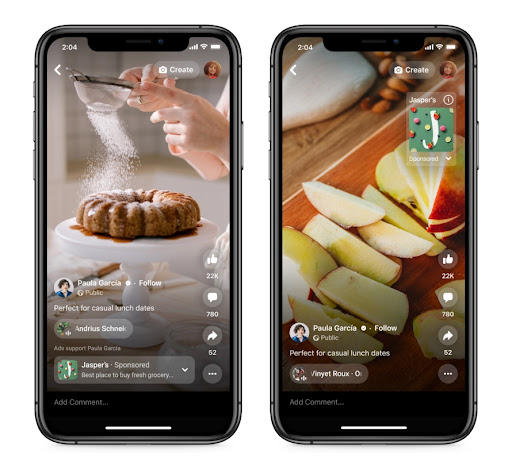
Simultaneously, Instagram aggressively integrated short-form video formatting across its entire platform architecture. Standard in-feed video posts under 15 minutes in length were systematically converted into full-screen Reels experiences, merging the legacy Video and Reels profile tabs into a unified repository. This structural consolidation granted all video content creators access to Reels’ advanced editing tools, audio libraries, and interactive visual effects.
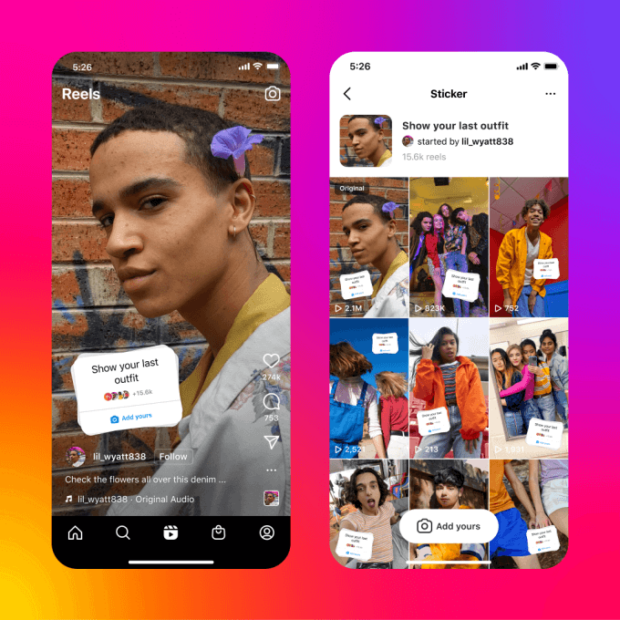
To further incentivize user participation, Instagram expanded the maximum duration of individual Reels to 90 seconds, introduced native music integration for static feed photo posts, and deployed interactive engagement features such as the "Add Yours" sticker. Complementing these creative tools, Meta introduced API access for Reels, allowing authorized third-party developers to integrate publishing, advanced analytics, and comment moderation capabilities directly into enterprise social media management platforms.

Community Building, Commerce Infrastructure, and Direct Monetization
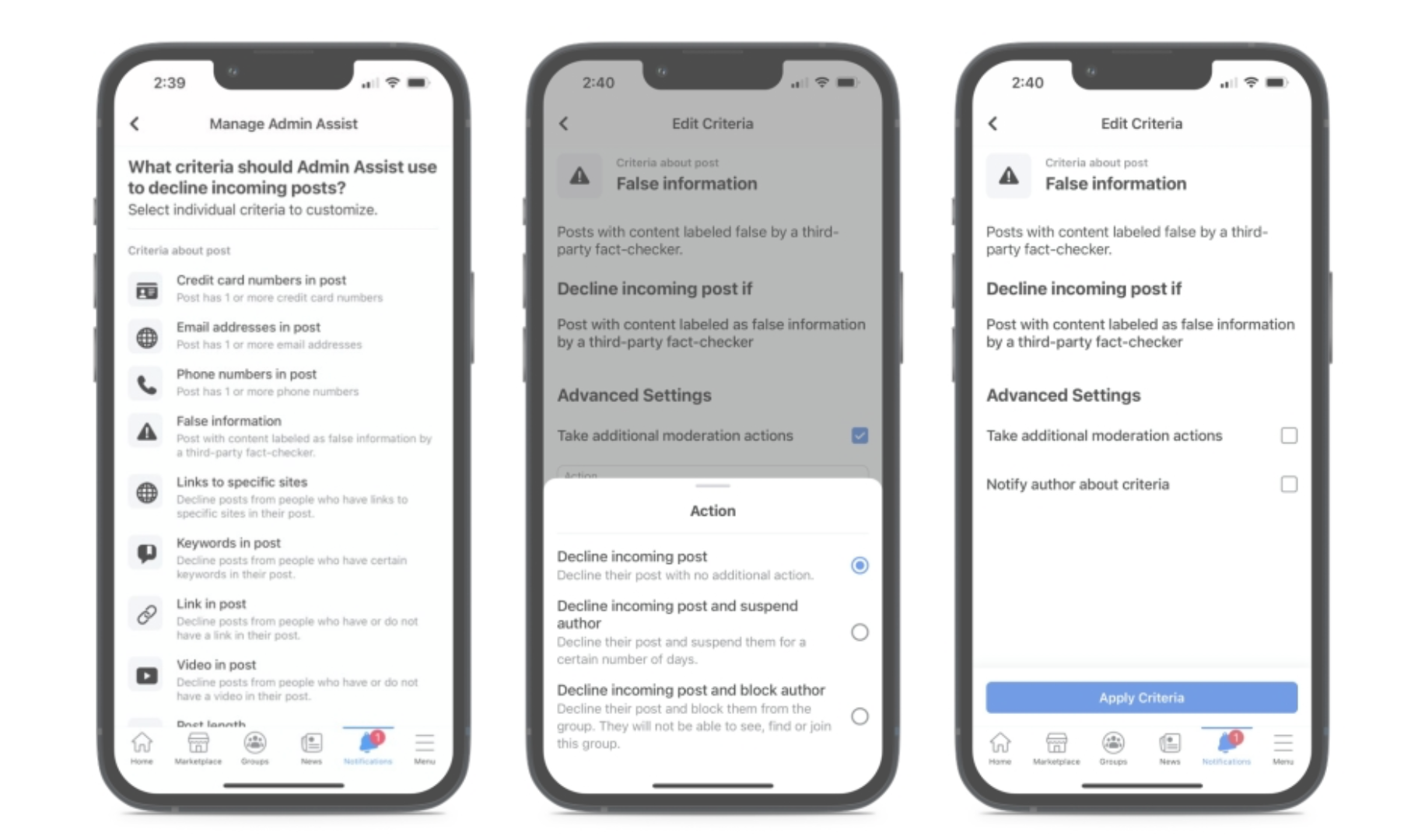
Meta’s strategic emphasis extended deeply into community-building tools and conversational commerce channels. Facebook Groups remained a primary engagement vector, with Meta continuously rolling out enhanced moderation tools, administrative assist features, and subscription-based group monetization models designed to help brands monetize specialized online communities.
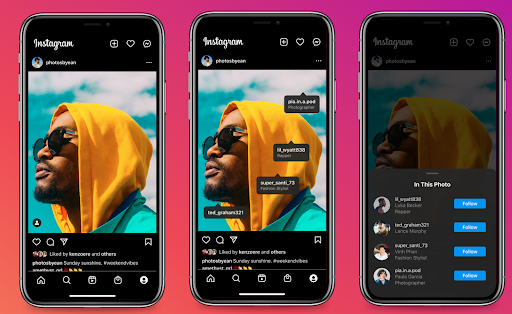
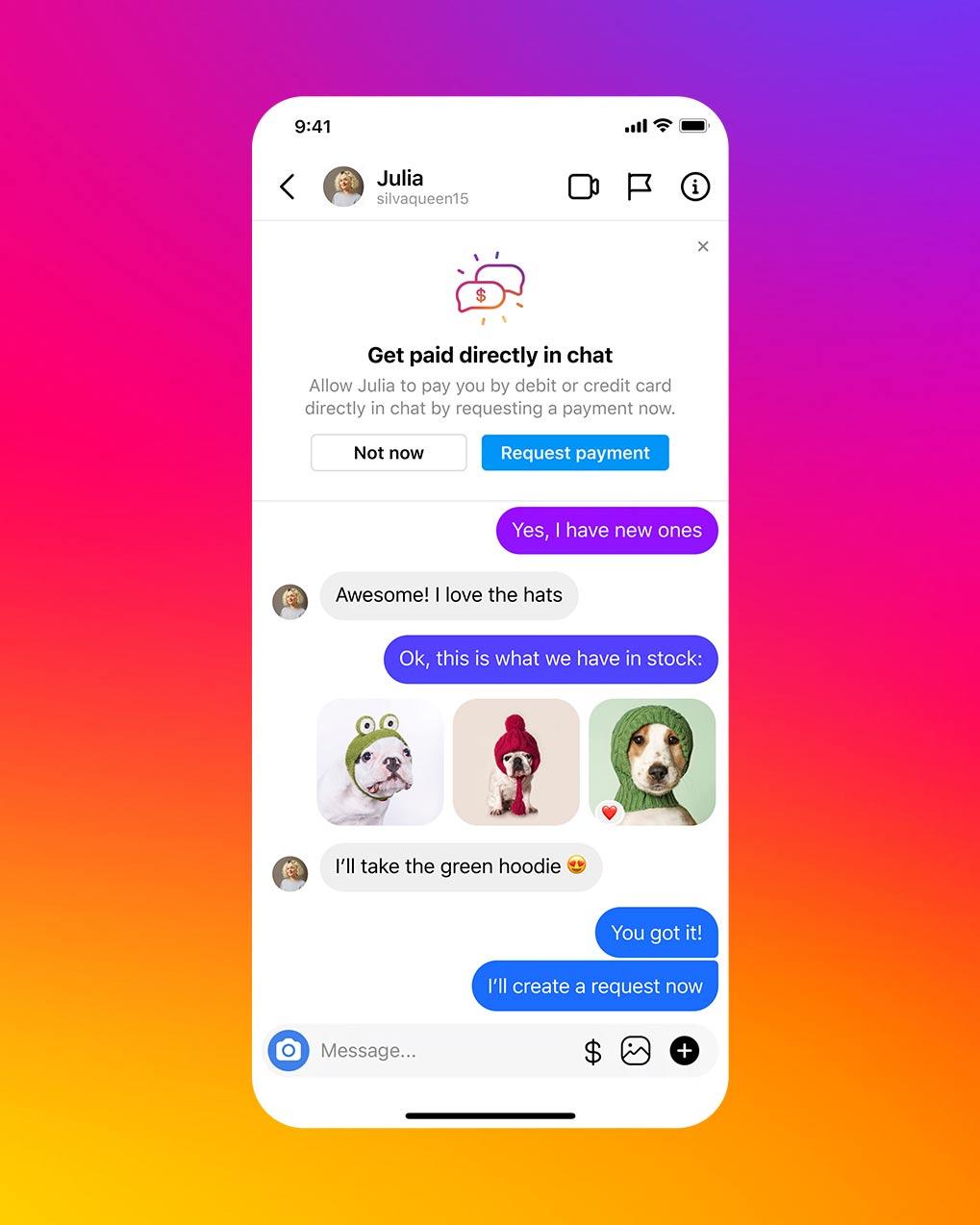
Concurrently, the company expanded its conversational commerce ecosystem by introducing advanced messaging and payment functionalities. Instagram rolled out native payment options within Direct Messages (DMs), allowing eligible professional accounts to accept payments, process invoices, and manage customer transactions entirely within the chat interface without redirecting users to external websites. This feature integrated securely with multiple payment gateways, including Meta Pay, credit cards, and PayPal, supported by round-the-clock customer service architecture.
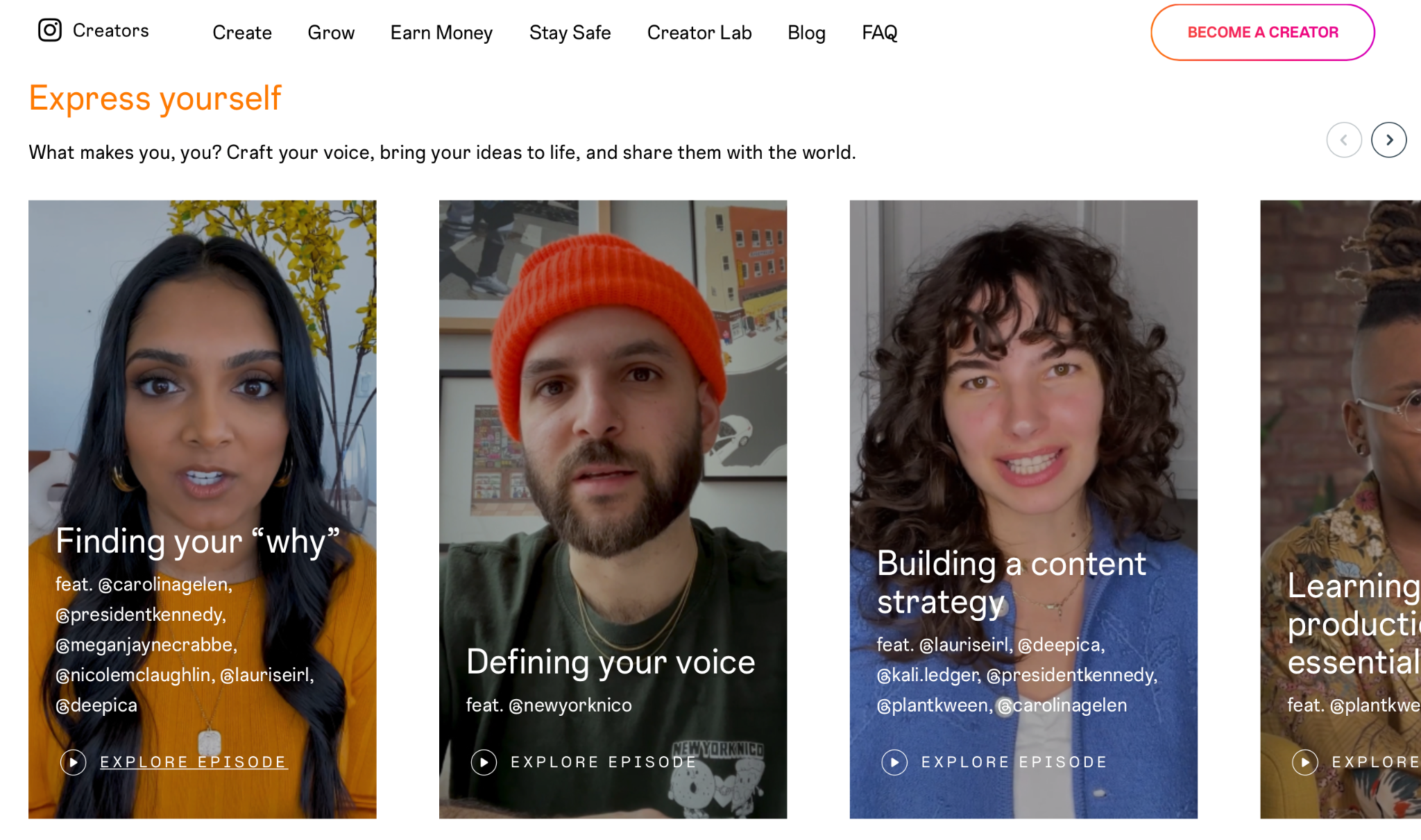
In parallel with these commercial enhancements, Meta systematically restructured its creator monetization programs. Mark Zuckerberg announced the suspension of revenue-sharing commissions on creator earnings generated from Badges, Subscriptions, and paid online events, extending zero-percent revenue sharing through 2024. Furthermore, Instagram introduced affiliate marketing monetization tools, enabling creators to earn commissions by recommending eligible retail products directly within the application, alongside the continued expansion of the invite-only Creator Marketplace to facilitate brand-creator partnerships.
Brand Safety, Intellectual Property Protection, and Regulatory Compliance
As digital platforms faced increasing legal and public scrutiny regarding content suitability, Meta invested heavily in brand safety and intellectual property (IP) protection infrastructure. A significant milestone was achieved when Meta received official accreditation from the Media Rating Council (MRC) for content-level brand safety and suitability controls applied across Instant Articles and In-Stream video placements.
To combat counterfeiting and unauthorized content duplication, Meta launched the IP Reporting API, designed to integrate seamlessly with the existing Graph API. This infrastructure enabled original content creators and brand rights holders to report intellectual property violations, copyright infringements, and counterfeit product listings directly through Business Manager. Additionally, Meta expanded its Brand Rights Protection tools to include advanced image search functionalities and automated matching algorithms.
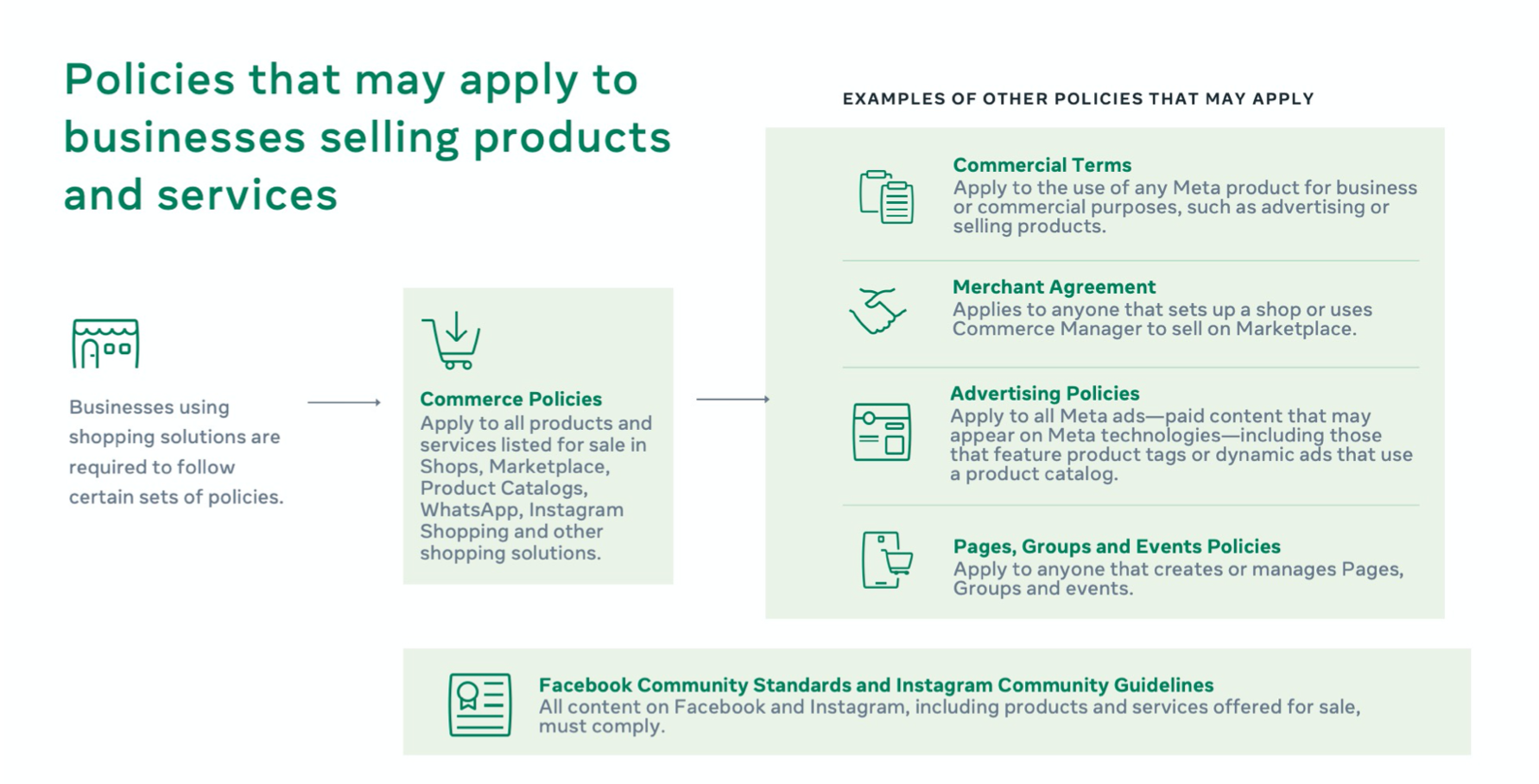
On the regulatory front, Meta adjusted its advertising policies to accommodate global privacy legislation, including compliance frameworks related to the California Consumer Privacy Act (CCPA) via the implementation of "Limited Data Use" protocols. Furthermore, following sweeping changes driven by Apple’s iOS 14.5 AppTracking Transparency (ATT) framework, Meta adapted its measurement infrastructure, deploying aggregated event measurement protocols to maintain campaign optimization capabilities while respecting user opt-in preferences regarding cross-app data tracking.
Broader Implications and Strategic Outlook for Digital Marketers
The cumulative structural updates deployed across Meta’s ecosystem reflect a calculated industry transition toward automation, machine learning optimization, and immersive, vertical-video consumption models. For digital marketers and brand strategists, these developments necessitate a fundamental shift in operational execution. Manual audience targeting and hyper-specific interest segmentation are increasingly superseded by automated algorithmic delivery mechanisms, such as Advantage+ campaigns, which rely heavily on creative diversification to identify high-converting consumer segments.
The integration of native mobile tools—ranging from Instagram scheduling to in-chat payments—underscores Meta’s vision of a frictionless, end-to-end social commerce experience. As digital ecosystems continue to converge around short-form video and conversational AI, organizations operating within the Meta ecosystem must adapt their content strategies to prioritize vertical storytelling, community cultivation, and robust privacy compliance. Ultimately, the sweeping transformations of 2022 established a sophisticated, automated operational framework that will dictate digital marketing efficacy and platform engagement standards for the foreseeable future.