The Enduring Power of Anthropomorphism in Storytelling, Marketing, and Human Connection

Anthropomorphism, a potent literary and rhetorical device, involves the attribution of human characteristics, emotions, or intentions to non-human entities. This pervasive phenomenon extends beyond mere literary technique, deeply influencing popular culture, commercial advertising, and even our psychological engagement with the world. From ancient fables to modern animated blockbusters, the capacity to imbue animals, inanimate objects, or abstract concepts with human traits has proven an exceptionally effective strategy for captivating audiences, conveying complex ideas, and forging emotional connections.
Understanding Anthropomorphism: A Core Definition
At its core, anthropomorphism is the literal portrayal of non-human entities possessing physical, emotional, or intellectual human traits. This differs fundamentally from personification, which is a figurative device using imagery or metaphor to describe non-humans with human-like actions or qualities (e.g., "the wind whispered secrets"). In anthropomorphism, the non-human character genuinely thinks, speaks, and acts like a human within the narrative’s reality. While most commonly applied to animals, it can extend to any non-human entity, from toys and houses to abstract concepts. Its widespread presence in contemporary life often makes it an unnoticed, yet profoundly impactful, element of our cultural landscape.
The Strategic Imperative: Why Anthropomorphism Resonates
Writers, marketers, and creators strategically employ anthropomorphism due to its proven efficacy in transforming narratives and engaging audiences. The reasons for its enduring appeal are multifaceted, tapping into fundamental aspects of human psychology and communication:
-
Fostering Empathy and Relatability: By granting human characteristics to non-human subjects, anthropomorphism allows audiences to project their own experiences and emotions onto these characters. This fosters a profound sense of empathy, enabling viewers or readers to connect with the character’s struggles, joys, and dilemmas on a deeply personal level. The emotional investment in characters like Woody from Toy Story, for instance, whose fear of being replaced by a new toy resonates with universal anxieties about obsolescence and love, exemplifies this power. The narrative transcends a simple children’s story, prompting introspection about personal relationships and the impact of one’s actions on others.
-
Simplifying Complex Concepts: Anthropomorphism serves as an invaluable tool for distilling intricate or controversial themes into accessible, engaging narratives. George Orwell’s Animal Farm stands as a seminal example, using farm animals to allegorize the Russian Revolution and the subsequent rise of totalitarianism. By presenting a biting critique of political systems through the actions of talking animals, Orwell rendered a potentially "grating, abrasive topic" into an "award-winning novella" that has educated and challenged generations. This approach allows authors to address sensitive subjects without alienating audiences, providing a metaphorical distance that encourages critical reflection.
-
Enhancing Emotional Impact and Moral Instruction: The humanization of non-human characters can amplify emotional resonance, particularly in narratives designed to impart moral lessons or evoke profound sentiments. The death of Bambi’s mother, portrayed with human-like grief and vulnerability, indelibly imprinted upon young audiences the fragility of life and the inevitability of loss. Such experiences, facilitated by anthropomorphism, contribute to emotional development and an early understanding of complex existential themes. This capacity to evoke strong emotional responses makes it a powerful instrument for both entertainment and didactic purposes.
-
Creating Memorable and Iconic Characters: Anthropomorphic characters often possess an inherent charm and memorability. Their distinct personalities, combined with their non-human forms, make them stand out and become iconic. This is particularly evident in commercial branding, where characters like Tony the Tiger or the M&M’s crew achieve instant recognition and foster brand loyalty through their humanized traits and engaging narratives.
A Historical Trajectory: From Ancient Fables to Digital Dynasties
The deployment of anthropomorphism is not a modern invention but a storytelling tradition with ancient roots, evolving across millennia to suit various cultural and technological landscapes.

-
Ancient Origins: Early instances can be traced to ancient mythologies, where gods often took animal forms or animals possessed human-like wisdom and speech. Aesop’s Fables, dating back to the 6th century BCE, are perhaps the most famous early examples, using talking animals to convey moral lessons that transcend time and culture. These fables leveraged anthropomorphism to make abstract virtues and vices tangible and relatable.
-
Literary Classics: The 19th and 20th centuries witnessed a flourishing of anthropomorphic literature. Lewis Carroll’s Alice’s Adventures in Wonderland (1865) introduced a bizarre world populated by a talking White Rabbit, a philosophical Caterpillar, and a grinning Cheshire Cat, whose human intellects drive the whimsical narrative. Beatrix Potter’s Peter Rabbit series (early 20th century) depicted animal characters in human clothing, engaging in domestic activities and moral dilemmas, endearing them to generations of children.
-
The Golden Age of Animation: The early to mid-20th century saw anthropomorphism become a cornerstone of the burgeoning animation industry. Walt Disney Studios, in particular, built an empire on characters like Mickey Mouse, Donald Duck, and later, a pantheon of talking animals in films such as Bambi (1942), The Jungle Book (1967), and Robin Hood (1973). These productions demonstrated the immense commercial viability of anthropomorphic storytelling, transforming it into a multi-billion dollar strategy that continues to captivate global audiences. The Winnie the Pooh franchise, which began as A.A. Milne’s poetry in 1924, exemplifies this, having grown into an intellectual property valued at over $5 billion annually, largely due to its anthropomorphic characters.
-
Contemporary Dominance: Today, anthropomorphism remains a dominant force across all media. Pixar’s Toy Story franchise, launched in 1995, revitalized the concept of inanimate objects coming to life, grossing over $373 million worldwide and cementing its place as a cultural touchstone. Animated features like Disney’s Encanto (2021) extend this, with the sentient "Casita" (Casa Madrigal) serving as a central, communicative character whose movements and reactions convey a distinct personality without physical human form. In the digital realm, blogs like Wait But Why utilize anthropomorphic characters, such as the "Instant Gratification Monkey," to explain complex psychological concepts like procrastination in an engaging, memorable way, demonstrating its adaptability to new platforms.
Examples Across Diverse Media: A Snapshot of Anthropomorphic Influence
Anthropomorphism’s reach is extensive, appearing in varied forms across literature, poetry, and modern pop culture.

-
In Literature:
- C.S. Lewis’s The Lion, the Witch, and the Wardrobe: Aslan, the majestic lion, is not merely an animal but a profound allegorical figure embodying wisdom, sacrifice, and divine power, speaking and acting with full human intellect and morality. The Beavers, who guide the Pevensie children, further exemplify this with their human speech, domestic life, and strategic thinking.
- George Orwell’s Animal Farm: The entire narrative hinges on the farm animals’ rebellion and subsequent establishment of a society mirroring human political systems. Characters like Napoleon (a pig representing Stalin) and Boxer (a horse representing the proletariat) embody distinct human ideologies and social roles.
- E.B. White’s Charlotte’s Web: Charlotte, a spider, possesses remarkable intelligence, empathy, and literary skill, using her web to save Wilbur the pig. Her actions and thoughts are entirely human in scope, driving the emotional core of the story.
-
In Poetry and Children’s Classics:
- A.A. Milne’s Winnie the Pooh: The beloved bear and his friends like Piglet and Tigger, originally conceived in poetry, exhibit distinct human personalities, conversations, and emotional arcs, exploring themes of friendship, loyalty, and childlike wonder.
- Dr. Seuss’s The Cat in the Hat: The titular Cat is a mischievous, articulate character who speaks in rhyme and orchestrates chaos, embodying a rebellious human spirit. The tension between him and the pragmatic goldfish underscores the human-like conflict within the narrative.
- "Humpty Dumpty": This nursery rhyme features an anthropomorphic egg with human characteristics (sitting on a wall, having a great fall), demonstrating the device’s presence even in the simplest forms of storytelling.
-
In Pop Culture and Advertising:
- GEICO’s Gecko (Martin): This highly successful advertising campaign features a talking gecko who provides financial advice and promotes insurance. Martin’s articulate speech, sophisticated demeanor, and relatable struggles (like making strawberry jam) have made him an instantly recognizable and effective brand ambassador, significantly contributing to GEICO’s market penetration.
- Mascots and Branding: Beyond GEICO, numerous brands employ anthropomorphic characters, from the Michelin Man to the Pillsbury Doughboy, to create memorable, friendly, and trustworthy associations with their products. This strategy leverages the emotional connection facilitated by humanized characters to build brand loyalty and drive sales.
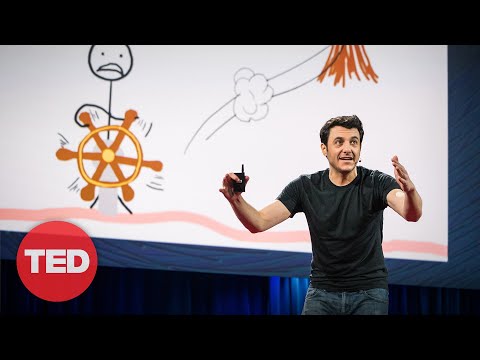
- Digital Storytelling: Tim Urban’s Wait But Why blog’s "Instant Gratification Monkey" metaphorically represents the human struggle with procrastination. This simple anthropomorphic character makes a complex psychological concept tangible and humorous, resonating with millions of readers globally.
Differentiating Related Concepts: Personification and Zoomorphism
While often confused, anthropomorphism is distinct from related literary devices:
-
Personification: As mentioned, personification is a figurative comparison, attributing human actions or qualities to non-humans metaphorically. For example, "the old house groaned" or "the wind howled." The house doesn’t literally groan, nor does the wind literally howl; these are descriptive flourishes. The band Of Monsters and Men’s lyric, "It’s the house telling you to close your eyes," uses personification; the house isn’t literally speaking.

-
Zoomorphism: This device is the inverse of anthropomorphism, where human beings are depicted with animalistic qualities or traits. This can be literal, as with superheroes like Spider-Man or Black Panther, who possess animalistic powers. It can also be figurative, describing a human’s behavior (e.g., "he wolfed down his food," "she pounced on the opportunity"). Zoomorphism highlights primal instincts or physical prowess in humans, often emphasizing a departure from conventional human behavior.
Strategic Deployment: Leveraging Anthropomorphism in Creative Endeavors
For creators, understanding how to strategically deploy anthropomorphism is key to unlocking its full potential:
-
Retelling Classics with a New Lens: Reimagining established narratives through anthropomorphic characters can breathe new life into familiar tales. The Muppet Christmas Carol offers a heartwarming and humorous take on Dickens’ classic, making complex themes accessible to a younger audience while retaining the original’s emotional core. This approach allows creators to leverage existing narrative strengths while offering a fresh, engaging perspective.
-
Character Development Through Animal Archetypes: Assigning specific animal characteristics to characters can instantly convey personality and behavioral traits. Disney’s Robin Hood (1973) masterfully matched animals with archetypal personalities: the noble fox as Robin Hood, the strong bear as Little John, and the villainous lion as Prince John. This instinctive association allows for immediate character recognition and depth.
-
Unleashing the Inner Child’s Imagination: Tapping into the childlike wonder of inanimate objects coming to life has proven immensely successful. The initial concept of Toy Story—toys having secret lives—was a creative leap that resonated globally, highlighting the universal fantasy of childhood play. Encouraging creators to explore what everyday objects their younger selves wished could speak or move can lead to groundbreaking ideas.
-
Addressing Challenging Topics with Finesse: As demonstrated by Animal Farm, anthropomorphism provides a unique avenue for tackling complex or controversial subjects. By layering a difficult topic with a narrative featuring humanized non-humans, creators can deliver profound social or political commentary that is both palatable and deeply impactful, transforming "medicine" into an engaging story.
-
Embracing the Peculiar and the Whimsical: A degree of creative eccentricity is often beneficial when employing anthropomorphism. The inherent strangeness of a talking animal or a sentient object is part of its allure. Alice’s Adventures in Wonderland thrives on this peculiarity, creating a fantastical world that challenges conventional logic and captivates readers through its imaginative and often absurd anthropomorphic characters.
Conclusion: The Enduring Allure of the Humanized Non-Human
Anthropomorphism, far from being a simple stylistic flourish, stands as a sophisticated and immensely powerful tool in the arsenal of storytellers, marketers, and educators. Its capacity to forge deep emotional connections, simplify complex ideas, and create unforgettable characters has ensured its enduring relevance across diverse media and cultures. From the ancient wisdom of Aesop’s fables to the multi-billion dollar franchises of modern entertainment and advertising, the humanized non-human continues to shape our perceptions, provoke our empathy, and enrich our understanding of both the world around us and ourselves. Embracing this unique narrative strategy allows creators to infuse their work with an enchanting blend of persuasion, creativity, and profound resonance, leaving an indelible mark on their audiences.