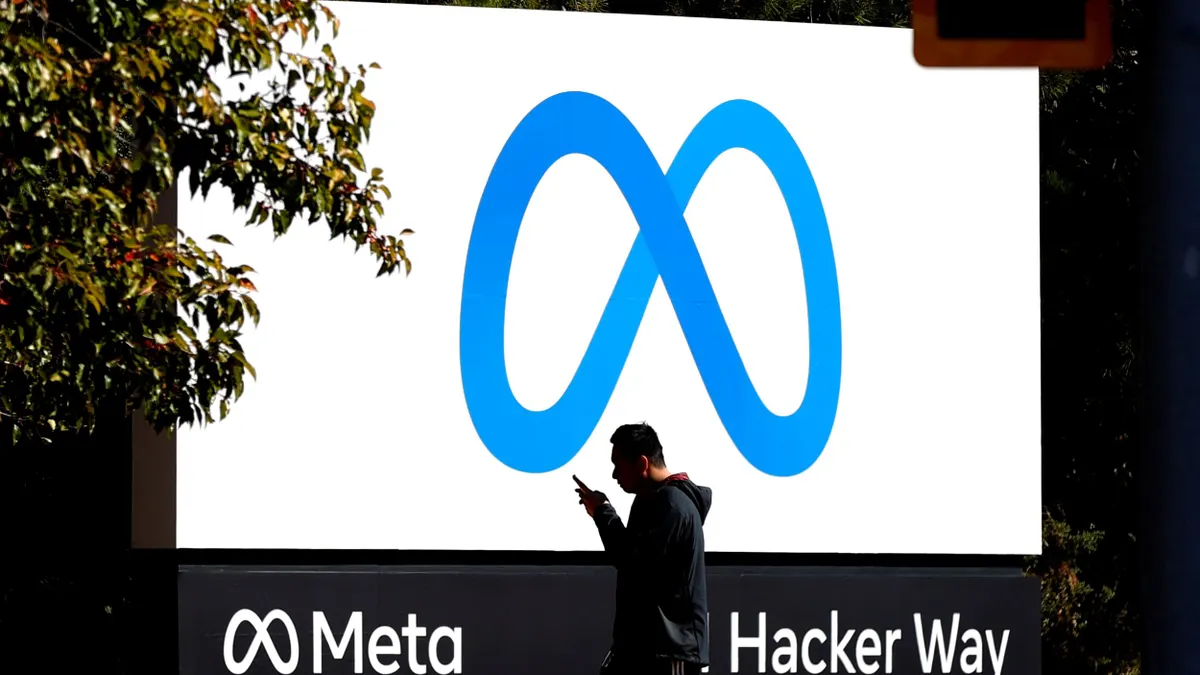
A landmark lawsuit filed in the U.S. District Court for the Northern District of California on July 21, 2026, has cast a spotlight on the controversial use of artificial intelligence in corporate workforce reductions, alleging that Meta Platforms Inc. employed a "constellation of internal artificial-intelligence systems" to select employees for its recent 10% reduction in force, disproportionately impacting those who had taken or requested protected leave. The complaint, brought by 26 current and former Meta employees, claims these AI-driven mechanisms failed to account for protected absences, effectively penalizing workers for exercising their legal rights to medical, family, and pregnancy leaves.
Specific Allegations Detail AI’s Impact on Vulnerable Workers
The plaintiffs’ legal filing paints a concerning picture of how algorithmic decision-making may have influenced the careers and livelihoods of individuals at one of the world’s leading technology companies. Among the specific examples cited in the lawsuit are deeply personal accounts illustrating the alleged discriminatory impact of Meta’s AI systems. One poignant case involves a scientist who was reportedly selected for the reduction in force while on pre-birth pregnancy leave, a period of protected absence designed to support expectant mothers. Another instance highlights a manager who, following a medical leave, was allegedly demoted and then subsequently chosen for layoff just weeks into his second medical leave. A third account details an engineer whose performance rating was purportedly lowered due to "broken time" – a direct consequence of an injury that prevented him from working, an absence that should typically be protected under disability and leave laws.
These individual stories form the crux of the plaintiffs’ argument: that Meta’s reliance on AI for layoff selections inadvertently, or perhaps systemically, disadvantaged employees navigating life events legally protected by federal statutes. The lawsuit asserts that these decisions were not the result of "considered judgment of managers who knew the work," but rather the output of complex algorithms. The AI tools, according to the filing, relied on a range of inputs including "performance ratings, calibration scores, productivity and output metrics, ‘AI-native’ ratings, and AI-token consumption." The critical flaw, as alleged by the plaintiffs, is that these metrics "by design, cannot be accumulated by an employee who is on protected medical or family leave, or whose output is reduced by a disability." Furthermore, the complaint contends that Meta failed to "neutralize" these inputs to account for protected leave, nor did it exclude those who had taken or sought accommodations from the layoff selection process. The resulting outcome, the plaintiffs argue, was a disproportionate selection of employees who took protected leaves, based on a scoring system that not only overlooked their absences but actively penalized them.
Legal Framework and Alleged Violations
The lawsuit asserts that Meta’s practices constitute a violation of several cornerstone federal employment laws designed to protect workers from discrimination and ensure fair treatment during periods of vulnerability. These include:
- Americans with Disabilities Act (ADA): This act prohibits discrimination against individuals with disabilities in all areas of public life, including employment. It requires employers to provide reasonable accommodations to qualified individuals with disabilities unless doing so would cause undue hardship. The lawsuit alleges Meta’s AI systems failed to account for disability-related absences or reduced output, effectively discriminating against employees with disabilities.
- Family and Medical Leave Act (FMLA): The FMLA entitles eligible employees of covered employers to take unpaid, job-protected leave for specified family and medical reasons with continuation of group health insurance coverage under the same terms and conditions as if the employee had not taken leave. The complaint suggests that employees taking FMLA leave were penalized through performance metrics, undermining their job protection.
- Pregnancy Discrimination Act (PDA): An amendment to Title VII of the Civil Rights Act of 1964, the PDA prohibits sex discrimination on the basis of pregnancy, childbirth, or related medical conditions. Employers are required to treat women affected by pregnancy or related conditions in the same manner as other applicants or employees with similar abilities or inabilities to work. The case of the scientist on pre-birth pregnancy leave directly implicates this act.
- Pregnant Workers Fairness Act (PWFA): Enacted more recently, the PWFA builds upon existing protections, requiring covered employers to provide reasonable accommodations to a worker’s known limitations related to pregnancy, childbirth, or related medical conditions, unless the accommodation would cause the employer an undue hardship. This further strengthens the protections for pregnant workers, reinforcing the allegations of discriminatory practices.
- Title VII of the 1964 Civil Rights Act: This landmark legislation prohibits employment discrimination based on race, color, religion, sex, and national origin. The allegations of pregnancy discrimination fall under Title VII, and broader claims of disparate impact could also be assessed under its provisions, particularly if the AI systems exhibited biases against other protected characteristics.
The collective weight of these alleged violations underscores the severity of the claims, suggesting a systemic failure to integrate legal protections into automated decision-making processes.
Background Context: Meta’s Ongoing Workforce Reductions
The lawsuit emerges against a backdrop of significant economic pressures and strategic shifts that have led Meta to undertake multiple rounds of large-scale layoffs since late 2022. The "May reduction in force" in 2026, which saw a 10% cut in staff, is the latest in a series of efforts by the tech giant to streamline operations and reduce costs.

Meta’s first major wave of layoffs occurred in November 2022, when the company announced it would cut over 11,000 jobs, representing about 13% of its workforce at the time. This decision marked the first significant layoff in the company’s history and signaled a broader trend of belt-tightening across the tech industry. CEO Mark Zuckerberg cited factors such as over-hiring during the COVID-19 pandemic surge, a slowdown in digital advertising revenue, increased competition from platforms like TikTok, and substantial investments in the metaverse as reasons for the reductions.
A second major round followed in March 2023, with an additional 10,000 employees laid off and a plan to eliminate 5,000 open roles. Zuckerberg dubbed 2023 the "Year of Efficiency," emphasizing a focus on improving financial performance and becoming a leaner organization. These earlier rounds primarily targeted non-engineering roles, but subsequent cuts impacted various departments.
By 2024 and 2025, Meta continued to implement more targeted reductions and hiring freezes, reflecting an ongoing commitment to efficiency. The 2026 "May reduction in force," impacting approximately 10% of the remaining workforce, indicates that the company’s strategic restructuring is still very much in progress. While the broader economic context and Meta’s internal strategies provide a rationale for the layoffs themselves, the lawsuit critically questions the methodology employed in selecting who would be let go, particularly the alleged role of AI. The scale of these reductions, amounting to tens of thousands of employees over several years, amplifies the potential impact of any systemic bias in the selection process.
The Rise and Risks of AI in Human Resources
The lawsuit against Meta brings into sharp focus a burgeoning ethical and legal challenge: the increasing deployment of artificial intelligence in human resources functions. Companies worldwide are adopting AI tools for various HR tasks, from recruitment and applicant screening to performance management, employee engagement, and, controversially, workforce planning and reductions. Proponents argue that AI can enhance efficiency, reduce human bias, and provide objective data-driven insights, leading to more equitable and effective HR outcomes. For instance, AI can process vast amounts of data to identify skill gaps, predict attrition risks, or even optimize team compositions.

However, the case against Meta starkly illustrates the significant risks inherent in relying on AI for sensitive personnel decisions. A primary concern is algorithmic bias. AI systems learn from historical data, and if that data reflects past human biases—intentional or unintentional—the AI can perpetuate or even amplify those biases. For example, if past performance reviews historically undervalued employees who took protected leave, an AI trained on this data might inadvertently flag such individuals as lower performers. The "black box" nature of some advanced AI models also presents challenges, making it difficult to understand precisely how decisions are reached, thus hindering accountability and transparency.
Regulatory bodies globally are beginning to grapple with these complexities. New York City’s Local Law 144, effective in 2023, for example, requires independent bias audits for automated employment decision tools used by employers in the city. The European Union’s proposed AI Act also includes provisions that would classify AI systems used in employment as "high-risk," subjecting them to stringent requirements for transparency, human oversight, and conformity assessments. These emerging regulations underscore a growing recognition that while AI offers immense potential, its application in human resources demands rigorous ethical scrutiny and robust legal safeguards to prevent discrimination and ensure fairness. The Meta lawsuit could serve as a pivotal case, potentially shaping the future landscape of AI governance in employment law, particularly concerning workforce reductions.
Meta’s Official Stance and Legal Battle Ahead
In response to the serious allegations, a Meta spokesperson issued a concise statement, asserting that the claims "lack merit and are not based on facts. Workforce management and organizational decisions were and are made by people, not AI." This categorical denial sets the stage for a contentious legal battle, pitting the plaintiffs’ detailed accounts and technical interpretations of Meta’s AI systems against the company’s insistence on human oversight and decision-making.
The discrepancy between the lawsuit’s claims and Meta’s defense highlights a critical area of legal and public discourse: how much agency do AI systems truly have in corporate decision-making, and where does human accountability begin and end? Even if final decisions are signed off by human managers, the extent to which those managers rely on, or are influenced by, AI-generated rankings and recommendations will be a key point of contention. The plaintiffs’ argument suggests that the AI systems were not merely advisory but instrumental in generating the layoff list, effectively pre-selecting individuals based on metrics that inherently disadvantaged protected groups.
The legal proceedings are expected to involve extensive discovery, where both sides will seek to obtain internal documents, data, and communications related to Meta’s layoff process and its AI tools. This could include examining the algorithms themselves, the data used to train them, audit trails of decision-making, and internal policies regarding protected leave and performance evaluations. The outcome will likely hinge on whether the plaintiffs can demonstrate a causal link between the AI systems’ operation and the alleged discriminatory impact, and whether Meta can convincingly prove that human judgment superseded any potential algorithmic biases.
Sought Relief and Broader Implications
The plaintiffs are not merely seeking monetary damages; a significant immediate objective is a preliminary injunction preventing Meta from finalizing their separations. This relief, if granted, would temporarily halt the termination process for the plaintiffs, allowing the court to deliberate on the merits of their claims before irreversible actions are taken. Beyond the individual cases, the lawsuit aims to establish a precedent, forcing Meta—and potentially other companies—to re-evaluate and reform how AI is deployed in critical HR decisions.
Should the plaintiffs succeed, the implications would be far-reaching. It would send a strong signal to the technology industry and beyond that AI systems must be designed, implemented, and audited with stringent attention to anti-discrimination laws and ethical considerations. Companies would likely face increased pressure to ensure transparency in their algorithmic decision-making, conduct regular bias audits, and implement robust human oversight mechanisms. The case could also spur legislative action, prompting lawmakers to develop more comprehensive regulations specifically addressing AI’s role in employment practices. Conversely, if Meta prevails, it could embolden companies to continue integrating AI into sensitive HR functions, albeit with renewed scrutiny on the specifics of their implementation.
This lawsuit serves as a pivotal moment in the ongoing conversation about artificial intelligence and its societal impact. As AI becomes more sophisticated and ubiquitous, its application in areas that directly affect human lives, such as employment, necessitates careful scrutiny and robust legal frameworks to ensure fairness, equity, and accountability. The Meta case is poised to become a landmark decision, influencing how companies approach the integration of AI into their most sensitive human resource decisions for years to come.