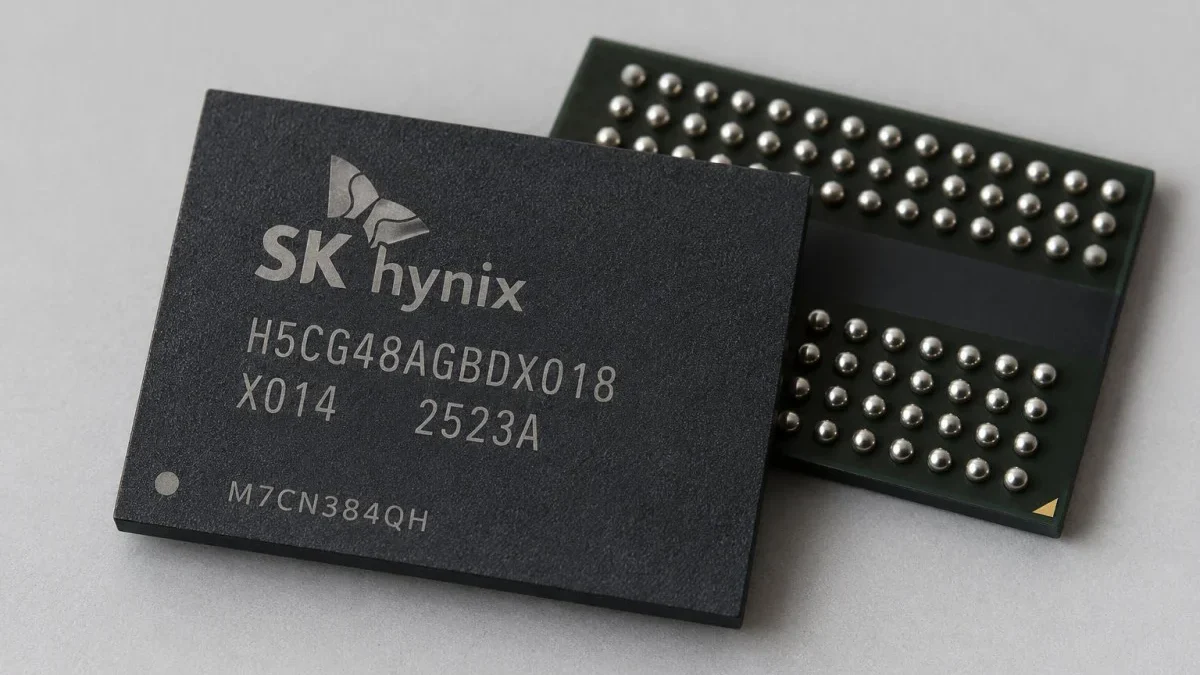
In a strategic move that could reshape the global semiconductor supply chain, South Korean memory giant SK Hynix is currently engaged in high-level exploratory discussions with Intel Corporation. The potential partnership aims to establish a manufacturing footprint for memory chips within the United States, marking a historic shift for a company that has traditionally concentrated its advanced fabrication operations within South Korea. According to reports, the proposed deal involves either a leasing arrangement for space within Intel’s massive Ohio fabrication facility or the creation of a joint venture that could include participation from major cloud service providers eager to secure long-term memory supply chains.
The news, which surfaced via reports from Reuters, has already triggered a positive market reaction, with shares of both Intel and SK Hynix experiencing an uptick following the announcement. For Intel, a collaboration of this nature offers a potential lifeline as it navigates a period of significant financial and operational restructuring. For SK Hynix, the move represents a calculated response to the mounting pressure from global customers and geopolitical stakeholders to localize semiconductor production amid the ongoing artificial intelligence (AI) boom.
A Shifting Timeline for Ohio’s Mega-Factory
Intel’s Ohio facility has been a cornerstone of its "IDM 2.0" strategy since its initial announcement in 2022. At the time, the chipmaker pledged a staggering $100 billion investment to transform a sprawling site in Licking County, Ohio, into the world’s largest silicon manufacturing complex. The original roadmap projected that the facility would begin churning out advanced chips by 2025. However, shifting market conditions, fiscal constraints, and the complexities of scaling such a massive project have forced Intel to delay the start of production.
Current internal projections suggest that the Ohio site is now unlikely to be fully operational before 2030. By integrating SK Hynix’s memory expertise into this facility, Intel may be seeking to accelerate the site’s utility and justify its massive capital expenditure to investors. For SK Hynix, leveraging existing infrastructure—even if it is behind schedule—could be more cost-effective than greenfield construction in a high-cost environment like the United States.
Geopolitical and Regulatory Hurdles
While the economic logic behind such a partnership is clear, the path to implementation is fraught with regulatory complexities. The South Korean government maintains a stringent stance on the export of "national core technologies." As a global leader in High Bandwidth Memory (HBM) and advanced DRAM, SK Hynix is at the forefront of technologies that are considered critical to both national security and economic sovereignty.
If the proposed manufacturing deal involves the transfer of advanced HBM processes to U.S. soil, it would almost certainly trigger a formal review under South Korea’s Industrial Technology Protection Act. The South Korean Ministry of Trade, Industry, and Energy has indicated that while the final decision rests with SK Hynix’s corporate leadership, any agreement involving sensitive technologies must undergo a rigorous, government-mandated evaluation process. This reflects a growing trend of "techno-nationalism," where governments exercise greater control over the movement of advanced manufacturing assets to protect their domestic industrial advantage.
Global Supply Chain Pressures and the AI Boom
The urgency behind these talks is largely fueled by the relentless demand for AI-optimized memory. As hyperscalers and cloud providers scramble to build out data centers capable of running large language models, the demand for HBM—which is essential for AI processors like those produced by NVIDIA—has reached unprecedented levels.
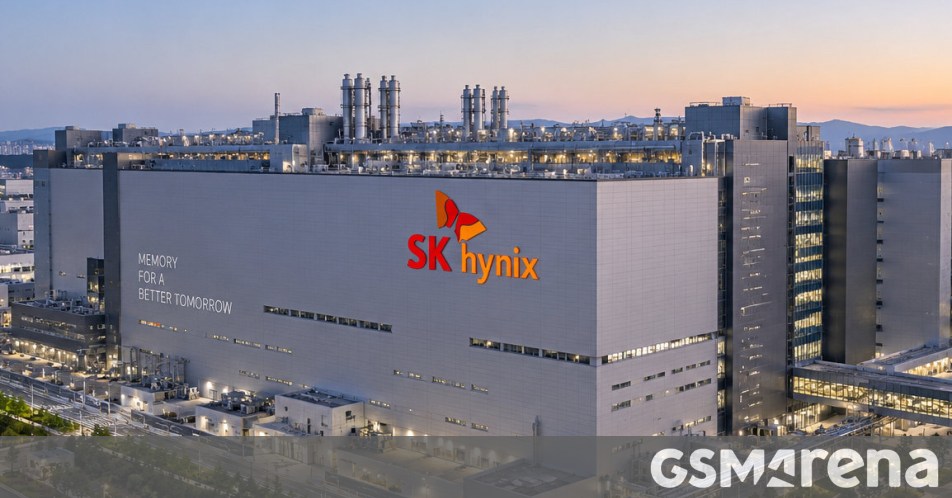
SK Hynix has been under consistent pressure to diversify its manufacturing base to satisfy this demand. In July, SK Group Chairman Chey Tae-won signaled a willingness to expand into the U.S., stating that the company needed to build a factory in America to stay competitive and meet client expectations. This sentiment is echoed by the United States government, which is actively seeking to "onshore" the production of critical semiconductors to mitigate the risks of geopolitical instability in East Asia.
The threat of protectionist trade measures has added another layer of urgency. U.S. Commerce Secretary Howard Lutnick has recently emphasized the necessity of increased domestic chip production, even suggesting the potential for significant tariffs on companies that do not commit to expanding their U.S. manufacturing presence. For a company like SK Hynix, a partnership with a domestic champion like Intel could serve as a "golden ticket," allowing them to bypass potential trade barriers while simultaneously embedding themselves into the U.S. technology ecosystem.
The Domestic Balancing Act
Despite the allure of the American market, SK Hynix faces intense pressure from the South Korean government to maintain its focus on the domestic semiconductor "megaclusters." Last month, the company announced a monumental $38 billion investment aimed at constructing new DRAM and NAND fabrication facilities in the southwestern region of Korea.
This domestic commitment is essential for maintaining South Korea’s status as a global hub for semiconductor manufacturing. Policymakers are concerned that an aggressive expansion into the U.S. could lead to a "hollowing out" of the Korean semiconductor ecosystem. Consequently, SK Hynix must perform a delicate balancing act: satisfying U.S. customer demands and regulatory requirements while ensuring that its home-country investments remain robust enough to appease domestic stakeholders and government authorities.
Analysis of Implications
The exploratory nature of these talks means that a definitive outcome remains elusive. SK Hynix has issued a measured statement, noting that while it is "reviewing various measures" to enhance its competitiveness, no concrete decisions have been finalized. Intel, for its part, has declined to comment on the speculation, choosing instead to focus on its ongoing commitment to the Ohio project.
From a strategic perspective, the implications of such a deal are profound:
- Supply Chain Resilience: For cloud firms and AI developers, having SK Hynix memory produced on U.S. soil would significantly reduce supply chain lead times and mitigate risks associated with cross-Pacific logistics and regional instability.
- Intel’s Recovery: For Intel, integrating a world-class memory partner into its facilities would provide a crucial revenue stream and technical synergy, helping to validate its foundry business model during a turbulent transition period.
- The High Cost of Onshoring: Manufacturing in the U.S. is significantly more expensive than in South Korea due to labor costs, regulatory compliance, and infrastructure overhead. The success of any joint venture would depend heavily on the ability of the partners to secure government subsidies, such as those available under the U.S. CHIPS and Science Act, to offset these premiums.
- Technological Sovereignty: The outcome of the South Korean government’s potential review will set a precedent for how the country handles its most valuable technological assets. It will serve as a bellwether for the future of international cooperation in the semiconductor sector.
As the industry watches the developments between Santa Clara and Icheon, one thing remains clear: the traditional model of concentrated semiconductor manufacturing is being rewritten. Whether through this specific partnership or others, the shift toward a more geographically distributed, locally-integrated manufacturing network is no longer a matter of "if," but a matter of "how." The coming months will likely see further negotiations, as both companies weigh the economic benefits of a U.S. partnership against the logistical, regulatory, and political costs of shifting their industrial footprint.