The digital landscape is currently saturated with an unprecedented volume of content, forcing modern publishers and bloggers to compete for the dwindling attention spans of global internet users. Research from the Nielsen Norman Group suggests that the average user spends less than 15 seconds on a webpage before deciding whether to stay or navigate away. Consequently, the opening sentence of a digital article has transitioned from a mere stylistic preference to a critical component of content strategy, serving as the primary barrier between a bounce and a successful engagement.
The Anatomy of Reader Retention
The mechanics of audience retention are rooted in the "inverted pyramid" style of journalism, traditionally used to prioritize the most important information. However, in the age of social media and rapid-fire content consumption, the inverted pyramid has evolved. Today, the opening line—often referred to as the "lede"—must perform a dual function: it must signal the value proposition of the content while establishing a psychological connection with the reader.
Data analytics from major content management platforms indicate that articles with high-engagement openings see a 30% increase in average time-on-page metrics. This phenomenon is largely attributed to the "Zeigarnik effect," a psychological principle where individuals remember uncompleted or interrupted tasks better than completed ones. By posing an intriguing premise in the first sentence, an author creates a "gap" in the reader’s knowledge, which the reader then seeks to close by continuing through the article.
Strategies for Crafting High-Impact Openers
Professional communicators and content strategists have identified 11 distinct methodologies to optimize the initial contact point between a writer and an audience. These strategies are not mutually exclusive but serve as a toolkit for tailoring content to specific demographics.
1. The Needs-Based Approach
Identifying a specific problem or pain point in the first sentence immediately establishes the article’s utility. By articulating a challenge the reader is currently facing, the writer validates the reader’s presence. This technique relies on the "problem-solution" framework, which is a staple of effective technical and advisory writing.
2. The Binary-Choice Question
The use of a "yes" question at the start of a piece serves as a psychological priming technique. When a reader answers "yes" to a question such as, "Do you feel overwhelmed by your daily inbox?" they are essentially self-identifying as a member of the target audience. This creates a subtle agreement between the reader and the content provider, increasing the likelihood of further engagement.
3. The Intriguing Revelation
Curiosity is a primary driver of human behavior. Openers that promise a revelation—such as, "The secret to doubling productivity lies in a simple habit you likely already possess"—leverage the human desire for information acquisition. This approach is highly effective in investigative journalism and long-form editorial content.
4. The Anecdotal Hook
Humanizing content through storytelling remains one of the most reliable ways to sustain interest. Anecdotes, even those that seem tangential initially, provide a narrative anchor. For instance, recounting a brief, unexpected personal experience can disrupt the reader’s habitual browsing rhythm, compelling them to pause and process the information more deeply.
5. The Analogy or Metaphor
Complex topics often require a bridge to make them accessible. An opening analogy provides a conceptual framework that makes abstract ideas tangible. By comparing an unfamiliar process to a familiar one, writers can lower the cognitive load required for the reader to understand the article’s core premise.
6. The Authoritative Claim
In an era of information overload, readers gravitate toward expertise. A bold, evidence-backed claim acts as a declaration of authority. When an article opens with a strong assertion, it sets a professional tone and establishes the writer as a subject matter expert, provided the claim is subsequently substantiated with data or logical reasoning.
7. The Provocative Statement
Stirring controversy or challenging the status quo is a high-risk, high-reward strategy. By questioning widely held beliefs or critiquing established practices, writers can generate immediate interest. However, this must be managed with journalistic integrity to avoid being labeled as inflammatory or misleading.
8. The Sensory Visualization
Psychological research into neuro-linguistic programming suggests that language capable of triggering sensory recall is significantly more memorable. By asking readers to imagine a specific scenario, writers can tap into the reader’s emotional state, making the subsequent arguments more persuasive.
9. The Statistical Impact
Statistics serve as an objective anchor for any argument. Leading with a startling, verified data point—such as, "75% of startups fail within their first five years"—instantly creates a sense of urgency and significance. This method is particularly effective for analytical reports and trend-based journalism.
10. The Quotation of Authority
Using a quote from a recognized figure or a historical authority provides immediate credibility. This technique is often used to frame a debate or to provide a thematic foundation for the article, allowing the writer to build their narrative upon established intellectual territory.
11. The Visual Integration
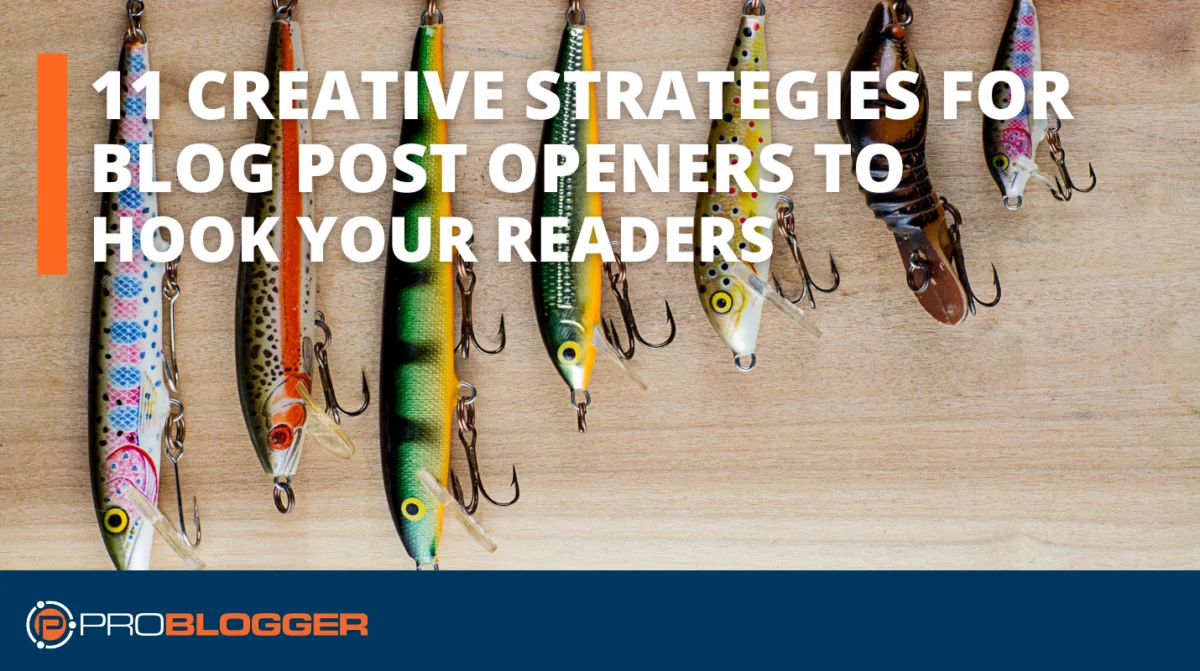
In a multimedia environment, the "opening" is not strictly textual. A high-quality, relevant image or infographic placed at the top of an article can increase engagement by up to 90% compared to text-only headers. The visual serves as an immediate, non-verbal hook that complements the textual introduction.
Chronology and Implementation
The implementation of these strategies requires careful planning during the editorial process. In a professional newsroom, the drafting of the "lede" typically follows the finalization of the headline and the core thesis. A common timeline for high-quality content production involves:
- Phase 1 (Research): Defining the target audience and the specific problem to be solved.
- Phase 2 (Drafting): Selecting the most appropriate opening strategy based on the tone of the publication.
- Phase 3 (Review): A/B testing variations of opening lines to determine which yields the highest "scroll depth."
- Phase 4 (Refinement): Ensuring the transition from the opening line to the body of the article is seamless.
Broader Implications and Industry Impact
The necessity for compelling openings has fundamentally changed how content is curated and distributed. Media outlets are increasingly investing in data analytics tools that track where readers drop off within an article. This granular data shows that the "abandonment rate" is highest within the first 50 words.
Consequently, digital publications are shifting toward shorter, more direct sentences and avoiding "fluff" or overly formal preambles that do not immediately add value to the reader. This trend is not merely about brevity; it is about respecting the reader’s time and establishing a clear value proposition as quickly as possible.
The long-term implication for the publishing industry is a move toward more "audience-centric" writing. Writers who fail to prioritize the reader’s curiosity and immediate needs are finding it increasingly difficult to compete in the attention economy. As algorithms continue to prioritize dwell time and engagement, the ability to craft a powerful opening line will remain a foundational skill for any successful communicator, whether they are writing for a niche blog or a global news syndicate. Ultimately, the opening line is the handshake that determines if the relationship between the reader and the publication will continue or conclude.