The power tool industry is currently defined by a competitive landscape where brand loyalty is increasingly driven by performance, durability, and the seamless integration of battery ecosystems. Within this sector, Ridgid—a brand synonymous with professional-grade plumbing tools—has successfully pivoted its 18V cordless platform to become a cornerstone of both residential DIY projects and light commercial contracting. By leveraging an exclusive retail partnership with The Home Depot, alongside strategic online availability through secondary channels like Direct Tools Factory Outlet and Amazon, the brand has cultivated a robust database of consumer feedback. Analysis of recent retail data indicates that specific models within the 18V brushless lineup have achieved exceptionally high user satisfaction, often securing hundreds, if not thousands, of five-star reviews.
The Evolution of the Ridgid 18V Ecosystem
Ridgid’s trajectory in the power tool market is a study in focused product development. While competitors such as Milwaukee (owned by Techtronic Industries) and Ryobi (also under TTI) capture significant market segments through aggressive expansion and specialized sub-brands, Ridgid has maintained a reputation for "middle-ground" reliability. The brand’s 18V line represents a commitment to brushless motor technology, which has significantly improved the power-to-weight ratio of their tools.
The strategy of keeping Ridgid physically localized to The Home Depot stores has allowed for a streamlined supply chain and a unified customer service experience. However, the rise of e-commerce has forced the brand to adapt. The digital presence of these tools now serves as a live testing ground for product efficacy. When a tool garners over 1,000 positive reviews, it serves as a form of social proof that validates engineering choices, such as torque management in impact wrenches or oscillation control in multi-tools.
Top-Rated 18V Tools: Performance Metrics
The success of Ridgid’s 18V line can be quantified by examining the technical specifications and user responses of their most highly-rated units.
The 18V 1/2-inch High-Torque Impact Wrench
The R86212B brushless impact wrench is arguably the flagship of the current high-performance segment. Retailing at $249.00, this tool is designed for heavy-duty fastening and breakaway tasks. Technical documentation highlights its 1,300 foot-pounds of breakaway torque and 900 foot-pounds of fastening torque. From a mechanical standpoint, this places the tool in a category that competes with pneumatic alternatives, offering a significant advantage in mobility for automotive and construction professionals. With over 800 reviews on the primary retail portal and a vast majority holding five stars, the consensus suggests that the weight—approximately 5.72 pounds—is viewed by professionals as an indicator of internal component robustness rather than an ergonomic failure.
The 18V Brushless Oscillating Multi-Tool
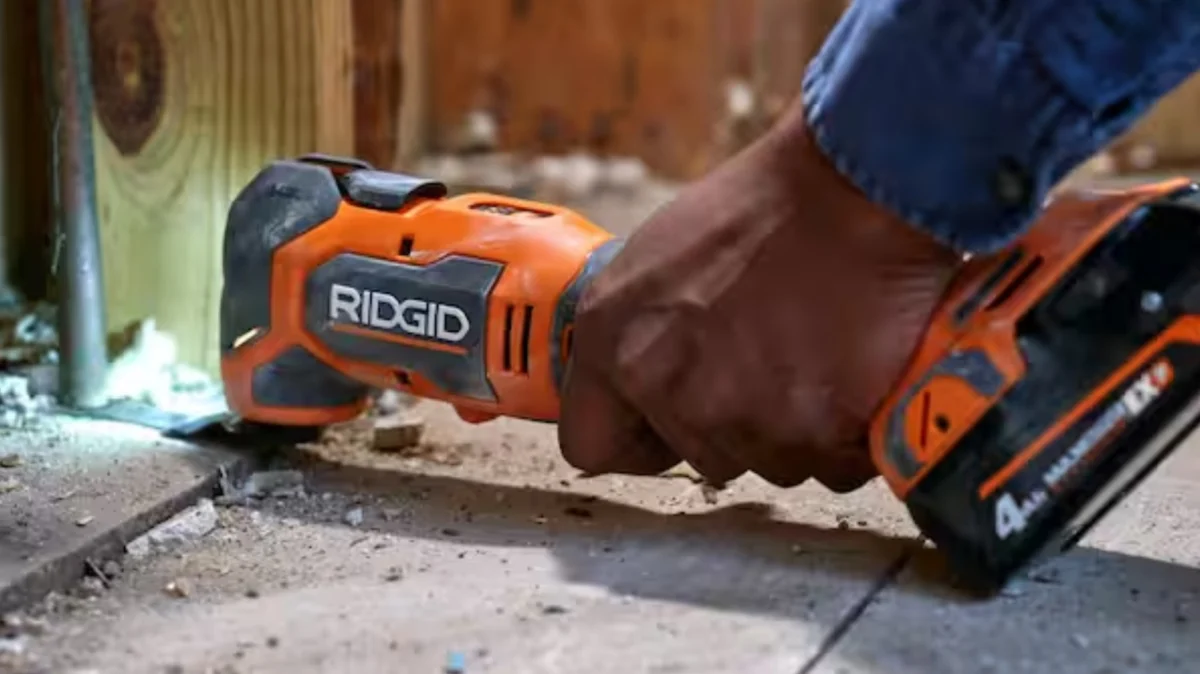
Versatility remains the primary driver of the oscillating multi-tool’s success. The R86242B model, priced at $149.00, has become a staple for remodelers. Its engineering allows for 20,000 oscillations per minute (OPM). User feedback consistently emphasizes the low vibration levels, a critical factor for precision work in tight spaces. The inclusion of a variable-speed trigger is a significant design choice, allowing the operator to adjust the intensity of the cut based on the material density—whether it be wood, metal, or drywall.
The 18V Brushless 3/8-inch Ratchet
In the automotive repair sector, the transition from manual ratchets to cordless power tools has been rapid. The R866011B, priced at approximately $189.00, offers 55 foot-pounds of torque and a 250 RPM speed. Data suggests that the primary appeal of this tool is its ability to operate in confined engine bays where a full-sized impact wrench would be too bulky. The high rating frequency here suggests that users find the noise-to-performance ratio favorable, further establishing Ridgid’s presence in mechanical environments.
The Rise of Subcompact Power
A significant trend in modern power tool design is the "subcompact" movement—reducing the footprint of the tool without sacrificing the brushless performance required for professional work. The R87547B 3-inch multi-material saw is a prime example. Despite its non-traditional design, which mimics a scaled-down circular saw, it has achieved over 1,000 reviews, with more than 65% being perfect scores. Analysis of this tool suggests that it bridges the gap between a dremel-style rotary tool and a full-size circular saw. It is highly valued for clean cuts in lumber and tile, though user reports indicate a requirement for integrated dust management, such as a shop vacuum, due to the high volume of particulate matter generated during use.
Portable Inflation: The Utility Segment
Beyond core construction tools, the 18V digital inflator (R87044) has emerged as a high-volume product with over 3,200 reviews. This is an indicator of the brand’s success in moving into "utility" and emergency preparedness categories. The integration of an automatic shut-off feature and a clear digital interface mitigates user error, which is a common complaint in manual or lower-end pneumatic inflators. At a price point of $178.00, including a 2.0 Ah battery, it serves as a entry-level purchase that often introduces new customers to the wider Ridgid 18V ecosystem.
Analysis of Implications for the Power Tool Industry
The data surrounding these tools reveals three broader implications for the power tool industry:
- The Shift Toward "Tool-Only" Purchasing: The prevalence of "Tool-Only" (or "bare tool") options in the top-rated categories signifies that many consumers are already invested in the 18V battery platform. They no longer require the charger or battery kit, preferring to expand their collection with specialized units. This indicates a high level of brand stickiness; once a user has invested in the battery architecture, the switching cost to a competitor becomes prohibitively high.
- Brushless Dominance: Across all five identified tools, the brushless motor is a common denominator. This technology is no longer a luxury but a baseline expectation for high-rated products. Brushless motors offer longer lifespans, better cooling, and improved efficiency, all of which are reflected in the longevity of the tools as reported in long-term consumer reviews.
- The Role of Digital Feedback Loops: Manufacturers are increasingly relying on the digital feedback provided on major retail platforms to refine their iterations. The specific mention of "weight," "noise levels," and "speed modes" in reviews shows that consumers are becoming more sophisticated, forcing brands like Ridgid to prioritize ergonomic data as much as raw power specs.
Conclusion: Future Outlook for Ridgid
As Ridgid continues to refine its 18V lineup, the brand faces the dual challenge of maintaining compatibility with its existing battery base while innovating to stay ahead of the rapid advancements made by industry rivals. The current success of these tools suggests that Ridgid has successfully identified a sweet spot: tools that offer enough professional-grade power for the trade contractor while remaining accessible enough for the serious DIY enthusiast.
Moving forward, the industry is likely to see further integration of "smart" technology—such as Bluetooth connectivity for inventory tracking and performance diagnostics—within these tools. As long as Ridgid maintains its current trajectory of high-reliability, brushless-focused engineering, the brand is positioned to remain a dominant force within the hardware retail landscape. The consistently high ratings provided by thousands of users act as a significant barrier to entry for competitors, as prospective buyers look to the existing consensus of their peers before making their next investment in power equipment. Whether for the professional garage or the home workshop, the current 18V lineup provides a template for how a legacy brand can effectively leverage digital reputation to maintain market relevance.