Artificial intelligence has officially graduated from a speculative technological novelty to a core operational pillar for modern marketing organizations. While boardroom discussions and industry conferences spent the early 2020s saturated with speculative hype about generative systems replacing human creativity entirely, the current operational landscape tells a distinctly different story. Enterprise brands across consumer goods, wellness, sports entertainment, and fast-casual dining are deploying highly specialized AI architectures to solve specific, historically resource-heavy bottlenecks: content production velocity, hyper-personalization, massive-scale social listening, streamlined customer service, and real-time campaign optimization.

According to recent data compiled by industry analysts, approximately 80% of marketing professionals now incorporate some form of artificial intelligence into their content creation pipelines. However, the most successful enterprise implementations demonstrate that AI functions best not as an unsupervised autonomous engine, but as an advanced cognitive assistant working in strict alignment with human strategic oversight, rigorous brand guidelines, and established quality control workflows.
Scaling Content Production Without Flattening Brand Identity

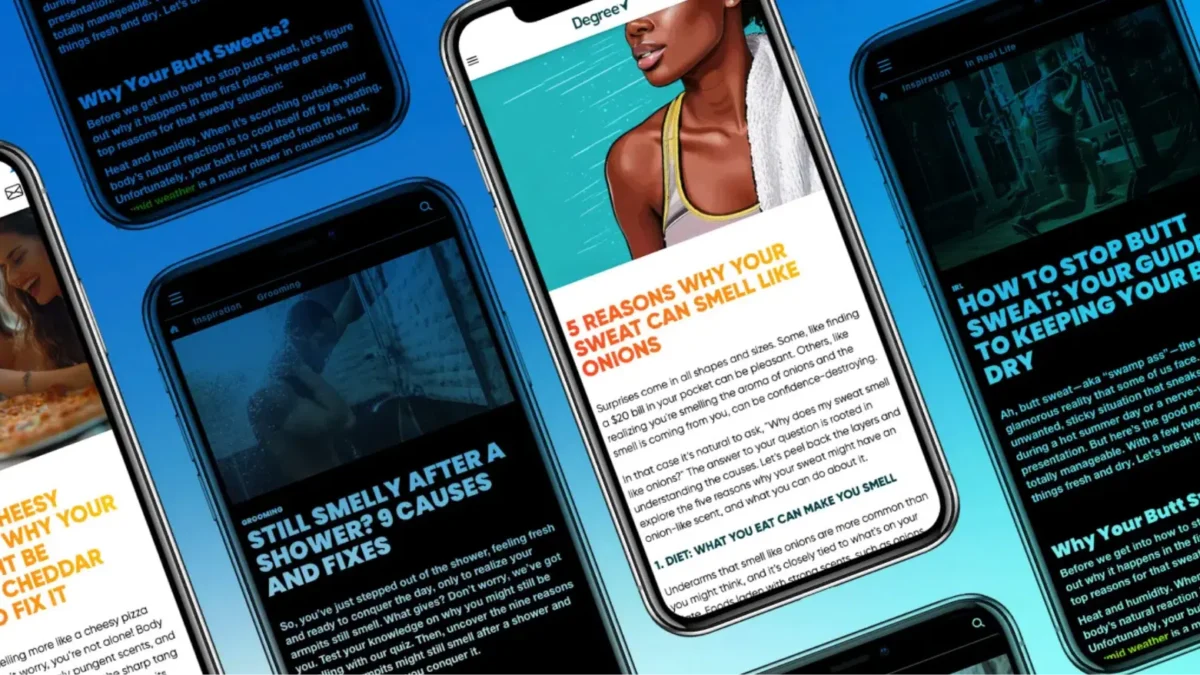
One of the most immediate and widespread applications of marketing AI is the acceleration of content generation. Traditional content creation models often buckle under the sheer volume required by modern multi-channel digital ecosystems. Global consumer goods conglomerate Unilever recently confronted this exact challenge while seeking to expand the digital footprint for two of its prominent personal care and deodorant brands, AXE and Degree.
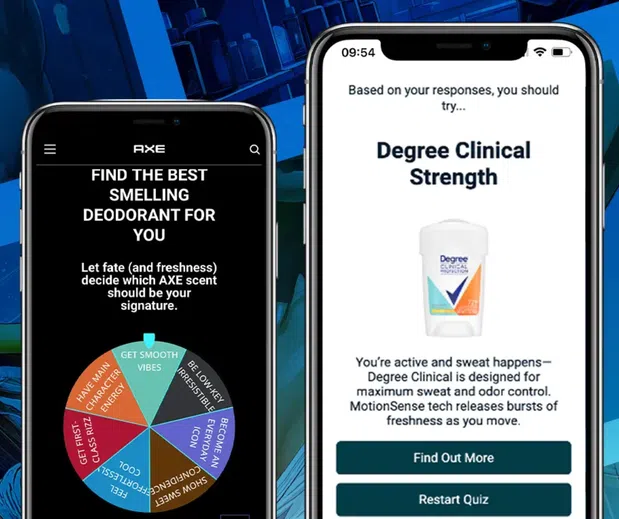
To address the immense demand for educational and consumer-centric content without overworking internal marketing personnel, Unilever engineered a proprietary AI tool tailored specifically to the unique linguistic profile and brand voice of each product line. This bespoke system generated 162 distinct pages of targeted educational assets—ranging from deep dives into physiological topics like underarm perspiration to interactive quizzes, comprehensive infographics, and revamped frequently-asked-questions sections.
The quantitative return on this AI-augmented strategy was substantial. By scaling its output intelligently, Degree secured a dominant 37% share of voice within AI-driven search overviews for the United States deodorant sector, while simultaneously accelerating its overall content production lifecycle by a factor of three. Industry analysts note that the success of Unilever’s campaign underscores a critical lesson for contemporary strategists: generative AI can exponentially scale creative output, but it requires a rigorously defined foundational brand voice to prevent the final product from dissolving into generic, uninspired prose.
Precision Personalization and Cross-Channel Segmentation

Beyond static copywriting, brands are increasingly utilizing artificial intelligence to execute personalization at a scale previously unattainable through manual segmentation. Digital media consumption habits have trained consumers to expect hyper-targeted experiences from algorithmic content feeds. Consequently, static, one-size-fits-all advertising campaigns increasingly fail to capture consumer attention.
Mindfulness and mental wellness platform Headspace recently demonstrated the power of dynamic creative optimization during a seasonal marketing push addressing holiday stress. Recognizing that seasonal anxiety manifests differently across demographics—posing as final examinations for college students versus overbooked professional schedules for working adults—Headspace leveraged advanced machine learning tools to diversify its campaign assets.
Utilizing automated optimization frameworks like Meta’s Advantage+, the brand generated 460 unique creative variations spanning 20 distinct use cases in under two weeks. The underlying AI engine matched each specific creative asset to the audience micro-segment most likely to resonate with that precise emotional trigger. This automated personalization reduced overall production time by 67% while driving a 13% increase in mobile application sign-ups.
Streamlining Customer Care and Managing High-Volume Inquiries

Customer support operations represent another primary arena where artificial intelligence has delivered measurable efficiency gains. High-visibility public institutions and high-volume consumer brands routinely face staggering influxes of inquiries that threaten to overwhelm human support staff.
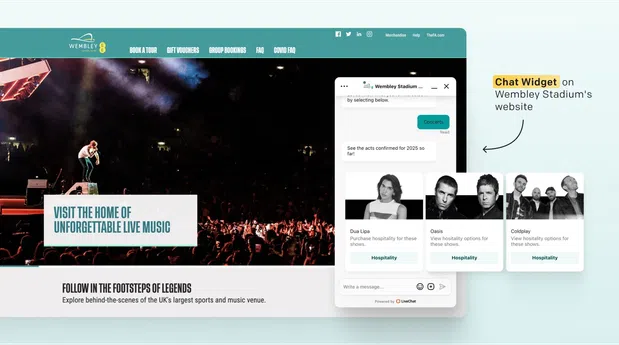
Wembley Stadium, one of the world’s premier sports and entertainment venues, historically managed up to 8,000 customer inquiries daily during peak event periods. To mitigate support queue congestion and alleviate staff burnout, the venue integrated a specialized AI chatbot trained explicitly on event-specific logistics, ticketing data, and venue policies. The conversational agent successfully manages approximately 12,000 customer interactions per month, providing instantaneous resolutions to routine inquiries while simultaneously qualifying prospective buyers interested in premium membership packages before routing them to human sales representatives.
This operational integration aligns with broader empirical research regarding human-AI collaboration in customer service. A comprehensive multi-year study conducted by researchers at Harvard Business School, which analyzed online chat interactions between a major meal delivery enterprise and its consumer base, revealed that human customer service agents aided by generative AI tools resolved inquiries roughly 20% faster than those operating entirely unaided.
Enhancing Influencer Partnerships and Social Listening

The strategic deployment of artificial intelligence extends deeply into partnership curation and market research. When Kraft Heinz launched its expanded plant-based product portfolio, the enterprise faced a bifurcated target audience: dedicated consumers actively seeking plant-based alternatives versus mainstream buyers primarily motivated by familiar comfort food flavors.
Rather than relying on broad demographic assumptions, Kraft utilized AI-driven audience segmentation algorithms to isolate these distinct behavioral groups. The analytical insights enabled the brand to precisely identify and partner with online creators whose established audience demographics aligned seamlessly with each specific consumer subset. The resulting targeted campaign successfully engaged 15 creators across 26 distinct content pieces, accumulating over 2.4 million verified views and demonstrating how machine learning can remove guesswork from influencer marketing allocation.
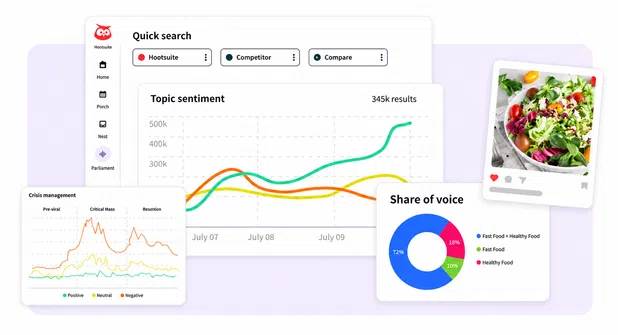
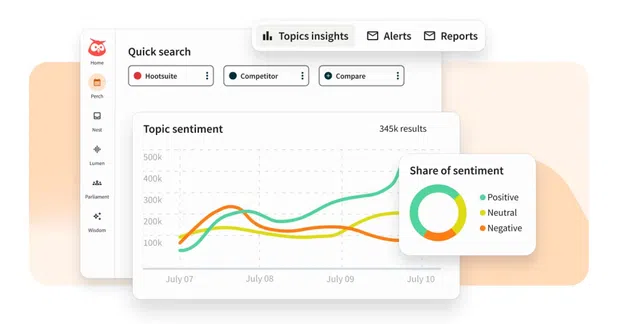
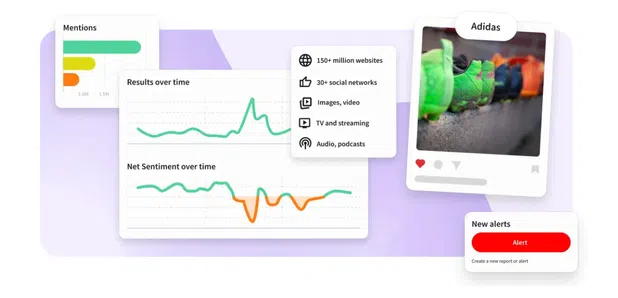
Similarly, global athletic footwear and apparel manufacturer Reebok sought to gain granular insight into how consumers discussed its brand within the highly competitive CrossFit community compared to market rivals. Through digital marketing agency Novicell, Reebok deployed advanced social listening software powered by natural language processing to analyze over 14,000 individual online conversations originating from nearly 5,000 unique users. The AI-driven sentiment analysis and trend-tracking framework surfaced more than 25 actionable strategic opportunities, enabling the brand to refine its market positioning and identify emerging commercial avenues based on unfiltered consumer discourse.
Real-Time Campaign Optimization and Performance Tuning

In the realm of paid media, traditional post-campaign reporting frequently leaves marketing teams with retrospective analytics—documentation detailing what went wrong or right after financial capital has already been fully expended. Fast-casual dining brand Popeyes UK altered this reactive paradigm by integrating predictive AI optimization into its digital advertising strategy.
Instead of maintaining a static bidding and placement structure from the inception of an ad buy to its conclusion, Popeyes utilized machine learning models to dynamically evaluate real-time performance metrics. The algorithm continuously adjusted audience targeting parameters and financial bidding weights based on live conversion data while the campaign was actively running. This continuous, automated refinement yielded 22 million impressions, generated 45,000 direct conversions, and produced a remarkable 678% increase in return on ad spend (ROAS).

Industry Risks, Pitfalls, and the Human Element
Despite clear operational advantages, industry experts caution that unchecked reliance on artificial intelligence carries significant strategic hazards. Maria LaMagna Morales, founder of Press Publish Studio, highlights three primary risks facing modern marketing teams: the erosion of creative unpredictability, the gradual dilution of authentic brand voice, and the over-automation of visual and conceptual assets.

According to Morales, artificial intelligence models are inherently designed to calculate and produce the most statistically probable subsequent word, sentence, or visual composition. Consequently, AI outputs tend toward the rational and predictable. However, in digital marketing environments characterized by rapid scrolling behaviors on short-form video platforms like TikTok and Instagram Reels, unexpected creative anomalies—often described by creators as deliberate "weirdness" or strategic disruption—are frequently what successfully arrest user attention.
Furthermore, iterative prompts requesting AI to make copy "more professional" or "more concise" often strip away the natural conversational imperfections, colloquialisms, and distinct idiosyncrasies that make human communication compelling. Morales advises marketers to embrace natural phrasing rather than sterile corporate streamlining, noting that authentic human resonance consistently outperforms hyper-polished homogenization.
A similar dynamic is currently unfolding within visual asset creation. While generative imagery tools initially captivated the industry with their rapid generation speeds, consumer fatigue regarding synthetic visuals has driven a renewed market appreciation for authentic photography, raw texture, and genuine human representation. The strategic consensus among leading agencies is that AI should be deployed to manage repetitive administrative tasks, structural data analysis, and initial drafting phases, while strategic vision, creative disruption, and emotional resonance remain firmly under human stewardship.
Integrated Ecosystems: The Future of Enterprise Marketing Tools
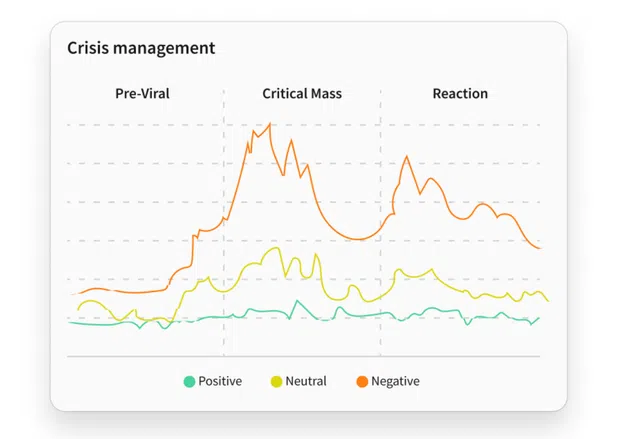
As enterprise software adapts to these evolving requirements, major industry platforms are consolidating AI functionalities directly into day-to-day workflow environments. Social media management and analytics provider Hootsuite has integrated specialized artificial intelligence agents—such as Wisdom for natural-language data querying and strategic recommendations, Perch for cross-channel content creation and scheduling, and Lumen for large-scale social listening and sentiment analysis—directly into its core operational dashboard.
These integrated systems are designed to bridge the traditional gap between analytical insight and practical execution. By allowing marketing teams to query massive social datasets in plain language, automatically surface emerging industry sentiment shifts across millions of online sources, and rapidly translate those insights into compliant, on-brand content initiatives, platforms like these illustrate the practical future of marketing technology: an ecosystem where human strategic judgment is amplified, accelerated, and secured by intelligent automation.