The Technical Evidence and FCC Documentation
The FCC filing, processed earlier today, confirms that the G8BL6 hardware is manufactured by Goertek, a prominent electronics contract manufacturer that has deep historical ties to Google, particularly in the production of various Pixel Buds iterations. The nomenclature used in the filing follows the standardized, alphanumeric identification pattern that Google employs for its first-party hardware releases, further validating the assumption that this is a premium, Google-branded product rather than a third-party white-label device.
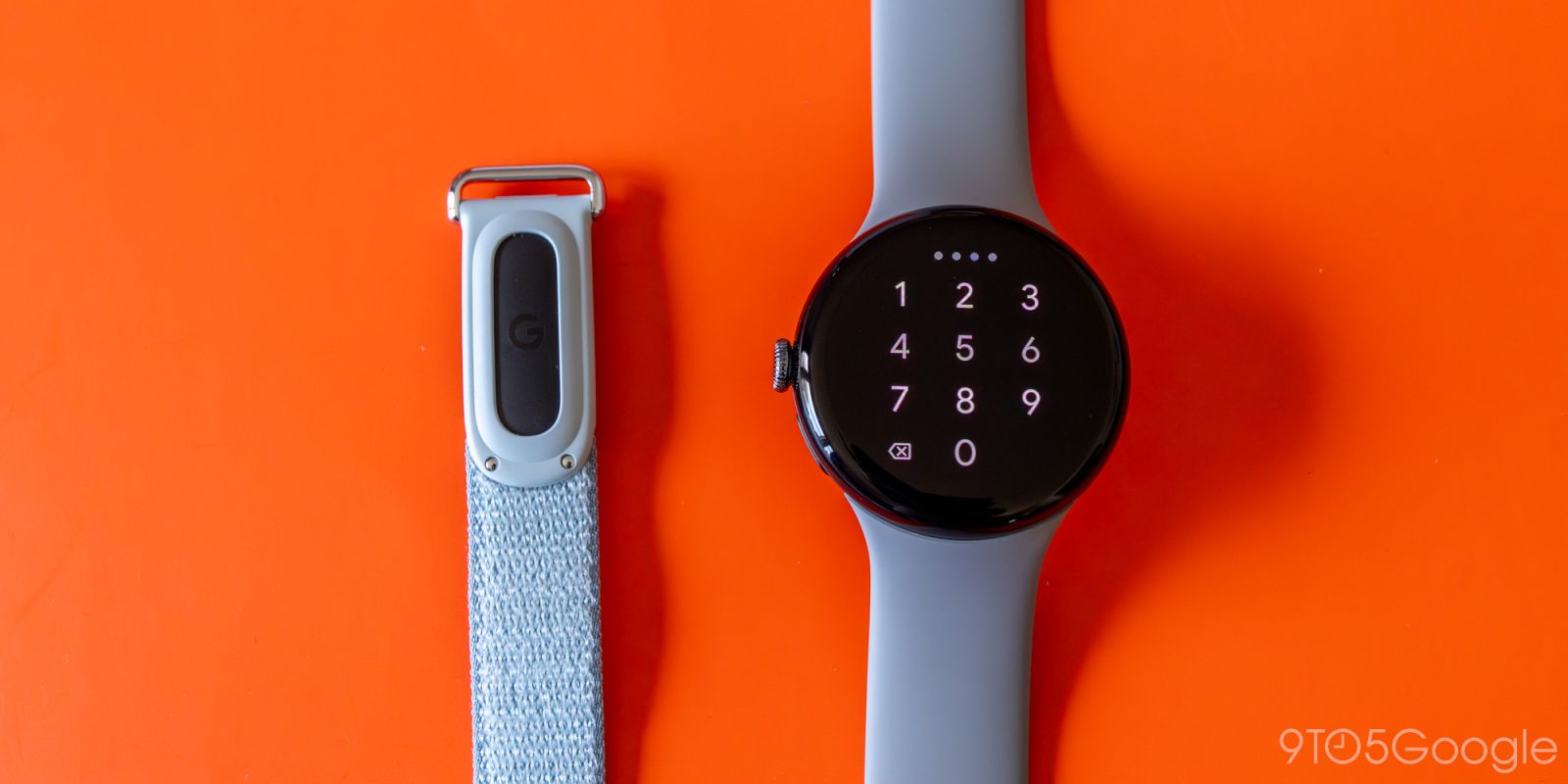
Of particular interest to analysts is the device’s e-label configuration. According to the regulatory documents, users will be able to access the device’s regulatory information by navigating through the Settings menu to System, and subsequently to Regulatory Information. This pathway is identical to the user interface found on the current-generation Pixel Watch, which runs Wear OS. Furthermore, the testing documentation explicitly mentions the use of the Android Debug Bridge (ADB), a tool primarily used by developers to communicate with and debug Android-based devices. The inclusion of ADB in the testing environment is a strong technical indicator that the device is running a full version of Wear OS, rather than the stripped-down, proprietary firmware typically found on older Fitbit trackers.
Regarding connectivity, the device includes Bluetooth LE (Low Energy) and GNSS (Global Navigation Satellite System), the latter providing integrated GPS capabilities for accurate fitness tracking. The documentation also notes the use of a "Metal frame Antenna" for its wireless communications. Curiously, the filing makes no mention of Wi-Fi support. While this omission might seem like a limitation, it suggests a deliberate design choice aimed at prioritizing battery life—a notoriously difficult challenge for compact wearables running a feature-rich operating system.

A History of the Pixel and Fitbit Convergence
The emergence of this device does not occur in a vacuum; it is the latest chapter in a long-running narrative of integration between Google and Fitbit. When Google finalized its $2.1 billion acquisition of Fitbit in early 2021, the industry anticipated a gradual blending of Fitbit’s health-tracking prowess with Google’s software ecosystem.
For years, the Fitbit Charge series has served as the gold standard for mid-range fitness trackers. The Fitbit Charge 6, released in late 2023, remains a popular choice for consumers who prefer the discrete, vertical profile of a tracker over the bulkier, watch-like aesthetics of the Pixel Watch. However, the market has seen a steady decline in the differentiation between "smartbands" and "smartwatches." As consumers demand more functionality—such as contactless payments, on-wrist navigation, and robust app support—the limitations of proprietary fitness-tracker operating systems have become increasingly apparent.

The G8BL6 appears to be the direct successor to this lineage. Its existence was hinted at earlier this summer, when an unidentified tracker appeared in promotional material for the Pixel 11. In that footage, the device displayed a vertical, pill-shaped screen featuring familiar Wear OS watch faces, complete with the standard complications for tracking steps, heart rate, and active zone minutes. This visual confirmation aligns with the new FCC data, suggesting that Google is ready to bridge the gap between its high-end Pixel Watch and its legacy fitness trackers.
Strategic Implications and Market Context
The potential shift to Wear OS for a fitness tracker is a bold strategic move. Historically, Wear OS has been criticized for being power-hungry, often requiring daily charging. By forcing the platform into a smaller chassis with a smaller battery, Google is betting that recent advancements in chip efficiency and software optimization can mitigate these concerns.

If the G8BL6 succeeds in maintaining multi-day battery life while offering the rich app ecosystem of Wear OS, it could effectively render the distinction between fitness bands and smartwatches obsolete. This would provide Google with a comprehensive tiered product strategy: the Pixel Watch as the premium flagship for communication and productivity, and the new Wear OS tracker as the performance-focused wearable for health enthusiasts.
Industry analysts suggest that this move is also a defensive measure against competitors like Garmin and Samsung, both of which have been aggressively capturing the "hybrid" market—users who want the data depth of a fitness tracker but the intelligence of a smartwatch. By unifying its wearables under the Wear OS umbrella, Google simplifies its developer ecosystem, ensuring that fitness apps created for the Pixel Watch will be natively compatible with this new tracker.

The Path Forward: What to Expect
While the FCC filing provides technical validation, it does not confirm a release date. However, given that the device has passed the final stages of regulatory certification, a launch in the coming months is highly probable. The timing suggests the product may be positioned for an early 2027 market entry, potentially alongside a mid-cycle refresh of the Pixel hardware lineup.
The pricing strategy will be the next major question for consumers. The current Fitbit Charge line is positioned at a $160 price point. Upgrading to a full Wear OS device with a high-resolution display and advanced sensors will likely force a price hike. If Google chooses to keep this device within the $150–$200 range, it would represent a significant value proposition that could disrupt the wearable market significantly.

Ultimately, the G8BL6 represents the "final phase" of the Fitbit integration. By absorbing the last remaining silo of Fitbit’s proprietary tech into the Android ecosystem, Google is signaling that it is no longer interested in maintaining a separate path for its health devices. Whether the consumer base, accustomed to the simplicity and longevity of the original Fitbit trackers, will embrace a more complex, power-hungry Wear OS device remains the primary uncertainty.
For now, the regulatory filings provide a clear window into the future of Google’s wearable hardware. As the company moves to unify its software and hardware design languages, the G8BL6 stands as a testament to the ongoing evolution of the fitness tracker from a simple step-counter into a comprehensive, wrist-worn computing platform. Developers, competitors, and consumers alike will be watching closely as Google prepares to pull the curtain back on this new category-blurring device.