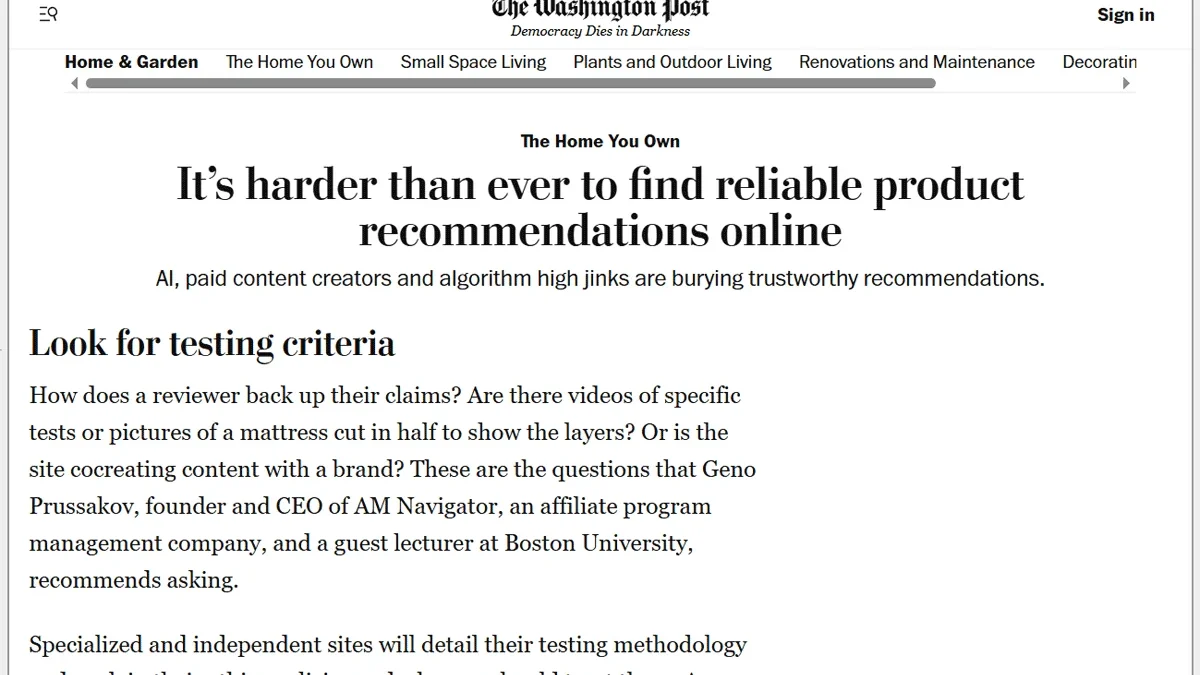
The intersection of digital journalism and affiliate marketing has fundamentally transformed how consumers discover, evaluate, and purchase products online. Earlier this year, leading national publications, including The Washington Post, turned their analytical lens toward a burgeoning industry practice: the widespread publication of online product recommendation lists and curated shopping roundups by legacy media organizations. While these comprehensive guides offer undeniable convenience for time-pressed shoppers, they also introduce complex questions regarding editorial integrity, commercial partnerships, and the monetization of search engine authority.
To understand how modern media monetization operates, one must examine the evolution of digital publishing over the past two decades. As traditional print advertising revenues plummeted with the migration of audiences to the internet, publishers sought alternative revenue streams to sustain their journalistic operations. Affiliate marketing—a performance-based model where publishers earn a commission when a reader purchases a product through a tracked link—emerged as a lucrative lifeline. Over time, household-name media outlets realized that their hard-earned brand equity and dominant search engine rankings could be leveraged not just to inform the public, but to directly influence consumer spending across virtually every retail category.
The mechanics of search engine authority play a central role in this ecosystem. Major news organizations command immense domain authority, a metric search engines use to determine the credibility and relevance of a website. When a legacy publication publishes an article titled "The Best Mattresses of 2025" or "Top Kitchen Gadgets Tested by Experts," search algorithms frequently propel these guides to the top of search engine results pages. Consequently, millions of consumers seeking unbiased purchasing advice land on pages that are simultaneously serving as editorial content and commercial storefronts. This dual identity has sparked an ongoing debate among consumer advocates, SEO experts, and industry insiders: How can the average buyer distinguish between rigorous, objective journalism and financially motivated product placement?
Behind the Scenes of Media Affiliate Operations
Industry insiders and affiliate management agencies, such as AM Navigator, which work directly with major media publishers on behalf of merchants, emphasize that the integration of commerce and content is rarely treated as a casual endeavor. Contrary to the assumption that recommendation lists are slapped together overnight for a quick commission, most reputable media organizations maintain rigorous internal protocols before endorsing any product or partnering with a brand.
First, publishers typically establish dedicated commerce teams operating under specific editorial guidelines. These teams often function independently from traditional newsrooms, employing dedicated product reviewers, testers, and researchers whose primary key performance indicators are reader engagement and conversion quality. Second, many top-tier publications invest in physical testing facilities—laboratories where staff can physically unpack, test, stress-test, and compare competing products side-by-side over extended periods. Third, legal and compliance departments scrutinize affiliate partnerships to ensure adherence to regulatory standards, such as the Federal Trade Commission’s mandates regarding clear and conspicuous disclosure of commercial relationships. Finally, data analytics play a significant role; publishers constantly monitor return rates, customer complaints, and reader feedback to ensure that recommended products maintain high satisfaction levels, thereby protecting the publisher’s core brand reputation.
The Anatomy of Influence: Financial Arrangements and Conflicts of Interest
Despite these internal safeguards, the commercial reality of affiliate publishing introduces vulnerabilities that consumers must navigate. Financial incentives inevitably shape the digital media landscape. At times, a product’s prominent ranking on a curated list can be influenced, directly or indirectly, by financial arrangements between the advertiser and the publisher. These arrangements can take several forms, including upfront placement fees for guaranteed visibility, negotiated affiliate commission rates that offer higher payouts for specific brands, or Earnings Per Click (EPC) guarantees that ensure the publisher a minimum return for their traffic.
When a media outlet stands to earn a significantly higher commission promoting Brand A over Brand B, the psychological and institutional pressure to favor Brand A—even subconsciously—is undeniable. Furthermore, the pressure to produce high volumes of commerce content to meet revenue targets can lead to reliance on secondary research, manufacturer-provided product descriptions, and aggregated reviews rather than hands-on testing. This velocity-driven model increases the risk that subpar products may secure coveted spots on recommendation lists simply because their affiliate programs offer more lucrative terms.
Consumer Empowerment: Practical Strategies for Evaluating Online Reviews

Given the complex interplay between editorial trust and commercial incentives, consumers must adopt a discerning approach when consulting online shopping guides. Relying on a single media source for a major purchasing decision is increasingly recognized as an incomplete strategy. Experts recommend a multi-layered verification process to ensure that buying decisions are grounded in objective reality rather than sophisticated marketing copy.
Cross-Referencing Across Multiple Independent Sources
The first line of defense for any consumer is triangulation. Before purchasing a high-ticket item recommended by a major publication, buyers should cross-reference the review with specialized niche authorities, independent user forums, and consumer advocacy databases. If a product is universally praised across disparate platforms with no commercial incentive—such as enthusiast communities, long-term user review sites, and expert engineering blogs—its recommendation carries significantly more weight.
Scrutinizing the Disclosure Statements
Federal regulations require commercial publishers to disclose their affiliate relationships, typically via a brief notice at the beginning or end of an article. Savvy consumers should look closely at these disclosures. While a standard affiliate disclosure does not invalidate a review, understanding that the publisher financially benefits from the transaction provides necessary context for evaluating the enthusiasm of the prose.
Distinguishing Between Tested Claims and Aggregated Roundups
Consumers should differentiate between articles written based on genuine, hands-on product testing and those compiled via desk research. Articles that feature original photography of the reviewers holding or testing the products, detailed descriptions of specific testing methodologies, and nuanced comparisons of flaws and merits are far more reliable than generic lists that merely aggregate manufacturer specifications and existing online ratings.
Evaluating Long-Term User Feedback
Initial product launch reviews often capture a product at its absolute peak performance. To gain a true understanding of durability, customer service, and long-term reliability, buyers should look beyond initial media roundups and examine aggregated user reviews collected over months or years. Pay particular attention to recurring complaints regarding failure rates, warranty claims, and post-purchase support, as these factors are rarely captured in short-term media evaluations.
Broader Industry Implications and Future Outlook
The financial interdependence between big media and e-commerce giants represents a permanent structural shift in digital publishing. As traditional advertising models continue to face headwinds from privacy regulations, ad-blockers, and shifting consumer habits, commerce content has cemented itself as a core pillar of modern media economics.
For publishers, the challenge moving forward lies in protecting their most valuable asset: reader trust. A publication that compromises its editorial integrity for short-term affiliate gains risks alienating its audience permanently, leading to a decline in both traffic and long-term monetization potential. Consequently, industry observers anticipate stricter internal ethical guidelines, greater transparency regarding testing methodologies, and a clearer separation between hard news reporting and commercial recommendation arms.
For merchants and affiliate networks, the landscape demands heightened transparency and fair competition. Brands that succeed in securing authentic placement will be those that invest in genuinely superior products rather than relying solely on aggressive commission structures to buy visibility.
Ultimately, the proliferation of online product roundups offers unprecedented access to information, provided consumers remain aware of the underlying economic machinery. By understanding how big media monetizes authority, recognizing the potential points of financial influence, and employing robust cross-referencing habits, modern shoppers can successfully navigate the digital marketplace to make informed, confident purchasing decisions.