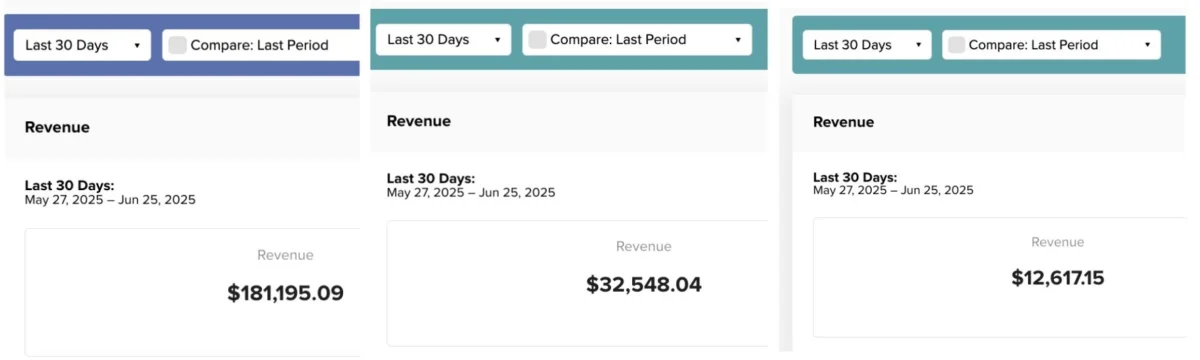
The digital publishing landscape is undergoing a profound structural shift as veteran content creators move away from conventional search engine optimization (SEO) dependency. For over a decade, ranking high on Google’s search engine results pages was considered the singular gateway to digital publishing profitability. However, recent algorithmic volatility and fluctuating search traffic patterns have forced publishers to diversify their audience acquisition and revenue generation models. Industry analysts note that contemporary online entrepreneurs are successfully bypassing traditional organic search channels entirely, instead leveraging a combination of targeted content empires, aggressive email list acquisition, automated social media funnels, and diversified monetization platforms to generate substantial monthly incomes.

This evolution in digital publishing is largely driven by the need for revenue predictability. Traditional SEO models leave website owners vulnerable to sudden core algorithm updates, which can decimate web traffic overnight. In response, successful publishers have spent the past eighteen months testing and refining multi-channel frameworks that prioritize owned media—specifically email subscriber bases—over rented traffic from search engines. By establishing direct lines of communication with their audiences, creators insulate themselves from third-party algorithmic shifts while building sustainable, compounding revenue streams that frequently exceed six figures in monthly net profits.
The modern blueprint for non-SEO digital publishing relies on an interconnected flywheel effect rather than a single traffic source. According to industry case studies, successful multi-domain operators begin by establishing highly valuable, niche-specific content repositories. Rather than publishing superficial blog posts designed solely for keyword stuffing, successful creators focus on developing comprehensive resources that build deep user trust and encourage high retention rates. This foundational content acts as the anchor for all subsequent marketing and monetization efforts.
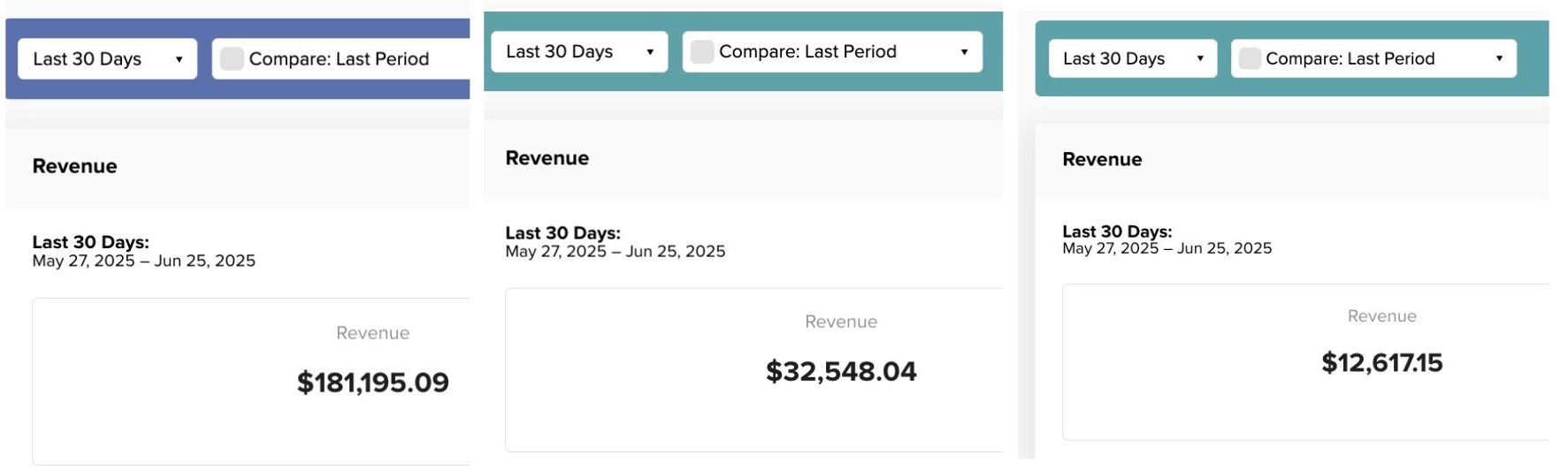
Once high-quality content is established, the critical operational focus shifts to aggressive visitor retention. Industry benchmarks indicate that failing to capture visitor contact information results in the loss of up to 95% of incoming traffic forever. To combat this, publishers integrate robust email service providers, such as Kit, paired with monetization and newsletter-growth platforms like SparkLoop. By deploying strategic lead magnets, content upgrades, and prominent subscription forms across every page, publishers transform casual browsers into long-term subscribers who form an insulated, algorithm-proof asset.
Monetization within this diversified framework extends far beyond traditional display advertising. While premium ad management platforms like Mediavine continue to provide reliable, passive revenue based on raw page views, savvy publishers incorporate comprehensive affiliate marketing networks, such as Stay22, to optimize commissions across diverse retail and commercial sectors. Furthermore, daily email newsletters are no longer treated as mere notification tools; instead, they function as primary revenue centers through sponsored placements, direct promotions, and newsletter referral networks. This multifaceted approach ensures that every single visitor interaction—whether through reading an article, clicking an affiliate link, or opening an email—contributes directly to the financial ecosystem.

Traffic acquisition has similarly evolved to incorporate multi-platform social ecosystems that exhibit high commercial intent. While search engines remain relevant, alternative visual and social search platforms like Pinterest—optimized via dedicated tools such as Pin Clicks—have proven exceptionally effective at capturing buyers at various stages of the consumer journey. Additionally, automation tools like ManyChat have revolutionized subscriber acquisition on social networks including Instagram, Threads, and Facebook. By setting up automated conversational workflows triggered by user comments, publishers can seamlessly guide social media audiences into their proprietary email funnels on a 24/7 basis, functioning effectively as automated digital sales teams.
The broader implications of this publishing shift point toward a more resilient digital economy. As platforms like Google and social media giants continuously alter their distribution algorithms, publishers who adopt decentralized, multi-channel monetization models are better positioned to withstand economic and technological disruptions. Financial analysts observe that this trend has also sparked increased interest from private equity firms and digital asset investors, who increasingly value content properties based on the strength of their proprietary email lists and diversified revenue channels rather than raw organic search traffic alone. Ultimately, the transition from single-channel dependence to integrated digital ecosystems demonstrates that sustainable online profitability requires adaptability, technical integration, and a primary focus on direct audience ownership.