Modern consumer habits are frequently driven by convenience, marketing cycles, and automated shopping behaviors that often result in unnecessary expenditure. A comprehensive analysis of household spending patterns reveals that many consumers habitually replenish items that are either structurally sound, easily maintained, or replaceable by more cost-effective, sustainable alternatives. By auditing these recurring purchases, households can significantly reduce their annual discretionary spending while minimizing the accumulation of low-utility goods.
The Economics of Habitual Consumption
The propensity to purchase items that are quickly discarded is a well-documented phenomenon in consumer behavior studies. Marketing strategies for low-cost household goods—such as sponges, paper towels, and single-use cleaning agents—often leverage the "small-ticket fallacy," where individual costs are perceived as negligible, thus bypassing the standard scrutiny applied to larger investments. However, aggregate data from personal finance trackers suggests that these "micro-expenses" account for a substantial percentage of household overhead.

When examining the life cycle of common household goods, the disconnect between utility and replacement frequency becomes evident. For instance, the standard kitchen sponge, often replaced on a weekly basis, can maintain sanitation and structural integrity for significantly longer if properly maintained through rinsing and drying. The habit of weekly replacement, while often framed as a hygiene measure, is frequently an unnecessary response to marketing-driven obsolescence.

Categorizing Unnecessary Recurring Expenditures
To optimize household budgets, financial analysts suggest categorizing expenses into three tiers: essential, maintainable, and luxury. The items identified as candidates for reduction generally fall into the "maintainable" category.
Cleaning and Maintenance Supplies
The cleaning aisle is perhaps the most susceptible to "product proliferation." Manufacturers frequently release specialized cleaners for specific surfaces—wood, glass, stainless steel, and tile—despite the chemical reality that a high-quality all-purpose cleaner is sufficient for the vast majority of residential applications. Transitioning from specialized cleaners to concentrated, multi-purpose solutions can reduce cleaning-related expenditures by an estimated 30% to 50% annually.
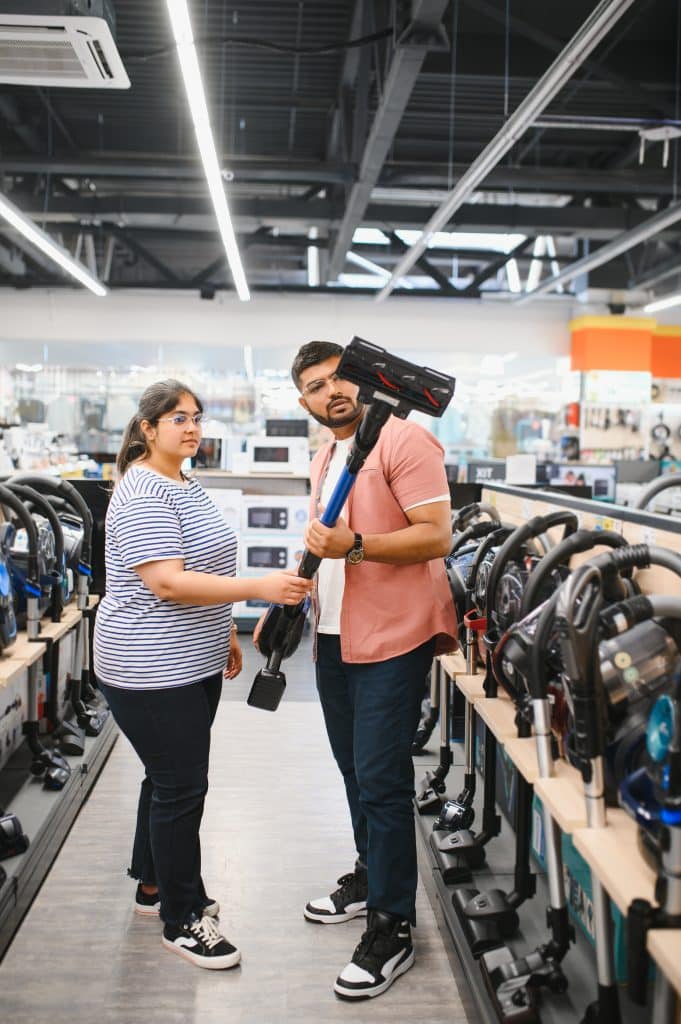
Furthermore, the replacement of hardware such as vacuum cleaners and coffee machines is often triggered by performance degradation rather than catastrophic failure. Technical support documentation frequently notes that reduced suction in vacuums or decreased flow in coffee makers is usually the result of neglected maintenance—such as clogged filters or mineral buildup—rather than mechanical failure. Industry experts note that 70% of consumer electronics "replacements" are actually repairable issues that require no new parts.
Home Goods and Decorative Trends
The retail sector utilizes "seasonal cycles" to encourage the frequent replacement of home goods, including bedding, curtains, and decorative rugs. By aligning product launches with calendar holidays, retailers successfully induce a sense of urgency in consumers. However, quality bedding and textiles, when subjected to proper care protocols—such as washing on gentle cycles and avoiding excessive heat—can extend their lifespan by several years, effectively halving the annual cost of maintenance.
Data-Driven Consumer Habits: A Chronology of Evaluation
- The Initial Audit: Households that track spending for a 30-day period often identify "leakage" in categories such as convenience-store snacks, bottled water, and single-use gadgets.
- The Secondary Review: After 90 days, consumers can assess which items were truly necessary. This period often reveals that items purchased "just in case"—such as extra charging cables or bulk light bulbs—remain unused, representing trapped capital.
- The Long-Term Shift: After one year, the cumulative savings from avoiding "small-ticket" replacements become significant. Households that adopt a "repair-first" policy for appliances report long-term savings that often reach into the thousands of dollars.
The Role of Retail Psychology and Marketing
Retailers employ specific psychological tactics to ensure repeat, automated purchases. The placement of "convenience items" at checkout counters is designed to capitalize on decision fatigue. When a consumer has already made several choices during a shopping trip, their resistance to small, low-cost impulse buys diminishes.

Furthermore, the "extended warranty" pitch on small appliances is identified by consumer protection agencies as a high-margin revenue stream for retailers. Financial advisors consistently argue against these warranties, noting that the likelihood of a small appliance failing within the narrow window not covered by the manufacturer’s warranty—but covered by the store’s policy—is statistically low. The cost of these warranties often exceeds the cost of a replacement part, rendering them inefficient for the consumer.

Impact on Environmental and Financial Sustainability
The shift away from high-frequency, low-utility purchasing has a dual benefit: financial efficiency and environmental impact. Reducing the consumption of single-use items like paper towels and plastic-packaged goods directly correlates with a lower household carbon footprint.
From an economic standpoint, the "generic test" serves as a primary tool for consumers. By substituting name-brand products with store-brand equivalents—which are often manufactured in the same facilities with identical chemical compositions—households can immediately recapture 15% to 25% of their grocery budget.
Strategic Recommendations for Consumers
Financial experts recommend the following framework for those looking to optimize their household spending:

- Implement a 48-Hour Rule: Before purchasing any non-essential item, wait 48 hours. This allows the impulse-driven dopamine response to fade, providing a clearer assessment of the item’s utility.
- Prioritize Repair Over Replacement: Before disposing of an appliance, perform a diagnostic check. Consult the manufacturer’s manual or digital forums to determine if a simple cleaning or a minor part replacement will restore functionality.
- Audit Subscriptions and Recurring Deliveries: Regularly review automated deliveries, as these often lead to overstocking of items that are not being used at the rate at which they are being shipped.
- Invest in Durability: For high-use items, such as tools or kitchenware, the "buy once, buy well" philosophy is often more cost-effective over a five-year horizon than repeatedly purchasing entry-level, disposable alternatives.
Conclusion
The objective of these behavioral adjustments is not deprivation, but rather the intentional allocation of resources. By questioning the necessity of habitual purchases, consumers can reclaim significant portions of their budget, reduce domestic clutter, and move away from a cycle of consumption that benefits retailers more than it benefits the household. As inflationary pressures continue to impact the cost of living, the move toward intentional, analytical spending is becoming a standard practice for financially resilient households.

Ultimately, the most effective tool for financial management is not a complex spreadsheet, but the critical questioning of whether a purchase is an investment in long-term utility or merely a response to a transient marketing impulse. By choosing to spend on purpose, rather than on autopilot, households can secure greater financial stability and peace of mind.