The rapid proliferation of generative artificial intelligence across the global corporate landscape has mirrored the chaotic rollout of early digital transformation initiatives, prompting experts to caution that organizations are repeating the same strategic failures. As businesses race to integrate Large Language Models (LLMs) and automated workflows, the focus remains heavily on the procurement of software licenses rather than the necessary cultural shift required to sustain such innovation. Paul Boag, author of Digital Adaptation, notes that the current fervor surrounding AI adoption echoes the 2014 era of CMS and CRM implementation, where technological capability frequently outpaced organizational readiness.
A Chronology of Technological Hype
The trajectory of corporate digital adoption has followed a distinct pattern over the last two decades. In the early 2010s, the "Digital Transformation" movement saw firms aggressively pivot to cloud-based systems, intranets, and mobile-first strategies. By 2014, many organizations realized that the deployment of these tools did not automatically yield the projected productivity gains. Data from that era suggested that nearly 70% of digital transformation projects failed to meet their stated objectives, largely due to a lack of employee engagement and inadequate workflow integration.
Today, the AI adoption cycle has compressed this timeline. Since the public release of ChatGPT in late 2022, enterprises have transitioned from initial curiosity to mass implementation within months. However, the current strategy often resembles the "IT-first" approach of the past: purchasing blanket enterprise licenses for platforms like Microsoft Copilot or OpenAI’s enterprise solutions and expecting immediate, widespread adoption without specialized training or psychological safety nets for staff.
The Human Capital Deficit
A critical gap in current AI strategies is the failure to address the "productivity paradox." While senior management views AI as a mechanism to increase output, employees frequently perceive it as a threat to job security or an additional layer of administrative burden. According to a 2023 report by the World Economic Forum, while AI is projected to automate up to 30% of hours currently worked across the global economy by 2030, the immediate effect on workers is increased anxiety rather than enhanced efficiency.
When organizations roll out AI tools without articulating how they will reduce the drudgery of repetitive tasks, they encounter significant resistance. To bridge this gap, industry analysts argue that organizations must pivot from a "productivity-at-all-costs" model to a "worker-augmentation" model. This involves identifying specific, high-friction tasks that employees find tedious and positioning AI as the solution to those specific pain points, rather than a top-down mandate for increased total output.
The Risks of Stifled Innovation and Shadow AI
The history of corporate IT is replete with examples of "Shadow IT"—employees using unauthorized software to complete tasks because the approved corporate tools are inefficient or inaccessible. In the 2010s, this manifested in the use of personal Dropbox or Google Drive accounts to share files that corporate systems could not handle.
In the AI era, this phenomenon has evolved into "Shadow AI." Employees, feeling restricted by bureaucratic AI steering committees or overly cautious IT departments, are increasingly accessing external AI models via personal accounts. This creates significant data security risks, as proprietary information is often uploaded to public models that do not adhere to corporate governance protocols.
Data from cybersecurity firms indicates that organizations with rigid, restrictive AI policies are 40% more likely to experience unauthorized, unsanctioned use of AI tools among staff. Instead of attempting to enforce blanket bans, modern IT departments are being advised to adopt "permissive governance." This involves providing a sandbox environment where employees can experiment with various tools, allowing the organization to identify which technologies provide actual value before formalizing the stack.
Cultivating a Culture of Safe Experimentation
One of the most significant barriers to AI adoption is a prevailing culture of fear, where mistakes are penalized rather than viewed as a component of the learning process. In the context of digital transformation, those firms that succeeded were the ones that implemented "fail-fast" methodologies.
For AI to be successfully integrated, management must adjust Key Performance Indicators (KPIs) to accommodate the learning curve. If an employee is tasked with utilizing an AI tool, their performance reviews should reflect the time required for training and the inevitability of initial errors. Currently, many employees report being simultaneously pressured to innovate with AI and reprimanded for the inefficiencies that arise during the experimental phase.
Industry leaders suggest that the most effective way to foster adoption is through "social proof." Rather than relying on internal memos or corporate training videos, organizations that facilitate internal forums where employees showcase their own successful AI experiments see higher adoption rates. When a peer demonstrates a concrete, practical use case—such as automating a complex spreadsheet or drafting a specific technical document—it carries more weight than any directive from the C-suite.

Governance Principles for the AI Era
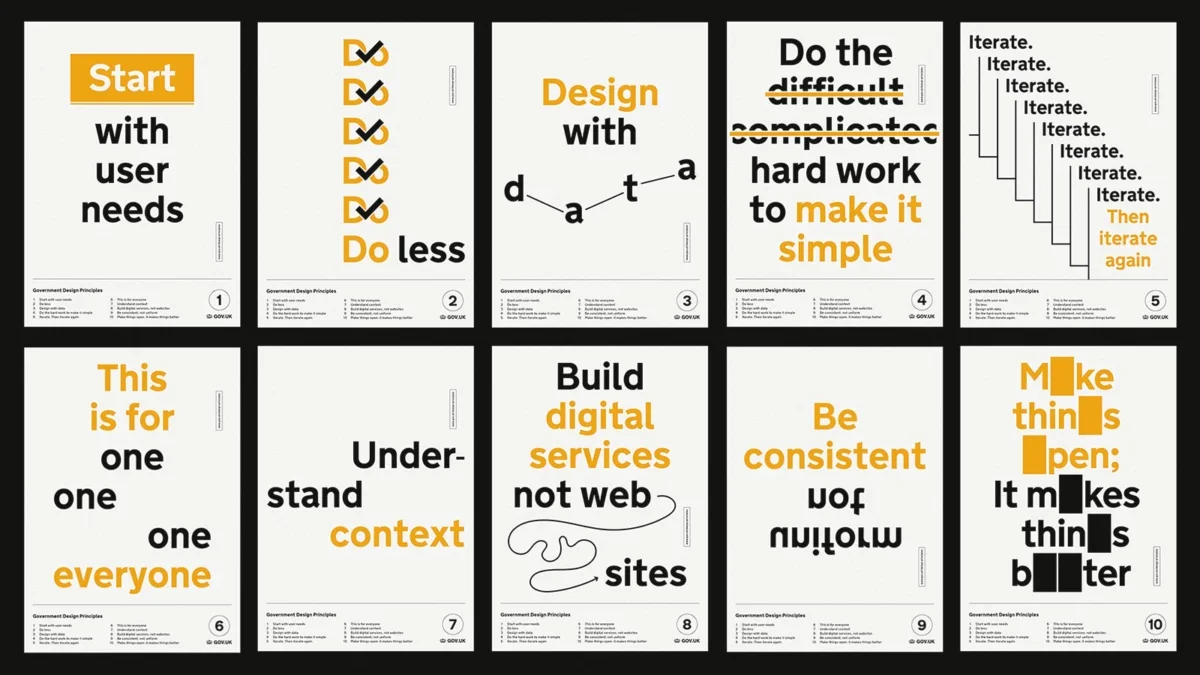
As organizations seek to balance security with innovation, the consensus among governance experts is that "less is more." Lengthy, jargon-heavy policy documents often serve to paralyze rather than protect. Successful organizations, such as the UK’s Government Digital Service (GDS), have utilized a "principles-based" approach. By creating a concise set of values—such as "Prioritize User Needs," "Build for Inclusivity," and "Maintain Data Integrity"—organizations provide a framework that allows employees to exercise professional judgment.
This approach acknowledges that the technological landscape is shifting too rapidly for traditional, static policy documents to remain relevant. By fostering a culture of trust, organizations can move away from restrictive "command and control" models toward an agile structure that empowers the workforce.
The Long-Term Economic Implications
The broader economic impact of this transition cannot be overstated. If organizations continue to view AI as a purely technological challenge, they risk wasting billions in capital expenditure on tools that are underutilized or misused. The failure to address the human and cultural aspects of the AI transition is not merely a managerial oversight; it is a strategic liability that will define the winners and losers of the next decade.
The lessons from the digital transformation era provide a clear roadmap: prioritize human-centric implementation, provide the necessary support structures for staff to rebuild their procedural knowledge, and create a safe environment for iterative learning. As the technology continues to evolve, the organizations that will thrive are those that recognize AI not as an automated replacement for human labor, but as a catalyst for a fundamental redesign of how work is organized, executed, and valued. The era of AI, much like the era of digital adaptation, will be won by those who understand that the true power of technology is only unlocked when it is fully integrated into the daily experience of the people who use it.