While Instagram remains fundamentally rooted in visual storytelling—where publishing a photo or video is mandatory for every grid post unlike text-heavy platforms such as Facebook, LinkedIn, or Twitter—industry data continually underscores the critical importance of accompanying text. For brands and digital marketers aiming to elevate their social media strategy, captions are no longer an afterthought; they are a primary vehicle for audience connection. Whether the objective is to heighten brand awareness, attract a distinct demographic of new followers, foster meaningful engagement, or directly drive measurable e-commerce sales, deploying a strong, well-crafted Instagram caption is an operational necessity. Captions provide vital context to visual assets, facilitate brand storytelling, and expand organic reach within the platform’s algorithmic architecture.
Understanding the Anatomy and Technical Boundaries of an Instagram Caption

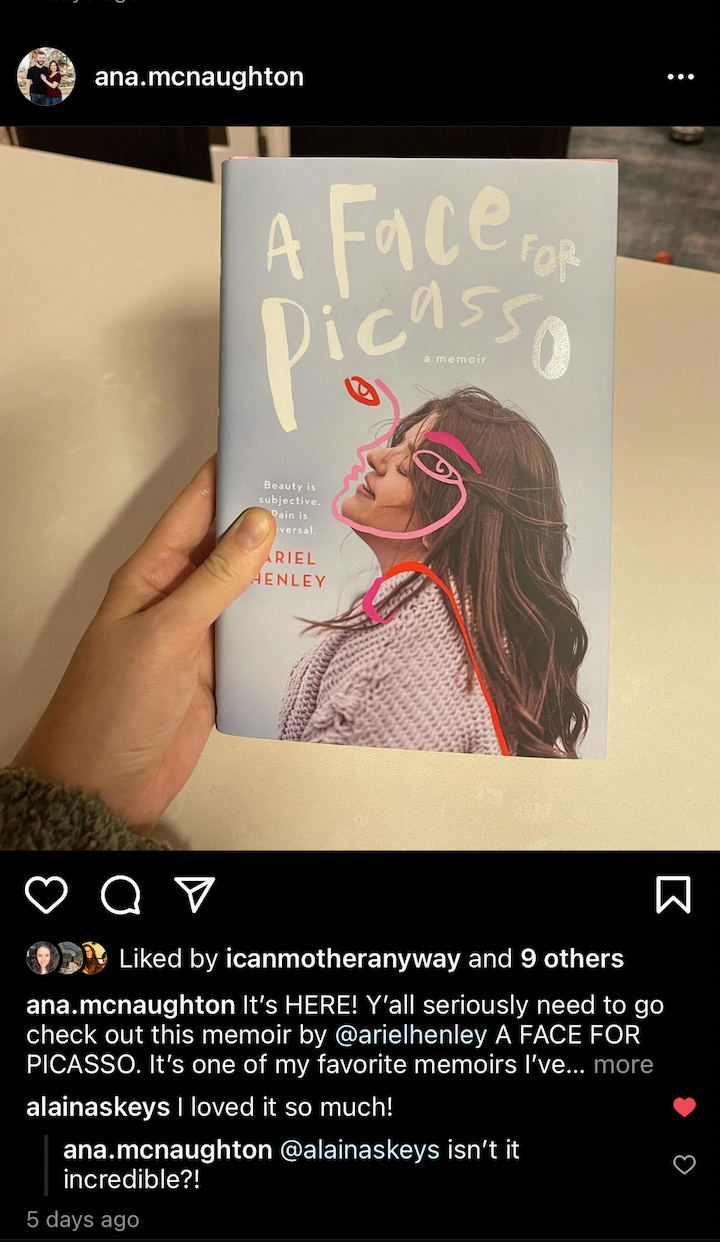
On Instagram, a caption functions as the textual description accompanying a photo, video, or Reel. Platform specifications permit up to 2,200 characters per caption, allowing creators to integrate a dynamic blend of prose, strategic hashtags, and emojis. However, a strict platform limitation remains: clickable hyperlinks cannot be natively embedded within regular Instagram captions, necessitating the effective use of a bio link or secondary conversion pathways.
Historically, digital marketing assumed that brevity was paramount on visual-first networks. However, empirical studies examining user behavior indicate a paradigm shift. According to an extensive caption length experiment conducted by social media management platform Hootsuite, captions spanning between 400 and 705 characters—substantially longer than the quick, one-line quips of the past—frequently generate higher engagement rates than micro-captions of 65 characters or less. This data suggests that users are increasingly willing to pause their infinite scroll to consume narrative-driven content, provided the text offers immediate value or emotional resonance.
Strategic Frameworks for Writing High-Converting Captions
Crafting an optimal Instagram caption requires a balance of psychology, copywriting best practices, and platform familiarity. To maximize the efficacy of organic posts, digital strategists recommend implementing several core methodologies:
Opening with a Thumb-Stopping Hook
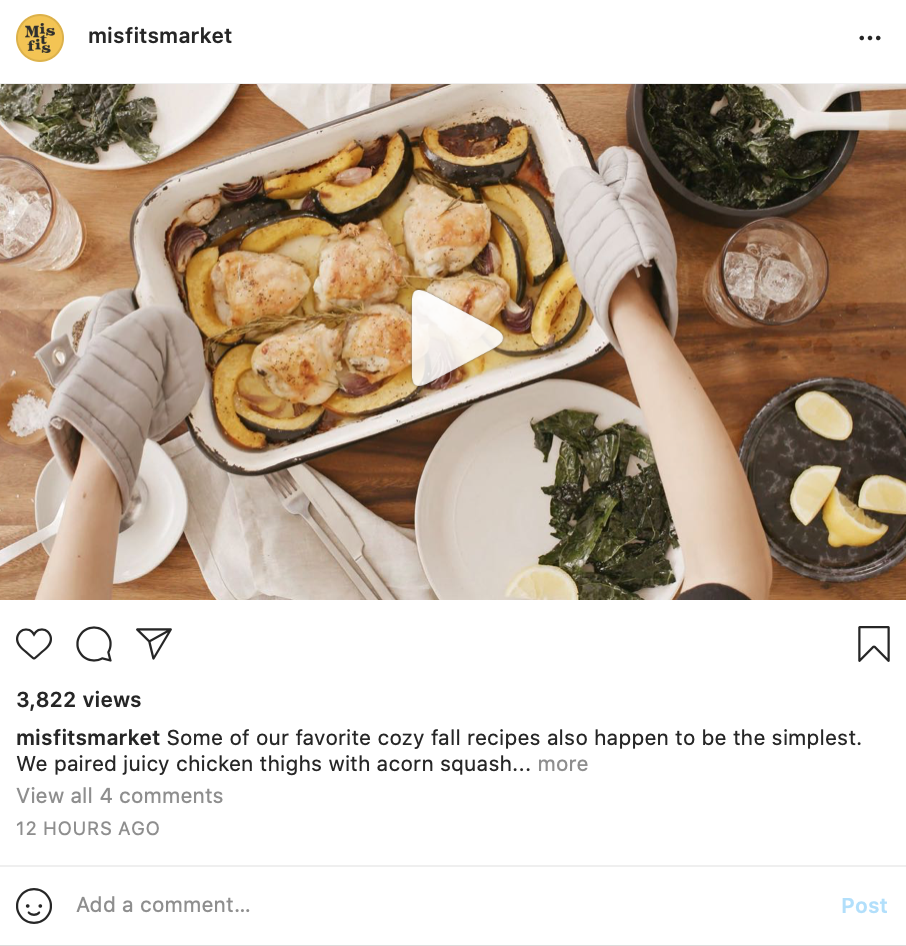
Given the sheer volume of content competing for attention within the Instagram feed, the opening line of a caption must act as a visual speed bump. Marketers often refer to this as achieving a "thumb-stopping" effect. Positioning the core value proposition at the very beginning of the text encourages users to click the "more" button, subsequently guiding them toward a clearly defined call to action (CTA). Industry analysts note that understanding audience pain points and immediate desires is critical for drafting these hooks, ensuring the reader finds immediate relevance upon halting their scroll.

Integrating Pop Culture References and Seasonal Relevance
To maintain relevance and relatability, brands frequently weave cultural touchstones, colloquialisms, and seasonal tropes into their copy. Whether referencing a classic musical lyric or capitalizing on seasonal lifestyle aesthetics—such as autumn outerwear or summer travel motifs—contextual writing bridges the gap between corporate identity and consumer lifestyle. This approach creates an approachable brand voice that invites conversational interaction in the comments section.
Diversifying Hashtag Deployment
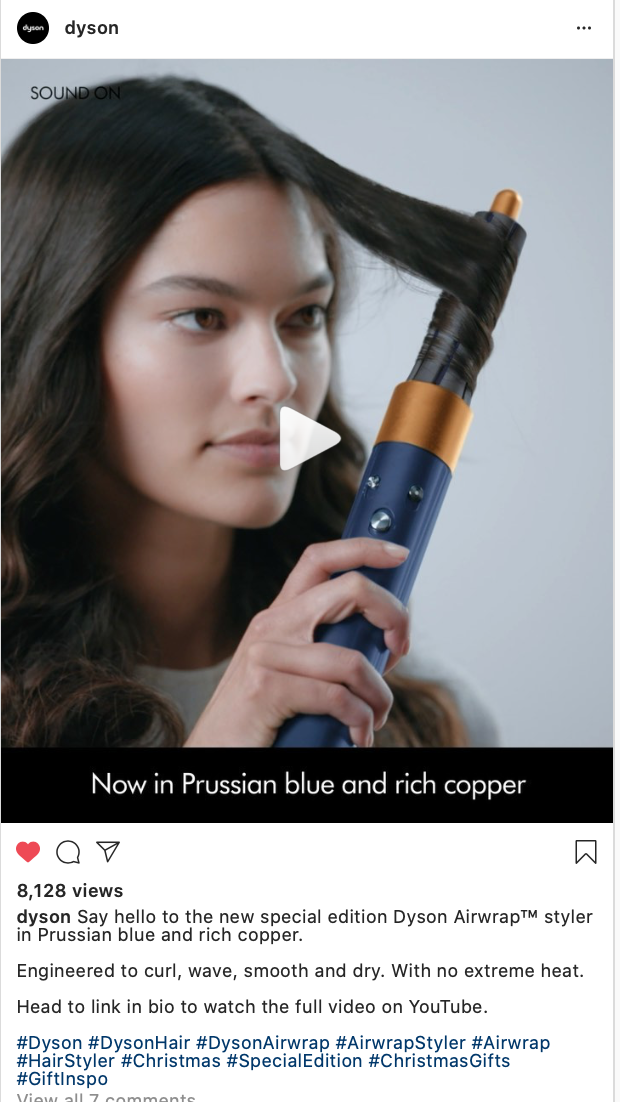
Hashtags continue to serve as a vital discovery mechanism on Instagram, enabling accounts to transcend their existing follower base and surface in targeted feeds. While Instagram allows up to 30 hashtags per post, digital marketing best practices advise against excessive saturation, suggesting a carefully curated selection instead. A balanced hashtag strategy typically incorporates a diversified mix of branded tags (specific to the company or campaign), seasonal tags, interest-based descriptors, and localized tags where applicable. Rotating these tags across different posts broadens visibility and prevents algorithmic fatigue.
Optimizing for Engagement and Conversation
Because direct outbound links are restricted within standard posts, maximizing native engagement is vital for algorithmic favorability. The Instagram algorithm prioritizes content that generates rapid interactions—such as likes, saves, shares, and substantive comments—pushing high-engagement posts higher in user feeds.
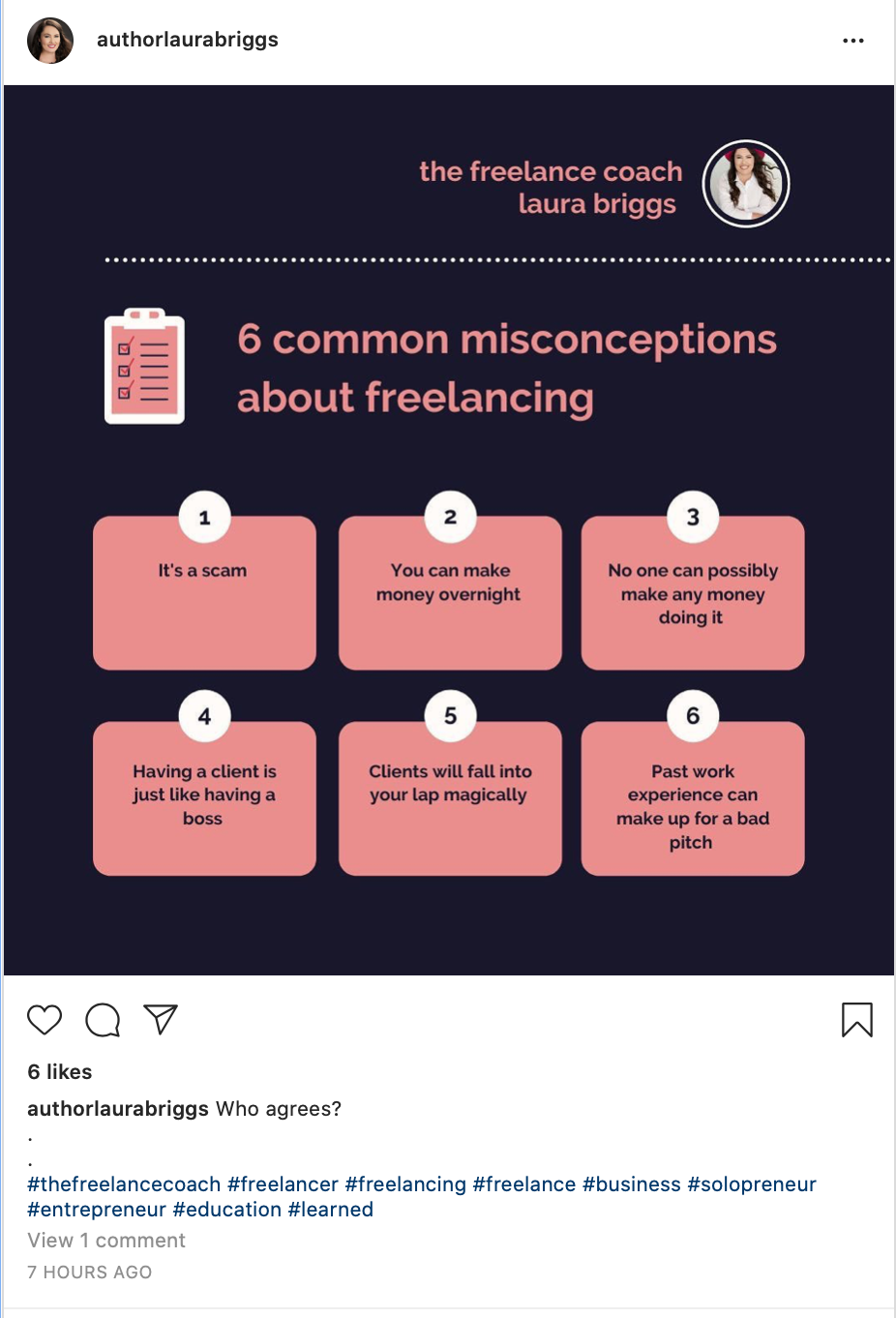
To stimulate this activity, content creators utilize specific engagement-boosting tactics. Asking direct, low-friction questions—such as "Who agrees?"—invites immediate participation. Similarly, prompting users to tag friends in the comments section can exponentially increase organic reach. While brands must monitor this tactic to avoid audience fatigue, measured prompts related to appealing visual content frequently result in vibrant peer-to-peer discussions and downstream conversions.
Executing Strategic Calls to Action (CTAs)
While cultivating high engagement rates builds community affinity, commercial accounts ultimately operate to achieve tangible business outcomes, such as lead generation, appointment bookings, or direct sales. Transitioning an audience from passive scrollers to active buyers requires a precise, well-structured call to action.
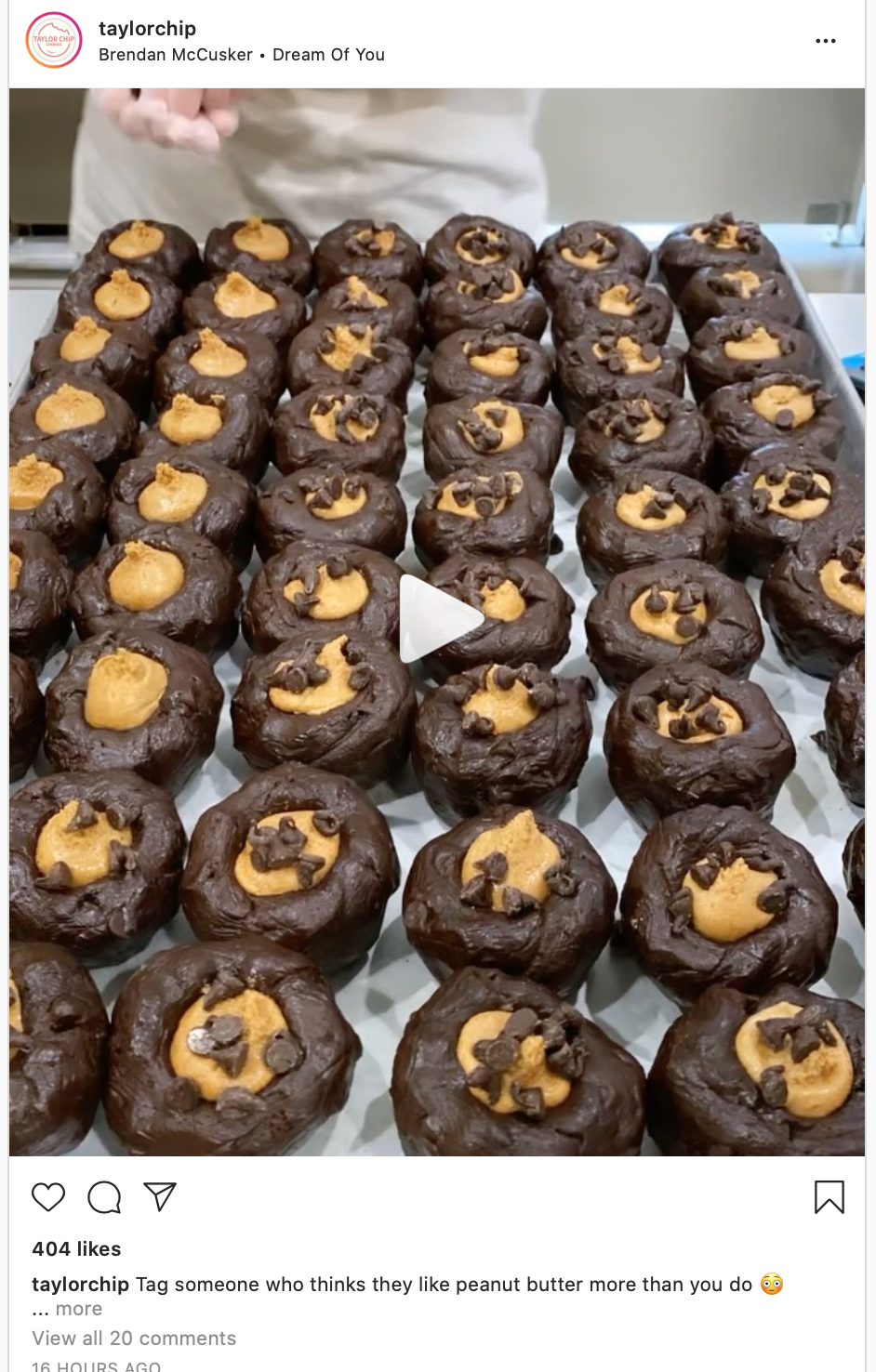
An effective Instagram CTA must clearly articulate the next step, communicate the inherent value of taking that action, and direct the user precisely where to go—such as directing them to the link in the bio or an upcoming event registration page. Utilizing formatting techniques like emojis can effectively break up dense paragraphs, ensuring the CTA remains legible and visually distinct without overwhelming the reader.
Technical Formatting Best Practices
Beyond the semantic content of a caption, formatting plays a substantial role in readability and overall aesthetic appeal.

Mastering Paragraph Spacing
Dense blocks of text frequently deter users from reading long-form captions. To combat this, creators utilize line breaks, spaces, or typographical symbols to segment text into digestible paragraphs. A widely adopted structural template involves placing a brief, punchy summary in the first line, followed by a blank space, the narrative body, another space, and a final block dedicated to hashtags. Generating a new paragraph natively within the Instagram app is achieved simply by utilizing the device’s "return" or "enter" keyboard function.
Editing Published Posts

In the event of typographical errors or shifting campaign details, Instagram provides a streamlined post-editing feature. Users can access any published grid post, select the three-dot menu icon in the upper-right corner, and choose the "Edit" option. This interface allows creators to revise text, adjust hashtags, or update CTAs in real-time, with modifications reflecting instantly across the platform.
Customizing Typography and Fonts
To further distinguish content within a crowded feed, many brands utilize external unicode text generators—such as browser-based font tools—to introduce bolding, italics, or alternative typefaces into their captions. By drafting text in a third-party generator, copying the stylized output, and pasting it directly into the Instagram caption editor, creators can achieve unique visual branding that stands out from standard system fonts.
Implications and Industry Outlook
As social media algorithms continue to prioritize user retention, authenticity, and community interaction, the role of the Instagram caption will only grow in strategic importance. Industry analysts emphasize that brands failing to invest in copywriting and narrative structure risk losing algorithmic visibility to competitors who master the synergy between compelling visual assets and deliberate, value-driven text. By implementing structured frameworks, rigorous testing of caption lengths, and consistent audience engagement tactics, organizations can transform their Instagram presence from a static digital gallery into a dynamic, conversion-focused marketing channel.