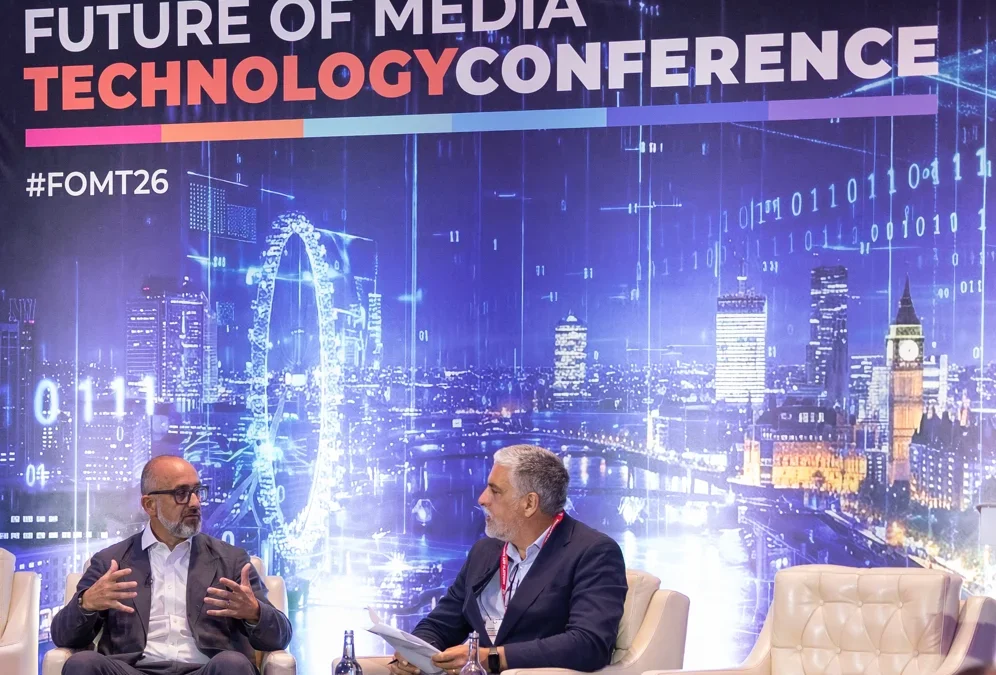
The modern media landscape is undergoing a profound transformation, characterized by shifting digital consumption habits, the rapid decline of traditional referral traffic, and the disruptive emergence of generative artificial intelligence. While many legacy print and digital publishers grapple with falling revenues, widespread redundancies, and diminished audience reach, the Financial Times (FT) has carved out a distinct path of resilience. Speaking as the opening keynote presenter at the Future of Media Technology Conference in London, FT Group Chief Executive Officer Jon Slade offered a rare inside look at the publication’s strategic evolution. Addressing industry leaders, media executives, and journalists, Slade detailed how the renowned business title has successfully fortified its digital business model, prioritized younger demographics, established stringent safeguards for artificial intelligence licensing, and combated aggressive, large-scale data scraping by unauthorized web bots.
The conversation, moderated by Press Gazette Editor-in-Chief Dominic Ponsford at the annual conference on September 10, illuminated the core metrics powering the FT’s financial health. Slade highlighted a staggering corporate turnaround that has seen the publication’s revenue streams transition almost entirely to digital formats over the past two decades. When Slade first joined the business in 2002, digital operations accounted for a mere 10% of the company’s overall revenue. Today, that figure stands at an impressive 80% of the FT Group’s total annual global revenue, which reached £540 million for the 2024 financial year. This foundational pivot toward a subscription-driven model has insulated the publication from the volatility currently plaguing organizations heavily reliant on advertising and algorithmic referral traffic from major search engines and social media networks.
Insulation from Referral Traffic Volatility and the Power of Direct Relationships
In recent years, sweeping changes to search engine algorithms and social media distribution strategies have severely disrupted traffic acquisition for digital publishers worldwide. Major news organizations have watched referral figures plummet, triggering catastrophic drops in advertising revenue and prompting severe cost-cutting measures across the industry. Just a day prior to Slade’s keynote address, prominent media publisher Reach announced a further 220 job cuts, citing shifting engagement metrics and declining traffic from traditional aggregators.
In stark contrast, the Financial Times has largely avoided these systemic shocks. According to Slade, the vast majority of the publication’s site traffic and monetization stems from direct relationships with readers who actively seek out the FT brand and its specialized journalism. By centering the business model around subscriptions and treating the audience as the primary customer, the organization retains operational control rather than surrendering its fate to third-party technology platforms. This strategy, cultivated over the past twenty years, prioritizes the cultivation of "recognised users"—individuals who have registered profiles with the platform and consented to direct marketing channels—over volatile, anonymous page-view metrics. Slade emphasized that the company deliberately focuses on deep audience engagement and long-term conversion pipelines rather than chasing fleeting traffic spikes, establishing a sustainable economic moat in an era of platform unpredictability.
Pioneering Youth Engagement: The Future Audiences Initiative
Conventional audience metrics have long suggested that younger demographics—particularly individuals under the age of 35—exhibit a diminished interest in traditional news websites, overwhelmingly sourcing current events from decentralized social media feeds and video platforms. However, recent Ipsos iris UK audience data revealed a surprising countertrend: the Financial Times commands the highest proportion of under-35 readers among UK national newspaper brands, with young adults making up 27% of its total readership.
This achievement is not accidental, but rather the result of a deliberate, long-term strategic intervention known as the Future Audiences Initiative. Recognizing that traditional subscriber acquisition models typically demand short-term financial returns within a two-year window, the FT executive team restructured its internal culture to accommodate a more patient, multi-year investment strategy. Under this initiative, a cross-functional leadership team comprising staff from editorial, product, technology, and marketing departments collaborates to lower the barriers to entry for younger readers. The overarching corporate goal is ambitious yet achievable: the publisher aims to reach 850,000 registered readers under the age of 35 by the year 2030, a milestone Slade confirmed the company is currently on track to achieve.
To capture the attention of this demographic, the FT has deployed a diversified suite of modern products and educational outreach programs. These include the launch of "FT Explains," a mobile-first video series designed to demystify complex macroeconomic and geopolitical issues; the expansion of a weekly free Substack newsletter for its popular Alphaville markets blog, which has outpaced the growth rates of legacy newsletters; and an institutional initiative providing free access to the FT for students under the age of 18 in educational settings. By positioning the publication as an indispensable resource across pivotal life milestones—from schoolwork and university applications to initial job searches and professional promotions—the FT is actively fostering a professional lifecycle pipeline encapsulated by its guiding mantra: "from schoolroom to boardroom."
Balancing Artificial Intelligence Licensing with Robust Content Safeguards
As generative artificial intelligence reshapes the information ecosystem, media publishers find themselves navigating a precarious landscape of technological disruption, intellectual property infringement, and strategic partnership. The FT has proactively engaged with this technological shift by signing formal content licensing agreements with major artificial intelligence pioneers, including Google and OpenAI.
However, Slade was explicit that these commercial partnerships are governed by stringent contractual guardrails designed to protect the integrity and value of the publisher’s intellectual property. The licensing frameworks enforce precise limitations on how much content can be synthesized or quoted within AI-generated responses, mandate clear source attribution, and grant the publication continuous oversight regarding the operational application of its journalism. Crucially, these agreements incorporate what Slade termed a "big red button" clause—a unilateral termination mechanism allowing the FT to instantly sever its live data feed if internal analytics indicate that the partnership is failing to serve the organization’s interests.
While the FT acknowledges the strategic value of controlled experimentation within AI environments, Slade drew a sharp distinction between authorized licensing and the unauthorized, industrial-scale scraping of its website by malicious automated crawlers. To combat this illicit extraction of journalistic assets, the publisher has engineered proprietary internal defense mechanisms capable of detecting and neutralizing malicious bot traffic in real time. Highlighting the severity of the threat, Slade revealed that a recent audit of an eight-hour window uncovered a single trial account user—who had secured access for a nominal fee of £1—dispatching an astounding 1.23 million page access requests from 681,000 unique IP addresses. All associated requests were successfully intercepted and blocked by the publisher’s security protocols.
Despite the prevalence of unauthorized data crawling across the wider digital publishing sector, the Financial Times has deliberately chosen to forgo immediate legal confrontation in favor of constructive commercial integration or defensive technical blocking. Rather than launching litigious battles against technology developers, the publisher prefers to channel prospective automated traffic into structured, mutually beneficial partnership models where feasible, while ruthlessly defending its perimeter against uncompensated intellectual property theft.
Internally, the FT has also embraced generative artificial intelligence to enhance its own professional product offerings, most notably through the deployment of "Ask FT," a proprietary AI answer engine tailored for premier professional subscribers. Trained exclusively on the publication’s verified archive extending back to 2004, the tool has yielded vital operational lessons regarding user interaction. Slade noted that early user testing demonstrated that providing an open-ended, unstructured "ask us anything" interface was insufficient, as professional users frequently required guided prompt structures to extract maximum value. By introducing contextual prompts and curated inquiry categories, the publisher significantly boosted engagement and accuracy, underscoring the nuanced labor required to merge advanced language models with high-standard journalistic archives.
Navigating Organizational Change and Future Industry Implications
Reflecting on his transition to Chief Executive Officer of the FT Group in July 2025, following a successful tenure as the organization’s chief commercial officer, Slade offered broader insights into modern corporate leadership and the psychological dimensions of institutional transformation. Addressing the cultural hurdles inherent in driving large-scale strategic pivots, Slade observed that while corporate teams are universally enthusiastic about abstract concepts of change, resistance frequently emerges when transformation demands structural adjustments from specific individuals or departments.
To overcome this friction, Slade emphasized the necessity of transparent leadership: establishing a clear, evidence-based vision of the future, celebrating existing organizational strengths, and framing disruptive macroeconomic forces—such as shifting reading habits, technological volatility, and the global erosion of public trust—as collective challenges rather than insurmountable threats. By anchoring strategic initiatives in a shared trajectory toward 2030, the executive team has successfully mobilized its workforce around a unified mission of digital excellence.
The implications of Slade’s disclosures at the Future of Media Technology Conference extend far beyond the Financial Times newsroom. As legacy media institutions worldwide confront an existential reckoning driven by vanishing referral traffic and the legal and economic ambiguities of artificial intelligence, the FT’s trajectory offers a compelling blueprint for industry survival. By aggressively prioritizing a direct-to-consumer subscription model, cultivating long-term relationships with emerging generations of readers, enforcing rigorous intellectual property standards through enforceable licensing frameworks, and deploying advanced technical defenses against automated data theft, the Financial Times has demonstrated that high-value journalism can not only endure in the digital age, but thrive with financial independence and structural resilience.