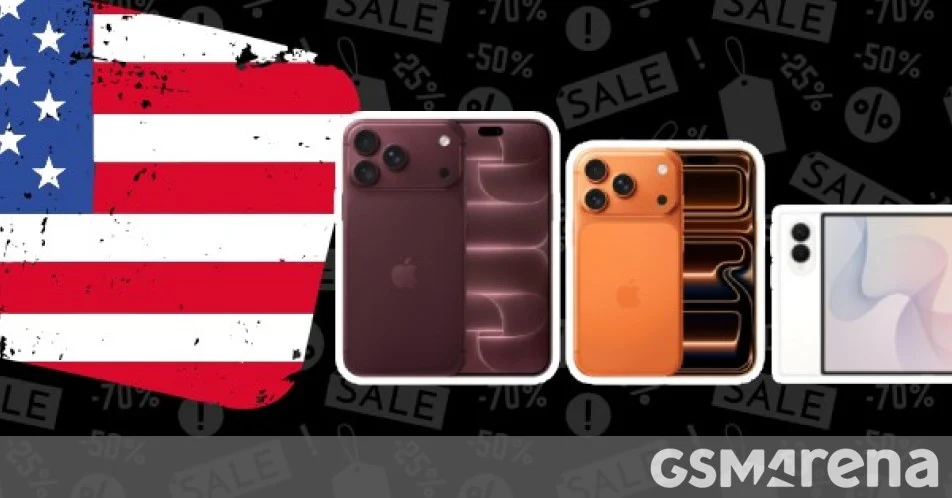
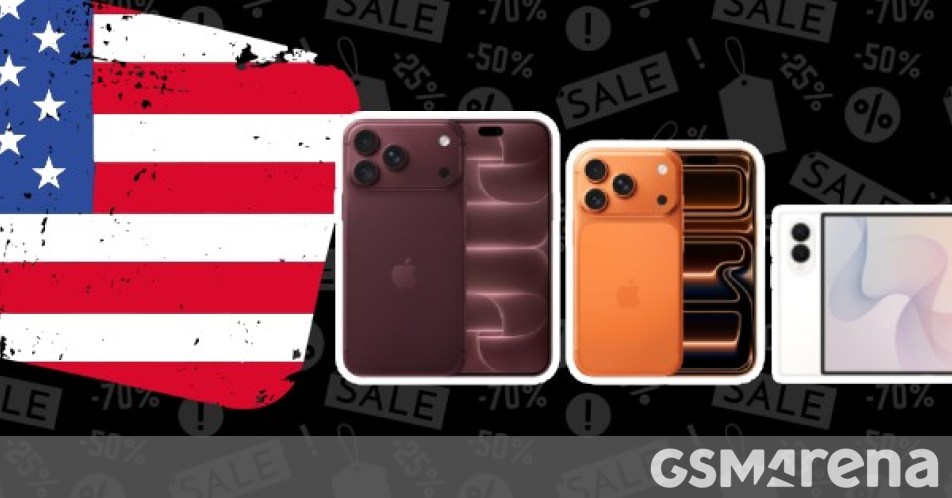
The latest iteration of Apple’s flagship smartphone lineup, the iPhone 18 Pro and 18 Pro Max, officially arrived in retail stores and digital storefronts this week across the United States and 64 additional countries. This global launch marks the first significant hardware milestone for Apple in the second half of 2026, though the rollout remains staggered, with the highly anticipated iPhone Duo foldable scheduled for a late October debut.
A Departure from Historical Pricing Norms
For years, Apple followed a rigid, predictable cycle: every September, the latest iPhones would debut, the outgoing "Pro" models would be discontinued, and the previous generation of standard iPhones would receive a $100 price reduction. This year, that tradition has been broken. Not only are the iPhone 18 Pro models priced $100 higher than their predecessors, the iPhone 17 series, but Apple has also bucked the trend of price cuts for older hardware.
Recent market adjustments saw the iPhone 17 series—including the standard 17, the 17 Air, and the 17e—undergo a $100 price increase rather than a reduction. This shift creates a curious market dynamic: a brand-new iPhone 18 Pro, starting at $1,200, occupies the same price bracket where a hypothetical remaining stock of a new iPhone 17 Pro would have sat, had Apple chosen to keep it in production at the original $1,100 entry point plus the recent hike.

Refurbished Markets and Consumer Value
With new models commanding a premium, the refurbished sector has become a vital component of the current consumer ecosystem. Platforms such as Amazon’s "Renewed Premium" program have seen increased traffic as buyers look for alternatives to the rising cost of new hardware.
Industry standards for these units typically guarantee that devices are free of visible cosmetic damage from a distance of 12 inches, feature screens without scratches, and maintain at least 90% battery health. For the price-conscious consumer, the math is compelling. While a 256GB iPhone 17 Pro launched at $1,100 last year, refurbished models are currently circulating for just under $1,000. Conversely, the iPhone 17 Pro Max has seen a stagnant resale value, with refurbished units often trading at the same $1,200 price point they held as new units, illustrating the high demand and limited supply of high-end Apple hardware in the secondary market.

Technical Advancements in the iPhone 18 Pro Series
The decision to upgrade to the iPhone 18 Pro series is driven by significant under-the-hood enhancements. The centerpiece of the new hardware is the A20 Pro chipset, Apple’s first commercially available 2nm processor. Benchmark testing indicates that the A20 Pro represents a substantial leap in computational power, providing the headroom necessary for increasingly complex on-device AI tasks and high-fidelity gaming.
Beyond the silicon, Apple has focused on refined ergonomics and efficiency. The display features a reduced punch-hole cutout for the Face ID sensors and FaceTime camera, granting more screen real estate. The camera system has been bolstered with variable aperture technology, providing photographers with greater control over depth of field. Perhaps most impactful for daily power users is the charging architecture; the 18 Pro series achieves a 50% charge in just 15 minutes, a 25% improvement in speed compared to the 20-minute benchmark of the 17 Pro series.

Broader Ecosystem Rollout
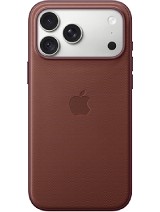
The hardware launch extends well beyond the iPhone 18 series. Simultaneously, Apple has refreshed its wearable and audio portfolio. The Apple Watch Series 12 and the rugged Apple Watch Ultra 4 have entered the market alongside the new AirPods 5. These peripherals continue Apple’s strategy of deep ecosystem integration, where proprietary features like MagSafe compatibility for the new TechWoven, Silicone, and Clear cases ensure that secondary accessories remain a consistent revenue stream for the company.
The Competitive Landscape: Samsung’s Foldable Offensive
While Apple prepares for the late-October launch of the iPhone Duo, the market for foldable devices is currently dominated by Samsung’s 2026 offerings. The Galaxy Z Fold8 has emerged as the primary competitor to Apple’s upcoming foldable, and Samsung is currently leveraging aggressive pricing to capture market share before the Duo can establish its footprint.

The competition between these two platforms highlights distinct design philosophies. The Galaxy Z Fold8, powered by the Snapdragon 8 Elite Gen 5 for Galaxy, is designed with a focus on portability and weight reduction. At 201g, it is significantly lighter than the rumored weight of the Apple Duo (254g). Samsung’s device utilizes a 6.5-inch 21:9 cover display, which, at 72.8mm in width, is optimized for one-handed operation—a stark contrast to the 84.1mm width of the Duo.
Furthermore, the Galaxy Z Fold8 Ultra offers a 200MP primary sensor and a dedicated 10MP telephoto lens, emphasizing high-end photography specifications. Apple, however, appears to be betting on unique user experiences, such as the implementation of an under-display camera for the inner screen of the Duo and full stylus integration, a feature Samsung has notably omitted from the latest Fold series.

Implications for the Smartphone Market
The current state of the smartphone market suggests a transition toward higher entry-level prices for flagship devices. By raising prices on both new and older stock, Apple is signaling a pivot toward higher average selling prices (ASP) to offset potential saturation in the premium tier. This strategy forces consumers into a more binary choice: invest in the latest 2nm-powered silicon or navigate the complexities of the refurbished market.
For analysts and industry observers, the coming months will be a litmus test for consumer elasticity. If sales volume for the 18 Pro remains strong despite the price hike, it will confirm Apple’s success in positioning the iPhone as an essential utility rather than a luxury commodity. Conversely, if the refurbished market continues to grow, it may force a reassessment of pricing strategies in the 2027 product cycle.
As the industry looks toward the release of the iPhone Duo, the narrative of 2026 remains one of architectural advancement—moving to 2nm chipsets and ultra-fast charging—pitted against the economic reality of a high-inflation, high-cost environment. The shift in Apple’s historical release cadence and pricing structure serves as a clear indication that the smartphone market is entering a new, more expensive phase of development.