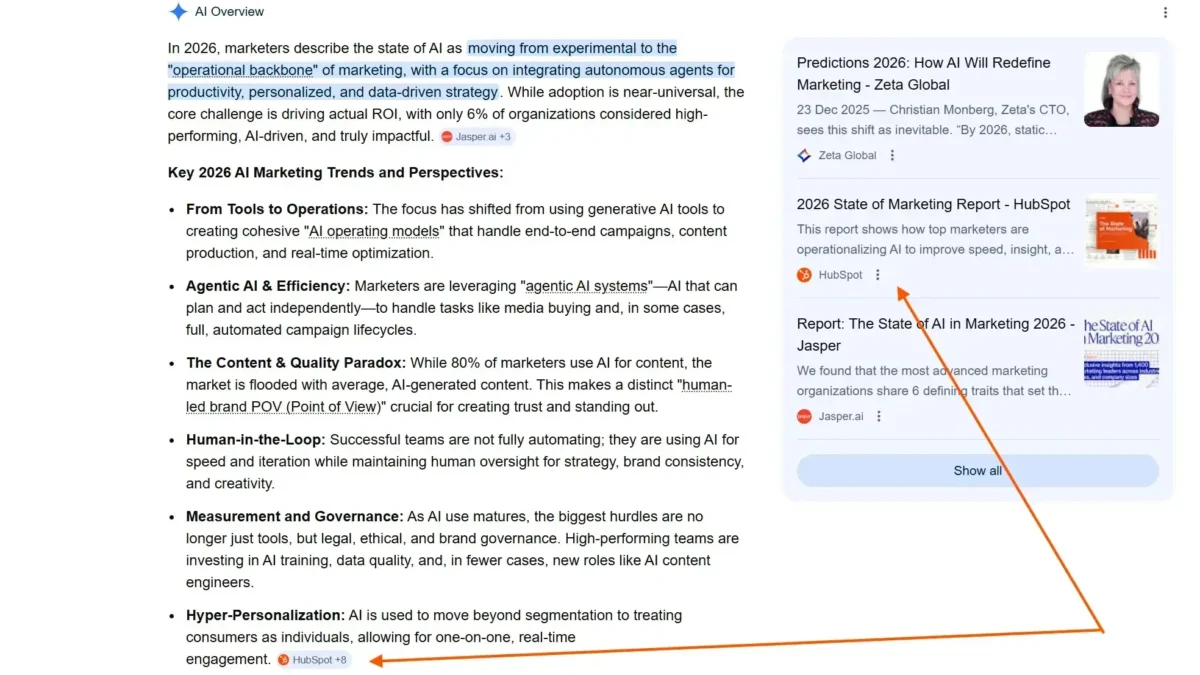
As the digital discovery landscape undergoes a fundamental transformation driven by artificial intelligence, modern search behavior has shifted dramatically. With approximately 80 percent of internet users relying on zero-click results at least 40 percent of the time, traditional metrics such as click-through rates, scroll depth, and on-site engagement no longer capture the full scope of digital visibility. Consumers increasingly receive direct answers from search engine results pages (SERPs) and conversational AI engines, leaving marketers to contend with a profound measurement gap. To combat this, a new category of technology known as Large Language Model (LLM) visibility tools and Answer Engine Optimization (AEO) platforms has emerged to track brand mentions, citations, sentiment, and share of voice across major AI platforms.

Understanding the Rise of Answer Engine Optimization
Traditional Search Engine Optimization (SEO) has long focused on securing fixed positions on results pages, measured primarily by keyword rankings, organic traffic, and conversions. However, conversational models such as OpenAI’s ChatGPT, Google Gemini, Anthropic’s Claude, and Perplexity operate differently. When a user queries these engines, the AI synthesizes a custom response drawn from diverse training data and real-time web retrieval. Consequently, a brand’s presence within these answers fluctuates, dictated by complex contextual algorithms rather than static algorithmic indexing.

This behavioral shift has necessitated a parallel discipline: Answer Engine Optimization. While foundational SEO metrics remain vital for monitoring organic website traffic, AEO provides an essential secondary layer of telemetry. It records repeated prompt executions, tracks whether a brand is explicitly named or cited with a clickable hyperlink, analyzes the underlying sentiment of the AI’s response, and measures competitor visibility across decentralized ecosystems.
How LLM Visibility Tools Function in Practice

Unlike manual audits—which merely capture a single point-in-time snapshot of an AI model’s output—automated LLM visibility tools operate on scheduled, repeatable frameworks. Marketing teams input structured prompt sets modeled on actual buyer questions, industry research queries, and category-specific pain points. The software then queries supported answer engines at regular intervals, recording variations and patterns over time.
A critical distinction within these measurements lies between unlinked brand mentions and official citations. An unlinked mention occurs when an AI model lists a brand name within its generated text—such as a CRM platform recommending five software vendors without providing outbound links. While valuable for top-of-funnel brand awareness, these mentions do not directly drive referral traffic. Conversely, citations incorporate clickable source cards or hyperlinks that direct users to external domains. These citations not only enhance overall digital authority but also serve as direct conduits for user acquisition.

Evaluating the Leading LLM Visibility Platforms
To assist organizations in navigating this evolving marketplace, industry analysts have evaluated eight prominent tools ranging from free preliminary diagnostics to comprehensive enterprise-grade suites.

HubSpot AEO and AI Search Grader
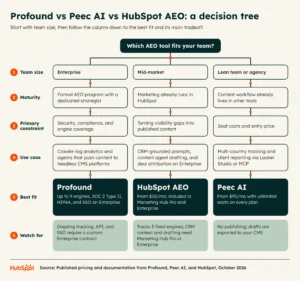
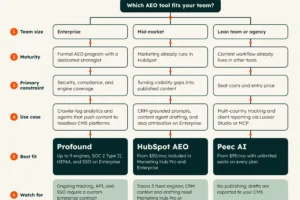
HubSpot offers a multi-tiered approach to answer engine optimization, combining ongoing tracking with accessible entry points. For organizations seeking an initial baseline, the company provides the AI Search Grader, a free diagnostic tool that evaluates how ChatGPT, Gemini, and Perplexity represent a brand across core dimensions including sentiment, recognition, and competitive positioning. For continuous monitoring, standalone HubSpot AEO tracks prompts daily across major engines, integrating visibility data, citation insights, and actionable recommendations. Furthermore, for users embedded within HubSpot’s ecosystem, AEO is natively integrated into Marketing Hub Professional and Enterprise tiers, leveraging CRM data to surface contextually relevant prompt opportunities.
Semrush One
Semrush bridges the gap between legacy search analysis and modern AI tracking through Semrush One. By consolidating traditional SEO metrics and AI visibility data into a single workspace, Semrush enables enterprise marketing teams to evaluate conventional search performance and conversational search outcomes simultaneously, eliminating the friction of managing fragmented software stacks.

Profound
Designed with enterprise scalability in mind, Profound specializes in comprehensive brand monitoring paired with proprietary prompt-demand data. While entry-level tiers support core platforms, the enterprise-grade infrastructure expands coverage to as many as nine distinct answer engines, offering granular geographic and regional insights for multinational corporations.
Peec AI
Peec AI operates as a dedicated analytics platform focused heavily on AI-driven search intelligence. Beyond standard tracking of brand mentions and sentiment, the platform features specialized workflow automation tools that translate visibility gaps into prioritized, actionable source opportunities for content and public relations teams.

Tracksuit
While not a direct answer-engine query tracker, Tracksuit provides an essential complementary function by measuring continuous consumer brand health. By monitoring metrics such as spontaneous awareness, consideration, and category preference, Tracksuit allows brands to cross-reference quantitative AI visibility trends against real-world consumer perception.
Rankshift AI
Rankshift AI caters to teams requiring extensive project capacities and flexible prompt frequencies. By packing broad engine coverage, detailed citation analytics, and generous user limits into mid-tier plans, the platform democratizes advanced AI search intelligence for mid-market organizations.

ZipTie
ZipTie delivers granular customization through a usage-based pricing model. Organizations can configure specific engine integrations, prompt volumes, and tracking cadences according to their budgetary constraints, making it a flexible option for data-driven marketing departments seeking tailored telemetry.
Gumshoe
Gumshoe approaches visibility auditing through the lens of buyer personas. Rather than relying on a flat, undifferentiated prompt list, Gumshoe structures its audits around specific target demographics and use cases, illuminating how different segments experience a brand within conversational AI environments.

Implementing a 30-Day AI Visibility Strategy
For organizations embarking on their first structured AEO journey, industry experts recommend a disciplined, four-week phased rollout to prevent analytical paralysis.

Week 1 focuses entirely on prompt curation. Teams must construct a targeted prompt set that reflects authentic buyer inquiries gathered from sales transcripts, customer support logs, and social listening platforms, ensuring representation across all stages of the customer journey.
Week 2 establishes the empirical baseline. Utilizing diagnostic tools such as HubSpot’s AI Search Grader, teams capture their initial standing before implementing any optimization strategies. This snapshot serves as the benchmark against which all future optimizations are measured.

Week 3 involves deep citation and content analysis. Marketers must audit the domains and URLs currently referenced by AI engines within their prompt sets. By categorizing these citations into owned assets, third-party publications, and competitive gaps, content teams can prioritize remediation efforts, fixing factual inaccuracies and pursuing earned media placements on authoritative external sites.
Week 4 transitions the organization into recurring, automated tracking. By deploying ongoing monitoring solutions, teams can observe directional trends over weeks and months rather than reacting to volatile day-to-day fluctuations in AI responses.

Implications and Future Outlook
The rapid institutionalization of LLM visibility tools marks a permanent maturation in digital marketing strategy. As search engines increasingly prioritize summarized, generative outputs over traditional blue links, the imperative to understand and influence algorithmic perception has never been higher. While zero-click results obscure traditional telemetry, the strategic adoption of Answer Engine Optimization ensures that forward-thinking brands maintain authority, capture downstream pipeline, and secure their rightful share of voice in the age of artificial intelligence.