The Regulatory Landscape and the 20Wh Threshold
The core of the issue lies in the international standards governed by organizations such as the International Air Transport Association (IATA), the International Civil Aviation Organization (ICAO), and the Agreement concerning the International Carriage of Dangerous Goods by Road (ADR). For years, these bodies have enforced a 20Wh limit for individual lithium-ion cells shipped via air transport. The rationale is rooted in fire safety; larger cells present a greater risk profile in the event of thermal runaway during transit.
Historically, manufacturers navigated these constraints by either segmenting their battery packs into multiple, smaller cells—which increases complexity and physical bulk—or by engineering region-specific hardware variants with reduced capacities. The latter approach has long been a source of frustration for global consumers, as it often meant that users in Europe or the United States received devices with objectively smaller batteries compared to their counterparts in Asian markets. Apple’s new strategy represents a significant departure from this binary choice, utilizing a software-defined power management system to maintain compliance during the logistics phase.
Technical Implementation: The Software-Locked Battery
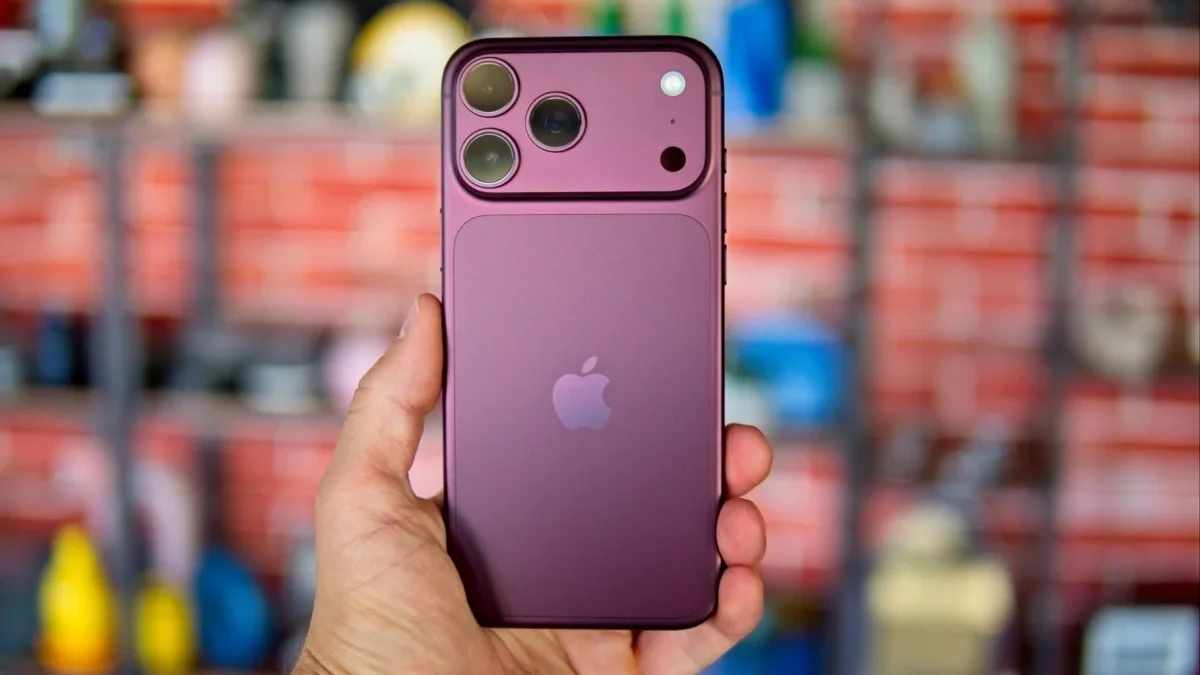
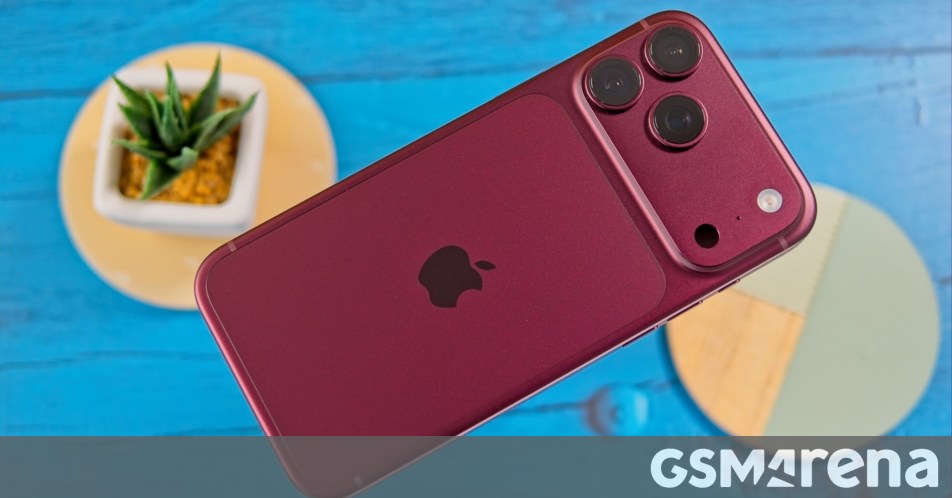
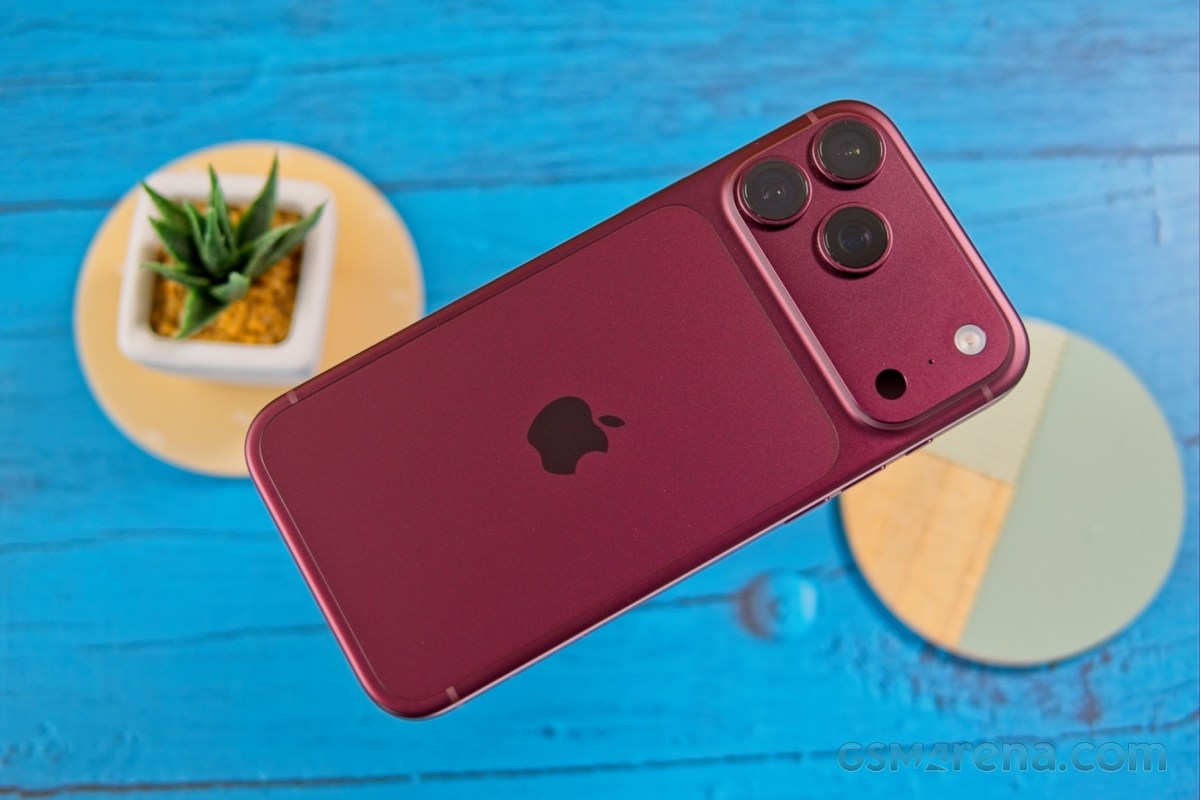
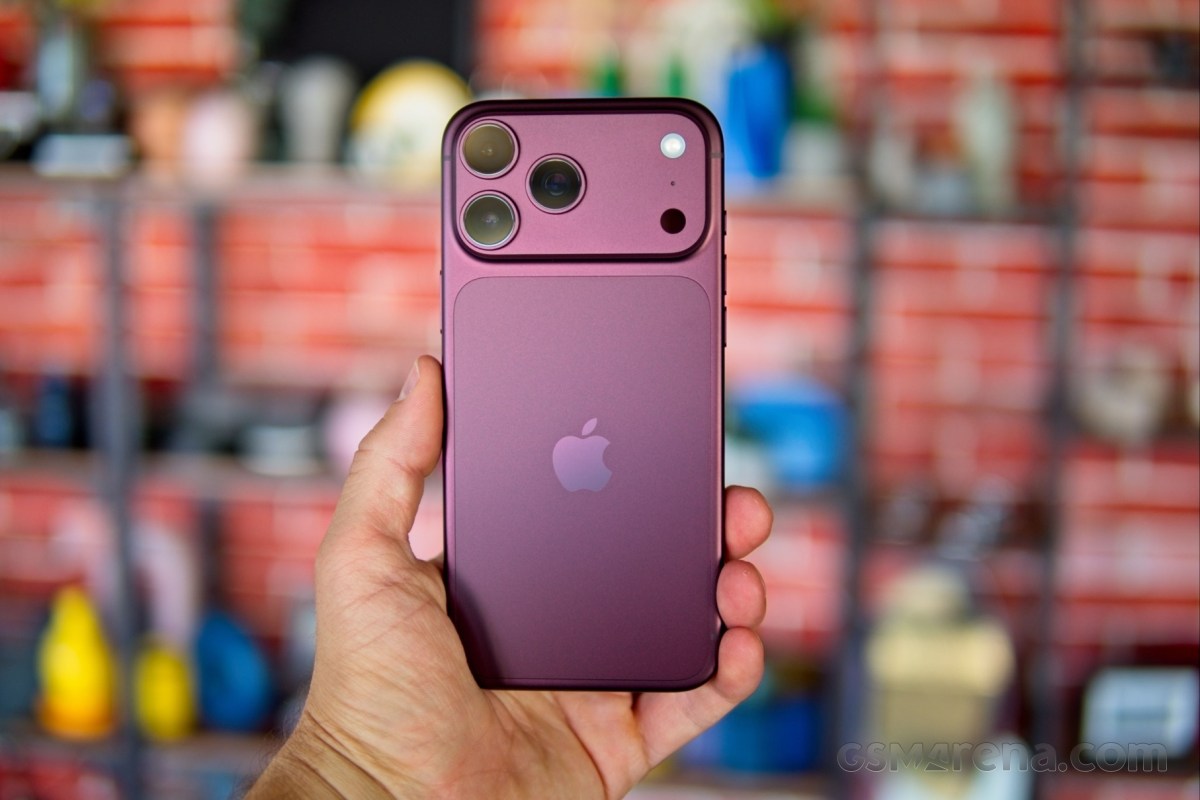
According to official support documentation for the iPhone 18 Pro Max, Apple now utilizes a firmware-level limitation that restricts the battery’s usable charge to below the 20Wh threshold while the device is in transit. Upon the initial power-on sequence, the device recognizes its first activation and automatically removes the software cap, granting the user access to the full, designed capacity of the cell.
For the US-based eSIM-only model, this means access to a 5,567mAh battery, rated at 21.75Wh. The European model, which incorporates a physical SIM card slot, features a slightly more modest 5,391mAh battery, rated at 21.06Wh. Both configurations sit comfortably above the 20Wh limit, which would otherwise prohibit them from standard air freight logistics. Furthermore, Apple has included a user-facing toggle within the device settings that allows the owner to re-enable the shipping mode. This feature is particularly useful for users planning to transport their devices via air, providing them with a proactive way to adhere to airline safety protocols, if required.
Chronology of Regulatory Evolution
The timeline of this development reveals a growing tension between battery innovation and international safety policy.
- Mid-2025: Following extensive dialogue with industry stakeholders, the United States Department of Transportation (DOT) issued a specific exemption permitting this "shipping-locked" methodology. This move served as a pivotal precedent, acknowledging that a software-constrained battery poses no greater risk than a battery manufactured at the 20Wh threshold.
- Late 2025: Apple began implementing the firmware lock in the production lines for the iPhone 18 series, allowing the company to consolidate its global supply chain.
- 2026: The UN Sub-Committee of Experts on the Transport of Dangerous Goods held formal sessions to address the obsolescence of the 20Wh boundary. The sub-committee recognized that advancements in battery chemistry have rendered the distinction between single-cell and multi-cell batteries increasingly arbitrary, as the potential energy density of a single cell has caught up to what was previously only achievable through complex, multi-cell architectures.
- 2029: Global regulatory bodies have tentatively scheduled a comprehensive policy overhaul to modernize these standards, effectively acknowledging that the current framework is a relic of older lithium-ion technology.
Industry Implications and Market Impact
The decision by Apple to standardize battery capacity across regions via software is expected to have a profound impact on the smartphone market. For years, the "two-tier" system—where one region receives a superior device while another receives a hardware-crippled version—has been a staple of the global tech landscape. By successfully navigating the regulatory landscape with this firmware solution, Apple has essentially rendered that model unnecessary.
Analysts suggest that this will likely force a shift in how competitors approach international logistics. If other manufacturers adopt similar software-locking protocols, it could lead to a global homogenization of flagship hardware, ensuring that consumers in every market have access to the same battery performance. However, this shift also introduces new questions regarding software dependency. If a device’s physical capacity is locked behind a firmware wall, the integrity of that software becomes paramount. Any failure in the activation process could leave a user with a "throttled" battery, necessitating a return to a service center or a software update to rectify.
Supporting Data and Technical Nuance
It is essential for consumers to distinguish between "rated" capacity and "typical" capacity, as these figures are often used interchangeably in marketing materials, leading to consumer confusion. The figures provided by Apple for the iPhone 18 Pro Max (21.75Wh and 21.06Wh) are the rated capacities. When compared to the typical capacities advertised by various Android manufacturers, there is often a discrepancy caused by different testing protocols and the way energy density is calculated for retail advertisements.
For instance, while a 5,567mAh battery might seem modest compared to some Android flagships advertising 6,000mAh or higher, the actual energy-per-volume efficiency of Apple’s silicon-carbon cells is among the highest currently available in a mass-market mobile device. The efficiency of the A-series chipset, combined with the underlying iOS power management, means that these rated capacities offer a competitive, if not superior, real-world longevity compared to devices with higher raw capacity numbers.
Broader Regulatory Future
The ongoing deliberations at the UN level suggest that the 20Wh limit is nearing the end of its useful life. The proposal currently under review argues that safety regulations should focus on the stability of the battery chemistry and the integrity of the casing, rather than an arbitrary watt-hour threshold that no longer correlates with the actual safety risks of modern, high-density cells.
As regulatory bodies continue to refine these standards for 2029, Apple’s workaround serves as a bridge. While international bodies such as IATA and ICAO have not yet issued a unified, global policy statement regarding software-locked transport, their tacit acceptance—evidenced by the widespread availability of the iPhone 18 Pro series in Europe—indicates a growing consensus. By operating within the spirit of the law while circumventing the letter of outdated logistics, Apple has successfully demonstrated that innovation can occasionally outpace the regulatory frameworks intended to govern it.

Ultimately, the iPhone 18 Pro Max represents more than just a hardware upgrade; it represents a fundamental change in how high-performance consumer electronics are distributed globally. As the industry looks toward the 2029 regulatory refresh, the precedent set by this software-based shipping solution will likely be studied and adopted by manufacturers across the electronics spectrum, potentially ending the era of regional hardware disparity in favor of a more unified global product strategy.