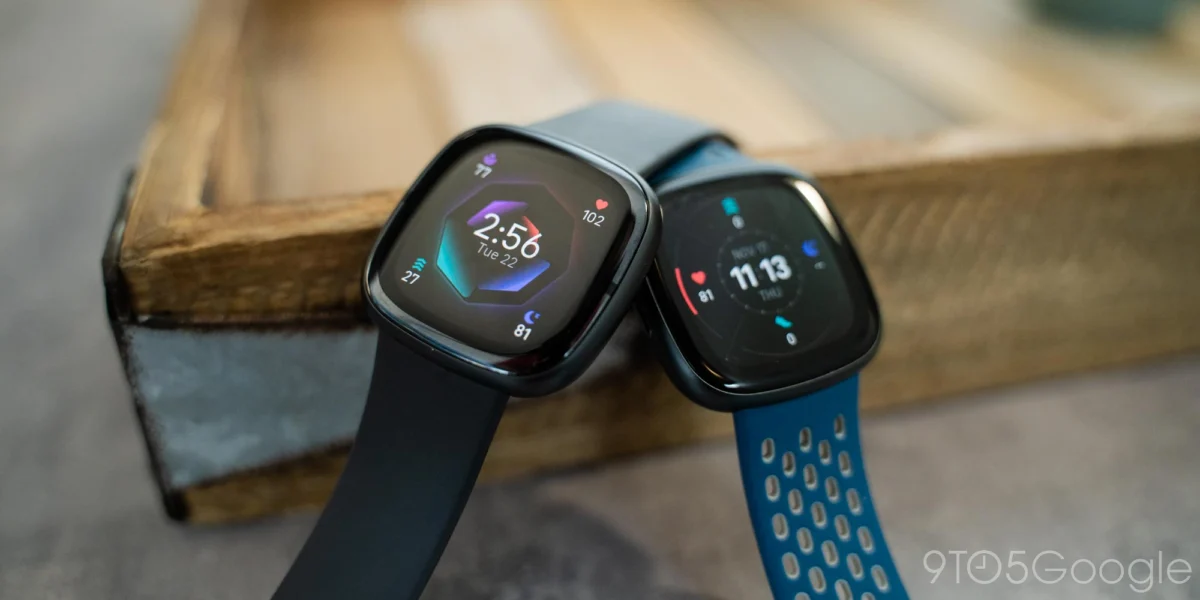
The ecosystem surrounding Fitbit’s legacy smartwatch lineup is undergoing a significant transition as Google officially announces the discontinuation of support for third-party applications and custom clock faces across its popular wearable devices. Effective November 28, owners of the Fitbit Versa and Sense series will lose the ability to download, install, or update any software developed by external entities. This strategic pivot signals a definitive shift in Google’s hardware roadmap, prioritizing its unified Wear OS platform over the proprietary Fitbit OS that once defined the brand’s smartwatch experience.
Affected Hardware and Scope of Changes
The restriction applies to a wide range of devices that have served as the backbone of the Fitbit smartwatch portfolio for years. The list of impacted models includes the original Fitbit Versa, Versa 2, Versa 3, and Versa 4, as well as the Fitbit Sense and the second-generation Sense 2.
According to the official communication from Google, the Fitbit App Gallery will be reconfigured to feature only software and aesthetic interfaces developed internally by Fitbit and Google. While current users who have already downloaded third-party apps or clock faces will retain access to them for the time being, the utility of these devices will be strictly frozen. If a user chooses to delete a third-party application, remove a custom clock face, or perform a factory reset on their device after the November 28 deadline, they will find it impossible to reinstall or restore that content. The App Gallery will effectively cease to function as a marketplace for community-driven development, becoming instead a static repository for first-party tools.
A Chronology of the Fitbit Transition
To understand the gravity of this change, one must look at the timeline of Google’s acquisition and integration of Fitbit.
- January 2021: Google finalized its $2.1 billion acquisition of Fitbit, sparking immediate questions regarding the future of Fitbit’s proprietary operating system.
- August 2022: The launch of the Versa 4 and Sense 2 introduced a streamlined interface that notably lacked the deep third-party app support found in earlier models, signaling a departure from the "smart" functionality that characterized the Versa 3 and original Sense.
- October 2022: The debut of the Google Pixel Watch marked the company’s first major commitment to Wear OS, setting a new standard for Google’s wearable ambitions.
- November 2024: The impending November 28 deadline serves as the final sunset for third-party development on the legacy platform.
This progression illustrates a calculated, multi-year strategy to migrate the wearable user base toward a more cohesive Google ecosystem. By restricting developers, Google is effectively neutralizing the competitive overlap between its legacy Fitbit products and the Pixel Watch series.
Implications for Third-Party Developers
The deadline carries significant weight for the developer community, which has contributed to the Fitbit ecosystem for years. Starting November 28, Google will no longer facilitate the upload of new third-party applications or clock faces to the gallery. Furthermore, developers will lose the ability to push updates to their existing software.

For creators, this is essentially the end of the line. The inability to update software means that as Fitbit OS receives security patches or underlying system adjustments, older third-party apps may eventually become incompatible or unstable. With no path for maintenance, developers are effectively being forced to abandon their projects, and users are being encouraged to shift their loyalty toward devices that run on Google’s preferred operating system.
The Shift Toward Wear OS
The primary driver behind this decision is the maturation of Wear OS. Since acquiring Fitbit, Google has sought to harmonize its wearable offerings. The proprietary Fitbit OS, while highly efficient for battery life and health tracking, lacked the robust developer support and application diversity offered by the Google Play Store on Wear OS devices.
By limiting the Sense and Versa series to first-party apps, Google is creating a clearer distinction between "fitness trackers" and "smartwatches." Users looking for advanced features, such as third-party music integration, complex productivity apps, or specialized navigation tools, are being subtly nudged toward the Pixel Watch line. The Fitbit smartwatches are being repositioned as health-centric trackers rather than versatile wrist-based computers.
Market Impact and Consumer Sentiment
This decision has sparked a debate among long-term Fitbit users. Many consumers purchased the Sense and Versa models specifically for their longevity and the flexibility offered by third-party clock faces. The sudden removal of these features creates a "planned obsolescence" narrative, as functional devices will become less customizable over time.
Analysts note that this move is consistent with industry trends where large technology conglomerates consolidate their software ecosystems to ensure consistent security and performance. However, from a consumer rights perspective, the inability to reinstall previously owned apps after a factory reset is a significant departure from standard software longevity expectations.
For potential buyers, the news serves as a warning regarding the current status of the Fitbit hardware lineup. Experts suggest that if users require a device that will evolve alongside a modern app ecosystem, they should look toward the Pixel Watch or other Wear OS-compatible hardware. The Sense 2 and Versa 4, while still capable health monitors, are now essentially "locked" platforms.
Official Stance and Future Outlook
Google’s official support documentation emphasizes that the focus for the Fitbit brand moving forward is on health and wellness. By curating the App Gallery to include only official Google and Fitbit tools, the company claims it can ensure a more stable, secure, and streamlined experience for users.

"We are committed to providing a high-quality experience across our devices," a representative statement suggests, emphasizing that the reduction in third-party support allows for better integration with the broader Google Health platform. While this may be true for the brand’s health-tracking ambitions, it leaves a void for users who relied on their smartwatches for tasks beyond heart-rate monitoring and step counting.
Economic and Technical Analysis
From a technical standpoint, maintaining a separate OS ecosystem requires significant investment in security, bug testing, and developer relations. By offloading these responsibilities, Google is likely reducing its overhead costs while simultaneously funneling its R&D budget into the Wear OS platform.
Economically, this transition highlights a trend in the wearable market where hardware becomes secondary to the software ecosystem. The hardware itself—the sensors and the chassis—remains a commodity, but the platform that governs those sensors is where the real value lies. Google is betting that by forcing a migration to Wear OS, it can increase the stickiness of its subscription-based services, such as Fitbit Premium, while tightening control over the data lifecycle of its users.
Conclusion: The End of an Era
The November 28 announcement marks the quiet end of an era for Fitbit. Once a pioneer in the fitness tracker space that dared to compete with the Apple Watch by offering a distinct, developer-friendly ecosystem, Fitbit is now being folded into the broader Google identity. While the Sense and Versa devices will continue to function as health trackers, their days as dynamic, extensible smartwatches are coming to a close.
For the average user, the takeaway is clear: the future of Google’s wearable strategy is Wear OS. Those who continue to rely on the legacy Fitbit smartwatches will need to accept a more restricted, albeit more stable, software environment. As the technology landscape continues to shift, this move serves as a stark reminder of the control parent companies exert over the long-term utility of the hardware in our daily lives.