Google Classroom, the cornerstone of modern digital education for millions of students and educators worldwide, is currently facing a significant, widespread service disruption. The outage, which began early this afternoon, has effectively rendered the platform inaccessible for a substantial portion of its user base, triggering an immediate wave of reports across outage monitoring services. While other components of the Google Workspace ecosystem appear to be operating normally, the sudden failure of the Classroom platform has created logistical challenges for schools currently in the midst of the academic day.
Chronology of the Disruption
The service instability first manifested at approximately 12:33 PM ET. According to real-time data provided by Downdetector, the platform experienced a near-vertical trajectory in user complaints within the first sixty minutes of the event. Initial reports were sparse, but the volume of grievances escalated rapidly, climbing from a baseline of zero to over 500 reports in less than an hour. By mid-afternoon, the spike in reports remained sustained, suggesting that the issue is not a localized connectivity problem, but rather a central server-side failure or an authentication error affecting the Classroom interface.
Educational institutions relying on the platform for assignment distribution, grading, and communication have reported a variety of errors. These include "500 Internal Server Error" messages, infinite loading screens, and intermittent login failures that prevent students from accessing their virtual dashboards. Unlike minor latency issues, this event is characterized by a total inability to interact with the platform’s core features, effectively pausing classroom activities for affected districts.
Contextualizing Google Classroom’s Role in Education
The reliance on Google Classroom has grown exponentially since the global transition to remote and hybrid learning necessitated by the COVID-19 pandemic. In the years following 2020, Google significantly expanded the utility of the application, transforming it from a simple document-sharing portal into a comprehensive Learning Management System (LMS).
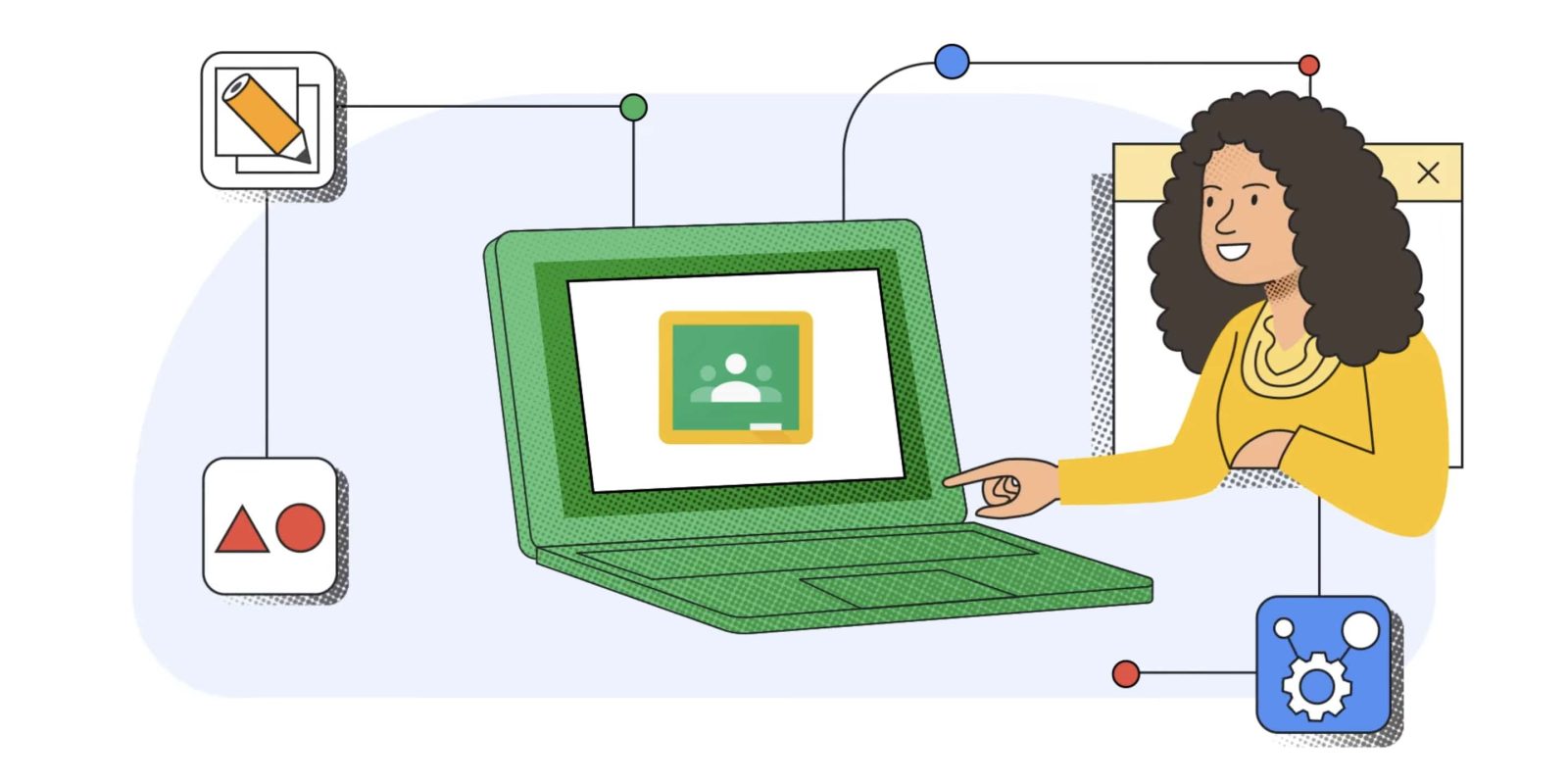
Most recently, Google introduced a robust suite of third-party add-ons designed to integrate external educational tools directly into the Classroom interface. This effort was intended to streamline the workflow for educators, allowing them to assign, grade, and track work within partner applications without leaving the Google ecosystem. This added complexity, while beneficial for long-term productivity, has also increased the platform’s dependency on a stable, interconnected infrastructure. When a central hub like Classroom fails, the impact is compounded by the fact that many educators have moved their entire curriculum management into the cloud, leaving them with few manual alternatives during a sudden outage.
Status of Google Workspace Services
A notable aspect of this disruption is the isolation of the outage to Google Classroom. As of the latest assessment, other primary Google Workspace applications—including Google Drive, Google Docs, Google Sheets, and Gmail—remain fully operational. This compartmentalization is standard for Google’s infrastructure, which is built on a distributed architecture intended to prevent a single point of failure from cascading across the entire suite.
While it is not unprecedented for Google to experience simultaneous outages across multiple services, the current data suggests that this is a specific issue affecting the Classroom application layer. Google Drive, which had reported a minor, brief instability yesterday, has shown no correlation with today’s issues. The discrepancy in performance between Classroom and the broader Workspace suite points to a likely issue within the specific authentication or database servers dedicated to Classroom’s proprietary features.
Implications for Educational Continuity
The implications of an outage of this magnitude are significant for both K-12 and higher education institutions. In modern school districts, the "digital classroom" is often the only location where students receive instructions, submit homework, and view teacher feedback. A mid-day outage disrupts the flow of synchronized learning, particularly in environments where students utilize Chromebooks managed exclusively through Google’s Admin Console.
From an administrative standpoint, this event highlights the vulnerabilities inherent in centralized cloud-based education. When the platform is down, schools often face an "instructional gap," where teachers are unable to disseminate time-sensitive materials or conduct assessments. While many districts have contingency plans for IT failures, the rapid shift to digital-first education has outpaced the development of offline redundancy protocols.

Analysis of Infrastructure Reliability
Google’s infrastructure is widely considered among the most resilient in the world, yet even hyperscale cloud providers are subject to occasional downtime. In the past, Google’s outages have often been attributed to issues within their Global Traffic Management (GTM) systems or intermittent authentication failures involving their Identity Platform.
In this specific instance, the lack of a broader service failure suggests that the issue might be related to a recent deployment or an update to the Classroom backend. Large-scale platforms frequently push incremental updates to their web apps, and it is common for such updates to inadvertently trigger compatibility issues if they are not correctly propagated across all data centers. Without official confirmation, however, the root cause remains speculative.
Official Response and Mitigation Efforts
At the time of writing, Google has yet to issue a formal technical explanation regarding the cause of the outage. In the absence of a direct statement from the company’s official status dashboard, users are left to rely on third-party diagnostics. Historically, Google tends to address these issues with high urgency, given the platform’s critical role in the global education sector. Once a root cause is identified, the company typically implements a hotfix or rolls back the recent update to restore service stability.
Given the nature of the current traffic patterns, it is highly probable that the service will be restored to full functionality within a few hours. The company’s engineering teams are likely currently engaged in load balancing and error-logging diagnostics to isolate the specific microservice that is failing to respond to user requests.
Recommendations for Educational Stakeholders
During periods of sustained outages, school IT administrators are generally advised to monitor the Google Workspace Status Dashboard for official updates. In the immediate term, teachers and students are encouraged to refrain from repeatedly attempting to log in, as this can exacerbate server load if the platform is in the process of restarting or re-indexing data.

For districts that operate exclusively on Google-managed hardware, it is advisable to maintain a local, offline cache of critical assignments or to utilize alternate, non-cloud-based communication channels to coordinate with students until the service is fully restored. As the digital landscape continues to evolve, the resilience of these platforms will remain a primary concern for educators who must balance the benefits of cloud-integrated learning with the necessity of operational continuity.
As this situation develops, the primary objective for the tech giant will be to ensure that no data integrity issues occur, particularly regarding student assignment submissions and grading records. Historically, Google has been effective at ensuring that once service is restored, pending data is successfully synced, minimizing the risk of lost work for users. Further updates will be provided as soon as official information becomes available from the service provider.