The role of sports media in the American political discourse has reached a critical inflection point, as ESPN faces mounting scrutiny over its editorial independence and its increasingly blurred lines between sports coverage and political lobbying. For years, the network has attempted to navigate the volatile intersection of athletics, social justice, and policy, often drawing criticism from across the ideological spectrum. However, recent developments surrounding the network’s coverage of the Protect College Sports Act have intensified the debate, leading industry observers to question whether the network is transitioning from a journalistic entity to an active participant in legislative advocacy.
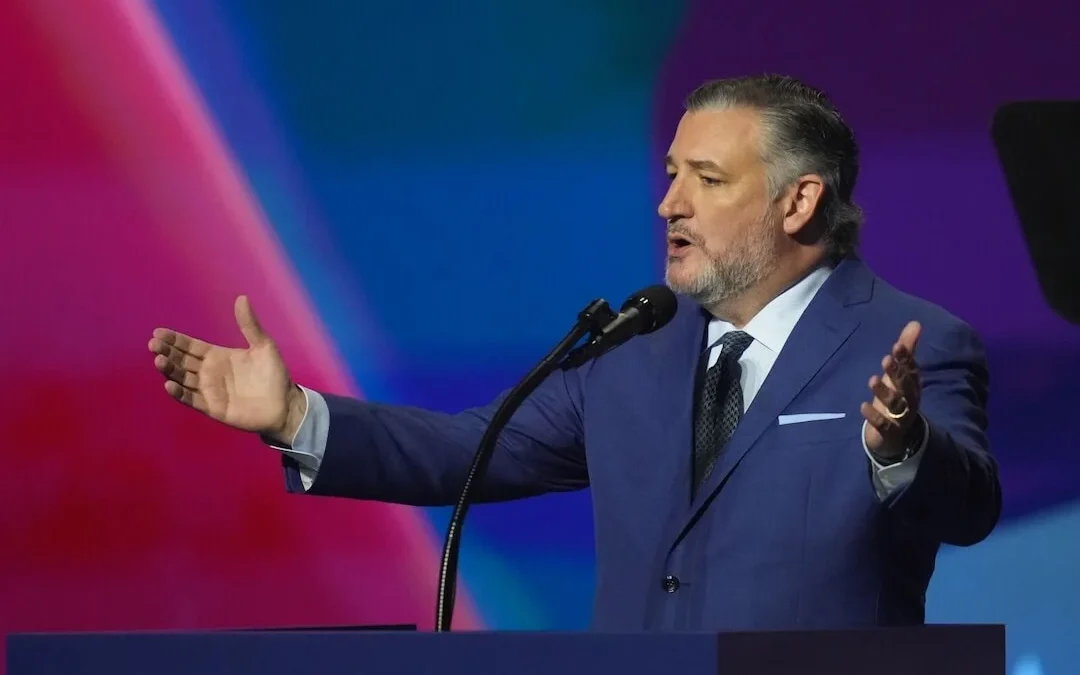
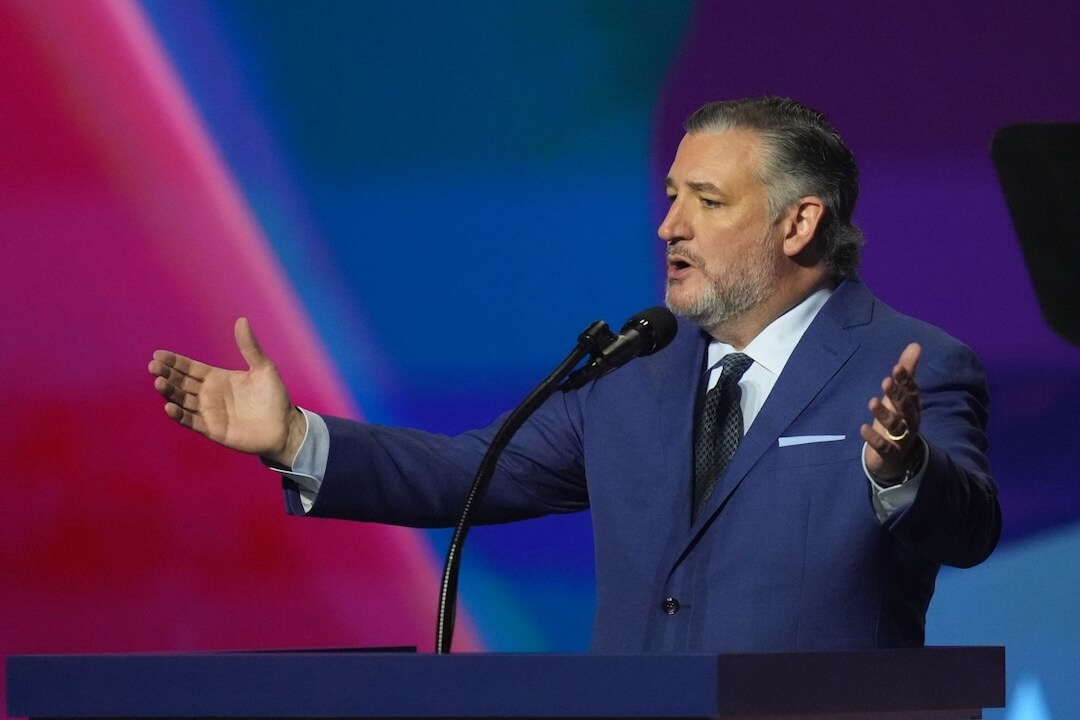
The current controversy centers on a September 2026 broadcast of College GameDay from Austin, Texas. During the pregame show, host Rece Davis conducted a nearly 10-minute interview with Sen. Ted Cruz (R-Texas), the primary sponsor of the Protect College Sports Act. The legislation, which has sparked intense debate, seeks to impose federal regulations on the multi-billion-dollar college sports industry. While the segment was framed as a timely discussion regarding the future of collegiate athletics, critics noted a glaring absence of opposing viewpoints, particularly in light of the network’s prior on-air support for the bill.
Chronology of the Advocacy Accusations
The trajectory of this controversy began well before the interview in Austin. In the weeks leading up to the segment, high-profile ESPN personalities, including former coach Nick Saban and analyst Pat McAfee, used the network’s platform to openly endorse the legislation. These endorsements, which occurred during prime broadcasting windows, set a precedent for the network’s positioning on the matter.
Critics argue that by granting Sen. Cruz a lengthy, uninterrupted, and unchallenged forum, the network effectively provided a "softball" platform for the bill’s primary sponsor. This was exacerbated by the lack of inclusion of athlete advocates, labor union representatives, or legal scholars who have argued that the bill—under the guise of restoring order to college athletics—actually functions to suppress the earning potential and bargaining power of the student-athletes themselves.
The immediate reaction was swift and multifaceted. Within the stadium, the Texas crowd—despite the state’s political leanings—expressed vocal disapproval of the senator’s appearance. On social media, former ESPN commentators Jemele Hill and Bomani Jones highlighted the ethical dilemma, with Jones specifically noting that the network’s failure to disclose its own corporate interest in the legislation—specifically the lobbying efforts of its parent company, Disney—represented a fundamental breach of journalistic transparency.
The Corporate Context: Legislative Stakes
To understand the intensity of the backlash, one must look at the underlying financial motivations. The college sports landscape is currently undergoing a period of radical transformation, characterized by the collapse of traditional amateurism models and the rise of name, image, and likeness (NIL) rights. For media giants like ESPN, the chaotic nature of the current transfer portal and collective bargaining environment presents risks to broadcasting stability and long-term content planning.
The Protect College Sports Act is viewed by many as a vehicle for established powers—universities and broadcast partners—to reclaim control over an industry that has become increasingly player-centric. By creating a federal exemption from antitrust laws, the bill would theoretically allow universities to coordinate in ways that could limit player compensation and mobility. When a media outlet as influential as ESPN aligns its on-air talent with such legislation, it creates a circular ecosystem where the network’s programming serves to manufacture public support for a bill that would ultimately benefit its own business model.
Institutional Responses and Ethical Concerns
In response to the criticism, an unnamed ESPN source stated to The Athletic that the interview was an "easy decision" based on the senator’s presence in Austin and the relevance of the bill to the sport. The network further clarified that it had not received formal requests from opposing parties to discuss the bill but claimed it would be open to such requests in the future.
Media analysts have roundly rejected this justification. The standard for objective journalism requires that when a network provides a significant platform to a proponent of a controversial bill, it is incumbent upon that network to seek out relevant opposition. The NAACP, for instance, signaled that it would be more than willing to provide a representative to discuss the potential negative impacts of the bill on Black athletes and marginalized communities. The failure of ESPN to proactively facilitate such a conversation undermines the defense that their coverage is purely reactive.
Furthermore, industry observers have pointed to a jarring double standard. Reports suggest that ABC—which shares corporate ownership with ESPN—recently declined to air an interview with a Democratic Senate candidate, James Talarico, conducted by Jimmy Kimmel. The contrast between the network’s willingness to feature a Republican sponsor of a high-stakes bill and its hesitation to air a Democratic candidate’s interview highlights the perceived political imbalance within the Disney-owned media ecosystem.
Broader Implications for Sports Journalism
The internal and external pressures facing ESPN reflect a broader crisis in modern media. As traditional news outlets face declining trust and fragmentation, sports networks have attempted to capture the "news" market by pivoting toward political commentary. However, doing so requires a commitment to the rigorous standards of political journalism—namely balance, disclosure, and the adversarial questioning of power.
When a network that is fundamentally a stakeholder in the legislation it reports on fails to disclose those conflicts of interest, it erodes the credibility of its entire news operation. The "conga line" of support for the Protect College Sports Act, led by personalities like McAfee and Saban, has transformed the sports-news divide into a singular political front. Whether this is a deliberate corporate strategy or a series of editorial lapses, the result is a measurable decline in viewer trust.
A Pattern of Volatility: The Sarkisian Incident
The network’s credibility struggles were further highlighted by a separate incident involving Texas coach Steve Sarkisian. Following a high-stakes victory over Ohio State, a series of interactions between the coaching staff and ESPN’s sideline reporters—specifically Holly Rowe and Laura Rutledge—ended in awkward, public disputes.
While technical difficulties were cited as the primary driver of these friction-filled moments, the optics suggested a breakdown in the relationship between the network and its subjects. When a news organization loses the cooperation of the very subjects it covers, it is often a sign of strained institutional relationships. The subsequent frustration of a veteran reporter like Holly Rowe, caught in the crosshairs of an on-field communication breakdown, served as a microcosm of a weekend where ESPN struggled to maintain control of its brand and its messaging.
Moving Forward: The Challenge of Neutrality
As the 2026 sports season progresses, ESPN finds itself at a crossroads. The transition toward a more "political" ESPN is not merely an editorial choice; it is a structural reality. However, the current strategy of allowing on-air talent to act as lobbyists without the guardrails of traditional journalistic vetting is unsustainable.
For the network to regain its status as a trusted authority, it must implement stricter disclosures regarding its corporate interests in legislation. Furthermore, it must ensure that segments involving legislative figures are accompanied by balanced, rigorous debate rather than one-sided advocacy. The recent calls from advocacy groups like the NAACP to be included in the conversation represent an opportunity for the network to pivot toward a more inclusive and democratic model of sports reporting.
Ultimately, the future of ESPN depends on whether it can prove that its commitment to the game is greater than its desire to shape the laws that govern it. The era of the "unbiased sports broadcaster" may be long gone, but the necessity for journalistic integrity remains. If the network continues to prioritize political advocacy over balanced inquiry, it risks alienating the very audience that looks to it for the objective truth of the competition on the field. As the industry watches, the question remains: will ESPN prioritize its editorial independence, or will it continue to use its influence to steer the legislative future of the sports it covers? The answer to that question will likely define the network’s legacy in the years to come.